

Unlock Your Practice: Understanding What Yoga Blocks Are For
Yoga blocks are more than just simple props; they are useful tools that can greatly improve your yoga experience. Here are the main things to remember about what yoga blocks are for:
Key Takeaways
- Yoga blocks make poses more accessible by bringing the ground closer, helping with flexibility and body differences.
- They provide support for your spine, hips, and knees, reducing strain and making poses safer.
- Blocks can be used to add challenge and build strength by creating resistance or adding weight.
- Whether made of foam or cork, choosing the right size and material is important for your practice.
- Blocks are beneficial for all levels, not just beginners, helping to refine poses and deepen practice.
Defining What Yoga Blocks Are For
Yoga blocks are often seen as just beginner tools, but that's really not the case. Think of them more like versatile helpers that can adjust a pose to fit you, rather than you having to contort yourself to fit the pose. They're basically props, like yoga straps or blankets, that can make your practice feel more accessible and sometimes even more challenging, depending on how you use them.
Enhancing Accessibility in Practice
One of the main jobs of a yoga block is to make poses more reachable. If you're trying to touch your toes in a forward fold but just can't quite get there, a block can bring the floor closer to your hands. This means you can still get the stretch you're looking for without straining your back or feeling like you're failing. It's about finding a way to do the pose with good form, even if your body isn't quite ready for the full expression yet. This can be a game-changer for people who have tighter hamstrings or just aren't as flexible. It's not about taking a shortcut; it's about making the pose work for you right now. You can find out more about how blocks can support your practice here.
Supporting Proper Alignment
Blocks are also fantastic for helping you line things up correctly in a pose. When you're not quite reaching the floor, using a block under your hands can help keep your spine long and your shoulders relaxed. This way, you're not collapsing into the pose. It helps you maintain the integrity of the posture, which is super important for getting the most benefit and avoiding any weird aches later on. They act like little guides, showing you where your body should be.
Bringing the Ground Closer
This idea of "bringing the ground closer" is really key. Imagine you're in a pose where you need to place your hands on the floor, but they're hovering a few inches away. A block fills that gap. It's like adding a little step to reach a high shelf. This simple adjustment can make a big difference in how stable and comfortable you feel. It allows you to focus on the sensation of the pose rather than the struggle to reach.
Blocks don't just support the body; they support the practice itself by removing unnecessary strain and allowing for deeper focus.
Here's a quick look at how blocks can help:
- Accessibility: Makes poses easier to get into.
- Alignment: Helps you position your body correctly.
- Support: Provides a stable surface to rest on.
- Challenge: Can be used to make poses harder when you're ready.
Whether you're new to yoga or have been practicing for years, blocks can be a really useful addition to your routine. They're not just for beginners; they're for anyone looking to get more out of their time on the mat. In fact, they're even used in other practices like Pilates to help with alignment and support [9388].
How Yoga Blocks Increase Accessibility and Safety
Yoga blocks are fantastic tools for making your practice more approachable and secure, no matter your current level of flexibility or experience. Think of them as little helpers that can bridge the gap between where you are and where you want to be in a pose. They're not just for beginners, either; experienced yogis use them all the time to refine their practice.
Modifying Poses for Flexibility
Many of us don't have the same range of motion as professional yogis, and that's perfectly okay. If you find yourself struggling to reach the floor in a forward fold, for instance, instead of rounding your back and straining, you can place your hands on a yoga block. This simple adjustment brings the ground closer to you, allowing you to maintain a long spine and get a better stretch in your hamstrings without any unnecessary pressure. It's about working with your body, not against it.
- Standing Forward Fold: Place blocks at their tallest height in front of your feet. Bend your knees slightly and fold forward, resting your hands on the blocks. This keeps your spine long.
- Low Lunge: If stepping your foot between your hands from Downward-Facing Dog feels like a stretch, place blocks under your hands. This gives you more space to maneuver your foot forward.
- Triangle Pose: If you can't reach the floor with your bottom hand, place a block on the inside or outside of your front foot for support.
Reducing Risk of Injury
When you can't quite get into a pose as intended, the natural tendency can be to force it. This is where injuries often happen. Yoga blocks help prevent this by providing a stable surface to rest on or press against. They allow you to hold a pose with proper alignment, even if you don't have the full flexibility yet. This means you can build strength and flexibility safely over time, rather than risking a strain or pull by pushing too hard too soon. Using props can really help you explore yoga practices adapted for individuals with disabilities.
Pushing your body beyond its current limits without proper support is a fast track to discomfort or even injury. Blocks offer a way to experience the benefits of a pose without that risk, allowing your muscles and joints to feel supported.
Enabling Beginners to Explore New Postures
For those new to yoga, the sheer variety of poses can be intimidating. Blocks can make challenging postures feel much more accessible. They can help you find stability in balancing poses or provide the necessary height in seated postures, making the practice feel less daunting. This increased accessibility means beginners can start to build confidence and familiarity with a wider range of movements, laying a solid foundation for their ongoing practice. It's amazing how much difference a simple prop can make in how you feel about trying something new, and yoga props like bolsters, blankets, pillows, blocks, and straps are designed for just this purpose.
Enhancing Support and Comfort With Yoga Blocks
Sometimes, yoga can feel like a constant battle against gravity or your own body's limitations. That's where yoga blocks really shine, acting like a helpful friend to make things feel more stable and pleasant. They're not just for beginners trying to reach their toes; experienced yogis use them too, to find a deeper sense of ease and stability in their practice. Blocks can bring the ground closer, offering a steady foundation so you can relax into a pose instead of fighting it.
Supporting the Spine, Hips, or Knees
Blocks are fantastic for giving your body exactly what it needs, especially when certain areas feel tight or unsupported. For instance, sitting on a block in poses like Easy Pose (Sukhasana) or Hero's Pose can lift your hips, allowing your spine to lengthen more easily. This simple adjustment can make a world of difference, taking pressure off your knees and hips. They can also be placed under the sacrum in Supported Bridge Pose, turning a potentially strenuous backbend into a deeply relaxing experience. It’s all about finding that sweet spot where you feel supported, not strained.
Providing Rest in Restorative Poses
In restorative yoga, the goal is deep relaxation, and blocks are key players here. Imagine lying down with a block under your head in Savasana, or using them to prop up your hips in a reclined butterfly pose. They allow your body to completely let go, taking the effort out of holding the pose. This kind of supported rest is incredibly beneficial for calming the nervous system and recovering from stress. It’s like giving your body a gentle, stable hug, allowing muscles to release and tension to melt away. You can find some great options for props that help with this kind of practice here.
Taking Pressure Off Joints and Muscles
Think about poses where your wrists or shoulders might feel strained. A block can change that. For example, placing your hands on blocks in a standing forward fold or Triangle Pose brings the floor up to meet you, reducing the need to round your back or strain your hamstrings. Similarly, in poses like Downward-Facing Dog, if your wrists are sensitive, placing them on blocks can alter the angle, making it more comfortable. This ability to modify pressure is why yoga blocks are so useful for a wide range of practitioners, helping to prevent discomfort and keep your practice going smoothly.
Building Strength and Adding Challenge Using Yoga Blocks
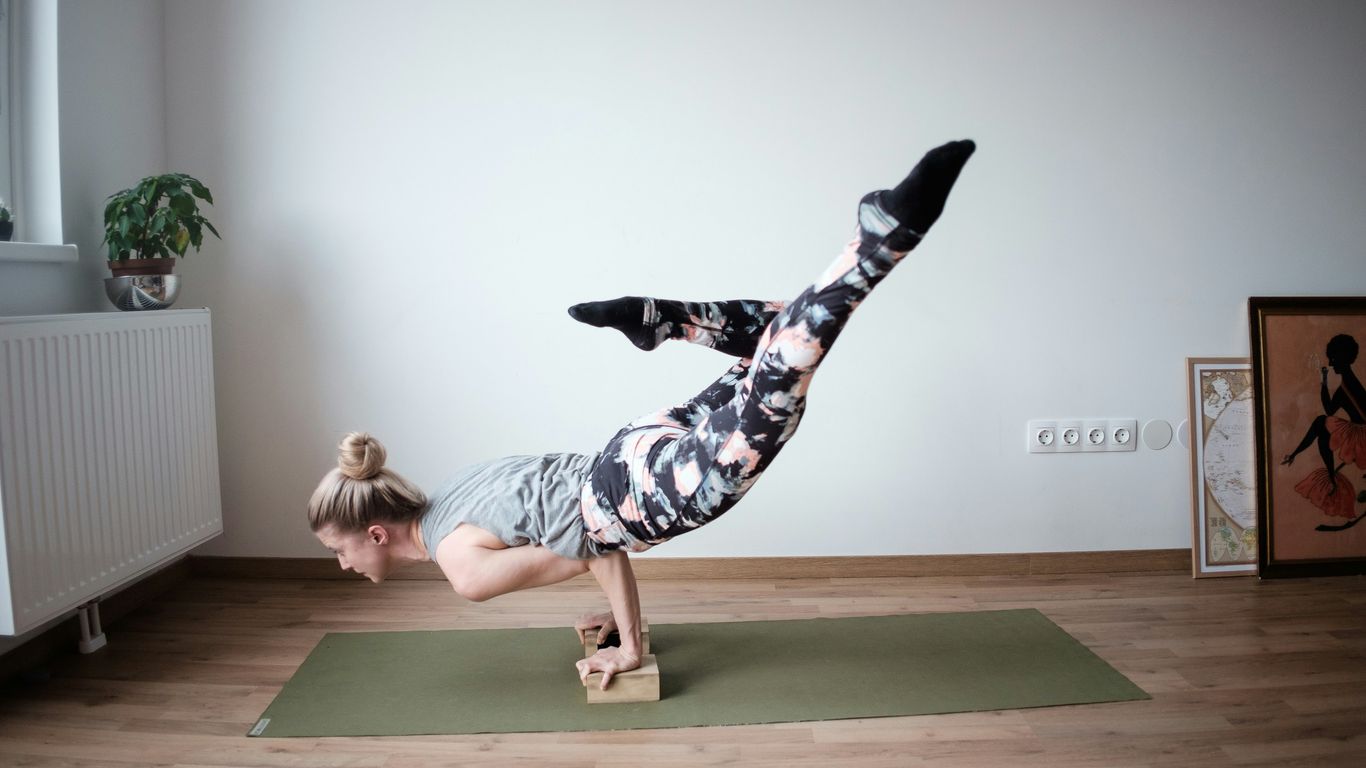
You might think yoga blocks are just for beginners needing a little extra help, but that's really not the case. These simple props can actually be fantastic tools for making your practice more challenging and building strength. It’s all about how you use them. Think of it like adding weights to your workout – blocks can do something similar for your yoga poses.
Creating Resistance in Active Poses
Blocks can introduce a new level of resistance, making your muscles work harder. When you hold a block between your hands or squeeze it between your legs, you're creating an isometric contraction. This means your muscles are engaged and working to hold the block in place, even if you're not moving much. This consistent tension helps build muscular endurance and strength. For instance, in poses like Warrior II, holding a block out in front of you with straight arms requires your shoulders and arms to work harder against gravity. The further you extend your arms, the more effort your body needs to exert, leading to greater strength gains over time. You can even use blocks to add weight, like holding one overhead in a standing pose, which forces your core and stabilizing muscles to work overtime.
Encouraging Muscle Engagement
Blocks are great for highlighting and engaging specific muscle groups. By placing a block between your thighs during poses like Chair Pose (Utkatasana), you're actively engaging your inner thighs and glutes to keep the block from slipping. This focused engagement can lead to better muscle activation and a more effective workout. Similarly, in poses like Plank or Chaturanga, placing a block under one hand can create a slight asymmetry, forcing the opposite shoulder and core to work harder to maintain balance. This targeted work helps build strength in areas you might otherwise overlook. You can explore various exercises designed around these principles to amp up your routine.
Progressive Overload for Strength Gains
Progressive overload is a key concept in building strength: you need to continually challenge your body to keep getting stronger. Yoga blocks are perfect for this. As you get more comfortable with a pose, you can increase the challenge by incorporating a block. This could mean holding the block further away from your body, squeezing it tighter, or using it to create an uneven surface. For example, in a simple bridge pose, you can place a block under your hips for support, but to add challenge, you might try squeezing a block between your knees. This simple addition forces your glutes and inner thighs to work harder. You can also use blocks to create asymmetry, like placing one hand on a block in a low lunge, which makes your core and the supporting side work more intensely. This gradual increase in demand is what leads to real strength development. Many people find that squeezing a block during bridge pose is a simple yet effective way to increase glute engagement.
Blocks aren't just about making poses easier; they're about refining them and adding new dimensions of challenge. They allow you to work your muscles in different ways, promoting strength and stability that can carry over into all aspects of your practice and life.
Choosing the Right Yoga Block for Your Needs
So, you've decided yoga blocks are more than just beginner gear. Awesome! Now comes the fun part: picking the right ones for your practice. It's not as simple as grabbing the first block you see, though. The material, size, and even the shape can make a big difference in how they support you. Think of them as tools, and you want the right tool for the job.
Comparing Foam and Cork Blocks
Foam and cork are the two main players when it comes to yoga block materials. They each have their own vibe.
- Foam Blocks: These are usually lighter and a bit softer. They're great for general support and bringing the ground closer in poses where you need a little lift. High-density foam blocks are pretty sturdy and won't squish too much under pressure, which is good. They're also easy to carry around, which is a plus if you practice at different spots.
- Cork Blocks: Cork is denser and heavier than foam. This makes them super stable, which is awesome for poses where you need a really solid base. They also have a natural grip, so you don't have to worry about slipping, even if you get a little sweaty. Plus, cork is a more sustainable option, which is always nice.
Selecting the Right Size and Shape
Blocks typically come in a standard size, usually around 4 inches by 6 inches by 9 inches. This works for most people. However, if you're on the smaller side, you might find a 3-inch thick block more comfortable for certain poses, like sitting meditation. If you're looking for extra height or a more substantial feel, a 5-inch block could be your jam. Some blocks also have rounded edges, which can feel nicer on your hands and wrists, especially if you have any discomfort there. The Manduka UnBLOK, for example, has a shaped side that contours to your body, offering extra comfort for wrists and your back.
When you're picking out blocks, it's a good idea to get two. Having a pair means you can use them symmetrically in poses, which helps keep your body balanced and avoids creating awkward angles that might not be helpful, especially when you're starting out. It's all about creating a stable foundation for your yoga practice.
Tips for Buying Quality Blocks
Don't just grab the cheapest option you find. Cheaper blocks are often too soft, don't offer much support, and can be too light to be truly useful. You want blocks that feel solid and dependable. Look for blocks that are dense enough to hold their shape but still have a bit of give. If you're unsure, check out blocks at your local yoga studio or a reputable retailer. They often have a good selection, and you can feel them in person before you buy. Investing in a good pair means they'll last you a long time, supporting you through many practices to come. You can even find some great options at places like REI.
| Material | Pros | Cons |
|---|---|---|
| Foam | Lightweight, affordable, good general support | Can be less stable, may compress over time |
| Cork | Dense, stable, natural grip, sustainable | Heavier, can be more expensive |
If you're really in a pinch, you can use things like sturdy books taped together or even dumbbells for a temporary fix, but a proper yoga block is definitely worth the investment for consistent practice.
Practical Ways to Use Yoga Blocks in Everyday Poses
So, you've got your yoga blocks, and you're wondering how to actually use them in poses you do all the time. It's not just about fancy advanced stuff; blocks can totally change how you experience even the most basic movements on your mat. They're like little helpers that can make things feel better, safer, and sometimes even more challenging when you're ready.
Adapting Forward Folds and Balances
Forward folds, like standing forward fold (Uttanasana) or seated forward fold (Paschimottanasana), are notorious for making people feel like they just can't reach. If your hamstrings are tight, trying to force your torso down can put a lot of strain on your lower back. This is where blocks shine. Instead of letting your back round, place one or two blocks on the floor in front of your feet and rest your hands on them. This brings the ground closer to you, allowing you to keep your spine long and your chest open. You can adjust the height of the block to find a comfortable stretch without any strain. It's not about being 'less flexible'; it's about practicing with good form.
For balancing poses, like Warrior III (Virabhadrasana III) or Half Moon Pose (Ardha Chandrasana), blocks can be a lifesaver. If you're working on stability, placing a block under your supporting hand can give you a solid base. This helps you focus on lifting and extending rather than wobbling. You can even place your lifted foot on a block in poses like Crow Pose (Bakasana) to get a feel for the balance before committing to lifting both feet off the ground. It's a great way to build confidence and refine your technique.
Deepening Heart Openers and Backbends
Blocks aren't just for folding forward; they can also help you open up your chest and back. In poses like Supported Fish Pose (Matsyasana) or Cobra Pose (Bhujangasana), a block can provide support and a gentle lift. For Supported Fish, place a block under your upper back, allowing your chest to open naturally. You can adjust the block's height and position to find what feels good for your spine. In Cobra, placing a block under your hands can give you a little extra height, allowing you to lift your chest without over-compressing your lower back. This helps you find a safer, more sustainable backbend. Remember, the goal is to create space and ease, not to force anything.
Supporting Seated and Meditation Postures
Even when you're just sitting, blocks can make a big difference. For seated poses like Easy Pose (Sukhasana) or Bound Angle Pose (Baddha Konasana), sitting on a block can help tilt your pelvis forward. This allows your spine to lengthen naturally, making it easier to sit upright without slouching. If you find your knees are higher than your hips in a seated position, a block can provide a stable surface to rest them on, taking pressure off your hips and lower back. This is especially helpful for longer meditation sessions, where comfort is key to maintaining focus. A stable seat means a more peaceful mind.
Blocks are not a crutch; they are tools that allow you to explore the full expression of a pose safely and effectively. They help you find alignment and stability, which can then lead to deeper stretches and greater strength over time. Don't shy away from them just because you think they're only for beginners. Everyone can benefit from a little extra support or a different perspective on a familiar posture. Yoga blocks can enhance your practice by providing support and elevation.
Here's a quick rundown of how blocks can help in common poses:
- Standing Forward Fold: Place hands on blocks to keep spine long.
- Warrior III: Use a block under the supporting hand for stability.
- Supported Fish Pose: Place a block under the upper back for chest opening.
- Seated Poses: Sit on a block to tilt the pelvis and lengthen the spine.
Using blocks in these everyday poses can really transform your practice, making it more accessible and enjoyable. It's all about finding what works for your body on any given day. You might find that a block under your head in Savasana feels amazing too!
Breaking the Myths: Yoga Blocks Are for Everyone
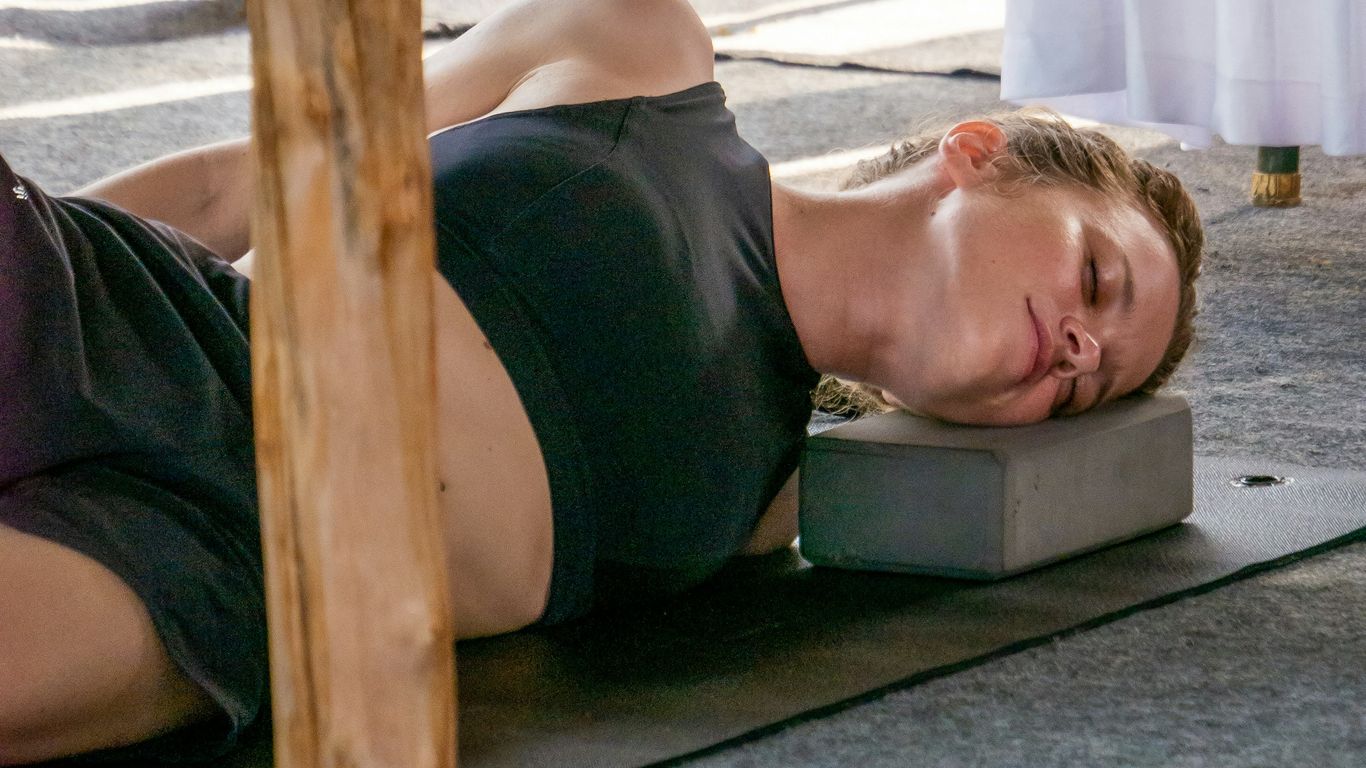
There's this idea floating around that yoga blocks are just for beginners, or maybe for people who practice a really specific style of yoga. It’s like some yogis think using a block is a sign you haven't "progressed" enough. Honestly, that couldn't be further from the truth. Yoga blocks are tools, plain and simple, designed to help everyone deepen their practice. Think of it like using a hammer for carpentry; you wouldn't say only beginners use hammers, right? It's the same with blocks. They aren't a crutch; they're an extension of your body, helping you find stability and proper form.
Debunking the Beginner-Only Myth
So, why the misconception? Maybe it's because blocks make poses more accessible, and that's often associated with starting out. But accessibility isn't just for newbies. It's for anyone who wants to practice safely and effectively. If you have tight hamstrings, a block in a forward fold lets you keep your spine long instead of rounding your back. That's not cheating; that's smart practice. It allows you to feel the stretch in the right places without straining. It’s about working with your body, not against it. Many experienced practitioners use blocks to find a better alignment or to hold a pose longer, which can actually build more strength and stamina. It’s about getting the most out of each posture, no matter your experience level. You can find great resources on how blocks help with pose accessibility.
Welcoming Props Into All Levels of Practice
Blocks can be used in so many ways that go way beyond just "making things easier." For instance, in a pose like Triangle Pose, placing a block under your hand doesn't just bring the floor closer; it helps you lengthen your spine and open your chest more fully. It allows you to press into something solid, which can create more stability and a better sense of grounding. For those looking to build strength, pressing into a block can create resistance, making your muscles work harder. It’s about finding new ways to engage your body and explore different sensations within familiar poses. Even in restorative poses, blocks can provide gentle support, making the relaxation deeper and more comfortable. They are versatile aids for all kinds of practice.
Addressing Common Hesitations
People sometimes feel embarrassed to use blocks, thinking they'll be judged. But honestly, most people in a class are probably using them too, they just might not be talking about it. Studios often have shelves full of them, and they're usually empty at the start of class because everyone grabs a couple. It’s a sign of a healthy, inclusive practice when props are readily available and used. If you're hesitant, try incorporating them into your home practice first. You might be surprised at how much they help you connect with your body and improve your poses. Remember, the goal is to feel good and move well, and blocks are a fantastic way to achieve that. They can help you support your practice in ways you might not have imagined.
Conclusion
So, yoga blocks aren't just for beginners or people who can't reach their toes. They're versatile tools that can support, challenge, and make your yoga practice more accessible, no matter your level. Think of them as helpful assistants that allow you to explore poses with more comfort and awareness. Don't shy away from them – embrace them and see how they can transform your experience on the mat. Your body will thank you for it!
Frequently Asked Questions
What exactly is a yoga block?
A yoga block is basically a sturdy support, usually shaped like a brick. It's typically made from foam or cork and is used in yoga to help you get into poses more easily, give you extra support, or even make some poses harder.
Why do people use yoga blocks if they are flexible?
Even flexible people can use blocks! They can help you find better form in a pose, add a new challenge, or provide support in relaxing poses. It's not always about needing help to reach; sometimes it's about refining your practice.
Can yoga blocks really help prevent injuries?
Yes, they absolutely can. By helping you maintain good form and avoiding the need to strain or force your body into a position it's not ready for, blocks reduce the risk of pulling a muscle or hurting your back. They help you practice safely.
Are foam blocks or cork blocks better?
It depends on what you need. Foam blocks are usually lighter and softer, making them good for general support and travel. Cork blocks are heavier and firmer, offering more stability and a bit more challenge, and they feel more solid under pressure.
Do I need two yoga blocks, or is one enough?
Most of the time, having two blocks is really helpful. It allows you to place both hands or both feet on blocks, creating balance and symmetry in your poses. Using just one can sometimes lead to awkward angles.
Are yoga blocks only for poses, or can I use them for meditation?
You can definitely use yoga blocks for meditation! Sitting on a block can help you find a more comfortable and stable seated position, allowing you to keep your spine straight and relax more easily. This makes your meditation time more peaceful.


