

Unlock Your Potential: Essential Qualities of a Great Teacher in Yoga
Becoming a truly impactful yoga teacher involves cultivating a blend of inner wisdom and outer skill. Here are some of the most important things to remember:
Key Takeaways
- Live the philosophy of yoga daily, not just on the mat.
- Stay humble and always be open to learning more.
- Connect with students through genuine presence and compassion.
- Communicate clearly, using simple and encouraging words.
- Guide students to find their own breath and inner calm.
Cultivating Depth Beyond Asana
It's easy to get caught up in the physical side of yoga, the poses and the flexibility. But a truly great yoga teacher knows that the practice goes so much deeper than just what happens on the mat. They understand that yoga is a way of life, a philosophy that can guide us through all sorts of challenges and joys.
Living Yoga Philosophy Daily
This means more than just knowing the Yamas and Niyamas. It's about embodying them. A teacher who lives yoga philosophy daily shows up with integrity, kindness, and a genuine desire to help others. They aren't just reciting ancient texts; they're applying those principles in their own life, making them relatable and real. This authenticity is what truly inspires students and reminds us that we're all on a journey, with ups and downs. It's about seeing how they incorporate the ethics and disciplines of Yoga into their everyday lives, which helps remind us that to be human is to be on a journey, and one that is full of sufferings as well as breakthroughs. This is what makes a teacher stand out.
Embracing Humility and Continuous Learning
No one knows everything, and a great teacher is humble enough to admit that. They are always students themselves, eager to learn more and refine their own practice and teaching. This doesn't mean they're constantly changing their style or chasing the latest trend. Instead, it's a quiet commitment to growth, a willingness to explore new ideas and perspectives. They understand that the path of yoga is vast, and there's always more to discover. They might attend workshops, read books, or simply reflect on their experiences to keep their knowledge fresh.
Understanding the Practice Beyond Physicality
While asana is important, it's just one piece of the puzzle. A teacher with depth understands the power of breathwork, meditation, and mindfulness. They can guide students to connect with their inner experience, not just their outer form. This might involve teaching students how to use their breath to calm their nervous system or how to find stillness in meditation. It's about helping students see yoga as a tool for self-discovery and well-being that extends far beyond the physical benefits.
The most impactful teachers are those who can weave the philosophical threads of yoga into the fabric of a physical practice, making it meaningful and transformative for everyone who walks through the door.
The Power of Authentic Connection

Being a yoga teacher is about more than just knowing poses. It's about creating a space where people feel seen and heard. When you connect with your students on a real level, the practice becomes so much more meaningful for everyone involved. It’s about building trust and making sure everyone feels welcome, no matter where they are on their yoga journey.
Creating a Safe and Supportive Space
A great yoga teacher makes their classroom feel like a sanctuary. This means being mindful of how you speak and how you set up the environment. It’s about making sure that no one feels judged or out of place. Think about it: if you're worried about what others think, how can you really focus on your own breath and body?
- Use inclusive language: Avoid terms that might exclude people. Say "everyone" instead of "ladies" or "gentlemen."
- Offer modifications: Show students how to adjust poses for their own bodies. This shows you respect their individual needs.
- Be present and attentive: Notice if someone seems uncomfortable or needs a little extra guidance. A simple nod or a quiet word can make a big difference.
The goal is to create an atmosphere where students feel comfortable exploring their practice without fear of making mistakes. It's a place for growth, not perfection.
Fostering Emotional Intelligence and Compassion
Yoga isn't just physical; it's deeply emotional. As a teacher, you have a chance to guide students through their feelings, both on and off the mat. This requires a good dose of empathy. You need to be able to read the room and respond with kindness.
- Acknowledge student experiences: Sometimes students come to class carrying a lot of stress or sadness. Acknowledge this with a gentle tone and perhaps a theme that speaks to letting go.
- Practice patience: Everyone learns at their own pace. Be patient with students who are struggling and celebrate their small victories.
- Model self-compassion: Show students it's okay to be imperfect. If you make a mistake, own it with grace.
Inspiring Students Through Presence
Your presence on the mat speaks volumes. When you are truly present, calm, and focused, it helps your students find that same state. It’s like a ripple effect. If you're distracted or rushed, that energy transfers. Authentic presence is perhaps the most powerful tool a yoga teacher has. It's not about being perfect, but about being genuinely there for your students, guiding them with a steady and calm demeanor. This kind of connection can help students feel more grounded and centered, even after they leave the studio. It's about showing up fully, ready to share the practice with genuine care.
Here's a quick look at how presence impacts a class:
| Aspect of Presence | Impact on Students |
|---|---|
| Calm Demeanor | Reduces anxiety, promotes relaxation |
| Focused Attention | Helps students feel seen and supported |
| Genuine Enthusiasm | Inspires motivation and engagement |
| Steady Breath | Encourages students to sync with their own breath |
Mastering Effective Communication
Articulating Cues with Clarity
Being able to clearly explain what you want students to do is a big deal. It’s not just about saying the pose name; it’s about guiding them into the shape with their body. Think about using simple words. Instead of saying 'engage your core,' maybe try 'draw your belly button towards your spine.' It’s about making sure everyone, from the brand new person to the seasoned yogi, can follow along. The goal is to help students feel confident in their bodies and their practice.
Here’s a quick breakdown of how to make your cues shine:
- Be Specific: Instead of 'lift your chest,' try 'lift the front of your chest towards the ceiling.'
- Use Action Verbs: Words like 'press,' 'reach,' 'ground,' and 'lengthen' paint a clearer picture.
- Offer Options: Give students ways to modify poses. 'You can keep your back knee down or lift it up' is much more helpful than just 'lower your knee.'
- Focus on Sensation: Guide students to feel what's happening in their body. 'Feel the stretch in your hamstrings' or 'notice the stability in your standing leg.'
It’s like giving directions. You wouldn't just say 'go downtown.' You'd say 'turn left at the next light, then go three blocks and it's on your right.' The more precise you are, the easier it is for people to get where they're going.
Weaving Meaningful Narratives
Classes can feel a bit dry if it's just pose after pose. Adding stories or little bits of wisdom can make the practice more engaging. It’s not about telling your life story, but finding small anecdotes or philosophical points that connect to the practice. Maybe a story about patience when holding a challenging pose, or about finding balance when you feel unsteady. These narratives help students connect with the deeper aspects of yoga, beyond just the physical movements. It’s about making the class feel like a complete experience, not just a workout. Learning how to share your unique style can really make a difference, and there are courses that can help you with The Art of Communication.
Sometimes a simple metaphor can tie everything together. Think about a tree: strong roots (foundation), a flexible trunk (moving with breath), and branches reaching out (openness). This can apply to so many poses and aspects of life.
Using Positive and Accessible Language
This is a big one. We want people to feel good when they come to yoga, not stressed out. So, avoiding words that might make someone feel bad or inadequate is key. Instead of saying 'Don't fall out of that pose,' try 'Focus on finding your balance.' Or instead of 'You're not doing that right,' try 'See if you can adjust here to feel more stability.' It’s about encouraging effort and progress, not pointing out mistakes. Think about how you'd talk to a friend you wanted to support. You'd use encouraging words, right? That's the vibe we're going for. It’s about making yoga feel welcoming to everyone, no matter their experience level. This approach helps students feel seen and supported, which is so important for their journey.
| Word Type | Example of Less Helpful Language | Example of More Helpful Language |
|---|---|---|
| Negative Command | 'Don't collapse your chest.' | 'Lift your chest forward.' |
| Judgmental | 'You're not holding it correctly.' | 'See if you can find more length here.' |
| Exclusionary | 'This is for advanced students.' | 'This is a challenging variation, feel free to try it if it feels right for you.' |
Nurturing a Passion for Yoga
A great yoga teacher doesn't just know the poses; they live and breathe the practice. This means their passion for yoga isn't confined to the studio. It's a way of life, influencing their thoughts, actions, and interactions every day. This genuine enthusiasm is contagious and inspires students to explore yoga more deeply.
Demonstrating Lifelong Learning
Yoga is a vast and ever-evolving practice. Teachers who are truly passionate about it understand that their learning journey never ends. They're always curious, always exploring new techniques, philosophies, and ways to deepen their own practice. This commitment to ongoing education shows up in their teaching, bringing fresh perspectives and a richer understanding to their students. It's about being a student yourself, even as you teach.
Here's what lifelong learning looks like for a yoga teacher:
- Attending workshops and retreats regularly.
- Reading books and articles on yoga philosophy and anatomy.
- Studying with different teachers to gain varied insights.
- Committing to a consistent personal practice.
Sharing Deep Knowledge Authentically
When teachers have a deep well of knowledge, they can share it in ways that truly connect with people. It's not about showing off how much they know, but about offering insights that are relevant and helpful to their students' lives. This authentic sharing comes from their own experiences and reflections, making the teachings relatable and practical. They don't just recite information; they weave it into the fabric of the class, connecting the physical practice to broader life lessons. This is where the real magic happens, turning a simple yoga class into a transformative experience. For those looking to refine their teaching skills, resources like lesson plan strategies can be incredibly useful.
Walking the Walk of Yoga
Ultimately, the most inspiring yoga teachers are those who embody the principles they teach. They practice what they preach, integrating yoga's ethical guidelines and mindful approach into their daily lives. This isn't about perfection, but about consistent effort and self-awareness. When students see their teacher living with integrity, compassion, and a commitment to personal growth, it provides a powerful example. It shows that yoga is more than just a physical discipline; it's a path to living a more balanced and meaningful life. Organizations like Yoga Alliance support teachers in this mission to share yoga's benefits widely.
True passion for yoga shines through when a teacher consistently applies yogic principles off the mat. It's in their patience, their kindness, and their dedication to their own growth, which in turn, guides others.
The Importance of Breath and Presence
Guiding Students to Breath Awareness
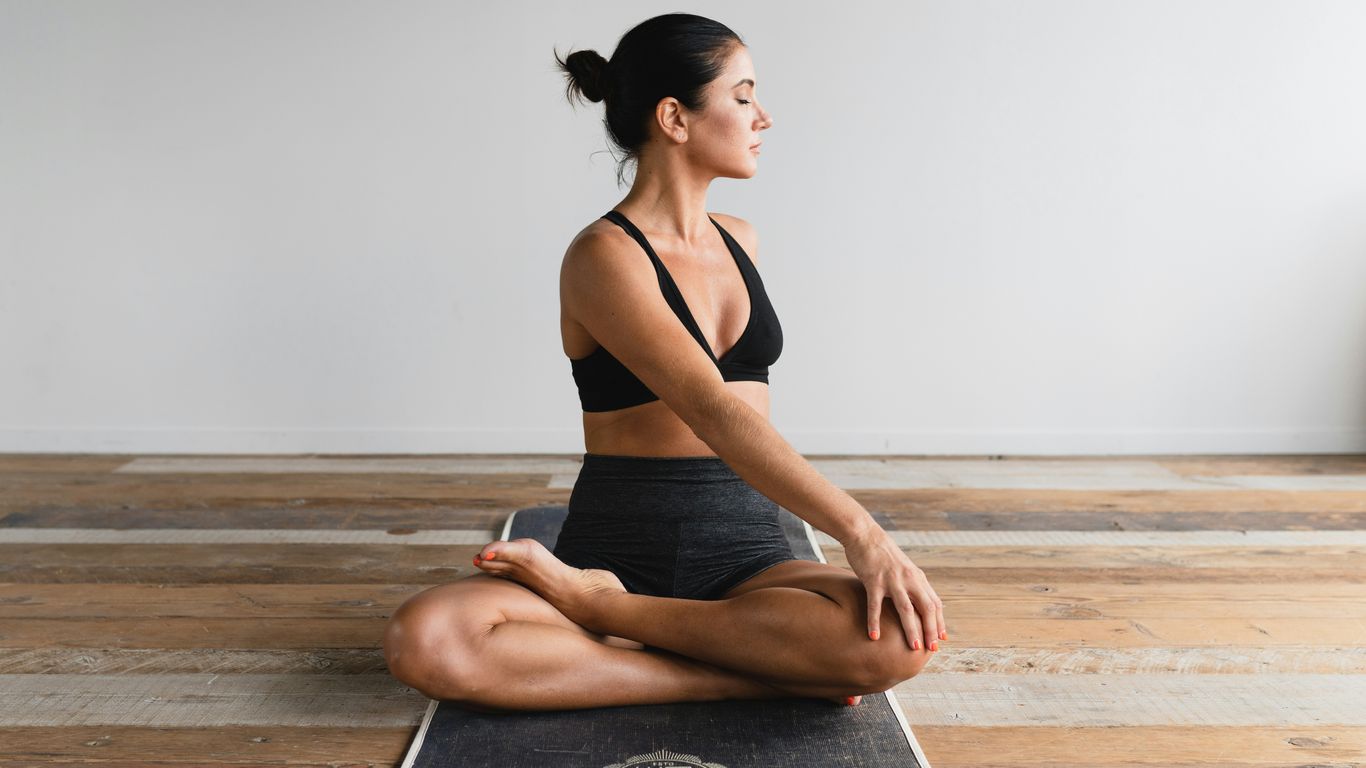
Breath is the engine of our yoga practice, and a good teacher knows how to help students tap into it. It's not just about taking a deep breath; it's about understanding how the inhale can create space and how the exhale can release tension. A teacher who can articulate this connection helps students move beyond just physical exertion. They guide students to notice the subtle shifts in their body and mind that come with conscious breathing. This awareness is the first step to self-regulation and finding a sense of calm, even when the poses get challenging. It’s about making the breath a constant companion on the mat, not just an afterthought. Learning to use your breath effectively can really change your whole yoga experience.
Cultivating Mindfulness On and Off the Mat
Mindfulness in yoga isn't confined to the hour you spend on your mat. A great teacher helps you carry that awareness into your daily life. This means paying attention to your thoughts, your reactions, and your environment without judgment. It's about being present in the small moments, like the feeling of your feet on the ground or the taste of your morning coffee. This practice helps reduce stress and brings a sense of peace that extends beyond the studio. It’s a skill that builds over time, like any other aspect of yoga.
Anchoring in the Present Moment
Life often pulls us in a million directions, with our minds jumping between past regrets and future worries. A teacher skilled in presence helps students find their anchor right here, right now. This involves focusing the gaze, steadying the mind, and connecting with the physical sensations of the body. When you're truly present, you can approach challenges with more clarity and less reactivity. It's about finding that sweet spot between effort and ease, learning to work with your body and mind rather than against them. This ability to be present is a powerful tool for growth, helping you to handle life's demands with more grace.
Here are a few ways a teacher can help you anchor in the present:
- Focusing the Gaze: Directing the eyes to a single, steady point can calm the mind.
- Body Scan: Bringing attention to different parts of the body, noticing sensations without trying to change them.
- Breath Counting: A simple technique to keep the mind from wandering too far.
Being present isn't about ignoring the past or future, but about acknowledging them without letting them hijack your current experience. It's about showing up fully for whatever is happening right now.
Building Foundational Strength and Flow
A solid yoga practice isn't just about fancy poses or how long you can hold a handstand. It's built from the ground up, starting with a strong base and moving with intention. Think of it like building a house; you wouldn't start putting up walls without a sturdy foundation, right? The same goes for your yoga journey. A great teacher helps you understand this, guiding you to connect with what's actually supporting you on the mat.
Establishing Solid Physical Foundations
This means really paying attention to how your body connects to the earth. For standing poses, it's about grounding through your feet – feeling all four corners of each foot pressing down. In poses where you're on your hands, like plank or downward-facing dog, it's about spreading your fingers wide and pressing evenly through your palms. A teacher who pays attention to these details helps you build stability that translates into confidence. They might offer specific cues like "feel the energy lift up through your legs" or "spread your shoulder blades wide" to help you find that connection. This isn't just about looking good; it's about creating a safe and effective structure for your body to move within. Learning the basics of alignment in poses is a big part of this, and a good yoga teacher training program will cover this extensively.
Encouraging Effort and Ease
Yoga is often described as finding the balance between effort and ease, and this is where a teacher's skill really shines. It's not about pushing yourself to the breaking point, nor is it about barely engaging at all. A good instructor helps you find that sweet spot where you're working hard enough to build strength and resilience, but not so hard that you lose your breath or your connection to your body. They'll encourage you to notice the subtle sensations – the slight tremble in a muscle, the warmth building in your core – and guide you to breathe into those sensations. This mindful approach helps you learn your body's limits and capabilities, fostering a sense of self-awareness that goes beyond the physical. Sometimes, this means offering modifications or suggesting a rest, and other times it means inviting you to explore a slightly deeper expression of a pose. It's about working smarter, not just harder.
Surrendering to Natural Rhythms
Once you have a stable foundation and understand how to balance effort with ease, you can begin to explore the concept of flow. This isn't just about moving quickly from one pose to the next; it's about moving with your breath, allowing each movement to be a natural extension of the one before. A teacher who guides you into this state helps you tap into a more intuitive way of moving. They might use cues that encourage you to "let the exhale guide you down" or "inhale to expand into the space you've created." This surrender to the natural rhythm of your breath and body can create a powerful sense of harmony and presence. It's in this state of flow that you can truly experience the transformative power of the practice, finding a sense of ease and grace that can carry off the mat. Incorporating elements like yoga with weights can also add a new dimension to building strength and flow.
True strength in yoga isn't just about muscular power; it's about the stability you build from the ground up, the mindful balance between effort and ease, and the ability to move with the natural rhythm of your breath. A teacher who guides you in these areas helps you build a practice that is both physically robust and deeply connected.
Conclusion
Being a great yoga teacher is about much more than just knowing poses. It's about living the practice, connecting with people authentically, and sharing your knowledge with kindness and clarity. When a teacher embodies these qualities, they don't just lead a class; they create an experience that helps students grow, find peace, and bring the benefits of yoga into their everyday lives. It's a journey of continuous learning and genuine care, making a real difference one breath at a time.
Frequently Asked Questions
What's the most important thing for a yoga teacher to know?
It's not just about knowing a lot of poses. A great teacher really lives the ideas of yoga every day. They show that they care about the practice and how it helps people, not just how good they look doing a pose.
How can a yoga teacher make students feel safe?
Teachers make students feel safe by being warm and understanding. They create a space where everyone feels welcome and respected, no matter their skill level. It's like creating a cozy room where you can just be yourself.
Why is talking clearly so important for a yoga teacher?
When a teacher explains things clearly, like how to do a pose or how to breathe, students can follow along easily. This helps them focus on their own body and mind instead of getting confused. Good instructions mean a better experience for everyone.
Should a yoga teacher always be learning?
Yes, absolutely! The best teachers are always curious and want to learn more about yoga. They share what they discover in an honest way, which makes their classes interesting and helpful. It shows they really love the practice.
How does breath play a role in yoga teaching?
Breath is super important in yoga. A good teacher helps students pay attention to their breath. This helps calm the mind and body, making the whole practice feel better and more peaceful, both during class and after.
What does it mean to build 'foundational strength' in yoga?
This means starting with the basics, like how you stand or how you use your core. When your body feels strong and stable from the ground up, you can move more easily and with more confidence. It's like building a strong base for a house.

