

Unlock Your Potential: Discover the 20 Profound Benefits of Yoga
So, I've been hearing a lot about yoga lately, and honestly, it's not just for super-flexible people or those seeking inner peace. Turns out, this ancient practice offers a whole bunch of good stuff for your body and mind. We're talking about 20 benefits of yoga that can actually make a difference in your everyday life. Whether you're looking to move better, feel calmer, or just get a handle on things, yoga might be the answer. Let's check out some of the most impactful advantages.
Key Takeaways
- Yoga helps you move more freely and with a greater range of motion.
- It can build up your strength and help you last longer during physical activities.
- Practicing yoga can make your mind sharper and help you focus better.
- Yoga is a great way to calm down and reduce feelings of stress.
- It creates a stronger link between what your mind is thinking and what your body is doing.
1. Enhanced Flexibility and Range of Motion
You know how sometimes you feel a bit stiff, like you’re creaking when you move? Yoga can really help with that. It’s not just about touching your toes, though that’s a nice bonus. The poses, or asanas, gently stretch out your muscles, tendons, and even ligaments. Over time, this makes your whole body more pliable.
Think about it: when your muscles are tight, they can pull things out of whack, making you move less smoothly and maybe even leading to aches. Yoga works to lengthen these tight spots. It’s like giving your body a good, slow stretch after a long period of being bunched up.
Here’s a little breakdown of what happens:
- Muscles get longer: Regular stretching in yoga helps muscles relax and extend. This is super important for everyday movements.
- Joints move better: The poses take your joints through their natural movements. This helps keep the fluid inside them moving, which is good for keeping them healthy and mobile as you get older.
- Less stiffness: You’ll probably notice you can bend, twist, and reach more easily. This isn't just for yoga class; it makes daily tasks feel less like a chore.
This increased suppleness means you can move more freely and efficiently, which is a big deal for everything you do.
It's a gradual process, so don't expect to be a contortionist overnight. But stick with it, and you'll feel a noticeable difference in how your body moves and feels. It’s about making your body feel more at home with itself.
2. Increased Strength and Endurance
Yoga isn't just about touching your toes; it's a serious workout that builds muscle and stamina. Many poses require you to hold your own body weight, which is a fantastic way to develop functional strength. Think about holding a Plank pose or a Warrior pose – your arms, legs, and core are all working hard. Over time, this consistent engagement leads to stronger muscles and better endurance, meaning you can keep going longer, whether you're on the yoga mat or out for a run.
It's not just about brute force, though. Yoga teaches you to engage smaller, stabilizing muscles that often get overlooked in more traditional strength training. This leads to a more balanced physique and can help prevent injuries.
Here's a look at how yoga builds strength and endurance:
- Core Engagement: Poses like Boat Pose and Plank actively work your abdominal muscles and back, building a strong core.
- Leg Strength: Standing poses such as Warrior II and Triangle Pose build power and stability in your legs and hips.
- Upper Body Tone: Poses like Chaturanga Dandasana (Four-Limbed Staff Pose) and Downward-Facing Dog strengthen your arms, shoulders, and chest.
Holding poses for extended periods builds muscular endurance. This means your muscles can work for longer without fatiguing, which is a huge plus for any physical activity. It's like training your body to go the distance.
This practice can really make a difference in how you feel during everyday activities and improve your overall physical performance. You'll find yourself less tired and more capable throughout the day.
3. Improved Mental Focus and Concentration
Ever feel like your brain is just a jumble of thoughts, bouncing around without much direction? Yoga can really help with that. It's not just about stretching your body; it's also a workout for your brain, training it to pay attention.
When you're on the mat, you're constantly asked to focus. You might be concentrating on how your breath moves in and out, or maybe you're trying to hold a tricky pose steady. This practice of bringing your attention back, again and again, builds up your ability to concentrate.
Here's how it works:
- Mindful Movement: Linking your breath with each movement helps anchor your attention to the present moment.
- Breath Awareness: Simply noticing your breath without trying to change it trains your mind to observe without judgment.
- Holding Poses: Staying in a pose requires sustained focus, teaching your brain to resist distractions.
Studies have actually shown that people who practice yoga can complete mental tasks faster and more accurately. It's like giving your brain a tune-up, making it sharper and more efficient.
This consistent practice of directing your attention, even for short periods, can lead to significant improvements in your ability to focus on tasks off the mat too. It's a skill that gets stronger the more you use it.
So, if you find yourself easily sidetracked or struggling to concentrate on work or other activities, a regular yoga practice might be just what you need to clear the mental clutter and sharpen your focus.
4. Stress Reduction and Relaxation

Life can feel like a constant whirlwind, right? Between work, family, and just trying to keep up, it's easy to feel overwhelmed. Yoga offers a really effective way to hit the pause button and find some calm.
It's not just about stretching and holding poses, though that's part of it. The real magic happens when you combine the physical movements with focused breathing and a bit of quiet reflection. This combination helps your nervous system switch gears from that 'fight or flight' mode we often get stuck in, to a more relaxed state. Think of it like gently guiding your body and mind back to a place of peace.
Here's how yoga helps you unwind:
- Deep Breathing (Pranayama): Simple breathing exercises can slow down your heart rate and signal to your body that it's okay to relax. It's like a built-in reset button.
- Mindful Movement (Asana): Moving your body with intention, paying attention to how each pose feels, pulls your focus away from worries and into the present moment.
- Meditation and Relaxation Poses: Practices like Savasana (Corpse Pose) at the end of a session are specifically designed to let go of tension and allow your body to fully rest and recover.
The consistent practice of yoga can lead to lower levels of stress hormones like cortisol. This means you're not just feeling relaxed in the moment, but you're building resilience against stress over time. It's a proactive way to manage the pressures of daily life.
So, if you're feeling frazzled, rolling out your mat might be just what you need to find a little more peace in your day. It's a gentle, yet powerful, way to manage stress and cultivate a sense of inner calm.
5. Mind-Body Connection
Yoga really gets you in tune with yourself, you know? It's not just about stretching and holding poses; it's about paying attention to what your body is telling you. When you're on the mat, you're focusing on your breath, how your muscles feel, and where your body is in space. This kind of awareness doesn't just stay on the yoga mat. It starts to spill over into your everyday life.
Think about it: you learn to notice when you're holding tension in your shoulders from a stressful day, or when you need to take a break. It's like developing a new language with your own body. You start to understand its signals better, whether it's hunger, fatigue, or the need for movement. This connection helps you make better choices for your well-being.
Here's what happens when you really connect with your mind and body through yoga:
- You become more aware of your physical sensations: Noticing subtle aches, stiffness, or areas of tightness.
- You learn to regulate your breath: Using breathwork to calm down when you feel overwhelmed or to energize yourself.
- You develop a greater sense of presence: Being more in the moment instead of constantly worrying about the past or future.
- You cultivate self-compassion: Being kinder to yourself when you can't do a pose perfectly or when you're having an off day.
This practice helps bridge the gap between how you think you should feel and how you actually feel. It's about accepting where you are right now, without judgment, and working with your body's current state.
It's pretty amazing how moving your body and focusing your mind can lead to such a profound sense of inner peace and self-understanding. You start to see yourself and your capabilities in a whole new light.
6. Enhanced Body Awareness and Alignment
Yoga really makes you pay attention to how your body is positioned. It's not just about bending and stretching; it's about understanding where your limbs are in space and how your spine is stacked. You learn to feel the subtle shifts in weight and pressure, which is super helpful.
This mindful attention to your body's placement is key to preventing injuries, both on and off the mat. When you're aware of your alignment, you're less likely to put strain on your joints or muscles during everyday activities or other workouts. It's like having a built-in coach telling you to straighten up or adjust your stance.
Here's how yoga helps you tune into your body:
- Feeling the Foundation: You become more aware of how your feet connect to the ground in standing poses, or how your sit bones rest in seated ones. This awareness helps you build a stable base.
- Spinal Awareness: Poses encourage you to notice the natural curves of your spine and how to lengthen it, rather than hunching or over-arching.
- Joint Positioning: You learn to gently stack your joints – like knees over ankles or shoulders over wrists – to distribute weight evenly and avoid stress.
Practicing yoga regularly trains your brain to send signals to your muscles more effectively. This means you can make micro-adjustments without even thinking about it, keeping your body in a more balanced and efficient position throughout the day.
Think about it: when you're lifting something heavy, knowing how to engage your core and keep your back straight comes from this kind of body awareness. Yoga cultivates that internal map, making you more in tune with your physical self.
7. Injury Prevention and Rehabilitation
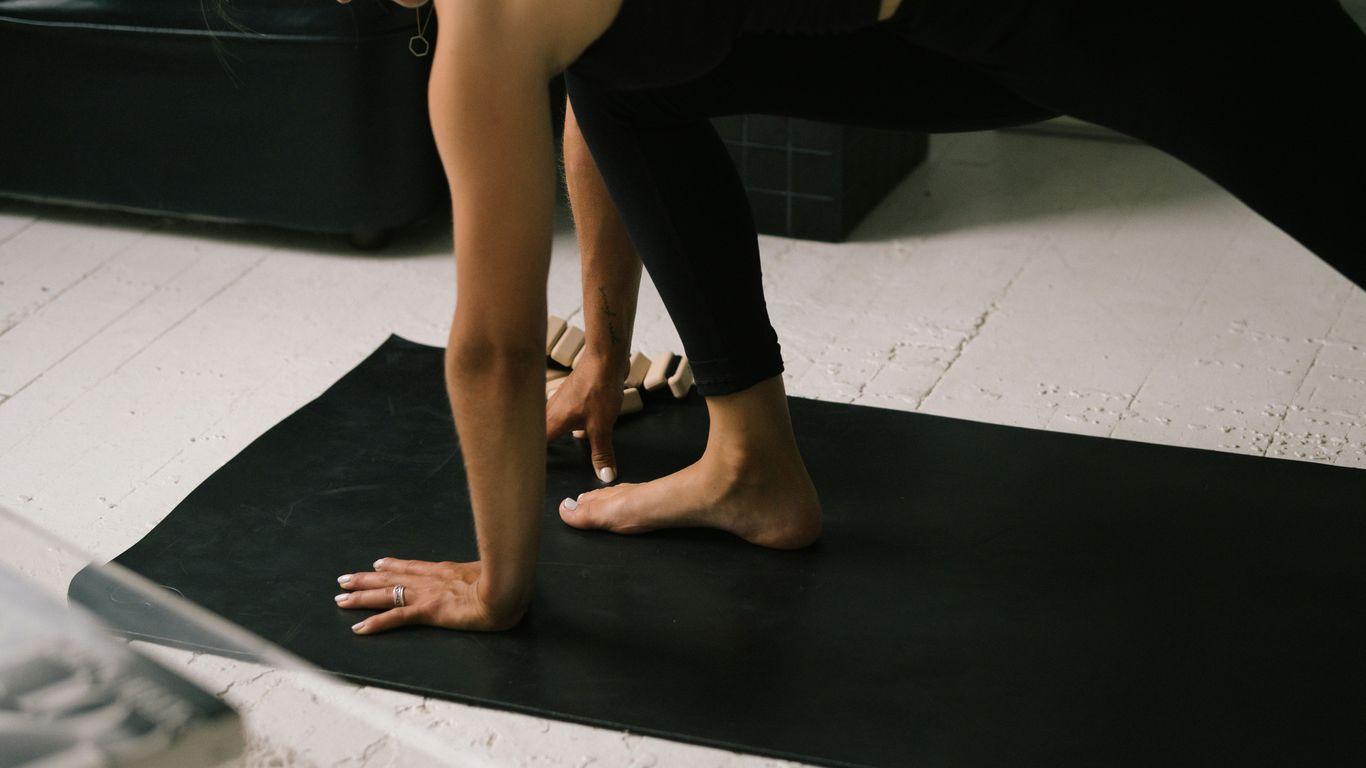
You know, sometimes you push yourself too hard, right? Whether it's hitting the gym or just daily life, we can end up with aches and pains. Yoga can actually be a pretty solid way to help avoid getting hurt in the first place, and it's also useful if you're already dealing with an injury.
It really comes down to a few things:
- Better Body Awareness: Yoga makes you pay attention to how your body is positioned. You learn to notice if you're leaning too much one way or if a certain movement feels off. This awareness helps you correct your posture and form, not just on the mat, but when you're lifting weights or even just walking around. It’s like giving your body a constant check-up.
- Strengthening the Little Guys: We often focus on the big muscles, but yoga works those smaller, stabilizing muscles that support your joints. When these muscles are stronger, your joints are more stable, and you're less likely to twist an ankle or strain a shoulder.
- Gentle Movement for Healing: If you've had an injury, jumping back into intense activity can be tough. Yoga offers a way to move your body gently, increasing blood flow and flexibility without putting too much stress on the injured area. It helps your body heal and regain its strength gradually.
Think of yoga as a way to tune up your body's mechanics. By improving how you move and strengthening all the supporting parts, you build a more resilient system that's less prone to breaking down.
It’s not about pushing through pain, but about listening to your body and working with it. This mindful approach is key to staying injury-free and recovering effectively when you do get hurt.
8. Strengthening Supporting Muscles and Preventing Imbalances
You know how some muscles get all the attention, like your biceps or quads, while others kind of get left in the dust? Yoga is really good at waking up those smaller, often overlooked muscles. Think of them as the unsung heroes of your body's support system. When these supporting muscles are strong, they help keep everything else in line, preventing those annoying imbalances that can sneak up on you.
These imbalances can happen from doing the same movements over and over, whether it's from sports, work, or even just daily life. One side of your body might get stronger, or one group of muscles might tighten up, leaving others weak. This is where yoga really shines.
- It targets deep stabilizing muscles that are often missed in regular workouts.
- It encourages symmetrical engagement, meaning you're working both sides of your body more evenly.
- It builds resilience by creating a more balanced muscular structure, making you less prone to strains and sprains.
By consistently practicing yoga, you're essentially building a more robust and balanced frame from the inside out. This not only helps prevent injuries but also improves your overall posture and how you move through the world.
Yoga helps to create a more integrated and balanced muscular system. This means that instead of relying on just a few strong muscles to do all the work, your body learns to distribute effort more effectively. This balanced approach is key to long-term physical health and performance.
9. Balance and Stability
You know, it's easy to think yoga is all about being bendy, but honestly, a huge part of it is about staying steady. Think about those poses where you're on one leg, or twisting yourself into a pretzel. They really make you work to keep your footing. It's not just about not falling over, either. It's about building up those smaller muscles that help you stay upright and in control, which is super important for everyday stuff, like not tripping when you're walking down the street.
Yoga really gets you to pay attention to where your body is in space. This awareness, called proprioception, gets a serious workout. When you're holding a pose, your brain is constantly getting signals from your muscles and joints, telling it what's going on. This helps you adjust and keep your balance without even thinking about it.
Here are a few ways yoga helps you get steadier:
- Engaging Stabilizer Muscles: Poses like Warrior III or Tree Pose force you to activate tiny muscles around your ankles, knees, and hips that you might not normally use. These are the muscles that keep you from wobbling.
- Improving Proprioception: As mentioned, your body gets better at knowing its position, which is key for quick reactions and preventing stumbles.
- Strengthening the Core: A strong core is like your body's anchor. Many yoga poses require you to engage your abs and back muscles, which provides a solid base for all your movements.
It's not just about standing on one foot. It's about developing a deep sense of control and coordination that translates into everything you do. You start to move with more confidence, whether you're hiking a trail or just carrying groceries.
This improved balance isn't just for the yoga mat, either. It can make a big difference for older adults, helping to prevent falls. It's a practice that builds a strong foundation for physical confidence.
10. Pain Reliever
It's pretty common to deal with aches and pains, especially as we get older or if we have jobs that involve a lot of sitting or physical labor. Turns out, yoga can be a really helpful tool for managing discomfort.
Many people find relief from chronic pain through regular practice. For instance, studies have looked at how yoga affects people with neck pain, and the results showed a significant drop in how much pain they reported. It's not just about numbing the pain, though; yoga works on multiple levels.
Here's how it helps:
- Gentle Movement: Yoga poses move your joints through their natural range of motion. This keeps them lubricated and can prevent stiffness that leads to pain.
- Muscle Strengthening: Stronger muscles, especially around areas like the back and hips, provide better support for your body, reducing strain and pain.
- Stress Reduction: When you're stressed, your body tenses up, which can make pain feel worse. Yoga's focus on breathing and relaxation helps calm your nervous system, easing that tension.
Yoga can be a powerful ally in your journey to a more comfortable life. It's not a magic cure, but the consistent practice of poses and mindful breathing can make a real difference in how you feel day-to-day. If you're dealing with persistent discomfort, exploring yoga might be a good step towards finding some relief and improving your overall mobility mobility and reduce the need for other forms of assistance.
Many find that the combination of physical movement, breathwork, and mental focus helps to interrupt pain cycles. It's about retraining your body and mind to respond differently to discomfort.
11. Keep Your Heart Healthy
Heart disease is a big deal, right? It's the leading cause of death for so many people. Things like high blood pressure, cholesterol, and just not moving enough all play a part in it. Turns out, yoga might actually help with these things. Lots of studies are showing that yoga and meditation can make a difference in the major risk factors for heart problems.
Some research even looked at people with a heart rhythm disorder called atrial fibrillation. After doing yoga twice a week, these folks had fewer episodes. It’s pretty neat how a practice like yoga can have such a positive effect on something as important as your heart.
Yoga helps by encouraging a state of relaxation, which can lower your heart rate and blood pressure. The physical movements also improve circulation throughout your body.
Here's how yoga can support your cardiovascular system:
- Reduces Stress Hormones: Chronic stress puts a strain on your heart. Yoga's calming effect helps lower cortisol levels.
- Improves Blood Circulation: Poses and breathing techniques help blood flow more freely, reducing the workload on your heart.
- Lowers Blood Pressure: Regular practice has been shown to help bring high blood pressure down to healthier levels.
- Manages Cholesterol Levels: While not a direct cure, the lifestyle changes associated with yoga can contribute to better cholesterol profiles.
12. Joint Support
Think about your joints – your knees, hips, shoulders, even your ankles. They need to move, right? Yoga helps with that by gently guiding these joints through their natural range of motion. It’s like giving them a little oil change.
This movement helps keep the joint fluid flowing, which is pretty important for keeping things moving smoothly as you get older. It’s not about forcing anything; it’s about encouraging healthy movement.
- Lubricates joints: The gentle poses help synovial fluid circulate, keeping cartilage healthy.
- Increases range of motion: Slowly extending and flexing helps joints move more freely.
- Strengthens supporting structures: Ligaments and tendons around the joints get a workout too, adding stability.
It’s easy to forget about our joints until they start to ache. Yoga offers a way to proactively care for them, making everyday activities feel easier and helping to prevent stiffness down the road. It’s a simple, yet effective, way to maintain mobility.
13. Watch Your Back
So, your back has been giving you grief? You're not alone. Many of us deal with back pain at some point, and it's easy to feel stuck. But here's the thing: yoga can actually be a real game-changer for your spine. It's not about doing crazy contortions; it's about gentle movement and building strength where you need it.
Think about it. Our spines are designed to move, but a lot of us spend hours hunched over desks or staring at phones. This can lead to tight muscles and a stiff back. Yoga poses, or asanas, work by moving your spine through its natural range of motion. This helps to keep the discs between your vertebrae healthy and nourished. Some research even suggests that the movements in yoga can help nutrients get into those discs, which normally don't have their own blood supply. Pretty neat, right?
Here are a few ways yoga helps your back:
- Strengthens Core Muscles: A strong core acts like a natural corset for your spine, providing support and stability. Poses like Plank and Boat Pose really work these deep abdominal muscles.
- Improves Posture: By opening up the chest and strengthening the upper back, yoga helps counteract the slouching that often leads to back pain.
- Increases Flexibility: Gentle stretching in poses like Cat-Cow and Downward-Facing Dog can release tension in the back and hips, which often contribute to discomfort.
It's not just about the big, fancy poses. Even simple movements done with awareness can make a huge difference. The key is consistency and listening to your body. If something feels wrong, back off. There's always a modification that works.
Yoga helps keep your spine healthy by strengthening the muscles that support it and improving its flexibility. It's a way to actively care for your back, rather than just hoping the pain goes away.
14. Emotional Rescue
Feeling a bit down or overwhelmed? Yoga might just be the thing you need. It's not just about stretching your body; it's also about calming your mind. Studies are showing that practicing yoga can actually change the chemistry in your brain for the better.
One of the key players is a brain chemical called GABA. When you do yoga, especially certain types like Iyengar Yoga, your levels of GABA can go up. This chemical is linked to feeling good and generally more relaxed. Think of it as a natural mood booster.
Here's what can happen:
- Anxiety levels tend to drop.
- Feelings of well-being increase.
- You might find it easier to cope with daily stresses.
It's like giving your emotional state a gentle reset. The focus required for the poses and the breathwork helps pull you out of negative thought loops. Instead of dwelling on worries, you're present with your body and breath.
The practice offers a structured way to process difficult emotions. By moving through poses and focusing on your breath, you create space to observe your feelings without getting swept away by them. This mindful engagement can lead to a greater sense of emotional balance over time.
So, if you're looking for a way to feel more emotionally stable and generally happier, giving yoga a try could be a really good step. It's a practice that supports both your physical and mental health, offering a path to feeling more centered and resilient.
15. News Flash
It's pretty cool how yoga is showing up in places you might not expect, like hospitals and research labs. Doctors and scientists are actually looking into how this practice can help with all sorts of health issues.
For instance, some studies are exploring how yoga might help people manage conditions like type 2 diabetes. Early research suggests that practicing yoga regularly could lead to better blood sugar levels and lower blood pressure. It's not a magic cure, of course, but it's promising to see these physical benefits being recognized.
Another area getting attention is menopause. Many women find yoga helps with symptoms like hot flashes and sleep problems. There's evidence pointing to yoga's positive impact on mood and anxiety too, which can be a big deal during this life stage.
The medical world is starting to see yoga not just as exercise, but as a tool for well-being. Therapists are even using gentle poses and breathing techniques with patients in medical settings. It's a sign that yoga's benefits are being taken seriously beyond the yoga studio.
Here's a quick look at some of the findings:
- Diabetes Risk Factors: Studies show potential for reducing weight and blood pressure in adults at risk for type 2 diabetes.
- Menopause Symptoms: Yoga practice has been linked to improvements in psychological symptoms like anxiety and insomnia.
- Mental Health: Research indicates yoga can positively affect brain chemicals associated with mood and well-being.
It's exciting to see yoga getting this kind of attention. It means more people might have access to its benefits, and it validates what many practitioners have felt for years – that yoga truly makes a difference.
16. Power Source
Yoga isn't just about stretching and breathing; it's a serious energy booster. Think of it like recharging your internal battery. When you move through the poses, you're not just working your muscles, you're also getting your blood flowing and waking up your whole system. This can leave you feeling more alert and ready to tackle whatever the day throws at you, without that jittery feeling you might get from too much coffee.
Here's how yoga acts as your personal power source:
- Improved Circulation: Poses get your blood moving, delivering oxygen and nutrients to your cells. This helps fight fatigue.
- Better Sleep: Regular practice can lead to more restful sleep, which is key for energy levels.
- Reduced Mental Clutter: By calming your mind, yoga frees up mental energy that was being used for worrying or overthinking.
- Increased Stamina: Over time, your body becomes more efficient, allowing you to do more with less effort.
It's amazing how a good yoga session can make you feel more alive and capable.
You might think that expending energy in a yoga class would leave you drained, but it's quite the opposite. The practice is designed to revitalize you. It's about finding a balance between effort and ease, so you leave feeling refreshed, not depleted. This sustained energy is a big reason why people stick with yoga long-term.
17. Physical Transformation
You know, sometimes you start something thinking it's just for your mind, and then BAM! Your body starts changing in ways you didn't even expect. That's kind of how yoga can be. It's not just about touching your toes or holding a pose; it's about what happens inside that starts showing on the outside.
Yoga can genuinely reshape your physical self, making you stronger, more toned, and even helping you manage your weight. It's not about drastic diets or grueling gym sessions, but a consistent, mindful practice that builds lean muscle and improves your metabolism. Think of it as sculpting your body from the inside out.
Here's a peek at how it works:
- Muscle Toning: Many yoga poses, like Plank, Warrior poses, and Chaturanga, are essentially bodyweight exercises. Holding these positions engages and strengthens muscles you might not even know you have, leading to a more defined physique over time.
- Metabolic Boost: Building muscle through yoga increases your resting metabolic rate. This means your body burns more calories even when you're just sitting around. Plus, the stress reduction aspect can help regulate hormones that influence appetite and fat storage.
- Improved Posture: As you become more aware of your body's alignment in yoga, you naturally start to carry yourself better throughout the day. Standing taller and sitting straighter not only makes you look more confident but also helps your body function more efficiently.
It's easy to get caught up in the idea that physical change has to be painful or involve a lot of sweat. But yoga shows us a different path. It's about listening to your body, moving with intention, and allowing the practice to work its magic gradually. The results are often subtle at first, but they add up to a significant and lasting transformation.
18. Mental Resilience
Life throws curveballs, right? Sometimes it feels like you're just trying to keep your head above water. Yoga can actually help you build up your ability to handle those tough times. It's not about pretending problems don't exist; it's about developing a stronger inner core so you can face challenges without getting completely knocked over.
Think about it: when you're holding a difficult pose, you're learning to breathe through discomfort. You're learning to stay present even when your muscles are shaking. This translates directly to how you handle stress off the mat. You start to notice that you can manage difficult situations with a bit more calm.
- Learning to observe your thoughts without getting carried away.
- Developing patience with yourself and the process.
- Finding a sense of inner steadiness, even when things are chaotic.
Studies have shown that regular yoga practice can actually change how your brain works, making you less reactive. It's like building up a buffer against stress. This practice gives you tools to cope better, which is a huge deal when you're dealing with everyday pressures or bigger life events. It's a way to train your mind to be more adaptable and less easily shaken. You can find resources on how yoga impacts mental health and well-being.
19. A Holistic Journey
Yoga isn't just about bending your body into different shapes or holding a pose for a long time. It's really about looking at yourself as a whole person – mind, body, and spirit all working together. Think of it like a really well-built machine where every part has to function properly for the whole thing to run smoothly. When you practice yoga, you're not just working on your muscles; you're also paying attention to how you breathe, how you feel emotionally, and how you connect with the world around you.
This approach means that the benefits you get from yoga don't just stay on the mat. They spill over into your everyday life. You might find yourself feeling calmer when things get hectic, or maybe you'll notice you're better at handling difficult situations without getting completely overwhelmed. It's like building up a kind of inner strength that helps you deal with whatever life throws your way.
Here’s a look at how yoga connects these different parts of you:
- Physical Well-being: This is the most obvious part – getting stronger, more flexible, and improving your balance. It’s about taking care of the body you live in.
- Mental Clarity: Yoga helps quiet the constant chatter in your head. You learn to focus better and feel more present, which can make a big difference in how you approach tasks and problems.
- Emotional Balance: By becoming more aware of your feelings and learning to manage your reactions, yoga can help you feel more stable and less swayed by ups and downs.
- Spiritual Connection: For many, yoga offers a way to connect with something larger than themselves, finding a sense of purpose and inner peace.
The practice encourages you to be present, to observe without judgment, and to accept yourself as you are in each moment. This self-acceptance is a powerful foundation for growth and well-being.
It's this all-encompassing nature of yoga that makes it so powerful. It's not a quick fix, but a way of living that supports you in becoming a more balanced, resilient, and aware individual. It’s a journey that continues to unfold, offering new insights and growth with every practice.
20. Embrace Your Yoga Journey and more
So, we've reached the end of our yoga exploration. It's been quite a ride, hasn't it? We've looked at all sorts of poses and talked about how they can change your body and mind. But here's the thing: yoga isn't just about mastering a tricky pose or getting super flexible. It's really a path, a way of living.
Think of it like this:
- Every practice is a new beginning. Don't worry if you can't do something today that you could do yesterday. Your body is always changing, and that's okay.
- Listen to what your body is telling you. It knows best. If something feels off, ease up. There's no shame in modifying a pose or taking a break.
- Be patient with yourself. Real change takes time. You won't become a yoga master overnight, and that's perfectly fine. Enjoy the process of learning and growing.
The real magic of yoga happens when you start to notice the small shifts – a little more calm during a busy day, a bit more ease in your movements, a clearer head. These aren't just random occurrences; they're the fruits of your consistent effort on the mat, rippling out into your everyday life. It's about building a connection with yourself that's steady and true.
Don't feel like you have to do it all. Pick what works for you. Maybe you love the strength-building poses, or perhaps you prefer the calming, restorative ones. Whatever it is, keep showing up. Your yoga journey is yours alone, and it's full of possibilities. Keep breathing, keep moving, and keep discovering what yoga can do for you. It's a lifelong adventure, and you've got this.
Keep Practicing, Keep Growing
So, we've gone through a whole bunch of ways yoga can really make a difference, from making your body feel better to helping your mind chill out. It’s not just about touching your toes or holding a fancy pose; it’s about finding a bit more peace, getting stronger, and just generally feeling more connected to yourself. Think of it as a tool you can use every day to handle whatever life throws your way. Don't worry if you're not perfect at it right away. The real magic happens when you just keep showing up on your mat, even for a few minutes. You've got this.
Frequently Asked Questions
What are the main physical benefits of yoga?
Yoga helps you become more flexible, meaning your muscles can stretch further without hurting. It also builds strength and helps your body last longer during activities. Plus, it makes you better at balancing and keeps your joints healthy.
How does yoga improve mental health?
Yoga helps calm your mind, making it easier to focus and concentrate. It's also great for reducing stress and feeling more relaxed. Many people find it helps them feel happier and less anxious.
Can yoga help prevent injuries?
Yes, by making your body more aware of how it's positioned and strengthening the smaller muscles that support your joints, yoga can help prevent injuries. It also helps fix muscle imbalances that can lead to problems.
Is yoga good for heart health?
Studies show that yoga can help lower blood pressure and cholesterol, which are key factors in heart disease. Practicing yoga regularly might help keep your heart strong and reduce the risk of heart problems.
How does yoga help with back pain?
Yoga poses can strengthen the muscles that support your spine and help keep your spinal discs healthy by allowing them to get nutrients. This can lead to less back pain and better posture.
Is yoga suitable for everyone?
Yoga offers many different styles and poses, so most people can find a type of yoga that works for them. It’s a good idea to start with a beginner class or a qualified instructor who can help you learn safely.

