
Unlock Your Best Practice: Essential Tips of Yoga for Every Level
Yoga can seem a bit much when you're just starting out. All those poses and the talk about breathing can feel complicated. But really, yoga is for everyone, no matter your fitness level. It's less about how flexible you are now and more about becoming more flexible, both in your body and in how you handle life. This guide offers some simple tips of yoga to help you get started and keep going, making your practice a positive part of your routine.
Key Takeaways
- Focus on your breath; it's a key part of yoga that helps you stay centered and calm during practice.
- Being consistent with your yoga, even short sessions regularly, is more effective for improvement than infrequent long ones.
- Learn from those who have been practicing yoga for a while by observing their form and asking questions.
- Mix up your yoga routine with different poses and styles to keep your body and mind engaged.
- Don't get discouraged by plateaus; try new poses, work on your weaker areas, and be patient with your progress.
Mastering The Fundamentals Of Yoga
Getting started with yoga can feel like learning a new language, but focusing on the basics makes it way more approachable. It's not about nailing every fancy pose right away. Think of it as building a strong foundation. This means paying attention to a few key things that really make a difference in how you feel on and off the mat.
Understanding The Importance Of Breath In Yoga
Breath is seriously the heart of yoga. It's called 'Pranayama,' which basically means controlling your life force. It's not just about breathing in and out; it's about using your breath to guide your movements and calm your mind. When you focus on your breath, you stay present. It helps you get more oxygen, which means your muscles work better and you can hold poses longer. Plus, it's a super effective way to chill out and shake off stress. So, next time you're on your mat, really tune into your breath. It's your most powerful tool.
The Role Of Consistency In Improving Yoga Skills
Want to get better at yoga? The secret sauce is showing up regularly. It's way more effective to practice for 15 minutes every day than to do a two-hour session once a week. This consistent effort helps your body get used to the poses and builds strength and flexibility gradually. Your mind also starts to get the hang of it, becoming more focused and calm. Think of it like learning to ride a bike; the more you practice, the steadier you become. Small, regular efforts add up big time.
Learning From Advanced Practitioners
Watching people who have been doing yoga for a while can be really inspiring. They often move with a grace and ease that seems almost magical. But it's not just about copying their moves. Pay attention to how they breathe and how they seem so steady in their poses. Ask them questions! Most experienced yogis are happy to share what they know. They can offer tips that are specific to what you're working on. Remember, the goal isn't to be exactly like them, but to understand the principles they use and apply them to your own practice at your own speed. It’s about learning the 'why' behind their movements.
Yoga is a practice, not a performance. Focus on your own journey and celebrate the small wins along the way. Progress looks different for everyone, and that's perfectly okay.
Deepening Your Yoga Practice
So, you've got the basics down. You know your downward dog from your warrior pose, and you're showing up on your mat pretty regularly. That's awesome! But what's next? How do you move from just doing yoga to really living it, making it a part of who you are? It's about taking things a step further, making your practice richer and more meaningful.
Integrating Mindfulness And Meditation
Yoga isn't just about stretching your body; it's also about calming your mind. That's where mindfulness and meditation come in. Think of mindfulness as paying attention to what's happening right now, without judging it. During your yoga poses, really feel the stretch, notice your breath, and just be present. Meditation is like a more focused version of that. It's about sitting quietly, focusing on your breath, and letting thoughts drift by like clouds.
- Start small: Even five minutes of quiet breathing before or after your yoga session can make a difference.
- Focus on your breath: It's your anchor to the present moment.
- Don't worry about 'clearing' your mind: It's okay if thoughts pop up. Just gently bring your attention back to your breath.
Integrating these practices can help reduce stress, improve focus, and bring a sense of calm that extends beyond your yoga mat. It's like giving your brain a gentle workout.
Setting Personal Yoga Goals
Having goals can give your practice direction. It's not about competing with anyone else; it's about your own journey. What do you want to achieve? Maybe you want to hold a certain pose for longer, improve your balance, or simply feel more relaxed after each session. Setting achievable goals keeps you motivated and helps you see your progress.
Here are a few ideas:
- Flexibility Goal: Aim to touch your toes in a forward fold within the next month.
- Strength Goal: Hold a plank pose for 30 seconds longer than you can now.
- Mindfulness Goal: Practice mindful breathing for 5 minutes every day before your yoga session.
Incorporating Variety Into Your Yoga Practice
Doing the same sequence of poses every single day can get a bit stale, right? Plus, your body gets used to it. Mixing things up challenges your muscles in new ways and keeps your mind engaged. It prevents your practice from becoming monotonous.
- Try different styles: If you usually do Hatha, maybe try a Vinyasa class for a more flowing experience, or Yin yoga for deep, long holds.
- Explore new poses: Look up poses you've never tried before and see how they feel.
- Change your environment: If possible, take your practice outdoors on a nice day. A change of scenery can be surprisingly refreshing.
Overcoming Challenges On Your Yoga Path

It's totally normal to hit some bumps in the road with your yoga practice. You might feel like you're not getting any better, or maybe your body just isn't cooperating one day. That's okay! It happens to pretty much everyone who steps onto a mat.
Overcoming Plateaus In Your Yoga Journey
Ever feel like you're stuck in a rut, doing the same poses without feeling any progress? That's a plateau, and it's a common hurdle. The trick is to gently shake things up. Maybe try a new style of yoga for a bit, or focus on a part of your body that feels weaker. Sometimes, just holding a pose for a few extra breaths can make a difference. It's not about forcing yourself, but about finding new ways to engage with your practice.
- Introduce new poses: Step outside your usual sequence. Even small additions can wake up different muscles.
- Work on weak areas: If balance is tough, dedicate time to poses that challenge it. Strengthening these spots can open up new possibilities.
- Attend a workshop: Learning from a different teacher can offer fresh perspectives and techniques you hadn't considered.
Progress in yoga isn't always a straight line upwards. Sometimes, it's about subtle shifts, a deeper breath, or a moment of stillness you didn't have before. Be patient with yourself.
Listen To Your Body's Signals
Your body is constantly communicating with you. Yoga teaches us to tune into these signals. If something feels sharp or painful, it's your body's way of saying, 'Whoa, slow down!' Pushing through pain isn't a sign of strength; it's a recipe for injury. Instead, modify the pose, take a break, or skip it altogether for the day. Respecting your body's limits is a sign of a mature and mindful practice.
Patience And Gradual Progression
Yoga is a marathon, not a sprint. Trying to rush into advanced poses before your body is ready can be counterproductive. Focus on building a solid foundation with the basics. Mastering steady and comfortable poses is the true mark of progress. Celebrate the small wins – holding a pose a little longer, feeling a stretch more deeply, or simply showing up consistently. Each small step forward adds up over time, leading to significant growth without the risk of burnout or injury.
Embracing The Holistic Yoga Lifestyle
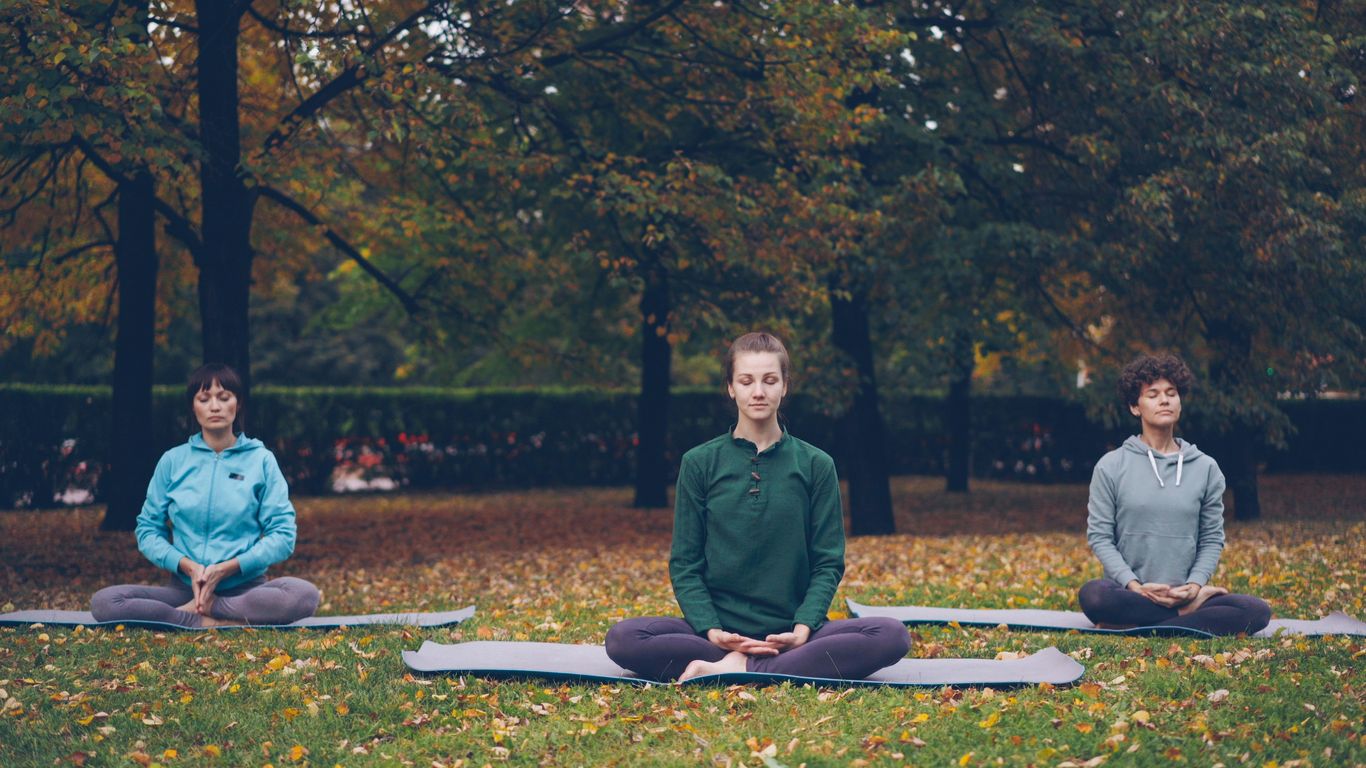
Yoga Beyond The Mat: A Way Of Life
Yoga isn't just about what you do on your mat for an hour a day. It's really more about how you live your life when you step off it. Think about it – the calm you find in Savasana, the focus you build in a challenging pose, the connection you feel to your breath. These aren't just things that happen in a studio; they're tools you can use everywhere. It means paying a bit more attention to what you eat, maybe choosing foods that make you feel good from the inside out. It's also about how you handle the daily grind, like traffic jams or work stress. Instead of getting worked up, can you take a breath and respond differently? That's yoga off the mat.
Cultivating Inner Peace Through Practice
Finding that quiet space inside yourself isn't always easy, especially with everything going on. But yoga offers a way to get there. It's not about forcing yourself to be peaceful, but more about creating the conditions for peace to show up. Regular practice helps quiet the mental chatter. When you're focused on your body and breath, there's less room for worries to take over. It's like clearing out a cluttered room so you can actually relax in it.
Here are a few simple ways to bring more peace into your day:
- Mindful Moments: Take 60 seconds a few times a day to just focus on your breath. No need to change anything, just notice it.
- Gratitude Check-in: Before bed, think of three small things you're thankful for. It shifts your perspective.
- Gentle Movement: Even a short walk or some simple stretches can help release tension and calm your nervous system.
The goal isn't to eliminate all challenges, but to develop a stronger inner core that can handle them with more grace. This inner strength comes from consistent, gentle effort, not from grand gestures.
The Connection Between Mind, Body, And Spirit
It's easy to think of yoga as just a physical workout, but it's so much more. The mind, body, and spirit are all linked together, and yoga works on all of them. When you move your body in a certain way, it affects how you think and feel. Likewise, when you calm your mind, your body often relaxes. And that feeling of connection, that sense of something bigger than yourself? That's the spirit part. It's about recognizing that you're not just a collection of parts, but a whole being. This awareness can change how you see yourself and the world around you.
| Aspect | How Yoga Connects It |
|---|---|
| Mind | Improves focus, reduces stress, promotes emotional balance |
| Body | Increases flexibility, strength, and body awareness |
| Spirit | Cultivates a sense of connection, purpose, and well-being |
This interconnectedness is what makes yoga a truly complete practice, touching every part of who you are.
Elevating Your Asana Technique
Getting your body into the right shape during yoga poses, or asanas, is more than just looking good. It's about making sure you're doing it safely and getting the most out of each movement. Think of it like building something sturdy – you need a good foundation.
Focusing On Proper Alignment
Alignment is basically how you position your body parts in a pose. When you get it right, you protect your joints and muscles from strain. It also helps you feel the pose more deeply, so you're actually working the right areas. It's not about forcing yourself into a shape, but finding a natural, stable way to be in it.
Here are some things to keep in mind for good alignment:
- Feet: Make sure your weight is spread evenly across your feet. For standing poses, your feet should generally be hip-width apart or closer, depending on the pose.
- Spine: Try to lengthen your spine, creating space between your vertebrae. Avoid hunching or over-arching.
- Joints: Keep your joints, like knees and elbows, in line with your body. For example, in a lunge, your front knee should be directly over your ankle.
The Steady And Comfortable Pose
This is a big one in yoga philosophy. The idea is that a pose should feel both stable and easy. It's not about pushing yourself to the point of pain or shaking uncontrollably. If a pose feels like a struggle, you're probably doing too much. The goal is to find a balance where you feel grounded and can breathe freely.
True mastery in a yoga pose isn't about how extreme your body can bend or stretch. It's about finding a place of calm and ease within the shape, no matter what it looks like. It's about being present with your body's current ability without judgment.
Graceful Transitions Between Poses
Moving from one pose to the next is just as important as holding the poses themselves. Rushing through transitions can lead to injury and disconnects you from your practice. Instead, try to move with intention, using your breath to guide you. Think of it as a flowing dance rather than a series of disconnected movements.
- Use your breath: Inhale as you lengthen or open, exhale as you fold or contract. This helps make the movement smooth.
- Slow down: Don't just jump from one pose to another. Take a moment to feel the transition.
- Mindfulness: Pay attention to how your body feels as you move. Are you holding tension? Can you soften anywhere?
Keep Practicing, Keep Growing
So, that's pretty much it. Yoga is a journey, not some race to the finish line. Whether you're just figuring out how to stand on your own two feet or you've been doing this for ages, there's always something new to learn. The main thing is to just keep showing up on your mat, you know? Listen to your body – it's pretty smart and will tell you when you're pushing too hard. And don't be afraid to switch things up. Trying different styles can really wake up your body and keep things interesting. Remember, it's your practice, your path. Enjoy the ride.
Frequently Asked Questions
What's the most important thing to remember when starting yoga?
The most important thing is to focus on your breath. It's like the engine of your yoga practice. Breathing deeply and steadily helps you stay calm, focused, and can even make your body feel stronger. Don't forget to breathe!
How often should I practice yoga to see results?
Think of it like watering a plant. A little bit every day is better than a flood once in a while. Practicing regularly, even for short periods, helps your body and mind get used to yoga. This consistency is what really makes you stronger, more flexible, and calmer over time.
What if I can't do a pose perfectly?
That's totally normal! Yoga is not about being perfect. It's about doing what feels right for *your* body. It's okay to modify poses or rest when you need to. The goal is to feel good and safe, not to look like a picture in a book. Listen to your body!
How can I make my yoga practice more interesting?
Try mixing things up! You can explore different types of yoga, like Vinyasa for a faster pace or Yin for deep stretching. Even changing where you practice, like going outside if the weather is nice, can make a big difference. Variety keeps your body and mind excited.
What is 'mindfulness' in yoga?
Mindfulness means paying attention to what's happening right now, without judging it. In yoga, it's about noticing your breath, how your body feels in a pose, and calming your thoughts. It's like giving your brain a little break and focusing on the present moment.
Is yoga just about physical poses?
Not at all! While poses (asanas) are a big part, yoga is also about your breath, how you think, and how you live your life. It's about finding peace inside, being kind to yourself and others, and connecting your mind, body, and spirit. It's a whole way of living.

