

Unlock Serenity: How Yoga and Stress Relief Techniques Can Transform Your Well-being
Life can feel like a constant juggling act, right? Between work, family, and just trying to keep up, stress seems to be an unwelcome guest that overstays its welcome. But what if there was a way to find some calm in the storm? That's where yoga comes in. It's more than just stretching; it's a practice that can genuinely help you manage stress and feel better overall. We're going to explore how yoga and stress relief techniques can make a real difference in your day-to-day life.
Key Takeaways
- Yoga helps reduce stress hormones like cortisol, leading to a calmer mind and body.
- Adopting a beginner's mindset is key to starting yoga; flexibility isn't a requirement.
- Breathing exercises (Pranayama) are powerful tools for managing emotions and promoting relaxation.
- Integrating short, consistent yoga sessions into your daily routine offers significant stress relief benefits.
- Regular yoga practice enhances emotional well-being, mental clarity, and a state of restful alertness.
Understanding Yoga's Role in Stress Relief
Life throws a lot at us, doesn't it? Between work, family, and just trying to keep up, stress can feel like a constant companion. It's no wonder so many people are looking for ways to find a little peace. Yoga has become a really popular option, and for good reason. It's not just about bending into fancy poses; it's a whole system that can genuinely help calm your mind and body.
The Connection Between Yoga and Stress Relief
So, how exactly does rolling out a mat help with stress? It's a mix of things. When you practice yoga, you're doing a few key activities all at once: moving your body, focusing on your breath, and often, quieting your mind. This combination works on your body's stress response system. Think of it like this: when you're stressed, your body goes into fight-or-flight mode. Yoga helps switch that off and turn on the opposite – the rest-and-digest mode. This shift can lower your heart rate, ease muscle tension, and generally make you feel more relaxed.
How Yoga Counters Stress Hormones
When we're stressed, our bodies release hormones like cortisol. While a little cortisol is fine, too much over time can cause problems. Yoga practice has been shown to help bring these levels down. By focusing on deep, controlled breathing (that's pranayama!) and holding gentle poses, you're sending signals to your brain to calm down. This doesn't just make you feel better in the moment; regular practice can actually change how your body responds to stress over time, making you a bit more resilient.
Yogic Philosophy on Mind-Body Connection for Stress
At its heart, yoga is built on the idea that your mind and body are not separate things. They're connected, and what affects one affects the other. When you're physically tense from stress, your mind often feels tense too, right? Yoga works on both ends. The physical poses help release that stored tension in your muscles. At the same time, focusing on your breath and being present in the pose helps to calm the mental chatter. This integrated approach means you're not just treating a symptom; you're addressing the root of how stress impacts you as a whole person.
- Physical Release: Asanas (poses) help loosen tight muscles and improve circulation.
- Mental Calm: Breathwork and mindfulness quiet the racing thoughts.
- Emotional Balance: Regular practice can lead to a greater sense of inner peace.
The practice of yoga encourages a mindful awareness of the present moment. This focus helps to detach from worries about the past or future, which are common sources of stress. By anchoring yourself in the here and now, you can find a sense of stability even when external circumstances feel chaotic.
Embracing Yoga for a Calmer Mind
Starting yoga can feel like stepping into a whole new world, and honestly, it's okay if it feels a little intimidating at first. Think of your yoga mat as a personal space, a place to just be with yourself, not a stage for comparison. The most important thing is showing up with an open mind, ready to see what unfolds.
Approaching Yoga with a Beginner's Mindset
So, you're thinking about trying yoga? That's awesome! It's easy to get caught up in what you think yoga should look like, maybe from seeing pictures or videos. But really, it's about your own experience. The goal isn't to twist yourself into a pretzel, but to connect with your body and breath. Don't worry about being perfect; just focus on moving and breathing. Every single person who practices yoga started exactly where you are now – a beginner. Be patient with yourself, and celebrate the small victories, like holding a pose a little longer or noticing a moment of calm.
Dispelling Common Yoga Myths
Let's clear up some common ideas that might be holding people back. You absolutely do not need to be super flexible to start yoga. Seriously. Flexibility is something that develops through the practice, not something you need to bring with you. Another myth is that you need a specific body type. Nope! Yoga is for every body. It's about what feels right for you, not about fitting a mold. Lastly, don't think you need hours of time. Even a few minutes each day can make a difference.
Here are a few myths busted:
-
Myth: You must be flexible to do yoga.
- Reality: Flexibility is a result of consistent practice.
-
Myth: Yoga is only for certain body types.
- Reality: Yoga is adaptable and beneficial for everyone.
-
Myth: You need to be strong to start yoga.
- Reality: Strength is built gradually through practice.
The journey on the yoga mat is deeply personal. It's a space where you can explore your own capabilities without judgment, focusing on the present moment and the sensations within your body. This mindful approach cultivates a sense of inner peace that can extend far beyond your practice time.
Fostering a Foundation for Lasting Benefits
To really get the most out of yoga, especially for stress relief, it's helpful to build a good base. This means paying attention to how you move and what your body is telling you. Start with the basics, like simple stretches and focusing on your breath. Your breath is like an anchor; when things feel hectic, coming back to your breath can bring you back to center. It's also about being mindful – noticing the little things, like how a stretch feels or the thoughts that pop into your head. Don't get discouraged if some days feel harder than others. That's totally normal. The key is consistency, even if it's just for a short while each day. This consistent effort is what leads to real, lasting calm.
Transformative Yoga Techniques for Well-being
Breathing Away Stress with Pranayama
Pranayama, the yogic practice of breath control, is a really powerful tool for managing stress. It's not just about taking deep breaths; it's about consciously directing your breath to influence your nervous system and calm your mind. Think of it as a direct line to your inner peace. When we're stressed, our breathing often becomes shallow and rapid, which signals to our body that we're in danger. Pranayama techniques help to reverse this by encouraging slower, deeper breaths, which in turn tells your body it's safe to relax. This practice can significantly lower cortisol levels, the body's main stress hormone, leading to a more balanced emotional state.
Here are a few simple pranayama techniques to get you started:
- Diaphragmatic Breathing (Belly Breathing): Lie down or sit comfortably. Place one hand on your chest and the other on your belly. Inhale deeply through your nose, feeling your belly rise more than your chest. Exhale slowly through your mouth, letting your belly fall. Repeat for several minutes.
- Alternate Nostril Breathing (Nadi Shodhana): Sit comfortably with your spine straight. Use your right thumb to close your right nostril and inhale through your left. Then, close your left nostril with your ring finger and exhale through your right. Inhale through your right nostril, then close it and exhale through your left. This completes one round. Continue for 5-10 rounds.
- Extended Exhale Breathing: Inhale through your nose for a count of 4, and exhale slowly through your mouth for a count of 8. This longer exhale is particularly effective at activating the parasympathetic nervous system, which promotes relaxation.
Consciously working with your breath is one of the most accessible ways to shift your internal state from anxious to calm. It's a skill that, with practice, becomes second nature, offering a reliable anchor in turbulent times.
Mindful Breathing Exercises for Emotional Balance
Beyond specific pranayama techniques, simply bringing mindful awareness to your breath can be incredibly grounding. When you feel overwhelmed, take a moment to just notice your breath without trying to change it. Feel the sensation of the air entering and leaving your body. This simple act of observation pulls you out of your racing thoughts and into the present moment. It's a way to create a little space between yourself and your emotions, allowing you to respond rather than react. This practice cultivates self-awareness, helping you recognize emotional patterns and develop a more measured approach to life's ups and downs. It's about building a stronger connection with yourself, understanding your emotional landscape, and learning to navigate it with greater ease.
Restorative Yoga Poses for Deep Relaxation
Restorative yoga is all about slowing down and allowing your body to deeply relax and heal. Unlike more active forms of yoga, the poses are held for longer periods, often with the support of props like bolsters, blankets, and blocks. The goal isn't to stretch or build strength, but to release tension and calm the nervous system. These poses encourage a state of passive relaxation, which is incredibly beneficial for stress relief. When your body is relaxed, your mind naturally follows. This type of practice can help to quiet the mental chatter, reduce feelings of anxiety, and promote a sense of overall well-being. It's a gentle yet profound way to recharge your batteries and cultivate a deep sense of inner peace.
Some excellent restorative poses include:
- Supported Child's Pose (Balasana): Use a bolster or rolled blankets under your torso and between your thighs and calves. Rest your forehead on your hands or a block. This pose is very calming and can help release tension in the back and shoulders.
- Legs-Up-the-Wall Pose (Viparita Karani): Sit with your hips close to a wall, then swing your legs up the wall as you lie back. Use a blanket or bolster under your hips if it feels comfortable. This pose is great for circulation and calming the nervous system.
- Supported Bridge Pose (Setu Bandhasana): Lie on your back with knees bent. Place a block or bolster under your sacrum (the flat bony part at the base of your spine). Allow your body to rest on the support. This gentle inversion can be very soothing.
These techniques, when practiced regularly, can truly shift your relationship with stress, leading to a more serene and balanced life.
Integrating Yoga into Your Daily Life
So, you've experienced the calm that yoga can bring, and now you're wondering how to keep that feeling going, not just on the mat, but throughout your whole day. It’s totally doable, even when life feels like a whirlwind. The trick isn't about finding hours of free time, but about weaving yoga's principles into the fabric of your everyday routine. Think of it less as another chore and more as a gentle, supportive companion.
Strategies to Make Yoga a Daily Practice
Let's be real, dedicating an hour every single day might sound impossible for most of us. But here's the good news: even short, consistent sessions can make a huge difference. The key is to link your yoga practice to something you already do. Maybe it's a few sun salutations right after you brush your teeth, or a quick stretch session before you settle down for the evening. Consistency really is more important than how long you practice. A 10-minute daily session can be way more impactful than an hour once a week. It's about building a habit that sticks.
Here are a few ideas to get you started:
- Morning Kickstart: A few simple poses to wake up your body and mind.
- Midday Reset: A short breathing exercise or a gentle stretch to break up your day.
- Evening Wind-Down: Restorative poses to help you relax before sleep.
Remember, the goal is to create moments of calm and connection, not to add more pressure to your already busy schedule. Be kind to yourself as you figure out what works best.
The Role of Yoga Mats and Props in a Consistent Routine
Having the right setup can really help. Your yoga mat isn't just a piece of equipment; it's like a visual cue. When it's rolled out in a quiet corner, it's an invitation to pause and practice. It signals to your brain that it's time to shift gears. Props, like blocks or a strap, aren't just for beginners. They can help you get more out of poses and make them more accessible, which means you're more likely to practice regularly. Keeping your mat visible can be a constant, gentle reminder to step onto it and find your center. It becomes your personal sanctuary, a space where you can always find a moment of peace.
Balancing Yoga with Life Commitments
Life happens, right? Work, family, social stuff – it all adds up. Integrating yoga doesn't mean sacrificing these important parts of your life. It's about finding a balance. If your evenings are packed with family dinners, maybe mornings are a better time for you. If a certain day is just too hectic, don't beat yourself up. Maybe you can swap in a shorter session or a restorative practice on the weekend instead. The important thing is to keep showing up for yourself in whatever way you can. Even a few minutes of mindful movement can help you feel more grounded and less overwhelmed. It’s about finding harmony, not perfection.
The Holistic Benefits of Yoga for Mental Health
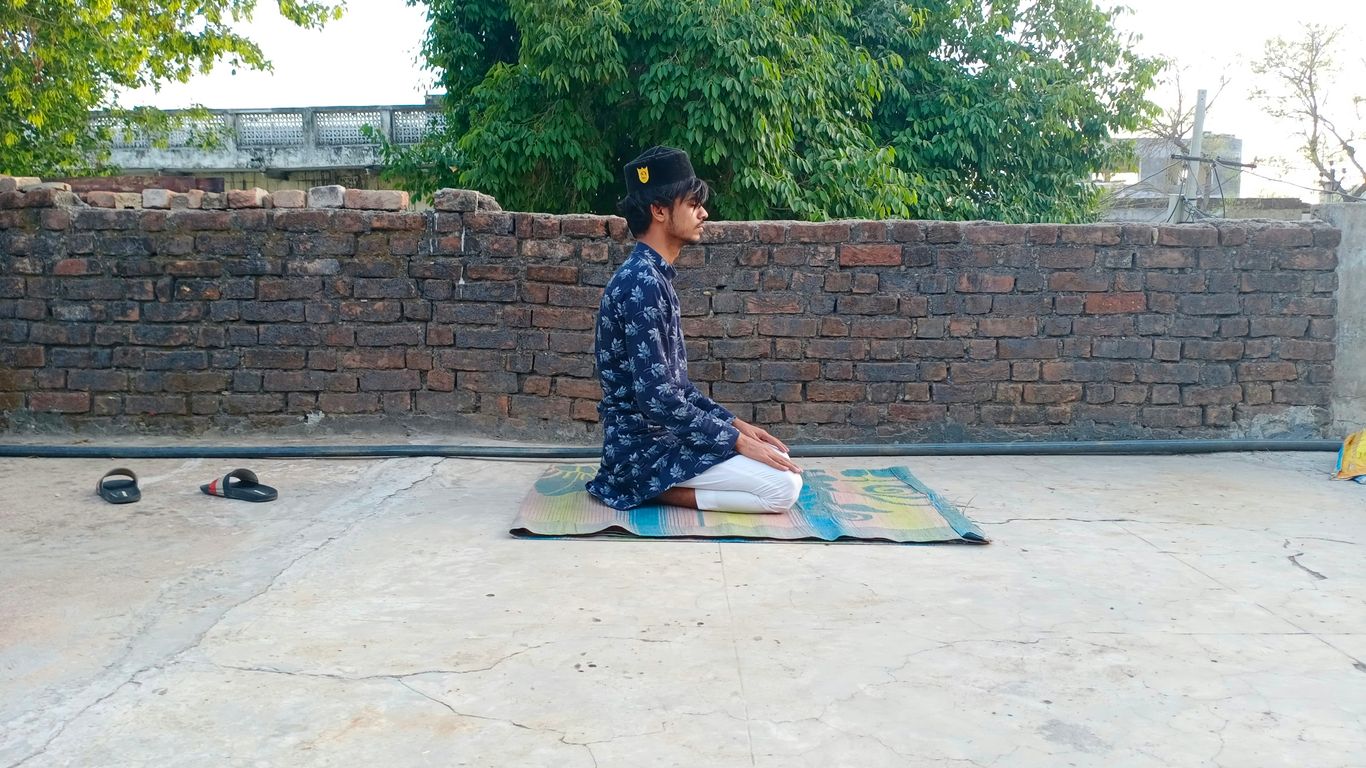
Yoga is way more than just stretching and holding poses; it's a whole system that can really make a difference in how you feel mentally. It's like giving your brain a much-needed break and a tune-up all at once. When life gets hectic, and it often does, having tools to manage your inner world becomes super important. Yoga offers just that, helping you find a sense of calm and balance that can ripple through your entire day.
Enhancing Emotional Well-being Through Yoga
One of the biggest wins from a regular yoga practice is how it helps with your emotions. It's not about pretending everything is fine, but more about learning to understand and work with what you're feeling. Through the mindful movements and focused breathing, you start to notice your emotional patterns without getting completely swept away by them. This awareness is key. It allows you to respond to situations more thoughtfully instead of just reacting. Think of it as building up your emotional resilience, so when tough stuff happens, you're better equipped to handle it without feeling completely overwhelmed. It's about cultivating a gentler relationship with yourself, accepting where you are, and finding a quiet strength within.
Cultivating Mental Clarity and Focus
Ever feel like your brain is just a jumble of thoughts, making it hard to concentrate on anything? Yoga can help clear that fog. The practice itself requires you to be present, to focus on your breath and the sensations in your body. This consistent training in paying attention spills over into other areas of your life. You might find yourself better able to focus on tasks at work, have more productive conversations, or simply be more present in your daily activities. It's like tidying up your mental space, making room for clearer thinking and sharper focus. This improved clarity can make decision-making feel less daunting and boost your overall productivity.
Achieving Restful Alertness with Yoga
This might sound like a contradiction – being both rested and alert – but yoga can help you get there. It's a state where you feel calm and relaxed, but also aware and ready to engage with the world. This isn't about being sleepy; it's about finding a balanced state of being. After a yoga session, many people report feeling a sense of peaceful energy. They're not wired and anxious, nor are they sluggish. They feel grounded and centered, ready to take on what's next with a clear head and a calm demeanor. This
A Step-by-Step Stress-Busting Yoga Flow
Sometimes, just thinking about all the things we need to do can make us feel wound up tighter than a spring. Yoga can really help with that, and this sequence is designed to be like a mini-retreat for your mind and body. It’s not about being perfect; it’s about moving and breathing to let go of some of that built-up tension. Find a quiet spot where you won't be interrupted, maybe put on some calming music if that helps you relax. This flow is meant to guide you gently from feeling a bit scattered to feeling more centered and calm.
Initiating Grounding with Child's Pose
Start by kneeling on your mat. Bring your big toes to touch and widen your knees about hip-width apart. As you exhale, fold your torso forward, resting your forehead on the mat. Extend your arms out in front of you or let them rest alongside your body. This pose is like a gentle hug for yourself, helping you to feel connected to the earth and to your breath. Just breathe here for a few moments, letting your body settle.
Releasing Tension with Cat-Cow Pose
Come up onto your hands and knees, making sure your wrists are under your shoulders and your knees are under your hips. As you inhale, drop your belly towards the mat, lift your chest, and look slightly upward for Cow Pose. As you exhale, round your spine towards the ceiling, tuck your chin to your chest, and draw your navel in for Cat Pose. Move back and forth between these two poses, linking your breath to the movement. This helps to wake up your spine and release any stiffness you might be holding in your back and shoulders.
Energizing the Body with Downward-Facing Dog
From your hands and knees, tuck your toes under and lift your hips up and back, forming an inverted V-shape. Your hands should be shoulder-width apart, and your feet hip-width apart. You can keep a slight bend in your knees, especially if your hamstrings feel tight. Let your head hang heavy between your arms. This pose is great for getting your blood flowing and can help clear your head. Pedal your feet out a bit if that feels good, stretching your calves.
Concluding with Corpse Pose for Deep Relaxation
Lie down on your back. Extend your legs long, letting your feet fall open naturally. Rest your arms by your sides, palms facing up. Close your eyes and allow your entire body to feel heavy and supported by the mat. There’s nothing you need to do here except just be. Let your breath return to its natural rhythm. Stay here for at least five minutes, or as long as you can. This is where your body and mind can truly absorb the benefits of the practice and let go of stress.
This sequence is a tool, not a test. If a pose doesn't feel right, modify it or skip it. The goal is to feel a little more at ease, not to push yourself into discomfort. Listen to your body; it knows what it needs.
Your Path to Peace Starts Now
So, we've talked about how yoga can really help calm things down when life gets hectic. It's not just about stretching; it's about finding a moment of quiet for yourself. Remember, even a little bit of practice can make a difference. Don't worry about being perfect or doing complicated poses. Just showing up on your mat, breathing, and moving is the main thing. Think of it as giving yourself a break, a chance to recharge. You've got the tools now to start feeling a bit more relaxed and in control. Give it a try, and see how it feels for you.
Frequently Asked Questions
How does yoga help reduce stress?
Yoga helps reduce stress by calming your nervous system. When you do yoga, your body makes less of a stress hormone called cortisol. Focusing on your breath and movements also helps quiet your mind and makes you feel more relaxed.
Can I do yoga if I'm not flexible?
Absolutely! You don't need to be flexible to start yoga. Flexibility is something you build as you practice. Yoga is for everyone, no matter their current physical condition. The goal is to feel better, not to be perfect.
What are some simple yoga poses for beginners to relieve stress?
Great poses for beginners include Child's Pose to feel grounded, Cat-Cow Pose to gently move your spine, and Corpse Pose (Savasana) at the end to relax completely. These poses help release tension in your body and mind.
How often should I practice yoga to see stress relief benefits?
Consistency is more important than long sessions. Even practicing for 10-15 minutes each day can make a big difference. Try to link it to an existing habit, like right after waking up or before bed.
What is pranayama and how does it help with stress?
Pranayama is the practice of controlling your breath in yoga. Simple breathing exercises, like taking slow, deep breaths, can calm your mind and body quickly. It's like an anchor that helps you stay steady when you feel stressed.
Does yoga help with anxiety as well as stress?
Yes, yoga is very effective for anxiety. The focus on breath and mindful movement helps to calm an overactive mind, reducing feelings of worry and nervousness. It teaches you to be present, which is a great tool for managing anxiety.


