
Unlock Serenity: Effective Yoga for Tension Relief
Feeling wound up tighter than a spring? You're not alone. In our busy lives, stress can build up, leaving us feeling tense and overwhelmed. But what if there was a way to gently unwind and find some calm? This article explores how yoga for tension relief can be your secret weapon. It’s not about complicated poses or needing to be super flexible; it’s about simple movements and breathwork that can make a real difference. Let’s look at how yoga can help you let go of that built-up stress and feel more at peace.
Key Takeaways
- Yoga helps release physical tension through poses and mindful movement.
- Breathing exercises (Pranayama) are key to calming the nervous system.
- Meditation and Yoga Nidra guide the mind toward relaxation and present moment awareness.
- Gentle and restorative yoga poses offer immediate relief and promote deep rest.
- Consistent, short yoga practices integrated into daily life build lasting benefits for stress management.
Understanding Yoga's Role in Tension Relief
Life can feel like a constant juggling act, right? Between work, family, and just trying to keep up, stress seems to be an unwelcome guest that overstays its welcome. But what if there was a way to find some calm in the storm? That's where yoga comes in. It's more than just stretching; it's a practice that can genuinely help you manage stress and feel better overall. We're going to explore how yoga and stress relief techniques can make a real difference in your day-to-day life.
The Power of Yoga for Stress Relief
So, how exactly does rolling out a mat help with stress? It's a mix of things. When you practice yoga, you're doing a few key activities all at once: moving your body, focusing on your breath, and often, quieting your mind. This combination works on your body's stress response system. Think of it like this: when you're stressed, your body goes into fight-or-flight mode. Yoga helps switch that off and turn on the opposite – the rest-and-digest mode. This shift can lower your heart rate, ease muscle tension, and generally make you feel more relaxed. When we're stressed, our bodies release hormones like cortisol. While a little cortisol is fine, too much over time can cause problems. Yoga practice has been shown to help bring these levels down. By focusing on deep, controlled breathing and holding gentle poses, you're sending signals to your brain to calm down. This doesn't just make you feel better in the moment; regular practice can actually change how your body responds to stress over time, making you a bit more resilient.
Mindful Awareness and Present Moment Focus
Ever feel like your brain is just a jumble of thoughts, making it hard to concentrate on anything? Yoga can help clear that fog. The practice itself requires you to be present, to focus on your breath and the sensations in your body. This consistent training in paying attention spills over into other areas of your life. You might find yourself better able to focus on tasks at work, have more productive conversations, or simply be more present in your daily activities. It's like tidying up your mental space, making room for clearer thinking and sharper focus. This improved clarity can make decision-making feel less daunting and boost your overall productivity. One of the biggest wins from a regular yoga practice is how it helps with your emotions. It's not about pretending everything is fine, but more about learning to understand and work with what you're feeling. Through the mindful movements and focused breathing, you start to notice your emotional patterns without getting completely swept away by them. This awareness is key. It allows you to respond to situations more thoughtfully instead of just reacting. Think of it as building up your emotional resilience, so when tough stuff happens, you're better equipped to handle it without feeling completely overwhelmed. It's about cultivating a gentler relationship with yourself, accepting where you are, and finding a quiet strength within.
Physical Release Through Asanas
At its heart, yoga is built on the idea that your mind and body are not separate things. They're connected, and what affects one affects the other. When you're physically tense from stress, your mind often feels tense too, right? Yoga works on both ends. The physical poses, or asanas, help release that stored tension in your muscles. Think about how your shoulders might creep up towards your ears when you're worried, or how your jaw clenches. Holding poses, even gentle ones, encourages these muscles to lengthen and release. This physical unwinding can have a direct impact on your mental state, helping to quiet the mental chatter that often accompanies physical discomfort. It's this integrated approach that means you're not just treating a symptom; you're addressing the root of how stress impacts you as a whole person.
Key Yoga Techniques for Releasing Tension
Breathing Away Stress with Pranayama
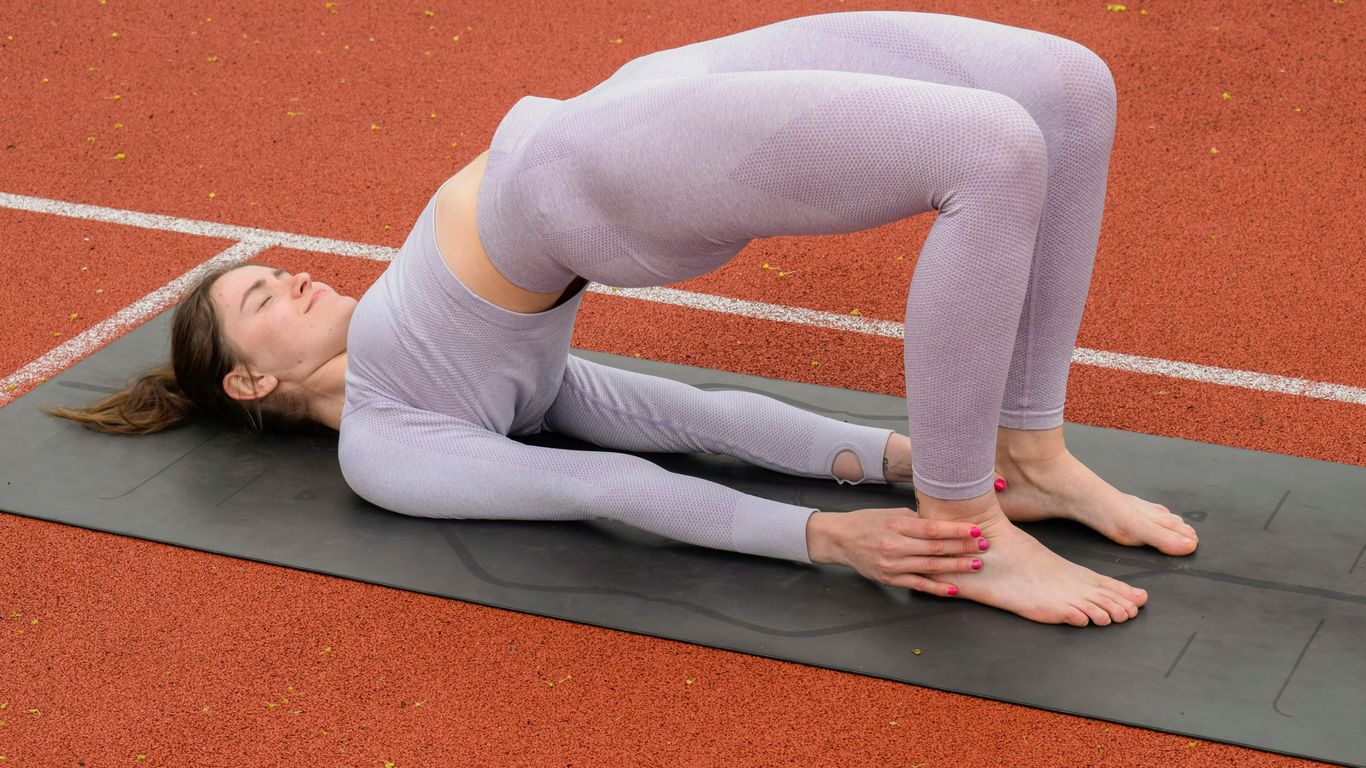
Pranayama is the art of controlled breathing, and it's honestly one of the fastest ways to calm a buzzing mind. Ever notice how your breath gets quick and shallow when you’re tense? With pranayama, you reverse that, signaling your body that things are actually okay. Slowing your breath can switch you from a stressed-out state to one of calm in just a few minutes. Here are a few techniques anyone can try right now:
- Box Breathing: Inhale for four counts, hold for four, exhale for four, hold again for four; repeat several cycles.
- Alternate Nostril Breathing: Close one nostril, inhale through the other, switch sides, and repeat. This can be surprisingly soothing.
- Belly Breathing: Place one hand on your belly, inhale deeply so the hand rises, exhale so it falls. Focus on making the exhale longer than the inhale.
Just three to five minutes of focused breathwork can break the cycle of racing thoughts and physical tension.
Guided Meditation for Inner Calm
Guided meditation is perfect for people who have trouble quieting their brains on their own. There’s usually a calming voice walking you through each step, sometimes paired with soft music or nature sounds. Meditation helps you notice tension in your body and start letting it go. If you’re new to it, try starting with:
- A short, five-minute body scan (focus on each part of your body, relaxing each area as you notice it)
- Visualization (imagine a peaceful place and place yourself there)
- Basic breath awareness (just pay attention to your inhale and exhale)
Yoga Nidra for Deep Relaxation
Yoga Nidra, or “yogic sleep,” is way more restful than its name suggests. It’s not about falling asleep, but about entering a state where your body deeply rests and your mind stays quietly alert. Many people say twenty minutes of Yoga Nidra can feel like a nap that resets your entire mood. Here’s how Yoga Nidra stands apart:
| Technique | Setting | Effect |
|---|---|---|
| Pranayama | Seated/anywhere | Focuses the mind, calms nerves |
| Guided Meditation | Seated or lying | Helps locate and reduce body-wide stress |
| Yoga Nidra | Lying down | Triggers deep body relaxation, often reducing stress hormones |
And if you want to expand your practice, adding relaxing restorative poses—like those from this simple stress relief yoga sequence—can make it even easier to melt away tension.
Even a few minutes of relaxation practice can create a noticeable difference, especially on days where you can't seem to unwind.
Gentle Poses for Immediate Relief
Sometimes, you just need a quick way to shake off that tight feeling in your shoulders or that knot in your stomach. This section is all about simple yoga poses that can give you a bit of relief right when you need it. No fancy moves, just gentle ways to help your body and mind relax.
Initiating Grounding with Child's Pose
Start by kneeling on your mat. Bring your big toes to touch and widen your knees about hip-width apart. As you exhale, fold your torso forward, resting your forehead on the mat. You can extend your arms out in front of you, palms down, or let them rest alongside your body, palms up. This pose is like a gentle hug for yourself, helping you feel connected to the earth and your breath. Just breathe here for a few moments, letting your body settle and release any immediate tension.
Releasing Tension with Cat-Cow Pose
Come up onto your hands and knees. Make sure your wrists are right under your shoulders and your knees are under your hips. As you inhale, let your belly drop towards the mat, lift your chest, and look slightly upward – that's Cow Pose. Then, as you exhale, round your spine towards the ceiling, tuck your chin to your chest, and draw your navel in – that's Cat Pose. Move back and forth between these two poses, linking each movement with your breath. This helps to wake up your spine and release any stiffness you might be holding in your back and shoulders.
Energizing the Body with Downward-Facing Dog
From your hands and knees, tuck your toes under and lift your hips up and back, creating an inverted V-shape with your body. Your hands should be about shoulder-width apart, and your feet about hip-width apart. It's totally okay to keep a slight bend in your knees, especially if your hamstrings feel tight. Let your head hang heavy between your arms. This pose is great for getting your blood flowing and can help clear your head a bit. You can even pedal your feet out gently if that feels good, stretching your calves.
Restorative Yoga: A Sanctuary for Stress Relief
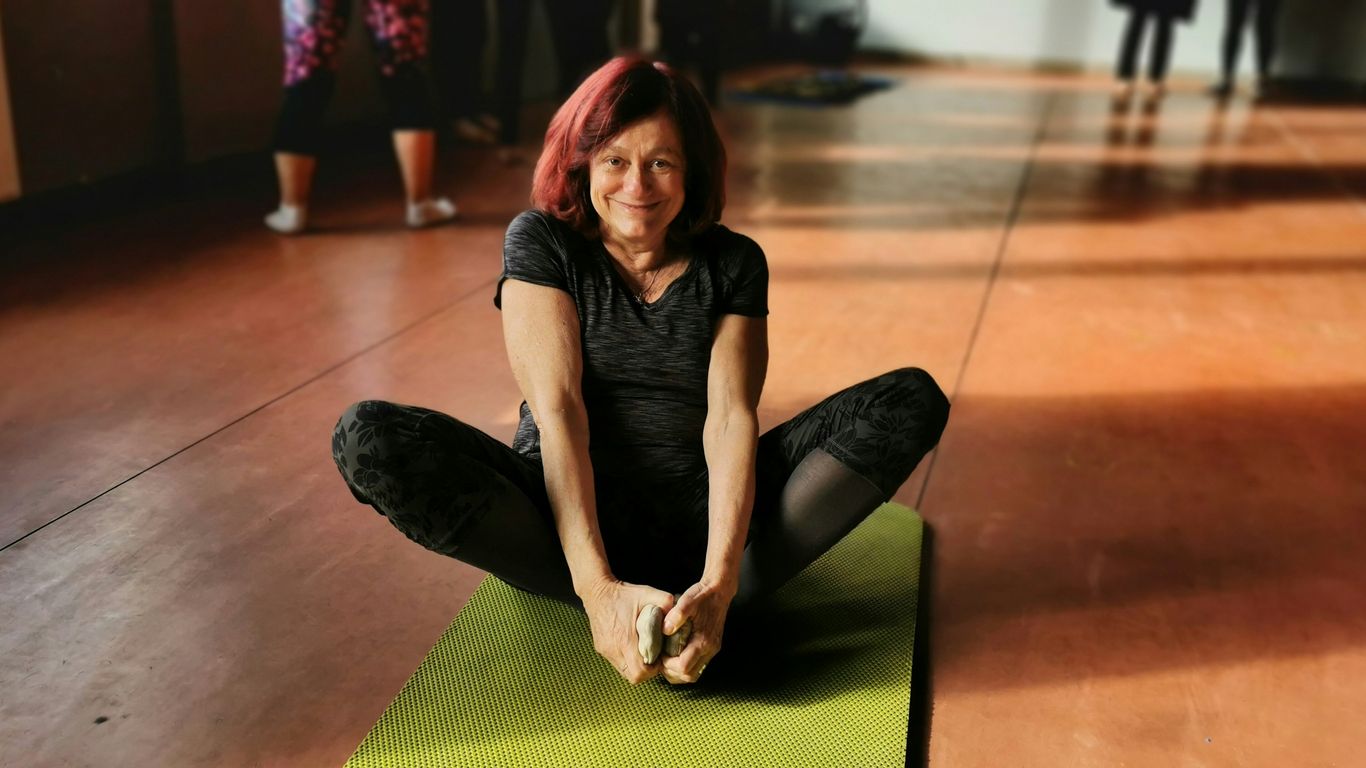
Life can feel like a constant whirlwind, right? Always on the go, always a million things to do. Restorative yoga is like finding a quiet little nook in that storm. It’s not about intense workouts or pushing yourself; it’s the opposite. Think of it as a gentle hug for your nervous system. This style uses props – like bolsters, blankets, and blocks – to fully support your body in poses. This means you can relax completely, letting go of any effort. The goal is to help your body shift from that 'fight or flight' mode into a 'rest and digest' state. It’s a way to actively recover from the daily grind.
Essential Props for Restorative Yoga
To really get the most out of restorative yoga, having the right props makes a huge difference. They’re not just accessories; they’re key to allowing your body to completely surrender into the pose. Without them, you might find yourself still engaging muscles to hold yourself up, which defeats the purpose of deep relaxation.
Here’s a quick rundown of what you’ll likely want:
- Bolsters: These are like long, firm pillows. They’re great for supporting your back in gentle backbends or under your knees when lying down.
- Blankets: Folded blankets can add cushioning under your head, knees, or hips. They’re also good for warmth if you tend to get chilly when you relax.
- Blocks: Yoga blocks can be used to bring the floor closer to you, offering support under your hands or hips, or even under your head in certain poses.
- Eye Pillow: A small, weighted pillow placed over your eyes can deepen relaxation by blocking out light and gently pressing on your eyelids.
Supported Child's Pose for Calming
Child's Pose, or Balasana, is a classic resting pose. In its restorative version, we use props to make it incredibly comfortable and grounding. You’ll want a bolster placed lengthwise between your thighs, or a few folded blankets. Rest your torso over the bolster or blankets, letting your belly relax. Your forehead can rest on the bolster, or you can place a block or folded blanket underneath it if there’s a gap. Your arms can be stretched out in front of you or resting alongside your body. This pose is fantastic for quieting the mind and releasing tension in the back and hips. It’s a gentle way to feel held and secure.
Legs-Up-the-Wall Pose for Nervous System Reset
This pose, Viparita Karani, is pure magic for tired legs and an overstimulated nervous system. You’ll need a wall and a bolster or a few folded blankets. Sit sideways against the wall, then swing your legs up the wall as you lie back. Place the bolster or blankets under your hips to lift them slightly. Your legs should be comfortably supported by the wall. You can let your arms rest by your sides or place one hand on your belly and one on your heart. Stay here for at least 5-10 minutes. It helps circulation and signals to your brain that it’s safe to relax.
Supported Bridge Pose for Soothing Inversion
Bridge Pose, Setu Bandha Sarvangasana, can be a gentle inversion when done restoratively. Lie on your back with your knees bent and feet flat on the floor, hip-width apart. Place a block or a bolster under your sacrum (the flat bony part at the base of your spine). Don't place it on your lower back, but lower down. You want to feel supported, not strained. Let your body weight rest onto the prop. Your arms can rest by your sides, palms up. This gentle backbend, supported by props, can open up the chest and front of the body, which often holds a lot of stress. It’s a mild inversion that can feel quite uplifting and calming.
Building a Foundation for Lasting Benefits
So, you've been trying out some yoga for stress relief, and maybe you're feeling a bit better. That's great! But how do you make sure those good feelings stick around? It's all about building a solid base for your practice. Think of it like tending a garden; you need to prepare the soil and water regularly for things to really grow.
Fostering a Foundation for Lasting Benefits
Making yoga a regular thing isn't just about showing up. It's about paying attention to what your body is doing and how you're breathing. Your breath is your anchor. When your mind starts racing, just bringing your attention back to your breath can help you feel more centered. It’s also about being present in each moment, noticing the small sensations in your body without judging them. Some days will feel easier than others, and that’s perfectly okay. The real magic happens with consistency, even if it’s just for a short time each day. This steady effort is what leads to genuine, long-term calm.
The journey on the yoga mat is deeply personal. It's a space where you can explore your own capabilities without judgment, focusing on the present moment and the sensations within your body. This mindful approach cultivates a sense of inner peace that can extend far beyond your practice time.
The Importance of Consistency in Practice
To really get the most out of yoga, especially for stress relief, consistency is key. The benefits build up over time, like saving money in a bank account. You won't see huge results overnight, but little by little, you'll notice a difference. Aim to practice regularly, even if it's just for 10-15 minutes a day. Start with simple poses and breathing exercises, and gradually increase the time or difficulty as you feel more comfortable. Finding a style of yoga that you actually enjoy makes it much easier to stick with it. Whether it's a slow, gentle class or something a bit more active, the goal is to find something you can do consistently.
Mindful Movement and Body Awareness
As you practice, try to really tune into your body. What does that stretch feel like? Is there any tension you can release with your breath? This mindful awareness is what transforms yoga from just physical exercise into something that calms your mind too. It's about noticing how your body moves and what it needs. This connection helps you understand your stress triggers better and how your body responds to them. By becoming more aware, you can start to make small changes in your daily life that support your well-being. It’s about building a better relationship with yourself, one breath at a time. This practice offers anti-inflammatory benefits, helping your body find balance and reduce stress. gentle movements
Integrating Yoga into Your Daily Life
So, you've felt the calm yoga can bring, and now you're wondering how to keep that feeling going, not just on the mat, but throughout your whole day. It’s totally doable, even when life feels like a whirlwind. The trick isn't about finding hours of free time, but about weaving yoga's principles into the fabric of your everyday routine. Think of it less as another chore and more as a gentle, supportive companion.
Strategies to Make Yoga a Daily Practice
Let's be real, dedicating an hour every single day might sound impossible for most of us. But here's the good news: even short, consistent sessions can make a huge difference. The key is to link your yoga practice to something you already do. Maybe it's a few sun salutations right after you brush your teeth, or a quick stretch session before you settle down for the evening. Consistency really is more important than how long you practice. A 10-minute daily session can be way more impactful than an hour once a week. It's about building a habit that sticks.
Here are a few ideas to get you started:
- Morning Kickstart: A few simple poses to wake up your body and mind.
- Midday Reset: A short breathing exercise or a gentle stretch to break up your day.
- Evening Wind-Down: Restorative poses to help you relax before sleep.
Remember, the goal is to create moments of calm and connection, not to add more pressure to your already busy schedule. Be kind to yourself as you figure out what works best.
Linking Practice to Existing Routines
Having the right setup can really help. Your yoga mat isn't just a piece of equipment; it's like a visual cue. When it's rolled out in a quiet corner, it's an invitation to pause and practice. It signals to your brain that it's time to shift gears. Props, like blocks or a strap, aren't just for beginners. They can help you get more out of poses and make them more accessible, which means you're more likely to practice regularly. Keeping your mat visible can be a constant, gentle reminder to step onto it and find your center. It becomes your personal sanctuary, a space where you can always find a moment of peace. This practice provides a natural, non-pharmaceutical method to manage anxiety, stress, and tension [b54a].
Life happens, right? Work, family, social stuff – it all adds up. Integrating yoga doesn't mean sacrificing these important parts of your life. It's about finding a balance. If your evenings are packed with family dinners, maybe mornings are a better time for you. If a certain day is just too hectic, don't beat yourself up. Maybe you can swap in a shorter session or a restorative practice on the weekend instead. The important thing is to keep showing up for yourself in whatever way you can. Even a few minutes of mindful movement can help you feel more grounded and less overwhelmed. It’s about finding harmony, not perfection.
The Impact of Short, Consistent Sessions
Yoga is way more than just stretching and holding poses; it's a whole system that can really make a difference in how you feel mentally. It's like giving your brain a much-needed break and a tune-up all at once. When life gets hectic, and it often does, having tools to manage your inner world becomes super important. Yoga offers just that, helping you find a sense of calm and balance that can ripple through your entire day.
One of the biggest wins from a regular yoga practice is how it helps with your emotions. It's not about pretending everything is fine, but more about learning to understand and work with what you're feeling. Through the mindful movements and focused breathing, you start to notice your emotional patterns without getting completely swept away by them. This awareness is key. It allows you to respond to situations more thoughtfully instead of just reacting. Think of it as building up your emotional resilience, so when tough stuff happens, you're better equipped to handle it without feeling completely overwhelmed. It's about cultivating a gentler relationship with yourself, accepting where you are, and finding a quiet strength within.
Ever feel like your brain is just a jumble of thoughts, making it hard to concentrate on anything? Yoga can help clear that fog. The practice itself requires you to be present, to focus on your breath and the sensations in your body. This consistent training in paying attention spills over into other areas of your life. You might find yourself better able to focus on tasks at work, have more productive conversations, or simply be more present in your daily activities. It's like tidying up your mental space, making room for clearer thinking and sharper focus. This improved clarity can make decision-making feel less daunting and boost your overall productivity.
Your Path to Peace Starts Now
So, we've talked about how yoga can really help calm things down when life gets hectic. It's not just about stretching; it's about finding a moment of quiet for yourself. Remember, even a little bit of practice can make a difference. Don't worry about being perfect or doing complicated poses. Just showing up on your mat, breathing, and moving is the main thing. Think of it as giving yourself a break, a chance to recharge. You've got the tools now to start feeling a bit more relaxed and in control. Give it a try, and see how it feels for you.
Frequently Asked Questions
How does yoga help with stress?
Yoga helps with stress by combining physical poses, breathing exercises, and meditation. The poses help release tension in your muscles, while breathing techniques calm your nervous system. Meditation helps quiet your mind, making it easier to relax and feel peaceful.
What are some simple yoga poses for beginners to relieve tension?
Great poses for beginners include Child's Pose, which is like a gentle hug for your body, Cat-Cow Pose to loosen up your spine, and Downward-Facing Dog to stretch your whole body. These poses are easy to do and can help you feel better quickly.
Is restorative yoga good for stress relief?
Yes, restorative yoga is excellent for stress relief! It uses props like blankets and pillows to support your body in gentle poses for longer periods. This allows your body and mind to deeply relax and release built-up tension, helping your nervous system reset.
How often should I practice yoga for stress relief?
Consistency is key! Even short, regular practice sessions can make a big difference. Aim for at least a few minutes each day, or several times a week. A 10-minute session daily can be more effective than one long session once a week.
What is Pranayama and how does it help with stress?
Pranayama is the practice of controlling your breath in yoga. When you're stressed, your breathing is often shallow. Pranayama teaches you to breathe more deeply and slowly, which signals your body to relax. This can lower stress hormones and help you feel calmer.
Can yoga improve my mood and focus?
Absolutely! By reducing stress and promoting relaxation, yoga can help lift your mood and lessen feelings of anxiety. The mindfulness and concentration involved in yoga also help improve your focus and ability to stay present, making it easier to handle daily tasks.


