
Unlock Inner Peace: Effective Yoga for Release Stress
Life throws a lot at us, doesn't it? Sometimes it feels like a constant barrage of deadlines, worries, and just general overwhelm. It’s easy to get caught up in the daily grind and feel that tension building. That's where yoga comes in, offering a way to hit the pause button and find some calm. It's not just about fancy poses; it's a whole system designed to help you manage stress and feel more grounded. Yoga works by connecting your mind, body, and breath, creating a powerful antidote to the effects of chronic stress. This guide will show you how yoga for release stress can become your go-to tool.
Key Takeaways
- Yoga helps reduce stress and anxiety through breath control, mindful movement, and specific poses.
- Different yoga styles, from gentle to dynamic, offer various ways to achieve calmness and release tension.
- Breathing techniques are powerful tools for immediate calm and soothing the nervous system.
- Poses that encourage gentle stretching, forward folds, and deep relaxation are particularly effective for inner peace.
- Integrating mindfulness and meditation into your yoga practice deepens the mind-body connection and enhances stress relief.
Understanding Yoga For Release Stress
The Ancient Practice for Modern Calm
Life throws a lot at us, doesn't it? Sometimes it feels like a constant barrage of deadlines, worries, and just general overwhelm. It’s easy to get caught up in the daily grind and feel that tension building. That's where yoga comes in, offering a way to hit the pause button and find some calm. It's not just about fancy poses; it's a whole system designed to help you manage stress and feel more grounded. Yoga works by connecting your mind, body, and breath, creating a powerful antidote to the effects of chronic stress. This ancient practice offers a practical path to help you let go of tension and feel more centered.
Connecting Mind, Body, and Breath
Our breath is a direct link to our nervous system. When we're stressed, our breathing often becomes shallow and rapid, signaling danger to our bodies. Yoga teaches us to consciously control our breath, a practice called pranayama. By taking slow, deep breaths, we can actually switch off that fight-or-flight response and activate our body's natural relaxation mode. It’s like flipping a switch from 'panic' to 'peace'.
Here are a few ways breathwork helps:
- Slows Heart Rate: Deep breathing signals safety, lowering your pulse.
- Reduces Cortisol: It helps decrease the stress hormone levels.
- Calms the Mind: Focusing on the breath quiets racing thoughts.
The simple act of paying attention to your breath can shift your entire state of being. It's a readily available tool you can use anytime, anywhere. You can explore different yoga techniques for relaxation to find what works best for you.
Beyond Flexibility: A Path to Inner Peace
Certain yoga poses are particularly good at releasing physical tension that often accompanies stress. Think of them as gentle ways to encourage your body to let go of stored-up tightness. These aren't about pushing yourself; they're about creating space and ease.
- Child's Pose (Balasana): This is a wonderfully grounding pose. You fold forward, resting your forehead on the mat, which can feel incredibly comforting and calming. It gently stretches the back and hips.
- Forward Folds: These poses encourage a sense of surrender and release, particularly for the neck and shoulders.
- Corpse Pose (Savasana): This pose, usually done at the end of a practice, is all about deep relaxation and integration, allowing your body and mind to absorb the benefits.
Yoga isn't about achieving a perfect pose; it's about the journey of self-discovery and finding moments of stillness within the movement. It's about being present with whatever arises, without judgment.
Harnessing Breathwork for Immediate Calm
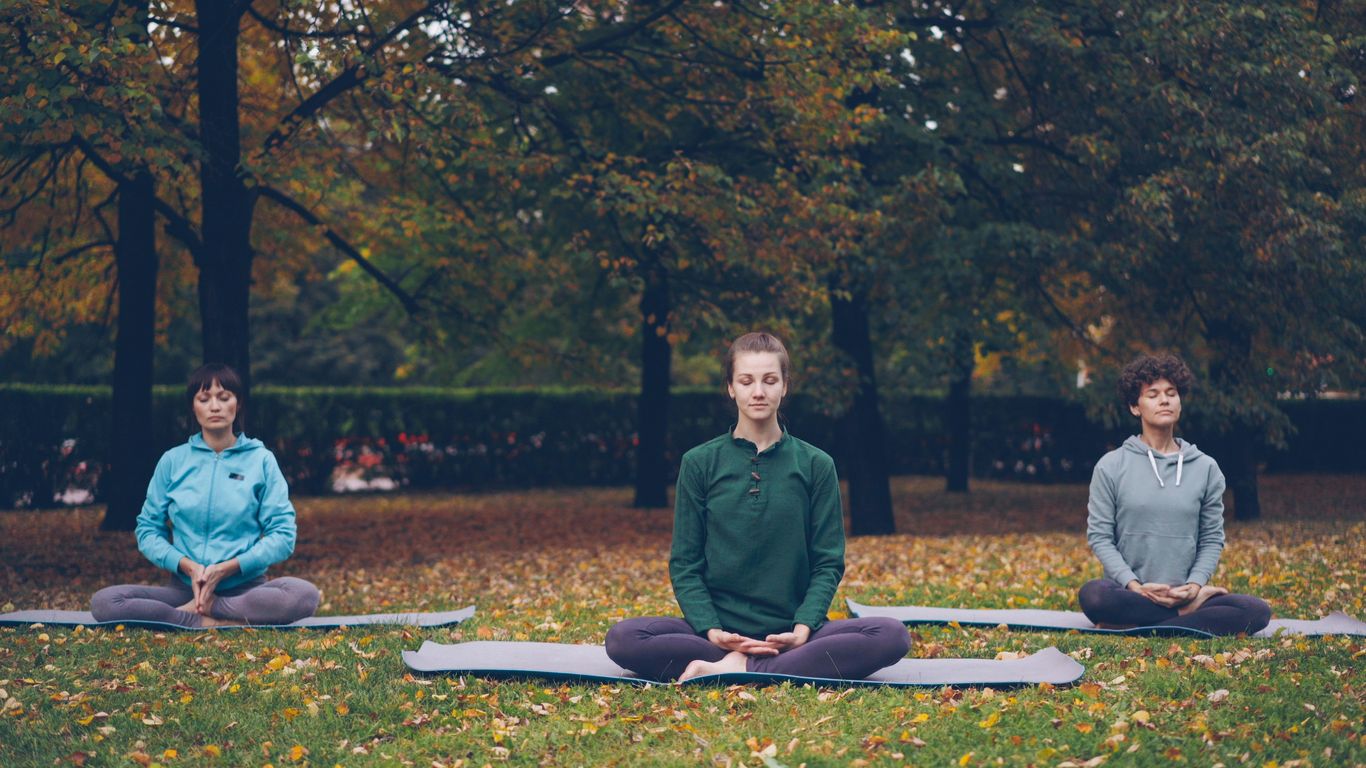
Sometimes, it feels like our breath is just this automatic thing we do, right? We don't really think about it. But in yoga, and especially when you're trying to shake off stress or anxiety, your breath becomes this incredibly powerful tool. It’s like a direct line to calming your whole system down. Focusing on your breath can actually shift your body out of that 'fight or flight' mode that stress puts you in. Think of it as an anchor. When your mind is racing with a million worries, bringing your attention back to the simple act of breathing can pull you right back to the present moment. It’s not about stopping thoughts, but about not getting swept away by them.
Pranayama: Speaking the Body's Language
Pranayama, the practice of breath control in yoga, is more than just taking deep breaths. It's about consciously directing your breath to influence your physical and mental state. Different techniques can have varied effects, but for stress relief, we're focusing on those that soothe and calm. These practices allow you to return to a peaceful, centered state, even after the session ends. Learning to work with your breath is like learning a new language your body understands, one that speaks of peace and equilibrium.
Ratio Breathing for Nervous System Soothing
One really effective way to calm your nervous system is through ratio breathing. This involves controlling the length of your inhales and exhales to create a specific rhythm. A popular method is the 4-7-8 technique: inhale quietly through your nose for a count of 4, hold your breath for a count of 7, and exhale completely through your mouth for a count of 8. The longer exhale is key here; it signals to your body that it's safe to relax, activating the parasympathetic nervous system. It’s a simple technique, but its impact on how you handle everyday challenges has been significant. You can find more on breathing exercises like this in yoga for relaxation.
Transforming Daily Stressors with Breath Control
Practicing these breathing techniques regularly, even for just a few minutes a day, can retrain your body's response to stress. It's about building a habit of calm that you can tap into whenever you need it, not just on your yoga mat. It might feel a bit strange at first, especially if you're not used to paying attention to your breath. But stick with it. You'll start to notice how much control you actually have over your internal state, just by changing the way you breathe.
Here are a few common pranayama techniques that make a difference:
- Ujjayi Breathing (Ocean Breath): A gentle, audible breath where you slightly constrict the back of your throat on the exhale, making a soft, ocean-like sound. It’s incredibly grounding and helps build internal heat. You can do this during most poses.
- Nadi Shodhana (Alternate Nostril Breathing): This one is fantastic for balancing your nervous system. You use your fingers to close off one nostril at a time, alternating between them as you inhale and exhale. It’s like a reset button for your mind.
- 4-7-8 Breathing: As mentioned, this technique is super simple but surprisingly effective for quick anxiety relief. The longer exhale is key to activating your parasympathetic nervous system, which is your body’s natural relaxation response.
When you start to notice the subtle shifts in your body and mind during practice, you're building a powerful tool. This awareness can then be carried off the mat, helping you respond to stressful situations with more calm and less reactivity. It's about building an inner resilience that serves you every day.
Effective Yoga Poses For Releasing Tension
Forward Folds for Neck and Shoulder Relief
When stress builds up, it often settles in our necks and shoulders, creating a tight, uncomfortable knot. Forward folds offer a gentle way to encourage release in these areas. The simple act of letting your upper body hang heavy can create space and ease. This surrender allows gravity to do the work, melting away tension you might not even realize you're holding.
- Standing Forward Fold (Uttanasana): Stand with your feet about hip-width apart. Hinge forward from your hips, allowing your head and arms to hang freely. You can bend your knees generously if your hamstrings feel tight. Focus on breathing into your back and letting go with each exhale.
- Seated Forward Fold (Paschimottanasana): Sit on the floor with your legs extended. Inhale to lengthen your spine, and as you exhale, fold forward from your hips. Again, the goal isn't to touch your toes, but to feel a gentle stretch and release in your back and hamstrings.
These poses are about letting go. Don't force anything. Just allow your body to soften and release what it's holding onto. It's a quiet moment of giving yourself permission to relax.
Child's Pose for Grounding and Comfort
Child's Pose, or Balasana, is like a warm hug for your body and mind. It's a resting posture that brings a sense of security and calm. When you feel overwhelmed or anxious, curling into this shape can help you feel more grounded and centered.
- How to Practice: Start on your hands and knees. Bring your big toes to touch and widen your knees slightly. Sink your hips back towards your heels and fold your torso forward, resting your forehead on the mat. You can extend your arms forward or rest them alongside your body. Take slow, deep breaths here, feeling your back expand with each inhale.
- Variations: If resting your forehead on the mat is uncomfortable, you can stack your fists or use a block or folded blanket for support.
Corpse Pose for Deep Relaxation and Integration
Corpse Pose, or Savasana, is often practiced at the end of a yoga session, and for good reason. It might look like you're just lying there, but this pose is where the real magic happens. It's where your body and mind get to absorb all the benefits of your practice and truly let go.
- The Practice: Lie flat on your back with your legs extended and arms resting by your sides, palms facing up. Allow your feet to fall open naturally. Close your eyes and consciously relax every part of your body, from your toes to the crown of your head. Focus on your breath, letting it be natural and effortless.
- Duration: Aim to stay in Savasana for at least 5-10 minutes. This time allows your nervous system to settle and your body to integrate the physical and mental release.
- Mindset: Approach Savasana with the intention of simply being. Let go of any need to do or achieve. It's a time for deep rest and allowing yourself to simply be present.
Gentle Yoga Styles for Deep Relaxation
Sometimes, the best way to deal with feeling overwhelmed is to just slow down. Gentle and restorative yoga styles are perfect for this. Think Hatha or Yin yoga. These practices focus on holding poses for longer periods, allowing your body to really sink into them. It’s less about exertion and more about release. You're not trying to push yourself; you're giving yourself permission to relax. These styles are like a gentle hug for your nervous system, helping to soothe the fight-or-flight response that can keep us on edge.
The Power of Restorative and Yin Yoga
Restorative yoga is all about support and ease. It uses props like blankets and bolsters to help your body relax completely, so you don't have to hold yourself up. This allows your nervous system to truly switch off and find a deep sense of calm. Yin yoga, on the other hand, involves holding poses for longer durations, typically three to five minutes or more. This sustained hold targets deeper connective tissues, releasing stored tension and promoting flexibility over time. The focus is on surrender, not strain.
Holding Poses for Enhanced Release
In these gentle styles, holding poses for an extended time is key. This isn't about muscle fatigue; it's about allowing gravity and your own body weight to do the work. As you stay in a pose, like Legs-Up-the-Wall Pose (Viparita Karani), you give your body permission to soften and release. This sustained stillness helps to calm the mind, reducing the constant stream of thoughts that often fuels stress. It’s a practice in patience and observation, noticing the subtle shifts within your body and breath.
Less Exertion, More Permission to Relax
Forget the idea that yoga has to be strenuous. Gentle styles prioritize comfort and ease. You might use props to support yourself in poses like Supported Bridge Pose (Setu Bandhasana), where a block or bolster supports your lower back. This allows you to relax deeply without any muscular effort. The goal is to create a safe space for your body and mind to unwind, making it easier to manage daily stress and find a more peaceful state. You can find more on poses like this in yoga for relaxation.
These practices are designed to be accessible to everyone, regardless of physical ability. The emphasis is on creating a feeling of safety and ease, allowing the body's natural relaxation response to take over. It's about being kind to yourself and giving your nervous system the break it deserves.
Integrating Mindfulness and Meditation
Beyond the physical postures, weaving mindfulness and meditation into your yoga routine can really amplify the stress-relief benefits. Mindfulness is all about being present, right here, right now. It helps you connect more deeply with yourself and what's going on around you. Think of it as turning down the noise of everyday worries and tuning into your own experience.
Mindfulness Meditation and Yoga: A Synergistic Approach
When you're on your mat, the goal isn't just to move your body. It's about really being there, in that moment, with whatever you're feeling. For instance, while holding a pose, pay attention to your feet on the ground, the stretch in your muscles, the strength in your arms. This focused attention is mindfulness in action. It helps you notice your thoughts and feelings without getting completely caught up in them. This practice cultivates an observer mindset, allowing you to watch thoughts drift by like clouds without needing to grab onto them. It's a way to build inner resilience that helps you respond to stressful situations with more calm. This mindful awareness can be carried off the mat, helping you connect with your body.
Guided Meditations for Inner Peace
Guided meditations can be a wonderful addition to your yoga practice. They offer a gentle way to quiet the mind and find a sense of inner calm. You can find many resources, like apps or online platforms, that offer guided sessions specifically designed for stress relief. These sessions can help you cultivate clarity and peace, making it easier to handle life's ups and downs with more ease. Starting with just a few minutes each day, focusing on your breath or a simple calming phrase, can make a noticeable difference.
Yoga Nidra: The Practice of Yogic Sleep
Yoga Nidra, often called "yogic sleep," is a specific type of guided meditation done while lying down. It's designed to bring about deep relaxation and can be incredibly effective for easing stress and anxiety. If you find it hard to sit still for meditation or are feeling particularly tired, Yoga Nidra can be a great option. It guides you through different stages of awareness, helping you release tension and achieve a state of profound rest. It's a powerful tool for finding a quiet sanctuary within yourself, a refuge from the busy world outside.
The more you practice noticing your breath and bodily sensations without judgment, the more you train your mind to stay present. This skill is incredibly useful when stress arises, allowing you to pause and choose a more measured response instead of reacting automatically.
Cultivating Inner Peace Through Acceptance
Sometimes, the biggest hurdle to feeling calm isn't external stuff, but what's going on inside our own heads. Yoga teaches us a lot about just accepting things as they are, including ourselves. It’s about looking at where you are right now, without judgment, and saying, 'Okay, this is it.' This means not pushing yourself too hard in a pose if your body isn't ready, or not getting upset if your mind wanders during meditation. It’s a gentle reminder that progress isn't always linear, and that's perfectly fine.
Embracing Imperfections and Letting Go
We all have things we wish were different about ourselves or our lives. Yoga encourages us to notice these feelings without getting stuck in them. Think about it: when you're on the mat, you're often told to breathe into a sensation, not fight it. This same principle applies off the mat. Instead of wrestling with what you can't change, you learn to acknowledge it and then gently release your grip. This doesn't mean you stop growing, but it stops the constant internal battle that drains your energy.
- Notice when you're being hard on yourself.
- Acknowledge the feeling without judgment.
- Gently redirect your attention to your breath or the present moment.
Letting go isn't about forgetting or pretending things are okay when they're not. It's about choosing not to let past hurts or future worries dictate your present peace. It's a quiet strength that comes from within.
The Role of Gratitude in Your Practice
It's easy to focus on what's missing or what's going wrong. Shifting your focus to what you're thankful for can really change your whole outlook. Even on a tough day, there are usually small things to appreciate – a warm cup of tea, a moment of quiet, the ability to move your body. Bringing this sense of gratitude onto your yoga mat, and then carrying it off, can make a big difference in how you feel overall. It helps you see the good that's already there, rather than always chasing something more.
Finding Solace Amidst Daily Chaos
Life throws curveballs, and sometimes it feels like a constant whirlwind. Yoga offers a way to find a quiet center within that storm. It’s not about eliminating stress entirely – that's pretty much impossible. Instead, it’s about building your capacity to handle stress without letting it overwhelm you. By practicing yoga for stress relief, you develop a kind of inner resilience. You learn to pause, breathe, and respond rather than just react. This ability to find a moment of calm, even when things are hectic, is where true solace lies.
Making Yoga For Release Stress A Daily Habit
Starting Small: Consistency is Key
Look, getting yoga to stick as a regular thing when you're trying to dial down stress isn't about grand gestures. It's really about showing up, even when you don't feel like it. Don't think you need to carve out an hour every single day from the get-go. Honestly, even 10 or 15 minutes can start to make a difference. The real magic happens when you do it regularly. A short practice done daily is way more effective than a long one you only manage once a week. Think of it like building a muscle; consistent, smaller efforts yield better results over time. You'll find that as you stick with it, you can slowly add more time if you want, but the habit itself is the first big win.
Creating a Dedicated Practice Space
Having a spot that's just for your yoga can really help signal to your brain that it's time to switch gears. It doesn't need to be a whole room or anything fancy. A quiet corner in your bedroom or living room works just fine. Try to keep it tidy and maybe add a few things that make it feel calming for you – perhaps a soft rug, a plant, or a candle you only light when you practice. This little setup helps create a mental boundary, separating your practice time from the rest of your day's demands. It makes it easier to get into that relaxed state.
Finding Your Resonant Yoga Style
It's easy to think yoga is just one thing, but there are so many different ways to practice. If you're feeling particularly wound up or anxious, styles like Restorative yoga, Yin yoga, or even a gentle Hatha class are often a good bet. They tend to move at a slower pace and focus on holding poses for longer periods, which can be really helpful for releasing deep-seated tension. But don't rule out more active styles like Vinyasa if you find that focusing on the flow and your breath helps clear your mind. The best approach is to try a few different types, maybe through online videos or local studios, and see what genuinely feels good for your body and mind right now. What works one week might be different the next, and that's perfectly okay.
The most important thing is to listen to your body. Yoga isn't about pushing yourself to do a pose perfectly or to the point of pain. It's about self-awareness and self-care. If a pose doesn't feel right, or if you need to rest, honor that. Modifications are not a sign of weakness; they are a sign of wisdom and self-respect.
Keep Practicing, Keep Finding Peace
So, we've talked about how yoga can really help when life feels like too much. It's not some magic fix, but it gives you real tools, like focusing on your breath and moving your body in ways that feel good. Remember, it's okay if your practice isn't perfect every day. Some days you might do a full flow, other days just a few stretches or some deep breathing. The important thing is showing up for yourself. By making yoga a regular thing, even just for a few minutes, you're building a stronger sense of calm that you can carry with you off the mat. It’s a journey, for sure, but one that leads to feeling more centered and peaceful, no matter what life throws your way.
Frequently Asked Questions
What exactly is yoga for stress relief?
Yoga for stress relief is like giving your mind and body a break from all the rushing around. It uses simple movements, breathing tricks, and quiet time to help you feel calmer and less worried. It's not about being a super flexible gymnast; it's about finding a peaceful feeling inside yourself, no matter what's going on around you.
How can breathing help me feel less stressed?
Think of your breath as a secret superpower! When you're stressed, your breathing gets quick and shallow. Yoga teaches you to take slow, deep breaths. This tells your body it's safe to relax, like turning down the volume on your worries. It can slow your heart down and help you think more clearly.
Are there any yoga poses that are especially good for stress?
Yes! Poses like Child's Pose, where you curl up, feel like a comforting hug for your body and help you feel safe. Forward folds, where you gently bend forward, can ease tension in your neck and shoulders. And Corpse Pose, where you just lie down and rest, is amazing for letting all your stress melt away.
Do I need to do intense yoga to feel better?
Not at all! Gentle yoga styles, like Restorative or Yin yoga, are fantastic for stress relief. They focus on holding poses for a bit longer, which helps your body deeply relax. It's more about giving yourself permission to unwind than pushing yourself hard.
What's mindfulness and how does it fit with yoga?
Mindfulness is simply paying attention to what's happening right now, without judging it. When you do yoga mindfully, you really notice how your body feels and how your breath moves. It's like being a detective for your own feelings. When you combine this with yoga, you become much better at handling stress because you understand yourself more.
How can I make yoga a regular part of my life?
The best way is to start small! Even just 10 minutes a day can make a big difference. Try to find a quiet spot in your home where you can practice without distractions. Also, explore different types of yoga to find one that you really enjoy, because if you like it, you'll want to do it more often!

