
Unlock Inner Peace: Effective Strategies for Relieving Stress with Yoga
Life can get pretty hectic, right? Between work, family, and all the little things that pop up, it's easy to feel overwhelmed. Stress seems to be a constant companion for many of us. But what if there was a simple, accessible way to find some calm in the middle of it all? Yoga offers just that. It’s not about being a contortionist or needing a fancy studio. It’s about using your breath and body to ease tension and feel more grounded. This guide is all about showing you how relieving stress with yoga can become a part of your everyday life.
Key Takeaways
- Yoga helps calm your body and mind by focusing on breath and movement, which is great for relieving stress.
- Different types of yoga can help you relax or energize, depending on what you need to manage stress.
- Breathing exercises, like deep belly breaths, can quickly help you feel more relaxed when you're stressed.
- Simple yoga poses, especially those that stretch your neck and shoulders or allow deep rest, are effective for easing tension.
- Adding mindful moments and short meditations to your yoga practice can improve your ability to handle stress.
Understanding Yoga's Impact on Stress
Life throws a lot at us, doesn't it? Sometimes it feels like stress is just a permanent fixture. You're not alone in feeling that way. Lots of people are looking for ways to feel calmer and handle things better. That's where yoga comes in. It's an old practice that's become really popular for helping people feel better overall.
The Science Behind Yoga and Stress Relief
So, how does yoga actually help with stress? Well, science is starting to show us. When you practice yoga, it does more than just stretch your body. It actually changes how your brain and body react to stressful situations. Regular yoga practice has been shown to lower levels of cortisol, the main stress hormone. This is a big deal because high cortisol levels over time can cause all sorts of health problems.
Research points to yoga's ability to reduce stress markers. Studies have looked at things like heart rate, blood pressure, and even brain activity to see the effects. It seems like the combination of movement, breath, and focus helps to calm down that overactive stress response. It's not just about feeling good in the moment; it's about building up your body's ability to cope with stress in the long run. This approach to wellness is something we can all benefit from.
How Yoga Calms the Nervous System
Our nervous system has two main parts: the one that gets us ready for action (sympathetic) and the one that helps us relax (parasympathetic). Stress tends to keep the 'action' part switched on. Yoga helps to flip that switch. By focusing on slow movements and deep breaths, yoga encourages the parasympathetic nervous system to take over. This is what helps you feel more relaxed and less on edge. It's like giving your body a much-needed break from constant alert mode. This shift is key to managing stress effectively.
The practice encourages a mindful connection between breath and body, which helps to regulate the nervous system's response to perceived threats.
Physical Benefits for Stress Resilience
Beyond the mental calm, yoga offers real physical perks that make you tougher against stress. Think about how stress makes your muscles tense up, especially in your neck and shoulders. Yoga poses help to release that built-up tension, improving flexibility and easing discomfort. It also encourages better blood flow, meaning more oxygen gets to your brain and organs, which helps everything function better. This improved physical state makes it easier to handle daily pressures without feeling so worn down.
Here are a few ways yoga builds physical resilience:
- Reduces Muscle Tension: Gentle stretching and holding poses help release tightness in common stress areas like the neck, shoulders, and back.
- Improves Circulation: Yoga movements and deep breathing boost blood flow, delivering oxygen and nutrients throughout the body.
- Lowers Stress Hormones: As mentioned, consistent practice helps regulate cortisol, reducing its negative impact on physical health.
- Enhances Body Awareness: You become more attuned to your body's signals, recognizing stress early and knowing how to respond.
By addressing both the physical and mental aspects of stress, yoga provides a well-rounded approach to feeling better. It's a way to build a stronger, more peaceful you from the inside out. You can find out more about the physiological indicators of yoga's effectiveness in stress management.
Harnessing Breath for Inner Peace
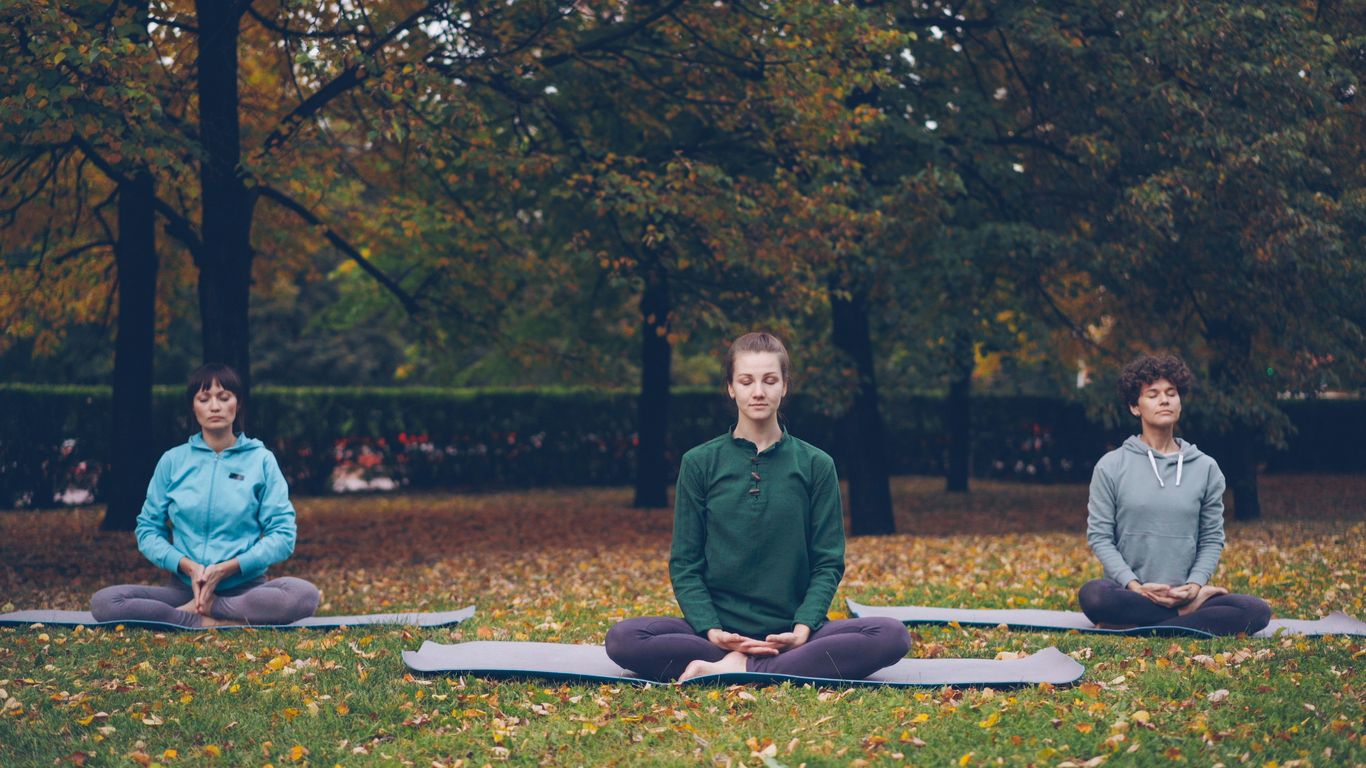
We often just breathe without thinking, right? It’s like this automatic function. But in yoga, especially when you're feeling stressed, your breath becomes this really useful tool. It’s a direct way to help calm your whole system down. Focusing on your breath can actually shift your body out of that 'fight or flight' feeling that stress puts you in. Think of it as an anchor. When your mind is racing, bringing your attention back to just breathing can pull you right back to the present moment. It’s not about stopping thoughts, but about not getting carried away by them. Different breathing techniques, or pranayama, do different things. Some are meant to energize, but for stress, we want the ones that soothe.
The Role of Pranayama in Stress Management
Pranayama, or yogic breathing, is a cornerstone of yoga for a reason. It’s not just about getting more oxygen; it’s about consciously controlling your breath to influence your mental and physical state. When you’re stressed, your breathing tends to become shallow and rapid, signaling danger to your brain. By intentionally slowing down and deepening your breath, you send a different message: safety and calm. This practice helps activate your body’s relaxation response, which is the opposite of the stress response. It’s like flipping a switch from 'on edge' to 'at ease'.
Diaphragmatic Breathing Techniques
Diaphragmatic breathing, often called belly breathing, is a simple yet incredibly effective way to tap into your body's natural calm. It involves using your diaphragm, a large muscle at the base of your lungs, to draw air deep into your belly. This allows your lungs to fill more completely, which in turn slows your heart rate and lowers blood pressure. This deep, belly-focused breath is key to shifting out of a stressed state.
Here’s how to practice it:
- Lie down or sit comfortably.
- Place one hand on your chest and the other on your belly, just below your rib cage.
- Inhale slowly through your nose, feeling your belly rise as it fills with air. Try to keep your chest relatively still.
- Exhale slowly through your mouth, feeling your belly gently fall.
- Repeat for several minutes, focusing on making your exhales slightly longer than your inhales.
Specific Breathing Patterns for Relaxation
Beyond basic diaphragmatic breathing, certain structured breathing patterns can offer even more targeted relief. These techniques use specific counts for inhaling, holding, and exhaling to create a profound sense of calm. They are like a gentle reset for your nervous system.
- Ujjayi Breath (Ocean Breath): This involves a slight constriction at the back of your throat on the exhale, creating a soft, oceanic sound. It’s grounding and can be practiced throughout your yoga session. It helps build a little internal warmth and focus.
- Alternate Nostril Breathing (Nadi Shodhana): Using your fingers to alternate closing one nostril at a time while breathing through the other is fantastic for balancing your nervous system. It’s like a mental tune-up.
- 4-7-8 Breathing: This technique is surprisingly potent for quick anxiety relief. You inhale for a count of 4, hold your breath for 7, and then exhale slowly for 8. The extended exhale is what really signals your body to relax. You can find more details on this breathing technique.
When you start to notice the subtle shifts in your body and mind during practice, you're building a powerful tool. This awareness can then be carried off the mat, helping you respond to stressful situations with more calm and less reactivity. It's about building an inner resilience that serves you every day.
Remember, the goal isn't to force the breath but to guide it gently. Even a few minutes of focused breathing can make a noticeable difference in how you feel. You can explore the basics of deep nasal inhalation as a starting point.
Effective Yoga Poses for Relieving Stress
Life can feel like a whirlwind sometimes, right? Deadlines pile up, worries buzz around, and before you know it, you're carrying a whole lot of tension. Yoga offers a way to step off that spinning carousel and find a bit of solid ground. It's not just about contorting yourself into weird shapes; it's a whole system that helps your mind and body work together to dial down the stress.
Certain yoga poses are like a gentle hug for your nervous system, helping to release the physical tightness that stress loves to hang onto. These aren't about pushing your limits, but about creating space and ease. Think of them as invitations for your body to let go of what it's been holding onto.
Forward Folds for Neck and Shoulder Release
Forward folds are fantastic for giving your neck and shoulders a break. When you fold forward, letting your head hang heavy, it can feel like a huge release. It's a chance to practice just surrendering and letting go of that constant upward pull. Poses like Standing Forward Bend (Uttanasana) or Seated Forward Bend (Paschimottanasana) are great for this. They help quiet the mind and can really soothe the nervous system.
Restorative Poses for Deep Relaxation
When you're feeling really overwhelmed, slowing down is often the best medicine. Restorative yoga is all about that. It uses props like blankets and bolsters to support your body in gentle poses, allowing you to relax deeply without any effort. Poses like Supported Child's Pose (Salamba Balasana) or Legs-Up-the-Wall Pose (Viparita Karani) are perfect for this. They help calm your nervous system, reduce fatigue, and bring a sense of peace. It's like giving yourself a much-needed break.
Gentle Stretches to Ease Tension
Beyond specific folds and restorative poses, many gentle stretches can help melt away tension. Cat-Cow Pose (Marjaryasana to Bitilasana), for example, is wonderful for moving your spine and releasing tightness in your back and neck. Even simple twists, like Bharadvaja's Twist, can help release tension along your spine and promote a feeling of well-being. Remember, the goal isn't to force anything, but to move with kindness and awareness. You can find some simple yoga poses designed to help with stress and anxiety here.
The physical postures, combined with mindful breathing, work together to calm the body's stress response. By focusing on the present moment and releasing physical tension, you create a powerful antidote to the effects of chronic stress.
Here's a quick look at how some poses can help:
- Forward Folds (e.g., Uttanasana): Releases neck and shoulder tension, calms the mind.
- Child's Pose (Balasana): Grounding and comforting, gently stretches the back and hips.
- Restorative Poses (e.g., Viparita Karani): Promotes deep relaxation and calms the nervous system.
- Twists (e.g., Ardha Matsyendrasana): Releases spinal tension and promotes well-being.
Incorporating these poses into your routine can make a real difference in how you handle daily pressures. You can explore more poses and breathing techniques for stress relief here.
Integrating Mindfulness and Meditation
Beyond the physical postures, weaving mindfulness and meditation into your yoga practice can really deepen the stress-relief benefits. It's about more than just moving your body; it's about connecting with yourself on a whole new level. When you're truly present, you start to notice things you might otherwise miss.
Mindful Breathing During Practice
Think of your breath as an anchor. As you move through your yoga poses, pay attention to each inhale and exhale. Notice how it feels in your body. Does it get shallower when you're holding a challenging pose? Does it deepen when you relax into a stretch? This simple awareness can be incredibly grounding. It helps pull your attention away from worries and brings it right back to the here and now. You can practice this focused breathing anytime, anywhere, even for just a minute, to help you feel more centered.
Guided Meditations for Clarity
Sometimes, sitting quietly can feel tough, especially when your mind is racing. That's where guided meditations come in. These are like having a gentle voice lead you through a process of calming your thoughts. They can help you explore feelings, release tension, and cultivate a sense of inner peace. Many apps and online resources offer guided sessions specifically designed to help with stress and anxiety, making it easier to find a path to mental clarity.
Yoga Nidra for Profound Rest
Yoga Nidra, often called "yogic sleep," is a powerful technique for deep relaxation. You lie down comfortably and are guided through a series of mental scans and visualizations. It's not about staying awake or falling asleep, but about reaching a state of conscious rest. This practice can be incredibly effective at releasing deep-seated tension and calming the nervous system, leaving you feeling refreshed and restored. It's a fantastic way to recharge when you feel completely drained.
The goal isn't to empty your mind completely, which is pretty much impossible. Instead, it's about observing your thoughts and feelings without getting swept away by them. This practice builds a mental resilience that helps you handle life's ups and downs with more grace.
Establishing Your Yoga Practice
Starting with Short, Consistent Sessions
Getting started with yoga, especially when you're looking to ease stress, can feel a bit much. But honestly, it doesn't have to be complicated. The key is to keep it simple and show up regularly. Think of it less like a performance and more like a gentle conversation with yourself. Don't feel like you need to block out an hour every day right from the start. Even 10 to 15 minutes can make a real difference. It's better to do a short practice every day than a long one once a week. You can gradually increase the time as you feel more comfortable and notice the benefits. Consistency builds momentum and makes it a habit. Remember, the goal is to find a practice that supports your well-being, not adds to your stress. Be patient with yourself, celebrate small victories, and enjoy the process of discovering what yoga can do for you. This approach helps build a solid foundation for stress relief through regular practice.
Creating a Dedicated Practice Space
Find a spot in your home where you can be relatively undisturbed. It doesn't need to be fancy – a corner of your living room or bedroom will do. Make it feel inviting. Maybe light a candle, put on some soft music, or just ensure the space is tidy. This little ritual helps signal to your brain that it's time to relax and focus inward. A calm environment can significantly impact your ability to disconnect from daily worries and connect with your inner self.
Finding Styles That Resonate
Yoga isn't one-size-fits-all. If you're feeling anxious or tense, styles like Hatha, Restorative, or Yin yoga are often recommended because they move at a slower pace and focus on relaxation. However, even a more active Vinyasa flow can be calming if you focus on your breath and the present moment. Try a few different types, maybe through online classes or local studios, to see what feels best for your body and mind right now. Listening to your body's needs is probably the most important tip. Yoga is not about pushing yourself to your limits or achieving a perfect pose. It's about awareness and self-care. If something feels painful, back off. If you need to rest in Child's Pose during a flow, do it. Your body will tell you what it needs if you learn to pay attention. Modifications are your friend! Exploring different approaches can help you find poses that specifically target areas of tension, like those for neck and shoulder release.
Real-Life Transformations Through Yoga
Personal Journeys to Stress Relief
Life can feel like a whirlwind sometimes, right? Between work, family, and just the general hustle, it's easy to get caught up in the stress. But so many people have found a real lifeline in yoga. Take Sarah, for example. She was drowning in deadlines at her marketing job and felt totally overwhelmed. After just a few yoga classes at her local studio, she noticed a big difference. The gentle movements and focus on breath helped her step back from the pressure cooker, and she felt more capable of handling her workload. It’s like finding a quiet spot in a really noisy room.
Overcoming Overwhelm with Yoga
For parents, finding a moment of peace can feel almost impossible. Mark, a dad with three kids, was dealing with a lot of anxiety. He started rolling out his mat in the living room after the kids were in bed. Slowly, with each session, a sense of calm started to settle over him. It became his personal escape, a way to recharge so he could be more present for his family. It wasn't about becoming some kind of yoga guru; it was about finding a way to manage the daily pressures without letting them take over. This practice gave him tools to feel more grounded, even when life felt completely chaotic. This mind and body program is highly effective, leading to improved emotional and physical well-being. Participants report feeling better overall, even with some physical limitations.
Finding Sanctuary Amidst Daily Life
Sometimes, the biggest changes come from small, consistent efforts. Emily was a bit unsure about yoga at first, but she gave a community class a try. What surprised her most was how much the breathing exercises helped. It wasn't just about the physical poses; learning to control her breath gave her a new way to approach stressful moments throughout her day. She found that by focusing on her breath, she could react less impulsively and feel more in control. It’s a simple technique, but its impact on how she handles everyday challenges has been significant. A 30-day yoga immersion in Costa Rica offered a profound mind-body-spirit experience, revealing the true essence of yoga.
The goal on your yoga mat isn't just to move your body. It's about being present with whatever you're feeling. This focused attention is what mindfulness is all about. It’s like turning down the volume on all the background noise in your head and tuning into what's happening right now. This simple act of paying attention can make a huge difference in how you feel, both physically and mentally.
Finding Your Calm, One Breath at a Time
So, we've talked about how yoga can really help when life gets a bit much. It's not some magic fix, but by focusing on your breath and moving your body, you can start to feel a difference. Remember those poses we went over, like the forward fold or even just lying still in Savasana? They're simple tools to help you let go of some of that built-up tension. And don't forget about just paying attention to your breathing – that alone can make a big impact. It might take a little time and practice to make it a habit, but finding even a few minutes each day to connect with yourself on the mat can lead to a much calmer you. Give it a try, and see where your yoga journey takes you.
Frequently Asked Questions
What exactly is yoga and how does it help with stress?
Yoga is an old practice that involves moving your body, focusing on your breath, and sometimes quiet thinking. It helps with stress because it calms down your body's 'fight or flight' mode, which gets activated when you're stressed. By breathing deeply and moving gently, yoga helps you relax and feel more peaceful.
Do I need to be flexible to do yoga for stress relief?
Not at all! Yoga for stress relief isn't about being able to touch your toes or do fancy poses. It's more about how you feel and how you breathe. Many poses can be modified, and the focus is on connecting with your body and finding a sense of calm, not on how flexible you are.
What are some simple breathing exercises I can do to feel calmer?
One easy technique is called deep belly breathing. Just place one hand on your belly and the other on your chest. Breathe in slowly through your nose, feeling your belly rise. Then, breathe out slowly through your mouth. Another simple one is to breathe in for a count of 4, hold for 4, and breathe out for 6. This helps slow your heart rate.
Can you suggest some easy yoga poses for beginners to help with stress?
Absolutely! A gentle forward bend, like touching your knees or shins instead of the floor, can release tension in your neck and shoulders. Lying on your back in 'Corpse Pose' (Savasana) at the end of your practice is also amazing for deep relaxation. Even simple seated stretches can help ease tightness.
How often should I practice yoga to see stress relief benefits?
You don't need to practice for hours every day. Even starting with 10-15 minutes a few times a week can make a big difference. Consistency is more important than length. Find a time that works for you, even if it's just before bed or first thing in the morning.
What's the difference between yoga and meditation for stress?
Yoga often includes meditation and mindful breathing as part of its practice. Yoga gets your body moving and helps release physical tension, while meditation is more about focusing your mind and observing your thoughts without judgment. They work really well together to help you feel calm and centered.

