

Unlock Full-Body Flexibility: Essential Stretch Yoga Exercises for Stress Relief
Feeling a bit stiff lately? It happens to the best of us, especially if you spend a lot of time sitting or just generally moving through a busy life. This article is all about using some simple yoga poses, or what we call stretch yoga exercises, to help you feel more open and relaxed. We'll look at how these movements can make a real difference in how your body feels, not just after a session, but day-to-day. It’s not about becoming a contortionist; it's about feeling better in your own skin.
Key Takeaways
- Regular stretch yoga exercises help improve your body's range of motion, making everyday tasks easier.
- Stiffness can create a cycle where discomfort leads to less movement, which worsens stiffness.
- Yoga poses target common tight spots like hips, hamstrings, and the spine, promoting better posture and less pain.
- Breathing is a big part of yoga; slow, steady breaths help your muscles relax and lengthen safely.
- Consistency is more important than intensity; short, regular practices of stretch yoga exercises yield the best results.
Unlock Full-Body Flexibility with Essential Stretch Yoga Exercises
Feeling a bit stiff lately? You're not alone. Life, especially with all the sitting we do, can really tighten us up. Our bodies adapt to what we ask of them most, and if that's mostly sitting, well, our hip flexors shorten and our spines get a bit grumpy. It's a gradual thing, so gradual that we often just accept it as normal. You know, bending your knees more to pick something up because your hamstrings just won't stretch, or turning your whole body instead of just your neck to see something. Each little change chips away at how freely we can move.
Understanding the Importance of Flexibility
Flexibility is more than just being able to touch your toes. It's about having the range of motion your joints need for everyday tasks. Think about tying your shoes, reaching for something on a high shelf, or even just getting up from the floor. When muscles are tight and joints are restricted, these simple actions can become difficult or uncomfortable. This gradual loss of mobility can make daily life feel harder than it needs to be.
The Cycle of Stiffness and How Yoga Helps
There's a bit of a cycle that happens with stiffness. When you feel tight, you tend to move less, which makes you stiffer. This stiffness can slow down recovery after any activity, and then you might start avoiding physical challenges altogether because you lack confidence in your body's ability. It's a loop that can be tough to break. Yoga offers a way out. Consistent practice, even for short periods, helps lengthen tight tissues and calms the nervous system. It's not about forcing yourself into extreme positions, but about regular, gentle movement. Research shows that consistent yoga practice can significantly improve flexibility and balance over time. Regular yoga practice helps your body learn new, safer ranges of motion.
Benefits of Regular Stretch Yoga Exercises
Practicing stretch yoga regularly does more than just make you more bendy. It helps improve your circulation, which is good for your whole body. It also plays a big role in calming your mind, which is a huge plus when you're feeling stressed. When you move your body with intention and focus on your breath, you signal to your nervous system that it's okay to relax. This can lead to a feeling of deep rest and recovery, something we could all use more of. It's about creating a body that feels more at ease and a mind that feels more settled. You might find that simple poses like Corpse Pose can offer profound relaxation.
Key Stretch Yoga Exercises for a Total Body Release
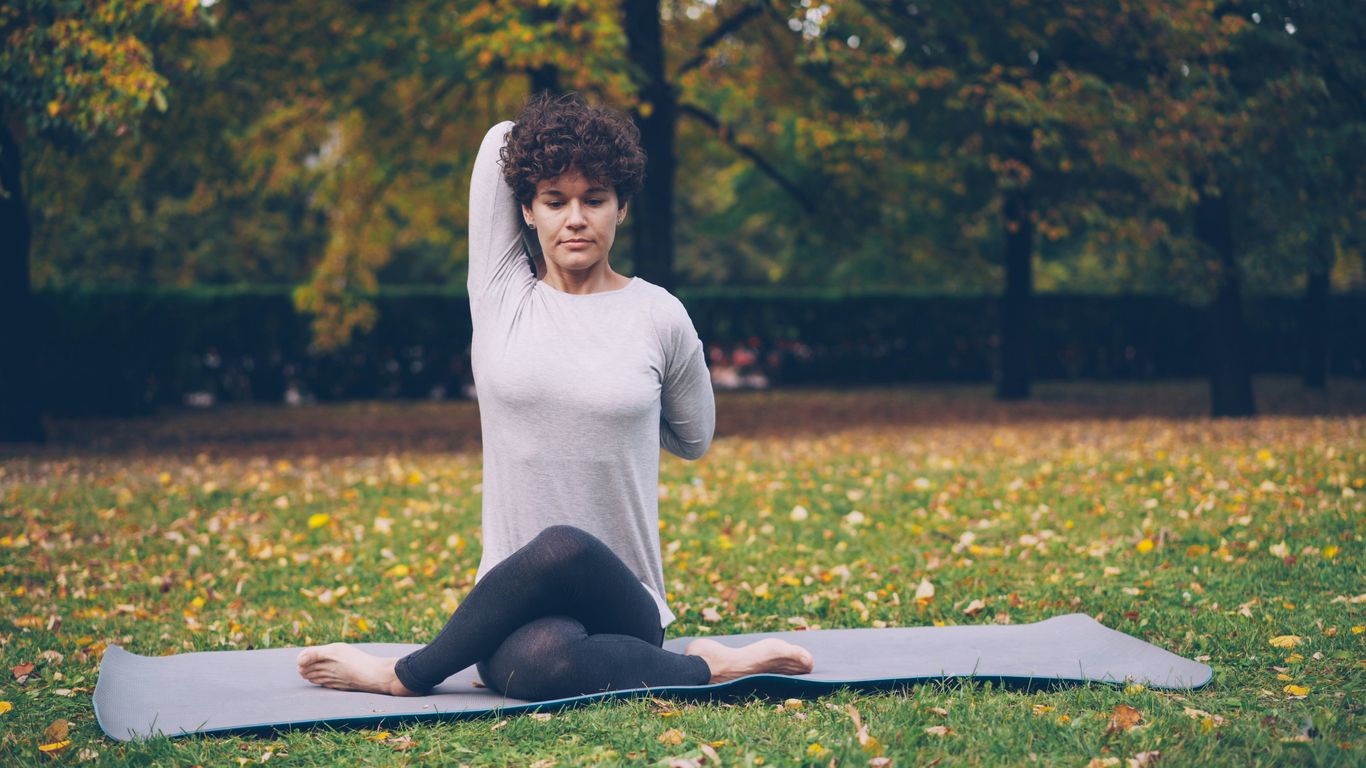
When you're feeling all knotted up, certain yoga poses can really help loosen things up. These aren't just about touching your toes; they're about releasing tension that builds up from sitting too much or just everyday stress. Getting your body moving through these stretches can make a big difference in how you feel.
Downward-Facing Dog for Posterior Chain Lengthening
This pose is like a full-body reset. You start on your hands and knees, then lift your hips up and back, forming an inverted V shape. It stretches out the back of your body – your calves, hamstrings, glutes, and even your spine. It's great for decompressing your back and getting more comfortable with weight-bearing flexibility. Try to focus on pushing your hips up and making your spine long, rather than just trying to get your heels to the floor. The stretch should feel spread out, not stuck in one tight spot.
Low Lunge to Release Tight Hip Flexors
If you sit a lot, your hip flexors probably feel pretty tight. This can lead to back discomfort and make it harder to move freely. The Low Lunge targets these muscles, and it also gives your quads and groin a good stretch. To do it, you'll step one foot forward into a lunge, with your back knee on the ground. Keep your pelvis tucked slightly to get a deeper stretch safely. You'll feel this right in the front of your hip, which is often where sitting causes the most problems. This pose is a good way to counter the effects of a sedentary lifestyle.
Seated Forward Fold for Hamstring and Spine Mobility
This is a classic for a reason. Sitting down with your legs extended in front of you and folding forward helps improve the flexibility in your hamstrings and the entire back of your body. It's also really good for calming your nervous system, especially when you breathe steadily. The trick here is to keep your spine long instead of trying to force your head to your knees. The goal is length, not just how far you can fold. A slight bend in the knees is perfectly fine and actually helps protect your lower back while still giving you a good stretch. This pose can be a great addition to your routine for stress relief.
These poses work by targeting the areas that commonly get tight, promoting a balanced kind of movement rather than just pulling on one muscle. Doing them regularly, even for short periods, is more effective than doing long sessions once in a while. Your body needs to experience these new ranges of motion repeatedly to feel safe and functional in them.
Deepening Your Practice with Targeted Stretch Yoga Poses
Sometimes, the basic stretches are just the beginning. To really start feeling a difference in your body, you need to get a little more specific with your poses. These next few are designed to get into those areas that tend to hold onto a lot of tension, like your hips and shoulders. They might feel a bit intense at first, but that's where the real release happens.
Pigeon Pose for Hip Opening and Tension Release
Pigeon Pose is a real game-changer for anyone who sits a lot or feels tightness in their hips. It gets deep into those hip rotators and glutes, muscles that often get neglected. Many people store a lot of stress and anxiety in their hips, and this pose can help let some of that go. It's about creating space, both physically and emotionally.
To get into it, start in a Downward-Facing Dog. Bring one knee forward towards your hands, then lower that leg so the outer shin is on the floor. Extend your other leg straight back behind you, keeping your hips as level as possible. If your hip is hovering way off the ground, don't worry. You can slide a blanket or cushion under that side for support. This isn't about forcing anything; it's about allowing your body to relax into the stretch. Focus on your breath to help release any holding.
Cobra Pose to Counteract Desk Postures
If you spend hours hunched over a desk or phone, Cobra Pose is your best friend. It's fantastic for opening up your chest and shoulders, and it gently extends your spine. This helps to counter that forward-leaning posture we all tend to adopt. It also strengthens your back muscles.
Lie on your belly with your hands under your shoulders. As you inhale, press into your hands and lift your chest off the floor. Think about lifting through your chest, not just pushing with your arms. You want to feel an opening across your chest and a gentle extension in your back, not any pinching or compression. It’s a subtle but powerful way to reset your posture.
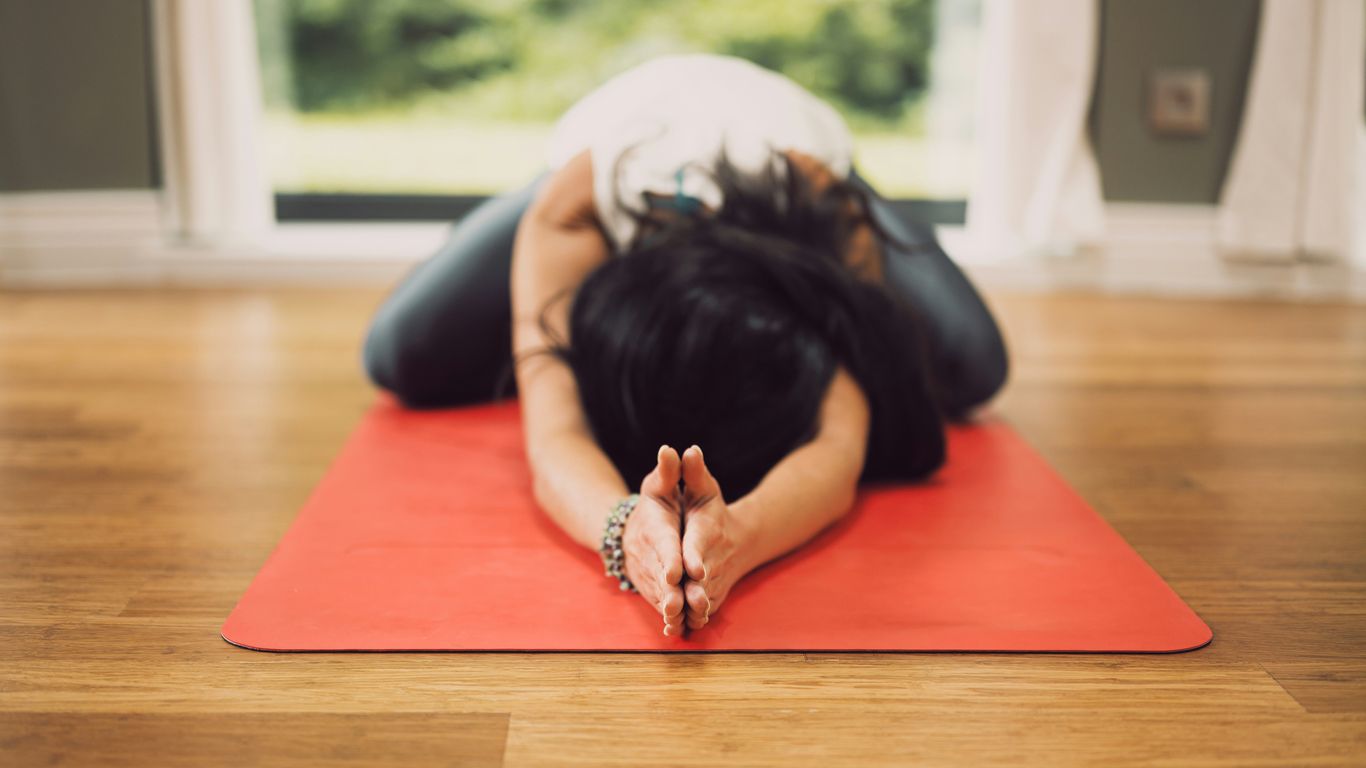
Child's Pose for Gentle Relaxation and Stretch
While it might seem simple, Child's Pose is incredibly effective for a gentle stretch and deep relaxation. It's a great pose to return to between more challenging ones or at the end of your practice. It stretches the lower back, hips, and shoulders.
To deepen the shoulder stretch, you can extend your arms straight out in front of you, letting your forehead rest on the mat. This pose is a wonderful way to signal to your nervous system that it's okay to relax. It’s a moment of quiet surrender.
Holding these poses for a few extra breaths, focusing on steady, even breathing, can make a significant difference. It's not about how deep you go, but about how mindfully you inhabit the shape and allow your body to respond.
Dynamic Stretch Yoga Exercises for Spinal Health
While holding poses is great for building flexibility, sometimes your spine just needs to move. Dynamic stretches are like a gentle wake-up call for your back, getting things flowing without holding you in one spot for too long. They help improve how your spine moves in different directions, which is super important for everyday activities and can really help with that stiff feeling.
Cat-Cow Flow for Spinal Mobilization
This is a classic for a reason. Cat-Cow, or Marjaryasana-Bitilasana, is a simple back-and-forth movement that links your breath to your spine's natural curves. You start on your hands and knees, and as you inhale, you drop your belly, lift your chest and tailbone (Cow pose). Then, as you exhale, you round your spine towards the ceiling, tucking your chin and tailbone (Cat pose).
- Inhale: Drop belly, lift chest and tailbone (Cow).
- Exhale: Round spine, tuck chin and tailbone (Cat).
- Repeat this flow for 5-10 breaths, moving with your breath.
This sequence is fantastic for warming up the spine and increasing its range of motion. It's a great way to start any yoga session or even just to break up long periods of sitting. It helps improve coordination between your breath and movement, which can be really calming.
Supine Spinal Twist for Gentle Rotation
Lying on your back, this twist is a super gentle way to get some rotation into your spine. It feels really good, especially if you've been sitting for a while. You lie down, bring one knee towards your chest, and then let that knee fall across your body towards the opposite side, keeping your shoulders grounded. You can extend the opposite arm out to the side and turn your head to look at your hand if that feels okay.
This pose is all about encouraging a gentle release in the muscles along your spine and in your hips. It's not about forcing the knee to the floor, but rather allowing gravity and your breath to do the work. The key is to keep both shoulders as close to the mat as possible.
This movement helps to release tension in the mid and lower back and can also give your chest and shoulders a nice stretch. It's a great way to improve thoracic rotation, which is often limited by our modern lifestyles. You can find more exercises to improve back flexibility in this list of exercises.
Seated Spinal Twist for Core and Back Release
Once you're comfortable with the supine version, you can try a seated spinal twist. Sit up tall with your legs extended. You can bend one knee and cross that foot over the opposite leg, or simply keep both legs extended and twist from your torso. As you inhale, lengthen your spine, and as you exhale, gently twist your torso towards the bent knee or the side of your extended legs. Place your opposite elbow on the outside of your bent knee for leverage, or simply hug your knee to your chest.
- Sit tall, lengthening the spine on each inhale.
- Twist from the torso on each exhale.
- Keep both sit bones grounded.
This twist not only works on spinal mobility but also engages your core muscles. It's a wonderful way to counter the effects of slouching and can help relieve tension built up in the back and sides. It’s a good way to find relief and improve your posture with simple poses that can be easily incorporated into your routine for a healthier back simple poses.
These dynamic movements are fantastic for keeping your spine healthy and mobile. They help prepare your body for deeper stretches and everyday movements, making you feel more fluid and less restricted.
Incorporating Stretch Yoga Exercises for Stress Relief
So, you've been doing some of these stretches, and maybe you're feeling a bit more open in your body. That's great! But how do you actually make this a regular thing, especially when life feels like it's throwing curveballs? It's not just about the poses themselves, but how you approach them and weave them into your day. The real magic happens when you connect your breath to your movement.
The Role of Breath in Releasing Tension
Think about it: when you're stressed, your breathing gets shallow and quick, right? Your muscles tense up. Yoga teaches us to do the opposite. By focusing on slow, deep breaths, you send a signal to your nervous system that it's okay to relax. It's like a gentle nudge to your body saying, 'Hey, you can let go of some of that tightness.'
- Inhale: Feel your belly and rib cage expand. This is your body taking in calm.
- Exhale: Let the breath go slowly, imagining tension leaving your body with it.
- Hold: Briefly pause at the end of your exhale, finding a moment of stillness.
This mindful breathing can turn a simple stretch into a powerful stress-reliever. It’s a quick way to find relief and promote relaxation [09b0].
Mindful Movement for Mental Calm
Beyond just the physical stretch, the act of moving your body with intention is incredibly calming for the mind. When you're focused on how your body feels in a pose, you're less likely to be caught up in worries about the past or future. It's a form of active meditation. You're not trying to achieve some perfect yoga pose; you're just noticing what's happening in your body right now. This present-moment awareness is a big part of why yoga helps with stress. It helps you feel more grounded and less scattered.
The practice isn't about pushing your limits or achieving a certain look. It's about gentle exploration and self-awareness. Each stretch is an opportunity to check in with yourself, noticing where you hold tension and offering it a release through breath and slow movement.
Building a Sustainable Daily Practice
Okay, so how do you actually stick with it? Trying to do an hour of yoga every day might feel overwhelming. It's much more effective to start small and be consistent. Even five to ten minutes each day can make a big difference over time. Think of it like watering a plant – a little bit every day keeps it healthy.
Here’s a simple way to start:
- Morning Wake-Up (5 mins): A few gentle stretches like Cat-Cow and a seated forward fold to start your day.
- Midday Reset (3 mins): A quick Downward-Facing Dog or Low Lunge to break up sitting.
- Evening Wind-Down (7 mins): Child's Pose and a gentle twist to prepare for sleep.
Remember, the goal is progress, not perfection. Some days you'll feel more flexible than others, and that's totally fine. The key is showing up for yourself regularly, even if it's just for a few minutes. This consistent effort helps build resilience, both physically and mentally, and can significantly reduce feelings of stress [df6e].
Advanced Stretch Yoga Exercises for Enhanced Mobility
Crescent Lunge for Hip and Quad Stretch
This pose is great for really opening up the front of your hips and the muscles in your thighs. It's a bit of a challenge, but totally worth it for how much better you'll feel afterwards. You'll step one foot forward, bending the knee, and keep the back leg straight, lifting your arms overhead. It feels like a big stretch, especially in that back leg's hip flexor. Holding this pose helps build strength in the lengthened position, making your flexibility more functional.
Extended Puppy Pose for Shoulder and Spine Lengthening
Think of this as a gentler version of Downward-Facing Dog, but with your knees on the ground. You walk your hands out in front of you, letting your chest melt towards the floor while keeping your hips up. It's a fantastic way to get a nice stretch through your shoulders and the entire length of your spine. It really helps counteract all that hunching we do when sitting at desks.
Bridge Pose for Chest and Spinal Extension
This pose is all about opening up the front of your body. You lie on your back, bend your knees, and then lift your hips off the ground, keeping your feet and hands planted. It's a gentle backbend that helps to stretch out your chest, shoulders, and the front of your torso. It feels really good after a day of sitting. It's a good idea to warm up your body a bit before trying these deeper stretches; even a few minutes of walking can make a difference in how far you can go. Discover the best yoga stretches to help you feel more open and balanced.
Keep Moving, Keep Stretching
So there you have it. A few simple yoga poses to help you feel a bit more open and less tense. It’s not about becoming a pretzel overnight, you know? It’s just about finding those little moments to give your body some space to breathe and move. Remember, even just a few minutes here and there can make a real difference in how you feel day-to-day. Don't get discouraged if you're not super flexible right away. Just keep at it, listen to your body, and enjoy the process of feeling a little bit better, a little bit looser, and a lot more relaxed.
Frequently Asked Questions
What are the main benefits of doing yoga stretches for flexibility?
Doing yoga stretches can help you move your body more easily, lessen muscle tightness, and even help you stand up straighter. It can also make you feel more relaxed and less stressed. Plus, better blood flow means your muscles can bounce back faster after you use them, and it helps prevent that stiff feeling.
How often should I do these yoga stretches?
It's best to do these stretches regularly. Even just five to eight minutes each day can make a big difference. Instead of doing a long session once in a while, try to do a little bit every day. This helps your body get used to moving in new ways.
What if I can't do a pose perfectly?
Don't worry if you can't do a pose perfectly right away! The goal is to feel a stretch and release tension, not to force yourself into a difficult position. It's okay to bend your knees or use props like cushions for support. Listen to your body and go at your own pace.
How does breathing help with flexibility?
Breathing deeply and smoothly while you stretch is super important. It tells your nervous system that it's okay to relax, which allows your muscles to lengthen more easily. If you're breathing hard, it usually means you're pushing too much.
Can yoga stretches really help with stress?
Absolutely! When you stretch your muscles, you release physical tension, which can also help release mental tension. Focusing on your breath and moving mindfully during yoga can help calm your mind and make you feel more peaceful.
I sit a lot for work. How can yoga help my stiffness?
Sitting for long periods can make your hip muscles tight and affect your back and shoulders. Poses like the Low Lunge and Cobra Pose are great for opening up those areas and counteracting the effects of sitting. They help bring back the natural movement in your body.

