
Unlock Flexibility: Essential Shoulder Stretches Yoga for Relief and Mobility
Having trouble with your shoulders? Maybe you're looking for ways to keep them healthy and moving well. Shoulder issues can really limit what you can do, making everyday movements tough. Doing specific shoulder stretches yoga can help with that. It’s not just about touching your toes; it’s about making your joints feel better and preventing those aches. Whether you're new to yoga or have been practicing for a while, these shoulder stretches yoga poses can make a real difference in how your upper body feels. Let's get those shoulders feeling more open and free.
Key Takeaways
- Regularly doing shoulder stretches yoga can increase your flexibility and how much your shoulder joints can move.
- Stronger shoulder muscles help keep your joints stable, which is good for yoga and other activities.
- Good posture is helped by working on the muscles in your upper back and shoulders.
- Doing these shoulder stretches yoga poses can help prevent common injuries like strains.
- Yoga poses for shoulder pain can also help reduce stress and tension you might be holding in your shoulders.
Unlock Shoulder Mobility With Yoga
Shoulder issues can really throw a wrench in your day, limiting how you move and causing discomfort. Yoga offers a gentle yet effective way to address this. By focusing on specific poses and movements, you can start to feel a difference in your shoulder's range of motion and overall comfort. This practice is about more than just flexibility; it's about building resilience and preventing future problems.
The Benefits of Shoulder Stretches Yoga
Regularly incorporating yoga into your routine for shoulder health brings a lot of good things. It's not just about touching your toes or holding a difficult pose; it's about how your body feels and functions day-to-day. Think about how much you use your shoulders – reaching for things, carrying groceries, even typing. Keeping them mobile and strong makes all of that easier.
Here are some of the key advantages:
- Increased Flexibility: You'll notice you can move your arms and shoulders more freely, making everyday tasks and yoga poses feel less restricted.
- Better Posture: Many of us hunch forward, especially after long hours at a desk. Shoulder stretches help open up the chest and strengthen the upper back, naturally improving how you stand and sit.
- Injury Prevention: Strong, flexible shoulders are less prone to strains and sprains. Yoga helps build the support system around your shoulder joints.
- Tension Relief: Stress often settles in the shoulders. These movements can help release that built-up tension, leaving you feeling more relaxed.
A common complaint is stiffness in the shoulders, often from repetitive motions or simply holding tension. Yoga provides a way to gently work through these tight spots, encouraging blood flow and easing discomfort without harsh movements.
Strength and Flexibility for Optimal Movement
When we talk about shoulder mobility, it really comes down to two main things: strength and flexibility. They work hand-in-hand. Strength gives your shoulder joints the stability they need. Think of strong muscles like the rotator cuff and upper back muscles as the support beams holding everything in place. They help keep your shoulders aligned, especially when you're doing poses that put weight on your arms or require big movements. Without this support, you're more likely to feel unstable or even get hurt. You can find some helpful poses for this in this guide.
Flexibility, on the other hand, is what allows for that full range of motion. If your muscles and the tissues around your joints are tight, they'll limit how far you can move. This can make reaching overhead or rotating your arm feel difficult. Yoga poses work to lengthen these tight muscles and increase the space within the joint, allowing your arms to move more freely. It's this combination of strong support and free movement that leads to truly optimal shoulder function.
Preparing for Your Shoulder Stretches Yoga Practice
Before you jump into any shoulder stretches, a little preparation goes a long way. You don't need a full hour, but a few minutes to get your body ready can make the practice much more effective and safer. Think of it like warming up an engine before a long drive.
- Gentle Movement: Start with some simple movements to get the blood flowing. This could be shoulder rolls, arm circles, or even just gently shrugging your shoulders up and down.
- Mindful Breathing: Take a few moments to focus on your breath. Deep, steady breaths help calm the nervous system and prepare your body for movement. It also helps you tune into what your body is feeling.
- Set the Space: Find a quiet spot where you won't be interrupted. Lay out your mat and any props you might use, like a blanket or block. This simple act can help you mentally transition into your practice. If you're looking for specific guidance, consider exploring physical therapy-informed yoga for tailored approaches.
Foundational Shoulder Stretches Yoga Poses
Alright, let's get into some basic yoga poses that are really good for your shoulders. These are the ones you can start with, even if you're new to yoga or just looking to loosen up a bit. They're not too complicated, but they do the job of gently opening things up.
Child's Pose for Gentle Release
This is a super calming pose, almost like a little reset button for your body. You'll start on your hands and knees. Then, you just sink your hips back towards your heels, letting your forehead rest on the mat. Your arms can stretch out in front of you, or you can let them relax by your sides. It's a great way to give your shoulders a break and let them relax. It's all about letting go of tension here.
Cat-Cow Pose for Dynamic Movement
Cat-Cow is a classic for a reason. It's a flowing movement that warms up your spine and shoulders. You start on your hands and knees again. On an inhale, you drop your belly, lift your chest, and look up a bit (that's Cow). Then, on an exhale, you round your spine, tuck your chin, and let your shoulders spread apart (that's Cat). You just move back and forth between these two shapes with your breath. It feels really good and gets things moving.
Bridge Pose for Chest and Shoulder Opening
Bridge Pose is a bit more active. You lie on your back with your knees bent and feet flat on the floor, hip-width apart. Your arms are alongside your body. As you inhale, you press into your feet and lift your hips off the floor. Try to keep your thighs parallel. This pose opens up your chest and the front of your shoulders. It's a nice counter to all the hunching we do. You can even clasp your hands underneath you for a deeper stretch. It's a good one for building a little strength while you stretch.
Deepening Your Shoulder Stretches Yoga Practice
Once you've got the basics down, it's time to explore some poses that really get into those tight spots. These next stretches are designed to give your shoulders and upper back a more thorough opening, helping to release deeper tension and improve your range of motion. Remember to move slowly and mindfully.
Puppy Pose for Shoulder and Chest Expansion
This pose is like a gentler version of Downward-Facing Dog, focusing on opening the chest and shoulders. Start on your hands and knees, with your wrists directly under your shoulders and your knees under your hips. Slowly walk your hands forward, keeping your hips stacked over your knees. Let your chest melt towards the floor, feeling a stretch across your shoulders and the front of your chest. You can rest your forehead on the mat or on a block if that feels better. Hold this for about 30 seconds, breathing deeply.
Thread the Needle for Rotational Mobility
Thread the Needle is fantastic for adding some rotation into your shoulder joint and releasing tension in the upper back. From your tabletop position, inhale and reach your right arm up towards the ceiling. As you exhale, thread that arm underneath your left arm, lowering your right shoulder and the side of your head to the mat. Your left hand can stay where it is, or you can walk it forward for a deeper stretch. This pose helps with that often-stiff feeling in the upper back and shoulders. Hold for a few breaths on each side.
Eagle Arms for Upper Back and Shoulder Relief
Eagle Arms, or Garudasana arms, is a pose that really targets the muscles between your shoulder blades and the outer shoulders. Sit or stand with a straight spine. Bring your arms out in front of you and cross your right arm over your left at the elbows. Bend your elbows and try to bring your palms together, or at least your fingertips. If this is too much, just hold your opposite shoulders. Lift your elbows slightly and draw your shoulder blades down your back. You should feel a good stretch across your upper back. Hold for 30 seconds, then switch sides. This pose is great for relieving shoulder tension.
These deeper stretches are about finding sensation, not pushing into pain. If something feels sharp or wrong, ease back immediately. The goal is release, not strain.
Integrating Shoulder Stretches Yoga into Your Routine
So, you've been working on some great yoga poses for your shoulders, and now you're wondering how to make this a regular thing. It's not about doing a full-on yoga marathon every day, but finding small, consistent ways to keep those shoulders happy. Think of it like brushing your teeth – a little bit often makes a big difference.
Wall Angels for Postural Support
This one is pretty simple but really effective for reminding your body how to stand up straight. Find a clear wall space. Stand with your back against it, feet a little away from the wall. Try to get your tailbone, upper back, and head to touch the wall. Now, bring your arms up, bent at the elbows, like you're making a 'W' shape with your body. Your forearms and the backs of your hands should be against the wall. Slowly slide your arms up the wall, keeping contact, and then bring them back down. It might feel a bit awkward at first, especially if you spend a lot of time hunched over a desk. This movement helps counteract that forward-slump posture.
Shoulder Circles for Warm-up and Circulation
Before you even get to your mat, or even while you're waiting for your coffee to brew, shoulder circles are your friend. Stand or sit comfortably. Gently let your arms hang by your sides. Start by making small circles with your shoulders, moving them forward. Gradually make the circles bigger. After a few rounds, reverse the direction, bringing your shoulders backward. You can do these forward and backward a few times. It's a great way to get blood flowing and loosen things up. You can even do them while you're sitting at your desk if you feel a bit stiff.
Cow Face Arms for Targeted Flexibility
This one, often called Gomukhasana arms, can feel intense, so take it slow. Start by reaching your right arm up towards the ceiling. Bend your elbow and let your hand drop down your back. Now, bring your left arm out to the side, bend the elbow, and try to bring the back of your left hand up your spine towards your right hand. You might not be able to clasp your hands, and that's totally fine. Use a strap or towel between your hands if they're too far apart. Hold for a few breaths, feeling the stretch in your shoulder and triceps. Then, switch sides. This pose really targets the muscles that can get tight from everyday activities.
Integrating these simple movements into your daily life, even for just a few minutes, can make a noticeable difference in how your shoulders feel. It's about building a habit of care for your upper body, one small stretch at a time. Consistency is key here, more so than the duration of any single session.
Here's a quick look at how you might fit them in:
- Morning: Start with shoulder circles to wake up the area.
- Midday: If you're at a computer, do a few Wall Angels to reset your posture.
- Evening: Try Cow Face Arms for a deeper stretch before bed, especially if you've had a physically active day.
Key Considerations for Shoulder Stretches Yoga
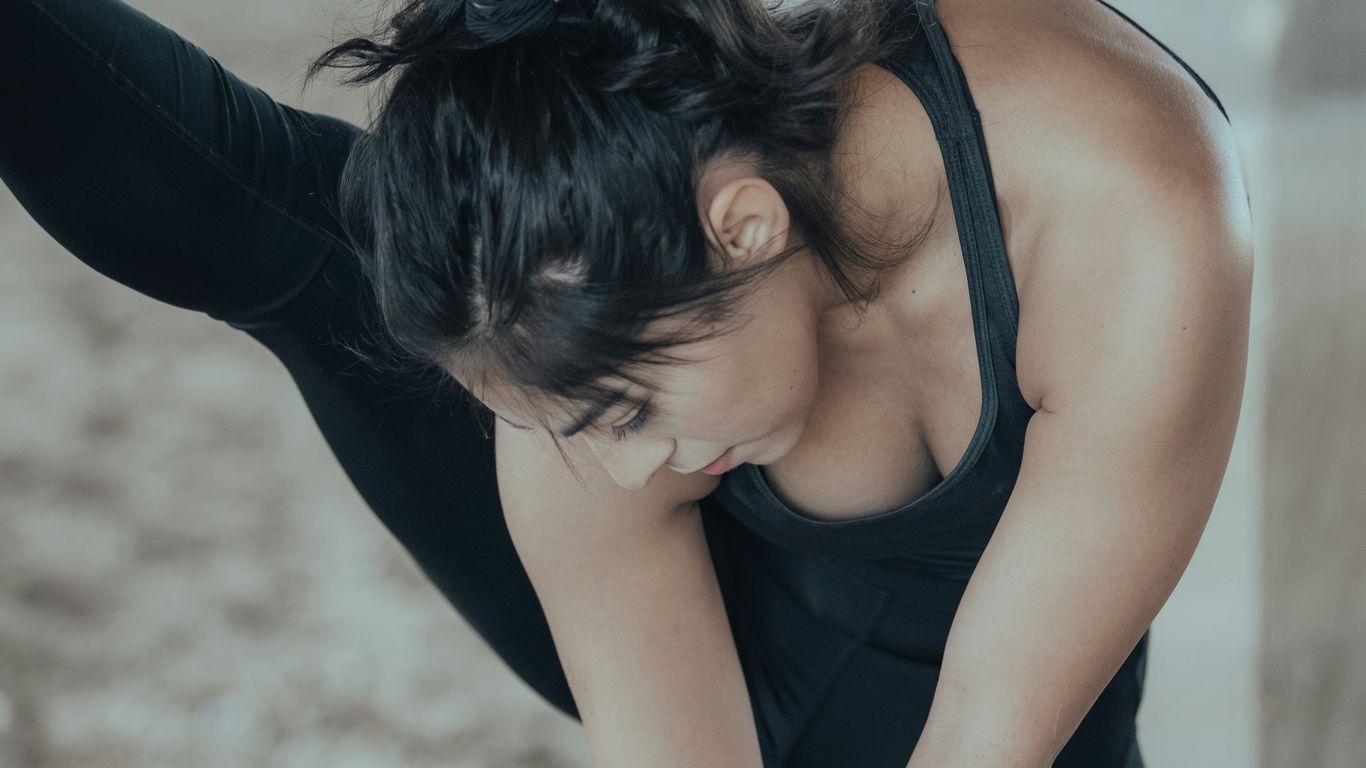
Alright, so you're ready to get those shoulders moving better with some yoga. That's awesome! But before you jump into every pose you see, let's chat about a few things to make sure you're doing it right and staying safe. It’s not just about bending and stretching; it’s about doing it smart.
Listen to Your Body and Avoid Pain
This is probably the most important rule, honestly. Your body talks to you, and you need to listen. If a stretch feels like a sharp pain, or just plain wrong, stop. Pushing through pain isn't going to help you get more flexible; it's more likely to cause an injury. Think of it like this: you wouldn't keep trying to force a key into a lock if it wasn't fitting, right? Same idea here. There are tons of great shoulder stretches out there, and if one isn't working for you, there are others. You can find some helpful stretches here.
The Importance of Proper Breathing
Breathing is like the secret sauce in yoga, especially for shoulder work. When you breathe deeply and smoothly, it helps your muscles relax. Holding your breath? That just makes everything tense. Try to sync your breath with your movements. Exhale as you deepen a stretch, and inhale as you come out of it or find a more comfortable position. It really makes a difference in how far you can go and how good it feels.
Gradual Progression for Best Results
Don't expect to be doing the most advanced poses on day one. It takes time to build up strength and flexibility. Start with the gentler poses and hold them for shorter periods. As you get more comfortable and your shoulders feel more open, you can gradually increase the duration or try slightly more challenging variations. Consistency is key here. Doing a little bit regularly is way better than doing a lot once in a while. It’s a marathon, not a sprint, for your shoulder health.
Remember that yoga is a practice, not a competition. There's no need to compare your progress to anyone else's. Focus on your own journey and celebrate the small wins along the way. Your body will thank you for it.
Wrapping It Up
So, that’s a look at some yoga moves that can really help out your shoulders. Whether you're feeling stiff from sitting at a desk all day or just want to move a bit better, these stretches can make a difference. Remember to take it easy, especially when you're starting out, and always listen to your body. Consistent practice is key, and you might be surprised at how much more comfortable and free your shoulders feel. Keep moving, keep breathing, and enjoy the relief.
Frequently Asked Questions
Why are shoulder stretches important for yoga?
Stretching your shoulders helps them move better and become stronger. This is super important for doing yoga poses correctly and without getting hurt. It makes your shoulders more flexible, helps you stand up straighter, and keeps you steady when you're holding a pose. Plus, it can stop those annoying shoulder aches and pains.
How do strong and flexible shoulders help?
Having strong shoulders means your shoulder joints are well-supported and won't move around too much. Being flexible means your shoulders can move freely without feeling stiff. When you have both strength and flexibility, your shoulders can do all sorts of movements easily and safely, which is great for yoga and everyday life.
What's the best way to start doing shoulder stretches?
It's best to start slow and listen to your body. Don't push yourself too hard, especially if you're new to this. Always warm up your shoulders a bit before you start, like doing some arm circles. If you feel any sharp pain, stop immediately. It's also a good idea to talk to a doctor or a yoga teacher if you've had a shoulder injury.
Can yoga really help with shoulder pain?
Yes, definitely! Yoga poses can help ease shoulder pain and stiffness by making the muscles around your shoulders and neck more flexible and strong. It can also help you stand taller, which often fixes the cause of shoulder pain. Plus, yoga helps you relax and let go of stress, which can make your shoulders feel tight.
What are some simple yoga poses for shoulder relief?
Child's Pose is a really gentle way to relax your shoulders and upper back. Cat-Cow Pose is great for moving your spine and shoulders smoothly. Bridge Pose can help open up your chest and the front of your shoulders, which feels really good.
How often should I do shoulder stretches?
You can do these stretches a few times a week, or even every day if they feel good. Try to add them to your regular yoga practice or do them whenever you feel your shoulders getting stiff. The key is to be consistent and pay attention to how your body feels.

