
Unlock Deep Relaxation: How Release Stress Yoga Transforms Your Well-being
Life throws a lot at us, doesn't it? Sometimes it feels like a constant barrage of deadlines, worries, and just general overwhelm. It’s easy to get caught up in the daily grind and feel that tension building. That's where yoga comes in, offering a way to hit the pause button and find some calm. It's not just about fancy poses; it's a whole system designed to help you manage stress and feel more grounded. Yoga works by connecting your mind, body, and breath, creating a powerful antidote to the effects of chronic stress. This guide will show you how release stress yoga can become your go-to tool.
Key Takeaways
- Yoga helps reduce stress and anxiety through breath control, mindful movement, and specific poses.
- Different yoga styles, from gentle to dynamic, offer various ways to achieve calmness and release tension.
- Breathing techniques like Ujjayi, Alternate Nostril, and 4-7-8 breathing are powerful tools for immediate calm.
- Poses that encourage gentle stretching, forward folds, and deep relaxation are particularly effective for inner peace.
- Integrating mindfulness and meditation into your yoga practice deepens the mind-body connection and enhances stress relief.
Understanding The Power Of Release Stress Yoga
Life throws a lot at us, doesn't it? Sometimes it feels like a constant barrage of deadlines, worries, and just general overwhelm. It’s easy to get caught up in the daily grind and feel that tension building. That's where yoga comes in, offering a way to hit the pause button and find some calm. It's not just about fancy poses; it's a whole system designed to help you manage stress and feel more grounded. Yoga works by connecting your mind, body, and breath, creating a powerful antidote to the effects of chronic stress.
Connecting Breath, Body, and Mind for Calm
Our breath is a direct link to our nervous system. When we're stressed, our breathing often becomes shallow and rapid, signaling danger to our bodies. Yoga teaches us to consciously control our breath, a practice called pranayama. By taking slow, deep breaths, we can actually switch off that fight-or-flight response and activate our body's natural relaxation mode. It’s like flipping a switch from 'panic' to 'peace'.
Here are a few ways breathwork helps:
- Slows Heart Rate: Deep breathing signals safety, lowering your pulse.
- Reduces Cortisol: It helps decrease the stress hormone levels.
- Calms the Mind: Focusing on the breath quiets racing thoughts.
The simple act of paying attention to your breath can shift your entire state of being. It's a readily available tool you can use anytime, anywhere.
The Science Behind Yoga's Stress-Relieving Effects
Yoga isn't just an old tradition; there's real science backing up why it helps us feel better. When you practice yoga, you're not just stretching your muscles. You're also influencing your nervous system. The slow, deliberate movements and focused breathing signal to your brain that it's okay to relax. This can lead to a decrease in stress hormones like cortisol and an increase in feel-good chemicals like endorphins. It's a physical practice that has a profound impact on your mental and emotional state.
| Physiological Response | Effect of Yoga Practice |
|---|---|
| Heart Rate | Decreases |
| Blood Pressure | Lowers |
| Cortisol Levels | Reduces |
| Brain Waves | Shifts towards alpha waves (relaxation) |
Finding Peace Within: Yoga's Core Principles
At its heart, yoga is about more than just physical postures. It's a philosophy that encourages self-awareness and inner peace. The core principles guide you to be present in the moment, to move with intention, and to cultivate a sense of acceptance. When you step onto your mat, the goal isn't perfection; it's about showing up for yourself and observing what arises without judgment. This practice of non-judgmental awareness is key to letting go of the stress that weighs you down.
Yoga offers a pathway to tranquility that many seek in today’s fast-paced world. By delving into its practices, you gain not just physical benefits but also mental clarity and emotional stability. The science supporting yoga’s effectiveness for stress relief is compelling; it shows how deeply interconnected our bodies and minds truly are.
Embracing Breathwork For Immediate Calm
Sometimes, it feels like our breath is just this automatic thing we do, right? We don't really think about it. But in yoga, especially when you're trying to shake off stress or anxiety, your breath becomes this incredibly powerful tool. It’s like a direct line to calming your whole system down. Focusing on your breath can actually shift your body out of that 'fight or flight' mode that stress puts you in. Think of it as an anchor. When your mind is racing with a million worries, bringing your attention back to the simple act of breathing can pull you right back to the present moment. It’s not about stopping thoughts, but about not getting swept away by them. Different breathing techniques, or pranayama, do different things. Some are designed to energize, but for stress and anxiety, we’re looking at the ones that soothe.
The Direct Link Between Breath and Nervous System
Your breath is intimately connected to your nervous system. When you're stressed, your breathing often becomes shallow and rapid, signaling danger to your brain. This triggers the sympathetic nervous system, leading to that 'fight or flight' response. Conversely, when you consciously slow down and deepen your breath, you send a signal to your brain that everything is okay. This activates the parasympathetic nervous system, your body's natural relaxation mode. It's a direct feedback loop: calm breath equals calm body and mind.
Pranayama Techniques for Stress Management
Pranayama, the yogic practice of breath control, offers specific techniques to manage stress. These aren't just random breaths; they are structured methods designed to influence your physiological and mental state. Learning these techniques can give you a tangible way to regain control when you feel overwhelmed.
Here are a few common ones that really make a difference:
- Ujjayi Breathing (Ocean Breath): This is a gentle, audible breath where you slightly constrict the back of your throat on the exhale, making a soft, ocean-like sound. It’s incredibly grounding and helps build internal heat. You can do this during most poses.
- Alternate Nostril Breathing (Nadi Shodhana): This one is fantastic for balancing your nervous system. You use your fingers to close off one nostril at a time, alternating between them as you inhale and exhale. It’s like a reset button for your mind.
- 4-7-8 Breathing: This technique is super simple but surprisingly effective for quick anxiety relief. You inhale for a count of 4, hold for 7, and exhale for 8. The longer exhale is key to activating your parasympathetic nervous system, which is your body’s natural relaxation response. This method offers a structured approach to stress relief.
Simple Breathing Exercises to Activate Relaxation
Getting started with breathwork doesn't require complex routines. You can begin by simply observing your breath without trying to change it. Notice the sensation of the air entering and leaving your body. Then, gradually deepen your inhales and lengthen your exhales. Even a few minutes of focused breathing can make a noticeable difference in how you feel. It's about building awareness and using that awareness to guide your body into a state of calm.
When you start to notice the subtle shifts in your body and mind during practice, you're building a powerful tool. This awareness can then be carried off the mat, helping you respond to stressful situations with more calm and less reactivity. It's about building an inner resilience that serves you every day.
Remember, consistency is key. Making breathwork a regular part of your day, even for short periods, can lead to significant improvements in your overall well-being.
Transformative Yoga Poses For Deep Relaxation
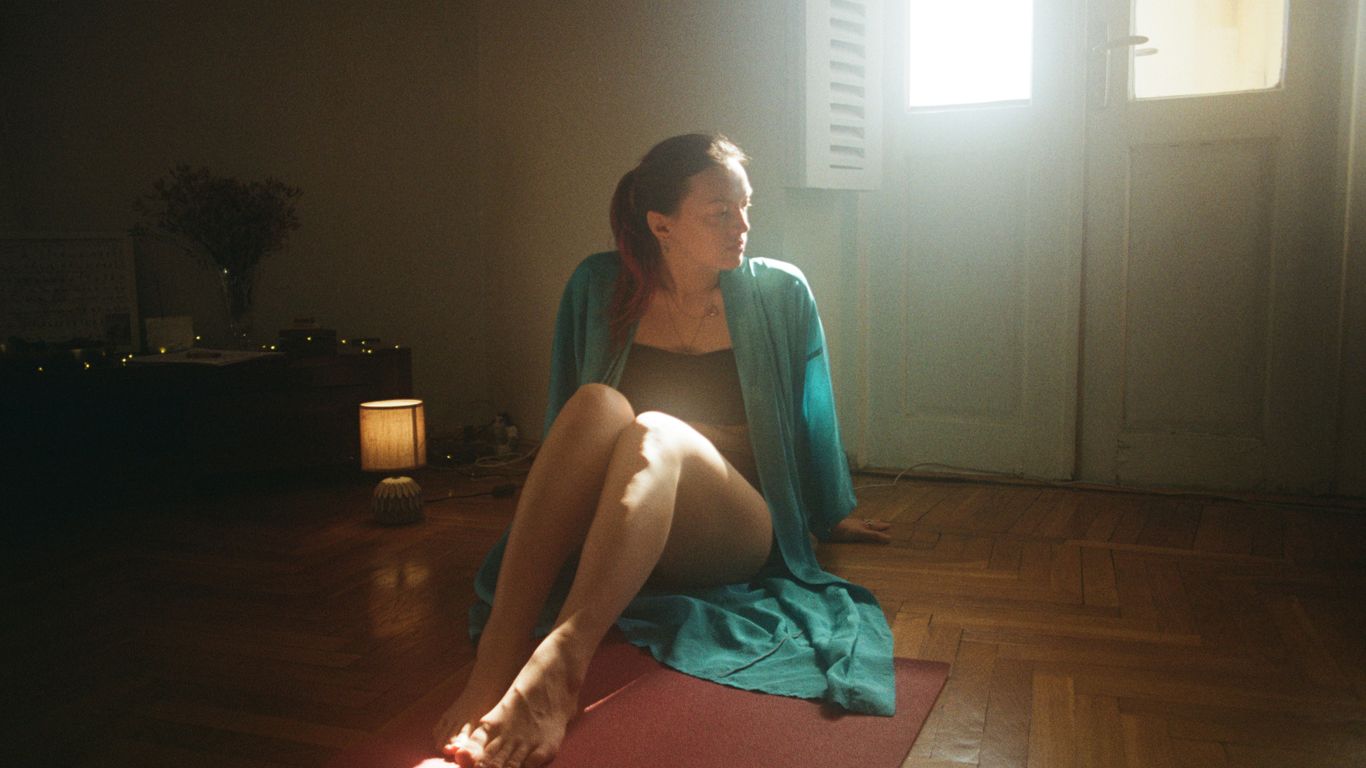
Gentle Stretches to Release Physical Tension
Sometimes, the tension we hold onto feels like a physical weight. Gentle stretches are like a slow, kind unwinding for those tight spots. Think about poses that encourage a soft release rather than a deep stretch. These are the ones that help your muscles let go of the day's grip.
- Thread the Needle: Starting on your hands and knees, reach one arm up, then thread it under your opposite arm, letting your shoulder and head rest towards the floor. This feels great for your upper back and shoulders.
- Child's Pose (Balasana): Kneel down, bring your big toes to touch, and widen your knees. Fold your torso forward, resting your forehead on the mat and extending your arms forward or bringing them back alongside your body. It’s a pose of surrender.
- Cat-Cow Stretch: Moving between these two poses on your hands and knees helps to warm up and gently mobilize your spine. Inhale for Cow (arching your back, belly down, head up) and exhale for Cat (rounding your spine, tucking your chin).
Grounding Poses for Inner Stillness
When your mind is racing, finding a pose that connects you to the earth can be incredibly calming. These poses help you feel stable and present, like a tree with deep roots. They bring a sense of quiet to your inner world.
- Mountain Pose (Tadasana): Stand tall with your feet hip-width apart, grounding down through your feet. Feel the earth beneath you, lengthen your spine, and let your arms rest by your sides. It’s simple, but powerful for establishing presence.
- Supported Bridge Pose (Setu Bandhasana): Lie on your back with knees bent and feet flat. Place a block or bolster under your sacrum (the flat bone at the base of your spine). Let your body rest on the support. This gently opens the chest and feels very calming.
- Legs-Up-the-Wall Pose (Viparita Karani): Sit with your side against a wall, then lie down and swing your legs up the wall. Scoot your hips close to the wall. This gentle inversion is amazing for calming the nervous system and reducing fatigue. Just resting here for a few minutes can feel incredibly restorative.
Surrendering Through Forward Folds
Forward folds might seem straightforward, but they offer a profound way to let go. When you fold inward, you're giving your mind a chance to quiet down. It's a physical way to release what's been weighing on you.
Forward folds are a physical invitation to release tension, both in the body and the mind. They encourage a sense of letting go, allowing you to simply be present with what is.
- Standing Forward Fold (Uttanasana): Stand with feet hip-width apart. Hinge at your hips, letting your torso hang down. Bend your knees as much as you need to. Let gravity do the work of releasing tension in your neck and back.
- Seated Forward Fold (Paschimottanasana): Sit with legs extended. Inhale to lengthen your spine, then exhale and fold forward from your hips. Don't worry about touching your toes; focus on the sensation of release in your back and hamstrings.
- Reclining Forward Fold: Lie on your back and hug one knee into your chest, or both knees. This offers a gentler version of a forward fold, releasing the lower back while you lie down.
Exploring Different Styles of Release Stress Yoga
Life can feel like a whirlwind sometimes, right? Between work, family, and just the general chaos of everyday living, finding a moment of peace can seem like a tall order. But here's the good news: yoga isn't a one-size-fits-all kind of thing. There are so many different ways to practice, and finding the right style can make a huge difference in how you feel. It's not about being a contortionist; it's about finding a practice that speaks to you and helps you unwind.
Gentle and Restorative Practices for Soothing
When you're feeling really frazzled, sometimes the best thing you can do is slow down. Gentle and restorative yoga styles are perfect for this. Think of practices like Hatha or Yin yoga. These aren't about breaking a sweat; they're about holding poses for a bit longer, using props like blankets and bolsters to get really comfortable. The whole point is to let your body relax deeply and release any stored-up tension without any strain. It’s like giving your nervous system a gentle, calming hug.
- Focus on Comfort: Poses are held longer with support, allowing muscles to truly let go.
- Slow Transitions: Moving from one pose to the next is done with intention and slowness.
- Breath is Key: Deep, steady breathing is encouraged to signal safety and relaxation to your body.
Dynamic Flows for Mindful Movement
On the other hand, sometimes moving your body is exactly what you need to shake off stress. Styles like Vinyasa or Ashtanga link your breath with movement in a flowing sequence. This isn't about rushing; it's about paying close attention to the rhythm of your breath and how your body feels as you move. This kind of mindful movement can be really effective at pulling you out of those repetitive, anxious thought patterns.
- Breath-Movement Sync: Each inhale and exhale guides your movement, keeping your mind present.
- Physical Tension Release: The continuous motion helps to work out tightness held in your muscles.
- Body Awareness: You become more in tune with your body's signals, helping you notice stress early.
The Art of Yoga Nidra for Profound Rest
Ever heard of "yogic sleep"? That's Yoga Nidra. It's a guided meditation practice done while you're lying down, usually in Savasana (Corpse Pose). The goal is to guide you into a state of deep relaxation, somewhere between being awake and asleep. It's incredibly powerful for unwinding your mind and body, especially if you're feeling exhausted or just can't seem to switch off your thoughts. Yoga Nidra offers a systematic way to release tension throughout your entire body and mind.
This practice is like a mental vacation, allowing your brain to rest and reset. It's a powerful tool for anyone struggling with sleep or feeling constantly mentally drained.
Integrating Mindfulness and Meditation
Deepening Your Practice with Present Moment Awareness
When you're on the yoga mat, it's easy to get caught up in thinking about what's next or replaying something from earlier. Mindfulness is about gently bringing your attention back to what's happening right now. This means noticing the feeling of your feet on the floor, the way your breath moves in and out, or any sensations in your body without judging them. This simple act of returning to the present moment is incredibly powerful for calming a busy mind. It's like training a muscle; the more you practice bringing your awareness back, the stronger your ability to stay present becomes, both on and off the mat.
Setting Intentions for Enhanced Well-being
Before you even start your yoga poses, taking a moment to set an intention can really shape your practice. Think of it as a gentle guide for your session. It could be something simple like 'I intend to be kind to myself today' or 'I intend to find ease in this moment.' You can repeat this intention silently to yourself a few times. It helps focus your mind and gives your practice a purpose beyond just the physical movements. It's a way to connect your yoga session to your broader goals for feeling better.
Post-Yoga Meditation for Lasting Tranquility
After you've moved your body and perhaps held some poses, your mind is often in a more receptive state. This is the perfect time to sit for a short meditation. You don't need to be an expert. Just find a comfortable seat, close your eyes, and focus on your breath for a few minutes. You might notice your thoughts drifting – that's totally normal. Just gently guide your attention back to your breath. This post-yoga meditation can help solidify the sense of calm you've cultivated during your practice, making it easier to carry that peace with you throughout your day.
Here are a few simple meditation techniques to try after your yoga:
- Breath Awareness: Simply focus on the sensation of your breath entering and leaving your body. Notice the rise and fall of your chest or abdomen.
- Body Scan: Gently bring your attention to different parts of your body, starting from your toes and moving up to the top of your head. Notice any sensations without trying to change them.
- Loving-Kindness (Metta): Silently repeat phrases like 'May I be happy, may I be healthy, may I live with ease.' You can extend these wishes to loved ones or even to challenging people.
Integrating these mindfulness and meditation practices into your yoga routine isn't about achieving a perfect state of stillness. It's about developing a kinder, more aware relationship with yourself. It's about noticing what's happening, accepting it, and gently guiding yourself back to a place of peace, one breath at a time.
Building Your Personal Release Stress Yoga Routine
So, you've felt the benefits of release stress yoga and now you're thinking, 'How do I actually make this a regular thing?' It's a great question, and honestly, the best routine is the one you'll actually stick with. It's not about aiming for an hour-long session every single day if that's not realistic for your life right now. Starting small is the absolute key to building a sustainable practice. Think about what you can realistically fit in, even if it's just 10 or 15 minutes a few times a week. Consistency over intensity, remember that.
Starting Small: Short Sessions for Big Impact
Don't feel pressured to become a yoga guru overnight. A short, focused session can be incredibly effective. Even a quick 10-minute sequence before bed or first thing in the morning can help reset your nervous system. It's about creating a habit, and small, manageable steps are the best way to do that. You might find that once you start, you naturally want to extend your practice, but there's no shame in keeping it brief.
Here are a few ideas for short sessions:
- Morning Wake-Up (10 mins): Gentle stretches like Cat-Cow, a few Sun Salutations (modified if needed), and a brief seated meditation.
- Midday Reset (15 mins): Focus on grounding poses like Mountain Pose and Warrior II, followed by some deep breathing exercises.
- Evening Wind-Down (15 mins): Gentle twists, Child's Pose, and a restorative pose like Legs-Up-the-Wall.
Creating a Sanctuary for Your Practice
Your physical space can really influence your mental state. Try to find a quiet corner in your home where you can practice without too many distractions. It doesn't need to be fancy – just a spot where you feel comfortable and can leave your yoga mat rolled out if possible. Having a dedicated space can make it easier to transition into your practice. Think about things that help you relax: maybe some soft lighting, a calming scent, or just ensuring the area is tidy. This little sanctuary becomes your personal retreat.
Listening to Your Body: A Journey of Self-Discovery
This is perhaps the most important part. Yoga isn't a competition, and there's no 'right' way to do a pose. Your body is unique, and it changes day by day. Some days you might feel energetic and ready for more movement, while other days you might need to slow down and focus on gentle stretches. Pay attention to how you feel before, during, and after your practice. Are you holding tension anywhere? Is your breath feeling restricted? Your body will tell you what it needs. Learning to listen to these signals is a huge part of the stress-relief journey.
The goal isn't to achieve perfect poses, but to cultivate a kinder relationship with yourself. Each session is an opportunity to check in, offer yourself some care, and gently release what no longer serves you. It's a practice of self-compassion as much as it is physical movement.
Real-Life Transformations Through Yoga
From Overwhelmed Executive to Centered Professional
Sarah, who worked in marketing, felt like she was drowning in deadlines and constant demands. She started attending a local yoga class, not really expecting much, but after just a few sessions, she noticed a real change. The gentle movements and focus on her breath gave her a much-needed break from the chaos. She found that when she returned to her work, she felt more capable of handling the pressure. It was like finding a quiet spot in a really noisy room.
Finding Sanctuary Amidst Family Life
Mark, a dad with three young kids, was dealing with a lot of everyday anxiety. He began practicing yoga at home after the children were asleep. Rolling out his mat in the living room became his personal escape. Slowly, with each session, he felt a sense of calm settle over him. This practice wasn't about becoming a yoga expert; it was about finding a way to manage the constant pressures of family life without letting them completely take over. It gave him tools to feel more grounded, even when things felt hectic.
Shifting Perspectives with Mindful Movement
Emily was a bit unsure about yoga at first, but she decided to try a community class. What really surprised her was how much the breathing exercises helped. It wasn't just the physical poses; learning to control her breath gave her a new way to approach stressful moments throughout her day. She found that by focusing on her breath, she could react less impulsively and feel more in control. It’s a simple technique, but its impact on how she handles everyday challenges has been significant.
These stories show that yoga isn't just for a certain type of person. Whether you're in a high-pressure job or managing a busy household, finding a way to connect with yourself through movement and breath can make a big difference. It's about creating a personal space for calm that you can carry with you.
Here's a look at how these transformations often happen:
- Reduced Physical Tension: Gentle stretches help release knots and stiffness built up from sitting or stress.
- Calmer Nervous System: Focused breathing signals to your body that it's safe to relax.
- Improved Mental Clarity: Stepping away from daily worries allows for a clearer perspective.
- Greater Emotional Resilience: Consistent practice builds the capacity to handle stress without being overwhelmed.
Finding Your Calm, One Breath at a Time
So, that's the rundown on how yoga can really help you feel less stressed and more at peace. It’s not some magic cure, but it’s a solid tool you can use whenever life feels like too much. Remember, it’s not about being perfect or doing the most complicated poses. It’s about showing up for yourself, even for just a few minutes, and connecting with your breath. By making yoga a regular thing, even a little bit, you’re giving yourself the gift of calm and building up your ability to handle whatever comes your way. Give it a try; your mind and body will thank you.
Frequently Asked Questions
What exactly is 'Release Stress Yoga'?
Release Stress Yoga is a type of yoga focused on helping you let go of tension and worry. It uses gentle movements, breathing exercises, and quiet poses to help your mind and body feel more relaxed and peaceful. It's less about doing difficult poses and more about finding calm within yourself.
How does yoga help with stress?
Yoga helps with stress in a few cool ways. First, it teaches you to breathe deeply, which calms down your body's 'fight or flight' response. Second, the poses help release tight muscles where we often hold stress. Finally, focusing on your breath and body during yoga helps quiet your mind, giving you a break from worrying thoughts.
Do I need to be flexible to do this type of yoga?
Not at all! Release Stress Yoga is designed for everyone, no matter your flexibility. The focus is on feeling good in your body and finding calm, not on how far you can stretch. Many poses can be adjusted, and props like blankets or blocks can help make them more comfortable.
What are some simple breathing exercises I can try?
A great one is belly breathing. Just place a hand on your belly and breathe in slowly through your nose, feeling your belly rise. Then, exhale slowly through your mouth, feeling your belly fall. Another simple one is just taking slow, deep breaths, counting to four as you inhale and six as you exhale. This helps tell your body it's okay to relax.
Which yoga poses are best for relaxation?
Poses like Child's Pose (where you rest on your knees, forehead down) are super calming. Forward folds, where you gently bend forward, can also help you surrender tension. Even lying down in Corpse Pose (Savasana) at the end of a session allows your body to fully relax and absorb the benefits.
How often should I practice yoga for stress relief?
Even a short practice can make a difference! Trying to do yoga for 10-15 minutes a few times a week is a great start. Consistency is more important than long sessions. Find a time that works for you, maybe in the morning to start your day calm or in the evening to unwind.

