

Unlock Calm: Effective Techniques for Release Stress Yoga
Life can get pretty overwhelming sometimes, right? You feel it in your shoulders, your neck, maybe even your head. It's like your body is holding onto all that stress. Well, I found out that release stress yoga can really help with that. It's not just about stretching; it's about using certain poses and even how you breathe to calm everything down. This article talks about some simple yoga moves and breathing tricks that can make a big difference when you're feeling all wound up. It’s a way to find some peace when things get hectic.
Key Takeaways
- Certain yoga poses, like Child's Pose and Legs Up the Wall, are great for calming your mind and body.
- Flowing movements such as Cat-Cow can help release tension along your spine.
- Poses like Standing Forward Bend and Downward-Facing Dog offer a full-body stretch and can help you feel more refreshed.
- Breathing exercises, such as 4-7-8 or Box Breathing, work alongside release stress yoga to help you relax.
- Fitting even short release stress yoga sessions into your morning, midday, or evening routine can help manage stress and improve your overall well-being.
Gentle Poses For Deep Tension Relief Yoga
When life feels like it's moving too fast and your body is carrying all that extra weight, sometimes the best approach is to slow things down. This section is all about those super gentle yoga shapes that help you unwind without asking too much of you. They're designed to be a soft place to land, helping to ease tightness and calm your whole system.
Child's Pose For Calming The Mind
Child's Pose, or Balasana, is like a comforting hug for your body. It's a resting pose that really helps quiet down a busy mind. When you fold yourself into this shape, it gently stretches your back and hips, and the pressure on your forehead can feel really soothing. It's a great way to signal to your body that it's time to slow down and let go of the day's worries.
Here's how to get into it:
- Start on your hands and knees.
- Bring your big toes to touch and widen your knees apart, or keep them closer if that feels better.
- Sink your hips back towards your heels.
- Rest your forehead on the mat, a block, or a folded blanket. Let your arms relax in front of you or place them alongside your body.
- Focus on breathing deeply into your back ribs for a minute or two.
Legs Up the Wall Pose
Legs Up the Wall Pose, or Viparita Karani, is pure bliss for tired legs and a stressed-out system. It's a passive inversion that helps with circulation and calms the mind without any effort. You just need a wall and maybe a cushion for comfort. It's a wonderful way to give your body a break and let gravity do some of the work.
To try it:
- Sit sideways against a wall.
- Swing your legs up the wall as you lie back on the floor.
- Adjust your hips close to the wall for a deeper stretch, or a little further away if that's more comfortable.
- Rest your arms by your sides, palms up, and just breathe. Stay here for five to ten minutes.
Supine Twist For Spinal Release
This pose is like a gentle massage for your spine and nervous system. Lying on your back, you'll bring one knee across your body, allowing your spine to gently twist. It’s a great way to release tension held in the back and hips, and it can really help calm your mind. The gentle rotation helps to release stored tension and encourages a sense of ease throughout your body.
Give it a go:
- Lie on your back with your knees bent and feet flat on the floor.
- Extend your arms out to the sides in a T shape.
- Gently drop both knees to one side, keeping your shoulders as flat on the mat as possible.
- Turn your head to look in the opposite direction of your knees.
- Hold for a few breaths, then switch sides. Repeat on the other side.
These gentle poses are about surrender, not strain. The goal is to create space and ease, allowing your body to naturally let go of held tension. Don't worry about how it looks; focus on how it feels.
Breathwork and Mindfulness That Reduce Stress
Sometimes, just moving your body isn't enough to shake off that heavy feeling of stress. That's where focusing on your breath and being more aware of your surroundings comes in. These practices are like a secret weapon for calming your mind and body, and you can do them anywhere, anytime.
Diaphragmatic Breathing Techniques
This is all about breathing deep into your belly, not just your chest. It's a really natural way to breathe that we often lose as we get older or more stressed. To try it, just lie down or sit comfortably. Put one hand on your belly and the other on your chest. As you breathe in through your nose, try to make your belly rise, like you're filling a balloon. Your chest hand should move very little. When you exhale, let your belly soften. Doing this for a few minutes can really slow down your heart rate and make you feel more settled.
- It helps activate your body's natural relaxation response.
- Increases oxygen flow to the brain, which can improve focus.
- Helps to release physical tension you might not even know you're holding.
Counted Exhale Breathing Methods
This technique takes diaphragmatic breathing a step further by adding a count. The idea is to make your exhale longer than your inhale. For example, you might inhale for a count of four and then exhale for a count of six or even eight. This longer exhale sends a signal to your nervous system that it's safe to relax. It's a simple trick that can make a big difference when you're feeling overwhelmed.
Here's a common way to practice it:
- Find a comfortable position.
- Inhale slowly through your nose for a count of 4.
- Exhale slowly through your mouth or nose for a count of 6.
- Repeat for several minutes.
Focusing on the rhythm of your breath can be a powerful anchor when your thoughts are racing. It brings you back to the present moment, away from worries about the past or future.
Guided Body Scan Meditation
This is a mindfulness practice where you bring your attention to different parts of your body, one by one. You just notice any sensations – warmth, coolness, tingling, pressure – without trying to change anything. You might start with your toes and slowly work your way up to the top of your head. It's amazing how much tension we carry without realizing it, and this practice helps you become aware of it and gently let it go. It's like giving your whole body a gentle check-in and a chance to unwind.
Key Yoga Poses For Stress Relief
When life feels like it's spinning a bit too fast, certain yoga poses can act like an anchor, bringing you back to a sense of calm. These aren't necessarily the most complicated poses, but they are incredibly effective at releasing built-up tension and quieting a racing mind. Think of them as your go-to moves when you need a moment of peace.
Forward Fold For Full Body Relaxation
The Forward Fold, or Uttanasana, is a fantastic pose for letting go. When you fold forward from your hips, you create a gentle inversion, which can help oxygen flow to your brain, promoting a feeling of calm. It also works wonders on the back of your body, releasing tightness in your neck, shoulders, and spine. Plus, it gives your hamstrings and calves a good stretch.
- Start standing with your feet hip-width apart.
- Inhale and reach your arms overhead.
- As you exhale, hinge at your hips and fold your torso forward.
- Let your head and neck relax completely. You can keep a slight bend in your knees if your hamstrings feel tight.
- Rest your hands on the floor, blocks, or your shins.
This pose is a great way to signal to your body that it's time to unwind. The simple act of letting gravity do some of the work can be incredibly therapeutic.
Cat-Cow Flow For Spinal Mobility
Cat-Cow, or Marjaryasana-Bitilasana, is a gentle flow that warms up and mobilizes your spine. Moving between these two poses with your breath helps to release tension stored along your back and can improve posture. It's a simple sequence that connects movement with breath, making it a mindful practice.
- Begin on your hands and knees, with your wrists under your shoulders and your knees under your hips.
- Inhale as you drop your belly towards the mat, arch your back, and lift your gaze for Cow Pose.
- Exhale as you round your spine towards the ceiling, tuck your chin to your chest, and draw your navel in for Cat Pose.
- Continue flowing between these two poses, matching your breath to the movement, for several rounds.
Standing Forward Bend Benefits
Similar to the seated forward fold, the Standing Forward Bend (also Uttanasana) offers a full-body release. It's particularly good for relieving stress because it allows your head to hang below your heart, which can be very calming. This pose also stretches the entire back side of your body, from your heels all the way up to your neck. It's a simple yet powerful way to feel more grounded and relaxed. If you're looking for more ways to de-stress with yoga, exploring different yoga poses and breathing techniques can be very helpful.
Integrating Yoga Into Your Daily Routine
Making yoga a regular part of your life doesn't have to feel like another chore. It's really about finding those little pockets of time that work for you, whether that's right when you wake up, during a quick break in the afternoon, or as you're winding down for the night. The main thing is showing up consistently, not necessarily doing super long sessions. Even just a few minutes can make a real difference in how you feel.
Creating A Short Daily Yoga Sequence
Think about building a simple sequence that you can do without much fuss. It doesn't need to be complicated. You could start with a few minutes of gentle movement to wake up your body, maybe some cat-cow or simple twists. Then, spend a minute or two just focusing on your breath. This mindful connection between your breath and body is where a lot of the stress-relief magic happens. Finally, end with a moment of quiet reflection or a short resting pose like Child's Pose. The goal is to create a routine that feels accessible and sustainable for you.
Here’s a sample structure:
- Centering (2-3 minutes): Sit quietly, notice your breath.
- Warm-up (5 minutes): Gentle stretches like neck rolls, shoulder shrugs, and cat-cow.
- Main Practice (10-15 minutes): Include a forward fold, a gentle twist, and a pose like Bridge Pose or Child's Pose.
- Breathwork (5 minutes): Practice simple breathing like equal breathing.
Consistency For Long-Term Stress Management
When it comes to yoga for stress relief, consistency is way more important than how long you practice each time. It's like brushing your teeth; doing it every day keeps things clean, while one long session every now and then doesn't have the same lasting effect. Regular practice helps train your nervous system to stay calmer when things get hectic. It builds up a kind of resilience that you can draw on when you need it most. Setting realistic goals, like committing to just 10 minutes a day, makes it easier to stick with it. And if you miss a day? No big deal. Just get back on your mat the next day. It’s the steady effort over time that really brings the benefits.
The true benefits of yoga unfold through regular practice. Consistency is more important than duration—just 10 to 20 minutes daily can transform mental well-being over time. This steady, ongoing practice brings the most profound benefits—one breath, one pose, and one day at a time.
Finding Time For Release Stress Yoga
Life gets busy, and it can feel impossible to find time for anything extra. But fitting in even a short yoga practice is doable. Try linking it to something you already do, like right after you wake up or before you go to bed. You could also use a short break during the day for a few stretches. Many people find that using guided videos or apps helps them stay on track because they provide structure and take away the decision-making. Remember, it's about making yoga a natural part of your day, not another thing to stress about. You can find simple ways to incorporate yoga and breathwork into your existing schedule.
Understanding How Yoga Helps Relieve Stress
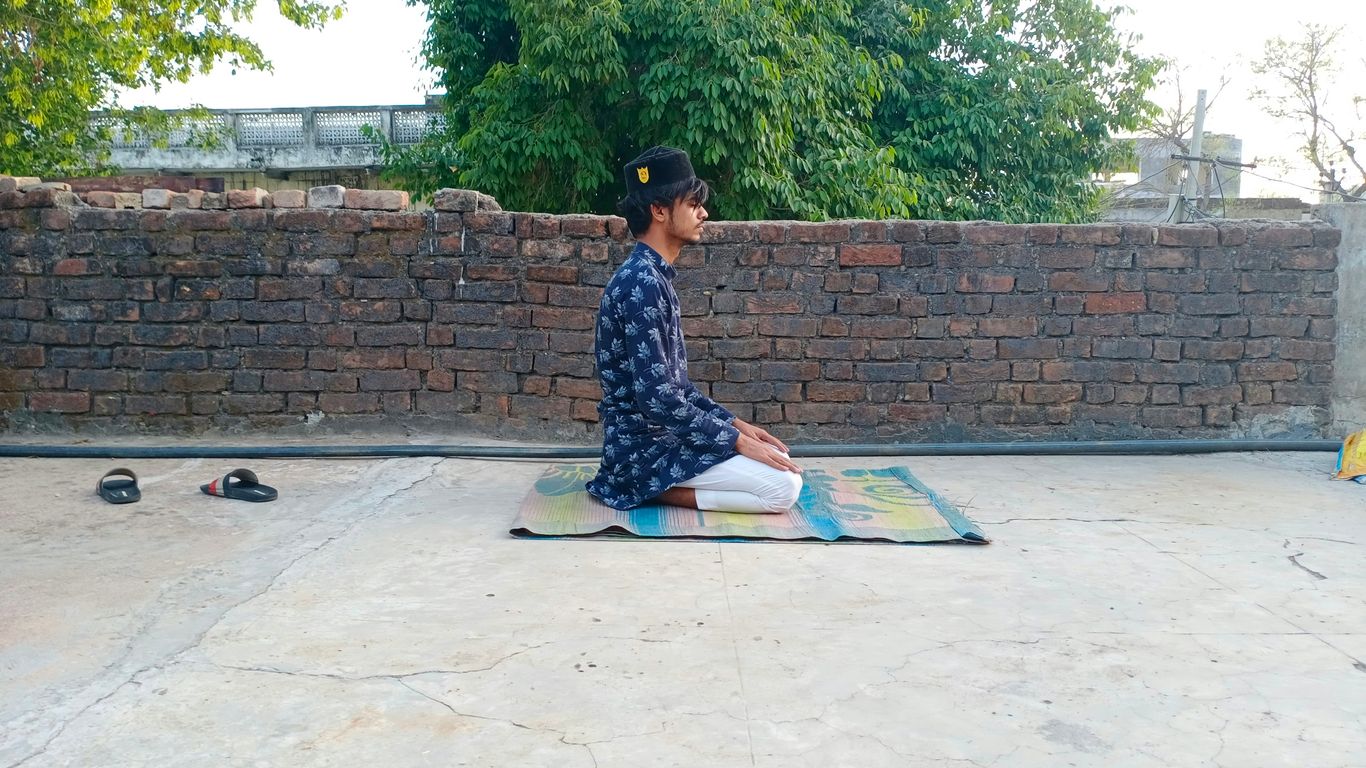
So, how exactly does rolling out your mat translate into feeling less frazzled? It's not just about stretching, though that's a big part of it. Yoga works on a few different levels, kind of like a multi-pronged attack against stress.
Muscle Release and Posture Awareness
Think about how you sit at your desk all day, or maybe how you hunch over your phone. All that tension builds up in your neck, shoulders, and back. Yoga poses gently encourage those tight muscles to lengthen and relax. When your muscles loosen up, it can actually improve how blood flows through your body, making you feel less stiff and more at ease. And honestly, when your body feels better, your mind tends to follow suit. It's like your body is sending signals to your brain saying, 'Hey, we can chill now.'
Breath as a Switch for the Nervous System
This is a huge one. Your breath is like a direct line to your nervous system. When you're stressed, your breathing often gets shallow and fast, signaling your 'fight or flight' response. Yoga teaches you to slow down your breath, making it deeper and more controlled. This actually flips a switch, activating the parasympathetic nervous system – the one responsible for rest and digestion. It's like telling your body, 'False alarm, everything is okay,' which helps dial down that anxious feeling. You can explore different breathing techniques to see what works best for you.
Mindfulness and Present Moment Attention
When you're stressed, your mind is often racing, replaying worries or jumping ahead to future problems. Yoga brings your attention back to what's happening right now. You focus on the sensations in your body, the rhythm of your breath, or the feeling of the mat beneath you. This practice of being present helps quiet that mental chatter. It's hard to worry about your to-do list when you're really paying attention to how your legs feel in a forward fold. Over time, this skill of staying present can make you more resilient to everyday stressors.
Yoga isn't magic, but it's a practical tool. By combining mindful movement with focused breathing, you're actively teaching your body and mind how to respond differently to stress. It's a skill that builds with practice, making those moments of calm more accessible even when life gets hectic.
Here's a quick look at how these elements work together:
- Muscle Tension Reduction: Poses release physical tightness, improving circulation.
- Nervous System Regulation: Slow breathing calms the 'fight or flight' response.
- Mental Clarity: Mindfulness shifts focus away from worries to the present.
It's this combination that makes yoga such a powerful ally in managing stress. You're not just exercising; you're retraining your body's response system.
Beginner's Guide To Release Stress Yoga
Starting yoga to manage stress doesn't need to be complicated. You don't need to be super flexible or have all the fancy gear. The main thing is to find a quiet spot where you can move around a bit without feeling like you're in the way. A yoga mat is a good idea for grip and comfort, but honestly, a rug or even carpeted floor can work in a pinch. If you have them, things like blankets, pillows, or even some books can help make poses feel better.
Essential Props For Comfort And Support
Props are your best friends when you're starting out. They aren't cheating; they're tools to help you get the most out of the poses. Think of them as ways to adjust the pose to fit your body, not the other way around.
- Blocks: These are great for bringing the floor closer to you. For example, in a forward fold, you can place blocks under your hands if you can't reach the floor. They also help support you in poses like seated forward bends.
- Blankets/Pillows: Use these to cushion your knees in poses like kneeling or to support your head in resting poses. A rolled-up blanket can also go under your knees when you're lying down to ease lower back pressure.
- Straps: While not always needed for basic stress relief, a strap can help you extend your reach in certain stretches, like binding your hands behind your back or holding your foot in a hamstring stretch.
Listening To Your Body's Signals
This is probably the most important part of any yoga practice, especially when you're trying to reduce stress. Your body is constantly giving you information. The trick is learning to tune in.
- Notice Sensations: Pay attention to what you feel. Is it a gentle stretch, or is it a sharp, pinching pain? A gentle stretch is usually good; sharp pain is a signal to back off.
- Don't Force It: Yoga isn't a competition. If a pose feels too intense, ease out of it or modify it. Forcing yourself into a shape can create more tension, which is the opposite of what we're trying to achieve.
- Breathe: Your breath is a great indicator. If your breath becomes shallow or you're holding it, that's a sign you might be pushing too hard. Try to keep your breath smooth and steady.
The goal isn't to look a certain way in a pose, but to feel a certain way in your body and mind. Focus on the sensations and the breath, not on what you think the pose
Keep Practicing, Keep Calming
So, we've gone over some ways yoga can help you feel less stressed. It's not about being perfect or doing fancy poses. It's really about finding what works for you, whether that's a few minutes of deep breathing or a gentle stretch. Remember to listen to your body and be patient with yourself. Even small, regular efforts can make a big difference over time. Keep showing up on your mat, even for just a little bit, and you'll start to notice a calmer you. It’s a journey, and you’ve got this.
Frequently Asked Questions
Can yoga really help me feel less stressed?
Yes, absolutely! Yoga is like a superpower for your body and mind when it comes to stress. By doing certain poses and focusing on your breath, you can actually tell your body to calm down. It helps release tight muscles and quiet a busy mind, making you feel more peaceful.
What are some easy yoga poses for beginners who are stressed?
Great question! For beginners, poses like Child's Pose (it feels like a hug for your body), Legs Up the Wall (super relaxing for your legs and mind), and a gentle Forward Fold are fantastic. They help your body unwind without being too difficult.
How does breathing in yoga help with stress?
Your breath is like a secret remote control for your nervous system. When you're stressed, your breathing is usually fast and shallow. Yoga teaches you to breathe slowly and deeply, which signals your body that it's safe to relax. Think of it as hitting the 'calm down' button.
What if I'm not flexible or new to yoga? Can I still do it?
Definitely! Yoga isn't about being super bendy. It's about how you feel and how you breathe. You can use pillows or blankets to make poses comfy. The most important thing is to listen to your body and not push yourself too hard. It's your own journey!
How often should I practice yoga to feel the stress relief benefits?
You don't need hours every day! Even just 10 to 15 minutes most days can start to make a difference. Consistency is key. Doing it regularly helps your body and mind get better at handling stress over time.
Besides poses, what else does yoga include for stress relief?
Yoga also involves mindfulness and special breathing techniques. Mindfulness means paying attention to what's happening right now, without judging it. Breathing exercises, like breathing in for a count of four and out for a count of six, can really help you relax quickly.


