

Understanding and Alleviating Knee Pain from Yoga
So, you've been hitting the yoga mat, trying to find your zen, but your knees are staging a protest? It happens. Knee pain from yoga can be a real buzzkill, turning what should be a relaxing session into something you dread. But don't pack your mat away just yet. There are ways to understand why your knees might be hurting and, more importantly, how to fix it. We're going to look at how yoga itself can help, what poses to try, and how to make sure you're practicing safely. Let's get those knees feeling better.
Key Takeaways
- Yoga can help with knee pain by strengthening muscles around the joint and improving flexibility.
- Specific poses can build stability and reduce strain on your knees.
- Paying attention to alignment and using props are vital for knee safety during practice.
- Addressing muscle imbalances in your hips and ankles can prevent knee pain.
- Combining yoga with other methods like R.I.C.E. and professional advice offers the best relief.
Understanding Knee Pain From Yoga
Common Sources of Knee Discomfort
Knee pain during yoga isn't usually about the yoga itself, but more about what's going on with your body before you even step onto the mat. Think of your knees as the middle child, caught between your hips and your ankles. If either of those other joints are tight or weak, your knees have to pick up the slack. This often happens with tight hamstrings or hips, or maybe weak glutes. Sometimes it's just overuse from other activities, like running or cycling, that puts extra stress on the joint. Even things like weak feet can throw off your whole leg's alignment. It's a whole system, you know?
- Tightness in the hamstrings or outer hips.
- Weakness in the glutes or inner thighs.
- Poor mobility in the hips or ankles.
- Overuse from other physical activities.
It's easy to blame a yoga pose for knee pain, but often the pose is just highlighting an existing imbalance. The goal is to work with your body, not against it.
How Yoga Addresses Knee Pain
Yoga can be a really effective way to help your knees feel better, but it's not magic. It works by gently strengthening the muscles that support your knee joint, like your quads and hamstrings, and also by stretching out the ones that might be too tight, like your hip flexors. By improving the way your muscles work together, yoga can help your kneecap track better and reduce stress on the joint. It also encourages better movement patterns, which is great for overall joint health. It's about building a more stable and flexible foundation for your knees.
Benefits of Yoga for Joint Health
Practicing yoga regularly can make a big difference for your joints, especially your knees. It helps increase flexibility and range of motion, which can feel amazing if you're feeling stiff. At the same time, it builds strength in the muscles that support your joints, giving them more stability. This combination can lead to less pain and a lower risk of injury. Plus, the mindful movement and breathwork can help calm your nervous system, which often gets ramped up when you're dealing with chronic pain. It's a holistic approach that supports your body from the inside out, helping you move with more ease and confidence. For more on how to avoid knee pain, you might want to check out common yoga mistakes.
Poses to Alleviate Knee Pain
Strengthening Poses for Knee Stability
When your knees hurt, the first thing you might think is to avoid anything that puts pressure on them. But actually, building up the muscles around your knees is super important for making them feel better long-term. Stronger muscles act like a natural brace, helping to support the joint and take some of the load off. Think of it like reinforcing the foundation of a house – it makes everything more stable.
Here are a few poses that can help build that strength:
- Chair Pose (Utkatasana): This one really works your quads and glutes. When you do it, focus on keeping your knees tracking over your second toes and try not to let them go past your toes. Imagine you're sitting back into a chair. It might feel intense, but it's great for building leg power.
- Warrior II (Virabhadrasana II): This pose is fantastic for leg strength and balance. Make sure your front knee is stacked right over your ankle. This alignment is key to protecting your knee and getting a good stretch in your inner thighs.
- Bridge Pose (Setu Bandha Sarvangasana): While it might seem like it's just for your back and glutes, Bridge Pose also helps strengthen your hamstrings and thighs, which are vital for knee support. It also helps with pelvic alignment, which can indirectly help your knees.
It's really about finding poses that build strength without causing extra pain. The goal is to support your knee joint better, not to push through discomfort.
Stretches for Hip and Hamstring Flexibility
Sometimes, knee pain isn't directly from the knee itself, but from muscles that are too tight elsewhere. If your hamstrings or hip flexors are super tight, they can pull on your leg in ways that put extra stress on your knees. Getting these areas more flexible can make a big difference.
Try these stretches:
- High Lunge: This pose is a powerhouse for stretching the hip flexors on the back leg and also works on strengthening your front leg. Keep your front knee bent at about 90 degrees and feel the stretch in the front of your hip.
- Reclining Hand-to-Big-Toe Pose (Supta Padangusthasana): Lying on your back, you can gently stretch your hamstrings. Use a strap if you can't quite reach your toe. Keep the leg you're stretching as straight as comfortable, and focus on a gentle pull, not a forceful stretch.
- Reclining Spinal Twist: This pose is great for releasing tension in the IT band and outer hip muscles. Lying on your back, bring one knee across your body towards the opposite side, keeping your shoulders grounded.
Gentle Poses for Overall Knee Support
Beyond specific strengthening and stretching, some poses just offer general support and help calm the body, which can be beneficial when you're dealing with knee pain. These are often poses where you're not putting a lot of direct pressure on the knees, or they help to relax muscles that might be contributing to the problem.
Consider adding these to your routine:
- Mountain Pose (Tadasana): It sounds simple, but standing tall and grounding yourself properly helps establish good alignment from the feet up. Focus on distributing your weight evenly and engaging your leg muscles gently.
- Child's Pose (Balasana): This is a resting pose that gently stretches the hips and back. It's a great way to give your knees a break while still moving your body. You can place a blanket between your thighs and calves if kneeling is uncomfortable.
- Locust Pose (Salabhasana): This pose strengthens the back of your body, including your hamstrings and glutes, without putting direct stress on the knees. It helps build strength in the posterior chain, which is important for overall leg function.
Remember, the key is to listen to your body. If any pose causes sharp or increased pain, back off or modify it. It's better to do a modified version correctly than to push into pain.
Alignment and Modifications for Knee Safety
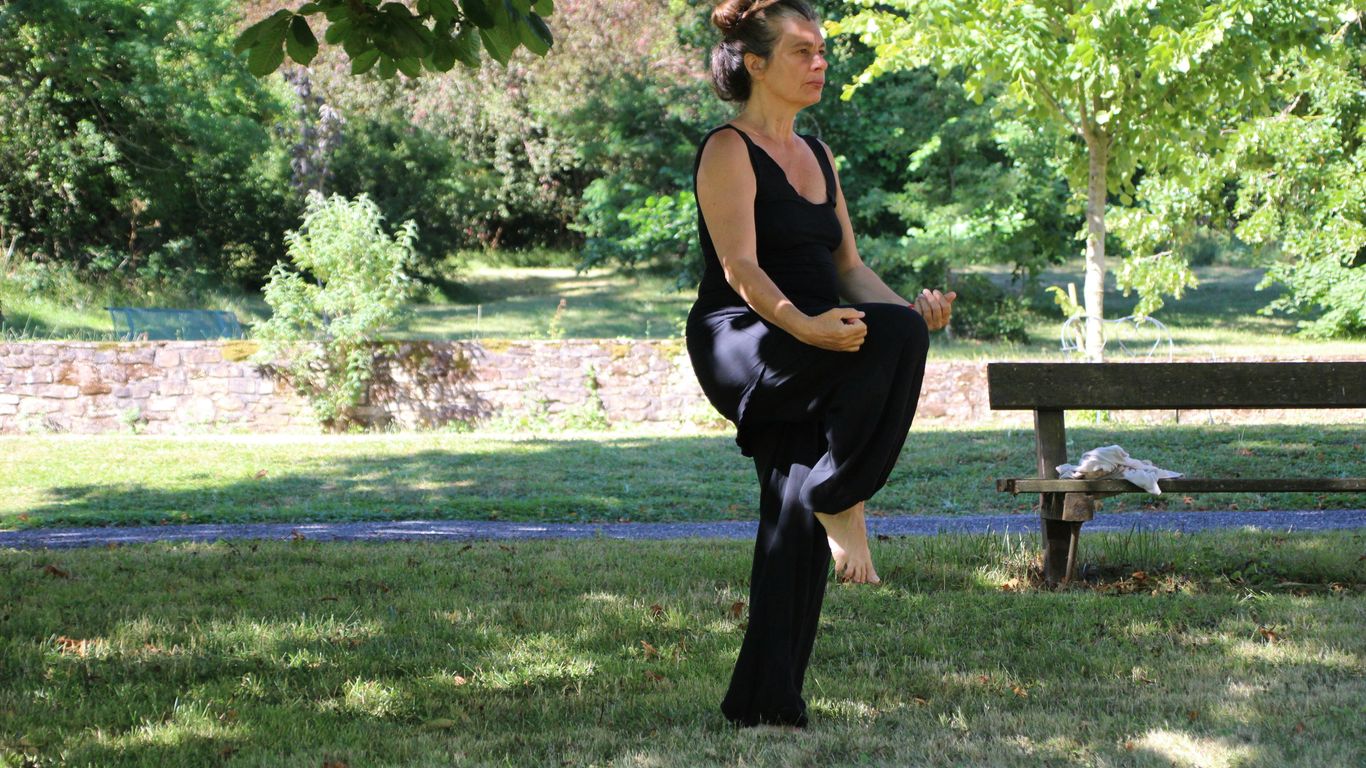
When you're dealing with knee pain, paying close attention to how you move in yoga is super important. It's not just about getting into the pose; it's about doing it in a way that supports your knees, not strains them. Think of it like building a sturdy house – the foundation and structure matter.
Proper Alignment to Protect Knees
This is where the magic happens, or where things can go wrong if you're not careful. The main thing to remember is to keep your knee tracking over your second toe in most standing poses. This means if you draw a line from your second toe up, your knee should be right on top of it. It helps distribute the weight evenly and prevents that awkward twisting feeling.
- In lunges: Make sure your front knee is stacked directly over your ankle. If it goes past your toes, you're putting too much pressure on the joint. You might need to shorten your stance.
- In squats (like Chair Pose): Again, keep those knees in line with your toes. Imagine you're sitting back into a chair, rather than letting your knees cave inward or shoot forward too much.
- In twists: Be mindful not to let your knee collapse inward or outward as you twist your torso. Keep the leg stable.
Getting the alignment right is the first step to making yoga a pain-free practice.
Using Props for Support and Comfort
Props aren't cheating; they're your best friends when your knees are feeling sensitive. They help you find that sweet spot of alignment and reduce the load on your joints. You can find some great yoga poses designed to relieve knee pain through safe instructions, adaptable modifications, and gentle routines that enhance strength, mobility, and long-term comfort for the knees. Yoga poses for knee pain can be a lifesaver.
- Blocks: Use blocks under your hands in poses like forward folds or lunges to bring the floor closer, reducing the need to bend your knees too deeply. You can also place a block between your thighs in poses like Bridge Pose to help engage your inner thighs.
- Blankets or Cushions: Folded blankets or cushions are fantastic for padding under the knees in poses that require kneeling, like Cat-Cow or Low Lunge. This adds a soft layer of support.
- Straps: A strap can help you deepen stretches without overextending, for example, in Reclining Hand-to-Big-Toe Pose, allowing you to keep your leg straighter while still getting a good hamstring stretch.
Listening to Your Body During Practice
This is perhaps the most important part. Your body sends signals, and pain is a big one. If something feels sharp, pinching, or just plain wrong in your knee, stop. Don't try to push through it.
It's easy to get caught up in what everyone else is doing or what the instructor is saying, but your body is unique. What feels good for one person might not feel good for you. Respecting your knee's limits means modifying poses, taking breaks, or even skipping a pose altogether if it causes discomfort. This mindful approach is what allows you to continue practicing yoga safely and reap its benefits over time.
Remember, yoga is a journey, not a race. Being gentle with yourself and your knees will lead to more sustainable progress and a more enjoyable practice overall.
Addressing Muscle Imbalances
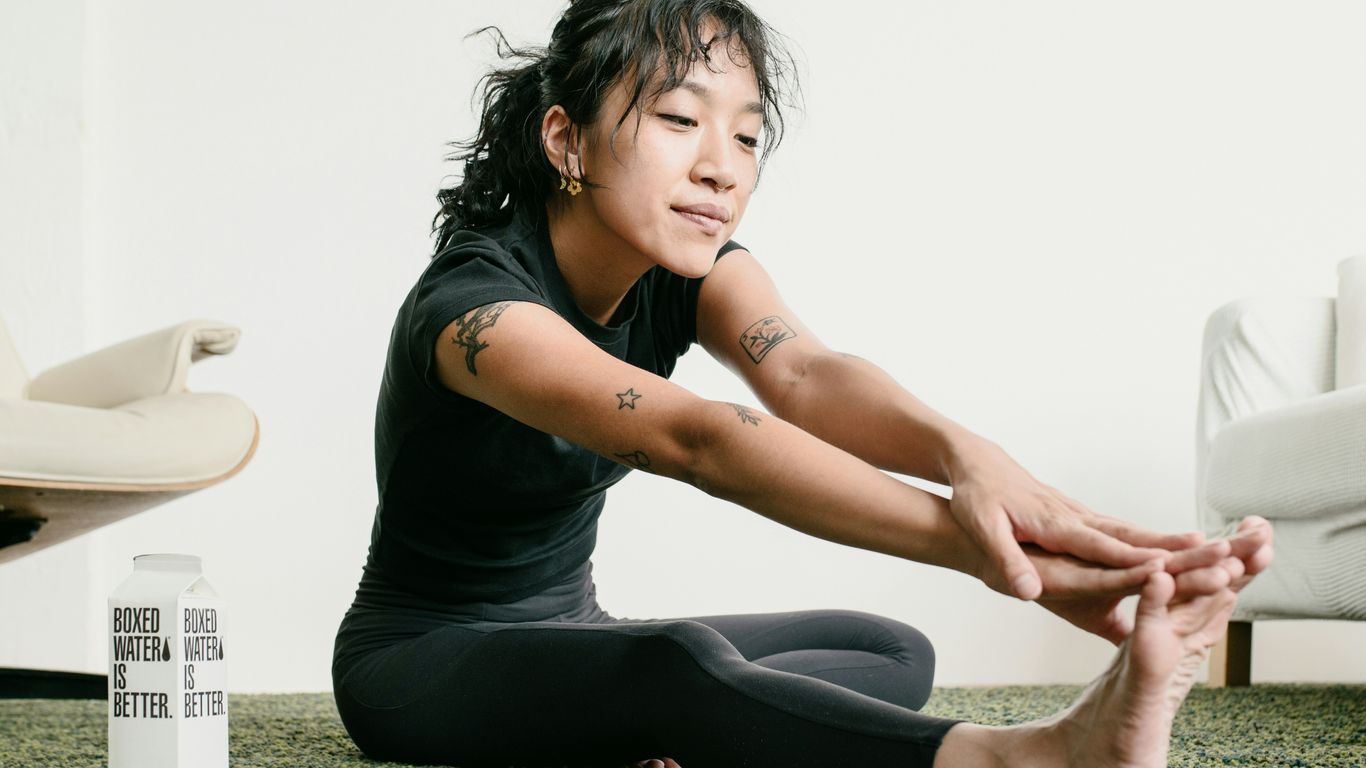
Sometimes, knee pain during yoga isn't about the poses themselves, but about what's happening with the muscles around your knees. Think of your knees as part of a team – your hips, ankles, and even your feet are all on that team. If one player is too tight or too weak, the whole team suffers, and the knees often take the brunt of it.
Identifying Tight and Weak Muscles
Muscle imbalances are super common, especially if you're active in other ways like running or cycling. Your body compensates, and certain muscles get overworked while others get lazy. For example, tight hamstrings or outer hip muscles can pull your kneecap out of its natural groove. Conversely, weak glutes or inner thigh muscles mean your knees don't have enough support.
Here are some common culprits:
- Tightness: Often found in the hamstrings, calves, outer hips (like the IT band), and hip flexors.
- Weakness: Frequently seen in the glutes, inner thighs (adductors), and the muscles that support your feet and ankles.
- Mobility Issues: Limited movement in the hips and ankles can force your knees to work harder than they should.
Paying attention to these patterns is key to figuring out what's going on with your knees.
Targeted Strengthening and Stretching
Once you have an idea of where the imbalances lie, yoga becomes a fantastic tool to correct them. It's not just about holding poses; it's about using them strategically. We want to lengthen the muscles that are too short and build strength in those that are lagging. For instance, poses that open the hips and stretch the hamstrings can help release tension pulling on the knee. Simultaneously, poses that engage the glutes and inner thighs provide that much-needed stability. This targeted approach helps bring your leg muscles back into balance, reducing undue stress on your knee joint. You can find poses that help strengthen the muscles surrounding the knee, improving control and stability. This practice can lead to a greater sense of ease and comfort in the knee area.
Improving Hip and Ankle Mobility
Don't forget about the joints above and below the knee! Poor hip or ankle mobility can significantly impact knee health. If your hips can't rotate or flex properly, your knees might compensate by twisting or bending in ways they shouldn't. Similarly, stiff ankles can affect how your foot lands and absorbs shock, sending that impact right up to your knees. Yoga poses that encourage a full range of motion in the hips and ankles are therefore incredibly beneficial. Think gentle twists, ankle circles, and hip openers. By improving movement in these areas, you create a more fluid and stable kinetic chain, taking pressure off your knees.
Addressing muscle imbalances isn't just about fixing pain; it's about creating a more resilient and functional body. When your muscles work together harmoniously, your joints are better protected, and you can move through your yoga practice, and life, with more freedom and less discomfort.
Complementary Strategies for Knee Pain Relief
While yoga is fantastic for your knees, sometimes you need a little extra help. Think of these strategies as your knee pain relief toolkit, ready to be used alongside your yoga practice.
Integrating R.I.C.E. Method
The R.I.C.E. method is a go-to for managing sudden knee pain or flare-ups. It's pretty straightforward and can make a big difference in how quickly you feel better.
- Rest: Give your knee a break from activities that cause pain. This doesn't mean complete inactivity, but avoiding anything that aggravates it.
- Ice: Apply a cold pack wrapped in a thin towel to the painful area for 15-20 minutes several times a day. This helps reduce swelling and numb the pain.
- Compression: Use an elastic bandage to wrap the knee. It should be snug but not so tight that it cuts off circulation. This helps control swelling.
- Elevation: When you're resting, try to keep your knee raised above the level of your heart. Prop it up on pillows. This also helps with swelling.
Lifestyle Adjustments for Joint Health
Making some changes to your daily life can really help your knees in the long run. It's about being kind to your joints.
- Mindful Movement: Beyond yoga, find other low-impact activities you enjoy, like swimming or cycling. These keep you active without pounding your knees.
- Nutrition: Eating foods that help fight inflammation can be beneficial. Think about adding more fruits, vegetables, fatty fish (like salmon), and spices like turmeric and ginger to your meals.
- Weight Management: If you're carrying extra weight, even a small amount of weight loss can significantly reduce the pressure on your knee joints. It's one of the most effective ways to ease knee pain.
Considering Over-the-Counter Relief
Sometimes, a little extra help from the pharmacy aisle can be useful. Always talk to your doctor or pharmacist before starting any new medication, even over-the-counter ones.
- Pain Relievers: Non-steroidal anti-inflammatory drugs (NSAIDs) like ibuprofen or naproxen can help reduce pain and inflammation. Acetaminophen can help with pain but doesn't reduce swelling.
- Topical Treatments: Creams, gels, or patches containing ingredients like menthol, capsaicin, or NSAIDs can provide localized relief without affecting your whole body.
It's important to remember that these complementary strategies are meant to work with your yoga practice, not replace it. They offer additional support to help manage discomfort, reduce inflammation, and promote overall joint well-being. By combining these approaches, you create a more robust plan for keeping your knees happy and healthy.
When to Seek Professional Guidance
Sometimes, even with the best intentions and careful practice, your knee pain might not budge. It's totally normal to hit a point where your usual yoga routine and home care just aren't cutting it anymore. Don't hesitate to reach out for help when your body is sending clear signals. Pushing through persistent pain can sometimes make things worse, and that's the last thing anyone wants.
Recognizing Persistent Pain Signals
If you're experiencing any of the following, it's a good sign to consider talking to a professional:
- Pain that doesn't improve: Your knee pain sticks around for weeks, even with modifications and rest.
- Pain that gets worse: The discomfort increases during or after yoga, or even during daily activities.
- Swelling or stiffness: You notice significant swelling, redness, or prolonged stiffness in your knee joint.
- Limited mobility: Your knee feels stiff or unstable, making it hard to move freely or bear weight.
- Pain during everyday tasks: The pain isn't just on the mat; it affects walking, climbing stairs, or getting up from a chair.
Consulting with Healthcare Providers
When you decide it's time to get some expert advice, here's what you can expect:
- Initial Consultation: Start by making an appointment with your primary care doctor. They can do an initial assessment, ask about your symptoms, and potentially order basic tests like X-rays to get a clearer picture.
- Referral to Specialists: Depending on the findings, your doctor might refer you to a specialist. This could be an orthopedic doctor, who focuses on bones and joints, or a physical therapist, who is an expert in movement and rehabilitation.
- Diagnostic Imaging: Specialists may recommend more advanced imaging, such as an MRI, to get a detailed look at the soft tissues around your knee, like ligaments and cartilage.
It's important to remember that seeking professional help isn't a sign of failure. It's a proactive step towards understanding your body better and finding the most effective path to recovery and continued well-being.
Exploring Advanced Treatment Options
Based on the diagnosis, a healthcare provider might suggest treatments beyond what you can do at home or in a typical yoga class:
- Physical Therapy: A tailored program designed by a physical therapist can involve specific exercises to strengthen the muscles supporting your knee, improve flexibility, and correct any biomechanical issues. This is often a key step before considering more invasive options.
- Injections: In some cases, corticosteroid injections might be recommended to reduce inflammation and pain, offering temporary relief to allow for more effective physical therapy.
- Surgery: For severe cases where conservative treatments haven't worked, surgical options like arthroscopy or even knee replacement might be discussed. These are typically considered when the pain significantly impacts your quality of life and other methods have failed.
Wrapping It Up
So, we've talked a lot about how yoga can really help with knee pain. It’s not just about stretching; it’s about building up the muscles around your knees and making them more stable. Remember to listen to your body, use props if you need them, and don't ever push through pain. Sometimes, combining yoga with other things like R.I.C.E. or just managing your weight can make a big difference too. If things don't get better, it's always a good idea to chat with a doctor or a physical therapist. But for many, a regular, mindful yoga practice can be a game-changer for happier, healthier knees.
Frequently Asked Questions
Can yoga actually help my knee pain?
Yes, yoga can be really helpful for knee pain! It works by making the muscles around your knee stronger and more flexible. When these muscles are healthy, they support your knee better, which can reduce pain and make it easier to move around. It's like giving your knee a good support system.
What are the most common reasons people get knee pain from yoga?
Knee pain from yoga often happens when you do poses incorrectly, like not lining up your knee over your ankle. It can also happen if the muscles around your knee are too tight or too weak, or if you have tight hips or hamstrings. Sometimes, just doing too much too soon can also cause discomfort.
Are there any yoga poses I should avoid if I have knee pain?
You should be careful with poses that put a lot of direct pressure on your knees, especially kneeling poses like Hero Pose or poses that involve deep knee bends. It's always best to listen to your body and skip or change any pose that makes your knees hurt.
How can I make yoga safer for my knees?
To keep your knees safe, focus on how you line up your body in each pose, making sure your knee is over your ankle when bending. Using props like blankets under your knees for cushioning or blocks to shorten the distance can make a big difference. Moving slowly and gently is also key.
Besides yoga, what else can I do for knee pain?
You can combine yoga with other things like the R.I.C.E. method (Rest, Ice, Compression, Elevation) for sudden pain. Eating healthy foods that fight inflammation, like fruits and veggies, and keeping a healthy weight also helps a lot by taking pressure off your knees.
When should I see a doctor about my knee pain?
If your knee pain doesn't get better with yoga and home care, or if it gets worse, it's a good idea to see a doctor or a physical therapist. They can figure out exactly what's causing the pain and suggest special exercises or treatments just for you.

