The Ultimate Guide to the Best Yoga Gear for Every Practice
Getting the right yoga gear can make a big difference in how you feel and move during your practice. Here are some main points to remember when choosing your equipment.
Key Takeaways
- Choose yoga clothes that are stretchy, breathable, and fit well without being too tight or too loose.
- Your yoga mat should offer good grip and enough cushioning for comfort and safety.
- Accessories like blocks, straps, and bolsters can help you get more from your poses and feel more supported.
- Keep your yoga gear clean and store it properly to make it last longer.
- Stay hydrated with a good water bottle and consider other items like socks or headbands for extra comfort.
Essential Yoga Apparel For Every Practice
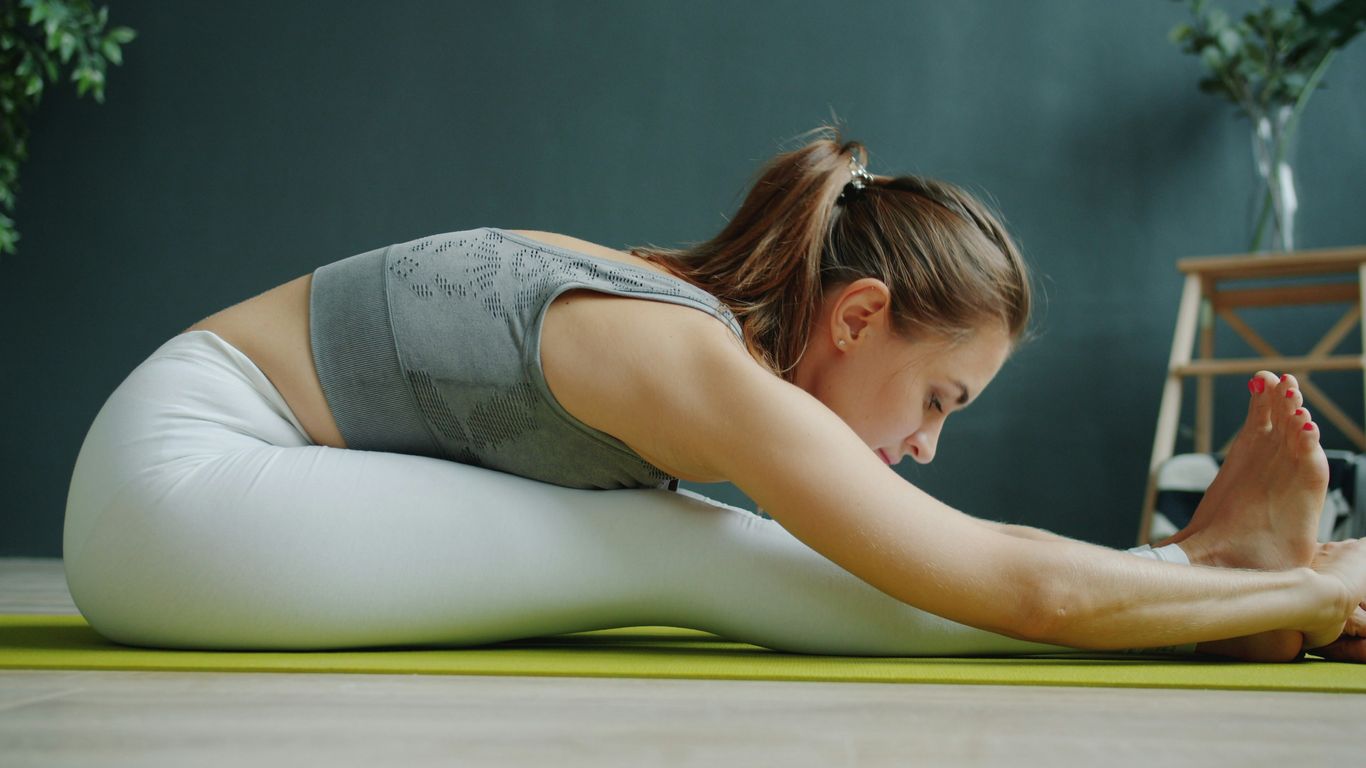
When you're getting ready for a yoga session, what you wear really matters. It's not just about looking good; it's about feeling comfortable and being able to move freely through all your poses. The right clothes can make a big difference in how much you enjoy your practice and how well you can focus on your breath and alignment. Let's break down the key pieces of apparel that will help you feel your best on the mat.
Choosing The Best Yoga Tops
Finding the right yoga top is all about balancing comfort, coverage, and freedom of movement. You want something that stays put when you're upside down but doesn't feel restrictive. Tank tops are a popular choice because they offer great breathability and allow for a full range of motion in your arms and shoulders. Look for fabrics that are soft and moisture-wicking, especially if you tend to sweat a lot or practice in a heated room. T-shirts are another solid option, providing a bit more coverage while still being stretchy and comfortable. Some people prefer slightly looser fits, while others like a more form-fitting style. The key is to choose a top that feels good against your skin and doesn't distract you during your practice.
Comfortable Pants and Shorts For Your Flow
Your lower body apparel needs to be just as functional as your top. Yoga pants are a staple for many practitioners. They come in a huge variety of styles, from high-waisted leggings that offer a secure fit to more relaxed joggers or capris. The most important thing is that they have enough stretch to allow you to move through poses like lunges and twists without feeling pulled or restricted. Materials that wick away sweat are a big plus. If you prefer shorts, opt for a length that gives you confidence during inversions. Sometimes, wearing a pair of fitted shorts underneath looser ones can provide extra security. When picking out yoga pants, think about the type of yoga you do most often and what feels most comfortable for your body.
Supportive Sports Bras For Stability
A good sports bra is non-negotiable for many, especially during more dynamic yoga practices. It provides the necessary support to keep you comfortable and prevent distractions. When shopping for a sports bra for yoga, look for features like moisture-wicking fabric to manage sweat, wide straps that don't dig into your shoulders, and a snug band that stays in place. Flat seams are also a nice touch to avoid chafing. The level of support you need will depend on your personal preference and the intensity of your practice. Some bras offer light support, while others provide more compression. It's worth trying a few different styles to see what works best for you.
Choosing the right apparel isn't just about following trends; it's about selecting pieces that support your physical practice and mental focus. When your clothes feel good and move with you, you're free to immerse yourself more fully in the yoga experience.
Selecting The Best Yoga Mats
Finding the right yoga mat is a personal thing, but it can make a big difference in how steady and comfortable you feel throughout your session. Whether you're a newcomer or seasoned yogi, your mat is your place, and it's worth picking carefully.
Understanding Mat Materials
Materials used in yoga mats vary, and each has its own pros and cons. Here's a simple breakdown:
| Material | Feel | Eco-Friendly | Durability | Typical Price |
|---|---|---|---|---|
| PVC | Smooth | No | Very high | $ |
| TPE | Soft | Somewhat | High | $$ |
| Natural Rubber | Grippy | Yes | High | $$$ |
| Jute/Cotton | Textured | Yes | Moderate | $$ |
- PVC mats are affordable but usually not as environmentally friendly.
- Natural rubber, like the JadeYoga Harmony Mat, feels great and has fantastic grip, but may be heavier.
- If you're eco-conscious, look for mats made from jute or organic cotton, which break down naturally but might feel less cushioned.
Grip and Cushioning Considerations
A good yoga mat should keep you from slipping and cushion your joints without feeling squishy.
When picking a mat, pay attention to:
- Surface texture: Stickier surfaces help hang onto your mat even in sweaty classes.
- Cushion: Thicker doesn't always mean better; too much can make balancing tough.
- Your practice: For hot yoga, you’ll want a super grippy top layer; general vinyasa can work with less grip.
If you're looking into high-quality grip, both the eKO and GRP series are talked about as top picks—either one is a solid bet.
Mat Thickness For Different Practices
Mat thickness matters more than most people think. Here’s a quick guide:
| Thickness | Best For | Example Use Case |
|---|---|---|
| 1/16" (1.5 mm) | Travel, easy to carry | On-the-go, retreats |
| 1/8" (3 mm) | Most regular practices | Studio, everyday home |
| 1/4" (6 mm) | Extra joint comfort, Pilates | Restorative, Yin yoga |
- Thinner mats (1/16") are handy for travel but don’t protect joints much.
- Most people land in the 1/8" (3 mm) range—good for standing and balancing poses.
- Thicker mats (1/4") help if you have sensitive knees or wrists, but may feel awkward in balance poses.
Your yoga mat isn’t just equipment; it’s your personal space, your island for focus. Choosing one that supports your body and practice style is worth the attention.
Key Yoga Accessories To Enhance Your Practice
Beyond the mat and your comfy clothes, there are a few other bits and bobs that can really make a difference in your yoga journey. These aren't always must-haves, especially when you're just starting out, but they can definitely help you get more out of your practice, feel more supported, and maybe even make things a little more comfortable.
Yoga Blocks For Support And Alignment
Think of yoga blocks as your personal assistants for getting into poses just right. They're super handy for giving you a little extra height or support, especially if you're finding a stretch a bit too intense or you can't quite reach something. For beginners, they're a game-changer, helping you maintain good form without straining. They can be used under your hands in forward folds if your hamstrings are tight, or placed under your hips in seated poses for a bit of lift. Using blocks can help you safely deepen your poses over time.
Straps To Deepen Your Stretches
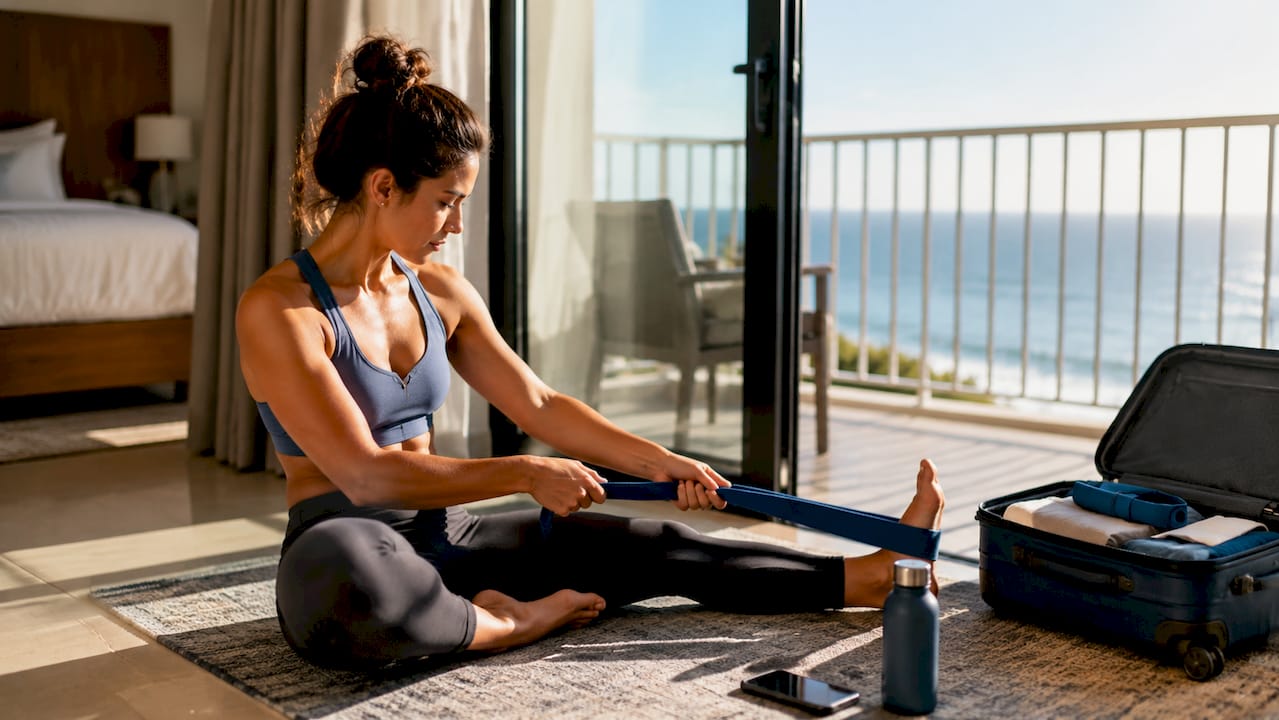
Yoga straps are like an extension of your arms. If you're struggling to reach your feet in poses like a seated forward bend or a bind, a strap can bridge that gap. You just loop it around your foot or hands and hold onto the strap instead. This lets you hold the pose longer and work on your flexibility without forcing anything. They're also great for connecting your hands behind your back if your shoulders are a bit stiff. It's a simple tool, but it can really help you explore poses more fully.
Bolsters For Restorative Poses
Bolsters are basically long, firm pillows that are fantastic for restorative yoga. They provide soft but solid support, making it way more comfortable to hold relaxing poses for longer periods. You can place them under your knees when lying on your back, or under your back for gentle backbends. They help your body relax and release tension, making those quiet, still moments even more peaceful. If you're looking to bring more calm into your routine, a bolster is a great addition. You can even find out about rewards programs that might help you save on these items, like Nikol Beauty's rewards.
These accessories aren't about showing off or having the fanciest gear. They're practical tools designed to help you feel better in your body and get more from your time on the mat. Don't feel pressured to buy everything at once; start with what feels most helpful for your current practice.
Maintaining Your Yoga Gear
Taking care of your yoga equipment isn't just about keeping things looking nice; it's about making sure your gear lasts and supports your practice safely. Think of it like any other tool you use regularly – a little attention goes a long way.
Cleaning Your Yoga Mat
Your yoga mat takes a beating, absorbing sweat and picking up whatever is on the studio floor. Keeping it clean is super important for hygiene and to prevent it from getting slippery or smelly. Most mats can be cleaned with a simple spray and wipe down after each session. For a deeper clean, you might need a bit more.
- Daily Wipe-Down: After every practice, give your mat a quick wipe with a damp cloth. If you've been sweating a lot, use a dedicated mat cleaner or a mild soap and water solution. Spray it evenly, wipe it down, and let it air dry completely before rolling it up. This helps prevent bacteria buildup.
- Deep Cleaning: For a more thorough clean, especially if your mat has seen a lot of use, you can use a specialized mat wash. Spray the entire surface generously, let it sit for a minute or two, then wipe it down thoroughly with a clean cloth. Make sure to rinse off any soap residue with a clean, damp cloth.
- What to Avoid: Harsh chemicals, abrasive cleaners, or excessive water can damage certain mat materials. Always check the manufacturer's recommendations for your specific mat type. For instance, some natural rubber mats can be sensitive to certain cleaning agents.
Keeping your mat clean is a simple yet effective way to ensure a more pleasant and hygienic practice. It also helps maintain the mat's grip and longevity, so you don't have to replace it as often.
Caring For Your Apparel
Your yoga clothes are designed to move with you, so treating them right means they'll keep performing their best. It’s not just about washing them; it’s about how you wash them.
- Read the Labels: Seriously, those little tags have important info. They’ll tell you the best water temperature and if something should be avoided, like fabric softener.
- Gentle Washing: Use a mild detergent, preferably one made for athletic wear. Wash your yoga clothes in cold water to protect the fabric's integrity and color. Avoid using fabric softeners, as they can clog the fibers and reduce their ability to wick away moisture. A cup of white vinegar in the rinse cycle can help soften fabrics and tackle odors naturally.
- Air Dry is Best: High heat from a dryer can damage the stretchy fibers in your yoga wear. Whenever possible, hang your clothes to air dry. If you must use a dryer, opt for the lowest heat setting.
Storing Your Yoga Equipment
Proper storage protects your gear from damage and keeps it ready for your next session. This is especially true for your mat.
- Mats: Always ensure your mat is completely dry before rolling it up. Storing it in a mat bag or sling can protect it from dust and damage, especially if you transport it regularly. If you store it at home, try to keep it unrolled or loosely rolled in a cool, dry place away from direct sunlight.
- Blocks and Straps: These are pretty durable, but keeping them clean and dry is still a good idea. Store them together in a basket or bin so they're easy to find when you need them. A quick wipe-down after use can prevent dirt buildup.
- Apparel: Fold or hang your clean, dry yoga clothes. Keeping them separate from other gym clothes can help prevent snagging or damage. A dedicated drawer or shelf works well.
Taking these simple steps will help your yoga gear stay in great shape, making your practice more comfortable and enjoyable for a long time to come. It’s a small investment of time that pays off in the long run, keeping your favorite yoga mat in top condition. Remember to use a good mat cleaner regularly to keep it fresh.
Footwear And Additional Gear
Beyond the mat and your main outfit, there are a few other bits and pieces that can really make a difference in your yoga practice. Think of these as the supporting cast that helps the stars shine.
Yoga Socks For Grip And Warmth
Sometimes, going barefoot just doesn't cut it. Maybe the studio floor is a bit chilly, or perhaps your hands and feet tend to get a little slippery, especially during more active flows. That's where yoga socks come in. They're not your average socks; they usually have little grippy bits on the bottom to keep you from sliding around. This is super helpful for stability, especially in poses where you need to feel grounded. Some people like the feeling of being directly on the mat, but if you prefer a bit more coverage or need that extra traction, these are a good way to go. You can find them in different styles, too – some leave your toes exposed for better feel, while others cover them completely.
- Grip: The main feature is the non-slip sole, preventing falls.
- Warmth: Great for cooler studios or if your feet tend to get cold.
- Hygiene: A good option if you practice on shared mats.
- Comfort: Can provide a bit of cushioning and support.
Headbands To Keep Hair And Sweat Away
Okay, this one might seem minor, but trust me, when a strand of hair falls in your face during a challenging pose, it's incredibly distracting. A good headband is a simple solution. It keeps your hair out of the way and also does a decent job of soaking up sweat, so you're not getting it in your eyes. They come in all sorts of materials, from soft cotton to moisture-wicking synthetics. If you've got longer hair or just tend to sweat a bit, a headband is a lifesaver. It's one of those small things that lets you focus more on your breath and less on your flyaways. You can find some really comfortable ones designed specifically for active use.
Water Bottles For Hydration
Staying hydrated is pretty important, no matter what kind of exercise you're doing, and yoga is no exception. You might not be gulping down water mid-pose, but having a water bottle nearby for before and after class is a must. A good reusable water bottle is not only better for the environment but also means you'll always have water on hand. Look for one that's easy to carry and doesn't leak. Some people even like to keep a smaller bottle for sips during longer, more intense sessions. It's a simple habit that makes a big difference in how you feel during and after your practice.
Don't underestimate the power of small accessories. Sometimes, the simplest items can make the biggest impact on your comfort and focus during yoga. They're not always the most expensive, but they can certainly improve your overall experience on the mat.
Final Thoughts
Picking the right yoga gear is all about comfort and making sure you can move freely. Whether it's the clothes you wear, the mat you stand on, or the little helpers like blocks and straps, each piece plays a part in your practice. Don't stress too much about having the fanciest items; focus on what feels good and works for you. With the right gear, you'll feel more confident and ready to enjoy every pose and breath. So go ahead, get kitted out, and enjoy your yoga journey!
Frequently Asked Questions
Do I really need special clothes for yoga?
You don't need super fancy outfits, but comfy clothes that let you move easily are a must. Think stretchy fabrics that aren't too tight or too baggy so you can do all the poses without feeling restricted.
What's the most important piece of yoga gear?
Many would say the yoga mat is the most important. It gives you a stable, non-slip surface to practice on, which helps prevent slips and makes your poses feel more secure.
Are yoga blocks and straps really necessary?
Not always, especially when you're just starting. But they are super helpful tools! Blocks can bring the floor closer to you, and straps help you reach further in stretches. They make challenging poses more doable.
How often should I clean my yoga mat?
It's a good idea to wipe down your mat after each practice, especially if you sweat a lot. A deeper clean once a week or so will help keep it fresh and free of germs.
What kind of mat is best for beginners?
For beginners, a mat that's about 1/4 inch thick is usually a good bet. It offers a nice balance of cushioning for your joints and stability for your poses, without being too bulky.
Can I wear regular workout clothes for yoga?
Yes, you can! As long as your regular workout clothes are comfortable, stretchy, and allow you to move freely without showing too much or getting in the way, they should work just fine for most yoga classes.