


The Ultimate Guide to Finding Quality Yoga Supply for Your Practice
Picking the right yoga gear can be a bit like finding the perfect pair of jeans—it's all about what fits you best. Whether you're a newbie or a seasoned yogi, having the right yoga material can really make a difference in your practice. From mats to blocks, each piece plays its part in making yoga safer and more enjoyable. This guide will walk you through the essentials and help you choose the right accessories for your practice.
Key Takeaways
- Quality yoga material enhances both safety and enjoyment during practice.
- The right yoga mat is crucial for grip and joint protection.
- Props like blocks and straps aid in achieving better poses and flexibility.
- Eco-friendly options are available for those conscious of sustainability.
- Shopping from trusted brands ensures you get durable and effective accessories.
Understanding the Importance of Yoga Material
Why Quality Matters in Yoga Accessories
So, you're getting into yoga, or maybe you've been practicing for a while and are thinking about upgrading your gear. It’s easy to think that any old mat or block will do, but honestly, the stuff you practice on can make a pretty big difference. Using quality yoga accessories isn't just about looking the part; it's about making your practice safer, more comfortable, and ultimately, more effective. Think about it: a slippery mat can lead to a nasty fall, and a flimsy block might just crumble when you need it most. Investing in well-made items means they'll last longer, too, saving you money and hassle down the road. It’s about having reliable support so you can actually focus on your breath and your body, not on whether your mat is going to slide out from under you.
The Role of Props in Enhancing Practice
Props like blocks, straps, and bolsters often get a bad rap, seen as tools only for beginners or those with serious limitations. But that’s really not the case. These items are fantastic for anyone looking to deepen their practice, improve their posture, or simply make challenging poses a bit more accessible. For example, a yoga block can help you bring the floor closer in poses where you struggle to reach, or it can support your hips in bridge pose. Straps are brilliant for extending your reach in seated forward folds or helping you bind in twists. Bolsters are pure bliss in restorative poses, offering gentle support that allows your body to truly relax and release tension. They're like having a patient, knowledgeable assistant guiding you into a better version of the pose.
How Accessories Improve Safety and Comfort
Let's talk safety. Yoga is generally safe, but like any physical activity, there's always a risk of pulling something or falling if your gear isn't up to par. A mat with good grip is non-negotiable for preventing slips, especially if you tend to sweat a lot. Props also play a big role here by helping you maintain proper alignment, which is key to avoiding strain. Beyond safety, comfort is a huge factor in enjoying your practice. A mat that’s too thin can leave your joints feeling bruised, while a supportive bolster can transform a simple resting pose into a deeply rejuvenating experience. When you feel secure and comfortable, you can let go of distractions and really sink into your practice.
Choosing the Right Yoga Mat for Your Practice
Finding your favorite yoga mat isn't as straightforward as it seems—it's a personal process that combines a bit of research, a lot of trial and error, and just figuring out what feels best to you. Your mat will be your foundation, so let's dig into what actually matters when you're picking one out.
Material Matters for Your Yoga Mat
The material of your yoga mat really shapes your whole experience. There’s a bunch of options:
- PVC: Budget-friendly, reliable grip, but not so great for the environment.
- Natural Rubber: Awesome traction and sustainable, though it’s not suitable if you’re allergic to latex.
- TPE (Thermoplastic Elastomer): Lightweight, sort of a middle ground between synthetic and natural.
- Cork: Gets grippier with moisture, naturally antimicrobial, often heavier.
| Material | Grip | Weight | Eco-Friendly | Notes |
|---|---|---|---|---|
| PVC | Good | Medium | No | Most affordable |
| Natural Rubber | Excellent | Medium-High | Yes | Avoid w/ latex allergy |
| TPE | Good | Light | Somewhat | Portable, flexible |
| Cork | Great (wet) | Heavy | Yes | Needs maintenance |
Eco-friendly options, like those using natural or recycled materials, can be a big plus if you care about sustainability. For some inspiration, the eKO and GRP series yoga mats are known for quality and flexibility across all levels.
Consider Thickness and Texture
Mat thickness isn't just a number—it’s the difference between a comfy pose and a sore knee, especially for floor work. Here’s what to know:
- Thin (2-4mm): Keeps you connected to the floor—ideal for balance and standing poses.
- Medium (4-6mm): Versatile, a good “all-around” option for most practices.
- Thick (6mm+): Extra cushion for sensitive joints or longer, restorative classes.
Texture comes into play if you tend to sweat. Mats with a sticky, textured surface will stop your hands from sliding and keep you grounded. If you like it smooth, just be ready to towel off occasionally!
Grip and Durability of Yoga Mats
Grip is—and I honestly can’t say this loud enough—the key to a solid practice, especially in styles where you sweat a lot. Durability matters just as much, though.
Look for these signs when testing a mat:
- The mat doesn’t slip on the floor, even when you move fast.
- Your hands and feet stay put during downward dog or planks.
- Material bounces back, with no deep permanent dents from your hands or knees.
A quality yoga mat should make you feel stable and comfortable from the very first sun salutation—if it doesn’t, it might be worth switching.
To sum up: It’s totally worth investing in a mat that suits your practice and keeps you motivated to get moving. Your body (and your yoga flow) will thank you every time you unroll it.
Essential Yoga Props for Every Practice
Getting started with yoga? Or maybe you’re looking to freshen up your regular routine. Either way, using the right props can really change how your sessions feel. Props aren’t just for beginners; they can help anyone get more comfort, stability, and even push deeper into some postures. Let’s look at a few must-have items and why they matter.
Blocks for Support and Alignment
Yoga blocks are a handy addition to your home or studio practice. There’s no shame in reaching for a block—they bring the ground up to meet you when your flexibility isn’t quite there yet. Blocks can also add extra height or stability in poses like Half Moon, Triangle, or even just a comfortable seat. They’re often made from:
- Foam (lightweight, softer)
- Cork (firmer, naturally grippy)
- Wood (the heaviest, super sturdy)
| Material | Weight | Durability | Feel |
|---|---|---|---|
| Foam | Light | Medium | Soft |
| Cork | Medium | High | Grippy |
| Wood | Heavy | Very High | Firm |
If you’ve ever found yourself wobbling during a pose, a block might be the simple fix you’ve needed all along.
Straps for Deeper Stretches
Struggling to reach your feet in a forward fold? That’s exactly where yoga straps come in. Straps kind of work like an arm-extension, letting you comfortably reach or hold a limb you can’t quite get to. They’re especially helpful in stretches for:
- Hamstrings
- Shoulders
- Binds behind the back
Using a strap can keep your posture safe and prevent forcing yourself into a position you’re not ready for. Most straps are made from woven cotton or nylon, and you can choose different lengths to suit your needs.
Bolsters for Restorative Poses
Bolsters are basically yoga pillows—big, firm, and great for any pose where you need long, steady support. Restorative yoga feels completely different with the right bolster for your back, knees, or neck. Some people use them:
- For lower back support in reclined poses
- Under knees during meditation
- When resting in Savasana or Child’s Pose for extra ease
Taking a few moments to rest on a bolster can completely reset your body and mind after a busy day.
Even if you’re not doing a full restorative session, a good bolster can make any yoga practice more restful and supportive.
These three props—blocks, straps, and bolsters—are basic but powerful. Once you get used to them, you might wonder how you ever practiced without. Don’t be afraid to experiment a bit. Over time, you’ll figure out exactly how to set up your props for a practice that feels just right for you.
Selecting Yoga Accessories Based on Your Needs
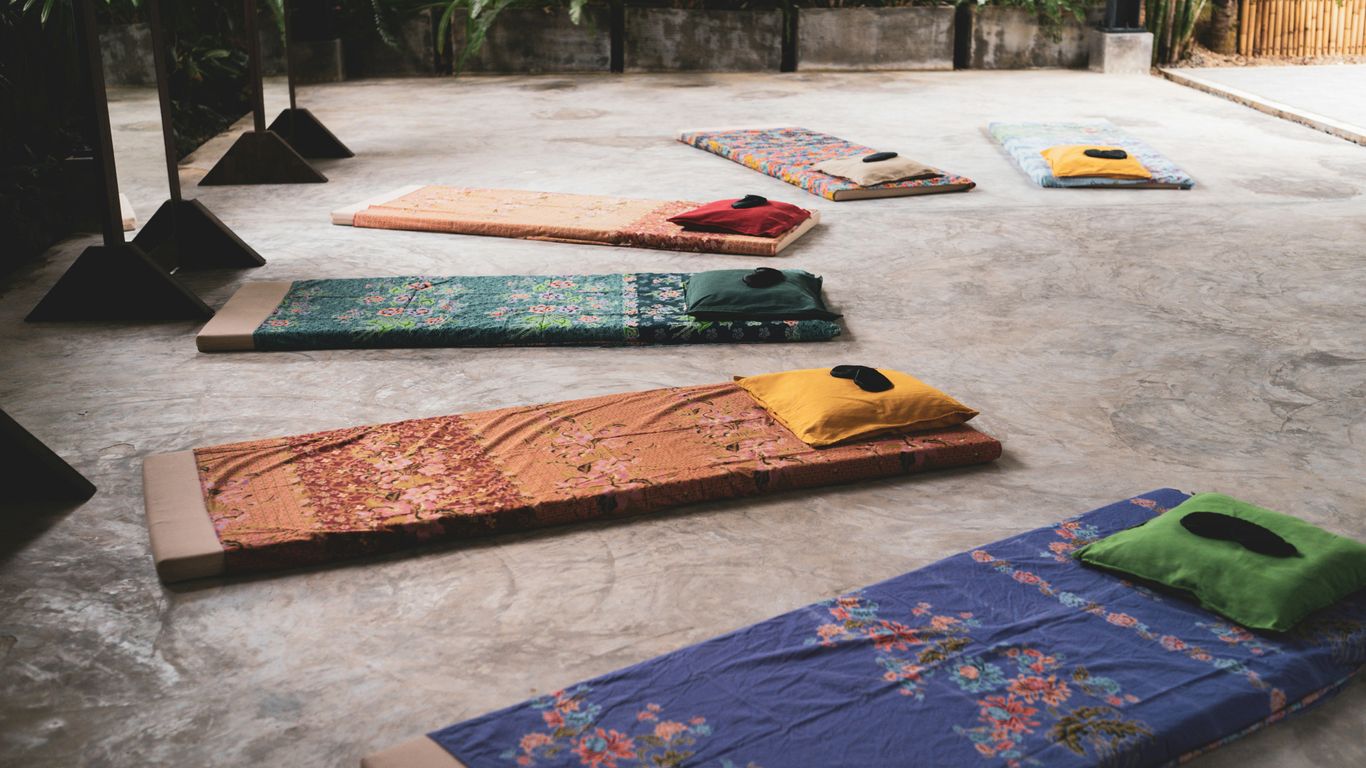
When you’re looking at the sea of yoga props out there, it can feel overwhelming. You might wonder what’s actually necessary and what just ends up gathering dust in a corner. Honestly, not every accessory is for everyone. Getting clear on your personal practice helps you narrow down what to add to your yoga space.
Assessing Your Practice Style and Goals
Not all yoga is the same—and your props should match your style. Are you into slow, meditative classes, or is power flow more your thing? Take a little time to figure out what you need by considering:
- The type of yoga you like (restorative, vinyasa, yin, etc.)
- Your main focus: strength, flexibility, relaxation
- Any physical limitations or unique needs you might have
Picking accessories that actually support your usual practice makes sessions smoother and more enjoyable.
Prioritizing Comfort and Versatility
It’s tempting to grab every new gadget, but honestly, you want a few items that do the job well. Go for props that are:
- Comfortable to the touch and to use
- Adaptable for more than one pose or style
- Supportive without being too bulky or awkward
Items like multi-use blocks or soft, flexible straps—such as Slim Panda's yoga straps made from 100% cotton—can really come in handy across different routines.
Testing for Quality and Durability
Don’t get fooled by things that look nice but fall apart after a week of sweaty classes! If your accessories start to crack, slip, or lose their shape, your practice will suffer. Here’s a quick checklist to help test for quality:
| Test | What to Check For |
|---|---|
| Structure | Holds shape, feels sturdy |
| Surface | Non-slip, non-irritating |
| Material | Eco-friendly, durable fabric |
| Stitching | Neat, no loose threads |
| Washability | Easy to clean, dries quickly |
- Try out items whenever possible before buying
- Check return policies if something doesn’t work for you
- Read reviews for honest feedback from actual users
Taking your time to pick out the right gear means you’ll actually use it—and your sessions will be way more satisfying in the long run.
Where to Buy High-Quality Yoga Supply
So, you've decided to invest in some decent yoga gear. That's awesome! Now, where do you actually find this stuff? You've got a couple of main routes: online or in a physical shop. Both have their perks, and what's best really depends on what you're looking for.
Online vs. In-Store Shopping for Yoga Gear
Shopping online is pretty convenient, right? You can sit at home, scroll through endless options, and compare prices without even putting on shoes. Websites dedicated to yoga often have a bigger selection, especially for those niche items or eco-friendly finds you might be after. It's easy to find a great deal if you look around. Plus, you can often find detailed product descriptions and a ton of reviews.
On the other hand, going to a physical store lets you actually touch and feel the products. This is a big deal if you're particular about how things feel – like the texture of a mat or the firmness of a bolster. You can test things out, see how they hold up, and get a feel for the quality before you hand over your cash. Yoga studios sometimes sell props, which is a nice way to try them out in a familiar environment.
Finding Trusted Retailers and Brands
When you're looking for quality, sticking with brands that have a good reputation is usually a safe bet. Companies known for using sustainable materials and making durable products are often a good starting point. Think about brands that focus on eco-friendly practices if that's important to you. For example, some brands are really well-regarded for their long-lasting mats, like the PROlite® 4.7mm yoga mat. If you're into unique, handmade items, places like Etsy can be a treasure trove. For props, look for retailers that specialize in yoga equipment; they're more likely to stock items that are built to last.
Leveraging Customer Reviews and Recommendations
Before you click 'buy' or head to the checkout, take a few minutes to read what other people are saying. Customer reviews can give you a real sense of how a product holds up over time. Are people happy with the grip? Does it wear out quickly? Look for comments about the materials and how the item performs in actual use. While a few bad reviews are normal, a pattern of complaints about durability or quality is a red flag. Also, don't underestimate the power of word-of-mouth. Ask your yoga instructor or fellow students what they use and recommend. Their personal experiences can be super helpful, especially if they practice similarly to you.
Investing in good yoga gear isn't just about making your practice look good; it's about making it feel good and last longer. Choosing items that are well-made and suit your needs means you'll likely stick with your practice and get more out of it over time.
Here's a quick rundown of what to consider:
- Practice Style: Are you doing hot yoga, restorative, or vinyasa? This affects mat grip and material needs.
- Durability: Look for sturdy construction, especially for props that will bear weight.
- Material: Consider eco-friendly options like natural rubber, cork, or recycled materials.
- Comfort: Does it feel good? Can you use it for extended periods without discomfort?
- Portability: If you travel to your studio, how easy is it to carry?
Finding the right spot to buy your yoga supplies is part of the journey. Take your time, do a little research, and you'll end up with gear that supports your practice for years to come.
Advanced Yoga Accessories for Enhanced Practice
For folks who have gotten pretty comfortable with the basics, adding a few advanced accessories to your setup can really open new possibilities. These aren't items you have to buy on day one, but as your practice changes, you might find yourself wanting a little extra support, flexibility, and even convenience.
Yoga Wheels for Deeper Flexibility
Yoga wheels are one of those tools that a lot of seasoned practitioners rave about once they try them. They help with backbends, chest openers, and all sorts of stretches that can be tough with tight shoulders or hip flexors. If you've been stuck on a pose, a yoga wheel can sometimes get you there safely by giving you a point of support or something to lean into. They're great for core work, too, especially when you want to try balancing or rolling exercises.
- They improve flexibility and can open up areas like the back and hips
- Useful for both stretching and building strength
- Helps with mastering advanced poses, like deep heart openers
Mat Bags and Slings for Portability
Bringing your mat to the studio (or anywhere, really) gets much easier with a proper bag or a sling. It seems simple, but this small upgrade can save you a lot of frustration if you've ever tried to juggle a rolled mat in one arm, your keys in another, and a water bottle tucked under your chin.
| Accessory | Pros | Best For |
|---|---|---|
| Mat Bag | Protects mat from dirt, weather, and tears; often has pockets for extras | People carrying lots of gear |
| Mat Sling | Lightweight, quick to use, dries quickly | Minimalists, short commutes |
- Bags often offer space for towels and personal items
- Slings are more compact, less bulk to carry
- Some designs even have ventilated panels to keep mats from smelling musty
Specialized Clothing for Comfort
If you're attending classes more often or exploring new practices, specialized clothing—moisture-wicking leggings, fitted tops, and grippy socks—can actually make a big difference. Cotton t-shirts work fine for a while, but once you start sweating (or trying more dynamic classes), they can feel heavy and sticky. Proper clothing lets you move freely, prevents chafing, and keeps everything where it should be.
- Look for clothes that stretch but also offer support
- Flat seams help reduce skin irritation
- Some advanced gear even has pockets for keys or cards
When I switched from my old gym shorts to actual yoga pants, I couldn't believe how much easier it was to move. Suddenly, down dogs weren’t about yanking my shirt back into place—just the stretch and the breath. Little things like that end up making big differences session after session.
Maintaining Your Yoga Supply
Taking care of your yoga gear is pretty important if you want it to last and keep your practice feeling good. It’s not super complicated, but a little effort goes a long way. Think of it like any other tool you use regularly; a bit of upkeep makes it work better and longer.
Cleaning Your Yoga Mat
Your yoga mat takes a beating, absorbing sweat and whatever else gets on it during practice. Keeping it clean stops it from getting smelly and helps it last longer. Most mats can be cleaned pretty easily.
- Daily wipe-down: After each use, give your mat a quick wipe with a damp cloth or a specialized mat cleaner. This gets rid of surface sweat and dirt.
- Deep clean: About once a week, or whenever it feels like it needs it, do a more thorough cleaning. You can use a gentle soap mixed with water or a commercial mat cleaner. Just spray it on, wipe it down with a clean cloth, and then wipe again with a damp cloth to remove any soap residue.
- Drying is key: Always let your mat air dry completely before rolling it up. Laying it flat or hanging it over a chair works well. Putting away a damp mat can lead to mildew and a funky smell.
A good mat cleaner can be a lifesaver, but you can also make your own with a bit of water and a few drops of mild soap or essential oils like tea tree or lavender for their cleaning properties.
Caring for Your Yoga Props
Props like blocks, straps, and bolsters also need some attention to stay in good shape.
- Blocks: If your blocks are made of cork or wood, a simple wipe-down with a damp cloth is usually enough. For foam blocks, use a damp cloth with a little soap if needed, and make sure they dry thoroughly. Avoid soaking them.
- Straps: Most yoga straps can be hand-washed with mild soap and water. Hang them to dry completely. Check the buckles or hardware for any signs of wear.
- Bolsters: Covers for bolsters are often removable and machine washable. Check the care label, but usually, you can just toss them in the wash with your regular laundry. The inner bolster itself typically can't be washed, so keep it dry.
Extending the Lifespan of Your Gear
Beyond just cleaning, a few other habits can help your yoga gear stick around for the long haul.
- Storage: Store your mat rolled up (not folded, as this can create creases) in a cool, dry place away from direct sunlight, which can degrade the material over time. Keep props together, perhaps in a dedicated basket or bag.
- Gentle Use: While props are made to be used, try to avoid excessive force or dragging them across rough surfaces, which can cause unnecessary wear.
- Inspect Regularly: Take a moment every so often to look over your gear. Are there any tears, fraying, or signs of significant wear? Catching small issues early can prevent them from becoming bigger problems.
Your Practice, Your Gear
So, we've gone over a lot of stuff about yoga gear. It might seem like a lot, but really, it boils down to finding what works for you and your body. You don't need the most expensive things to have a good practice. Start with the basics that feel right, and add more as you go. Think about what you like to do in yoga, what feels comfortable, and what will last. Whether you're grabbing a mat from a big store or a special block from a small online shop, the goal is to make your time on the mat more enjoyable and supportive. Happy practicing!
Frequently Asked Questions
Why is good quality yoga gear important?
Using good quality yoga gear makes your practice safer and more comfortable. It helps you do poses correctly without slipping or things breaking. Plus, good gear lasts longer, saving you money over time.
What should I look for in a yoga mat?
When picking a yoga mat, think about what kind of yoga you do. You'll want a mat with good grip so you don't slide, the right thickness for comfort on your joints, and materials that feel good to you. Eco-friendly options are also available.
How do yoga props help my practice?
Yoga props like blocks and straps are like helpers for your poses. They give you support, help you stretch deeper, and make tricky poses easier to do safely. They're useful for everyone, not just beginners.
Where is the best place to buy yoga supplies?
You can buy yoga supplies online or in stores. Online shopping offers lots of choices and easy price comparison. In stores, you can feel the items yourself. Always check reviews and look for trusted brands.
Are special yoga clothes necessary?
You don't need super fancy clothes, but wearing something comfortable that lets you move freely is important. Clothes that wick away sweat can also help keep you comfy during intense classes.
How do I take care of my yoga mat?
To keep your yoga mat clean and smelling fresh, use a special mat wash or wipes after your practice. This helps remove sweat and dirt, preventing odors and keeping the mat in good shape.