

The ultimate guide to cork yoga blocks: Benefits, selection, and use
Key Takeaways
Yoga blocks made of cork offer a sustainable and highly effective way to stabilize your practice. These props improve alignment, assist with depth in stretches, and provide reliable support for various poses.
- Cork blocks provide exceptional grip that increases when moist.
- They offer superior density to prevent dangerous shifting.
- Proper care extends the lifespan of your natural equipment.
- Features like rounded edges significantly improve user comfort.
- Cork is a renewable, biodegradable material for eco-conscious yogis.
Why choose cork for yoga blocks?
Selecting the right support props transforms how you approach your daily practice, especially when you are moving between home and the studio. Natural materials like cork excel at providing a reliable base without the complications often found in synthetic alternatives. By incorporating these tools, you can explore deeper variations of your favorite poses with complete confidence in your foundation.
Natural grip and slip-resistance
Unlike materials that become slick when exposed to sweat, cork actually improves its traction as it gets damp. This inherent quality makes it a perfect companion for yoga blocks cork usage in heated rooms, where maintaining a steady grip is essential. Many practitioners find that this reliable surface eliminates the need to constantly adjust or worry about sliding during challenging balances.
Density and structural integrity for support
Cork is remarkably dense, which allows it to bear significant weight without compressing or collapsing under pressure. When you press down for grounding, the block maintains its physical shape, offering a rock-solid foundation for challenging transitions that foam simply cannot match. This feature is particularly helpful for those who rely on durable yoga straps or need a stable surface to hold their weight securely.
Antimicrobial and hypoallergenic properties
Because cork is a natural bark-based material, it is inherently resistant to mold, mildew, and common bacteria. This makes it an ideal option for maintaining hygiene during equipment-heavy sessions. While you might use your absorbent yoga towels to wipe down your mat, rest assured that your cork blocks are already equipped to handle the residual moisture of a busy yoga studio.
Comparing cork blocks to foam and wooden alternatives
Deciding which block fits your needs depends largely on your personal practice goals and portability requirements. While foam is soft and wood is rigid, cork sits in a unique middle ground that balances physical support with a pleasant touch. Understanding these differences helps you build an array of gear that supports your flow, whether you are utilizing foldable travel mats in a hotel room or setting up in a local park.
Stability differences compared to foam
Foam blocks are lightweight and soft, but they often lack the firmness needed for advanced balance work. In contrast, cork provides a rigid interface that stays exactly where you place it. Our comparison table below highlights why many practitioners choose to upgrade to cork for their daily sessions.
| Feature | Cork Blocks | Foam Blocks | Wooden Blocks |
|---|---|---|---|
| Support | Highest | Low | High |
| Traction | Superior | Poor | Moderate |
| Portability | Excellent | Medium | Poor |
Weight and portability considerations
While cork is heavier than typical foam, it remains remarkably portable for those who value gear that doesn't sacrifice performance for ease of travel. Pairing these blocks with lightweight foldable travel mats creates a setup that is easy to manage while walking to your local class. The solid density allows for a slimmer profile than bulky foam, meaning they take up less room in your bag.
Tactile feel and sensory experience
Many users find the organic surface of a cork block grounding and comfortable. It lacks the "plastic" feel of synthetic props, providing a warm, textured interface for your hands and feet. This tactile response can deepen your connection to the practice.
Longevity and long-term performance
Cork is extremely durable and won't develop dents or cracks over time like cheaper options. When cared for correctly, a single high-quality block can serve your needs for many years without losing its structural integrity. This resilience makes it a smarter long-term investment than frequently replacing compressed, worn-out foam.
Key features to look for when buying cork yoga blocks
Standard versus jumbo size dimensions
Your choice of size depends on your physiology and the specific needs of your daily routine. Standard blocks offer agility for reaching poses, while jumbo sizes provide a wider, more stable surface for restorative work.
Importance of rounded edges for comfort
Rounded edges prevent the sharp corners from digging into your skin during complex adjustments and seated postures. This small design detail makes a significant difference in how long you can comfortably sustain a pose. Look for a smooth finish that feels gentle against your palms.
Assessing the quality and grain density
High-density cork is characterized by a tight, fine grain structure with very few visible voids. A tighter grain ensures the block doesn't flake or crumble when bumped against other equipment. When shopping, always examine the surface for signs of loose material or porous air pockets.
Weighing structural weight versus functional load
Consider how much weight you need the block to displace throughout your practice. If you are focusing on strength-based inversions, a heavier, high-density block is superior for maintaining stability under your total body weight. This is a critical factor for anyone utilizing resources like modern kitchen gadgets for home-based fitness setups.
Essential techniques for using cork yoga blocks in common poses
Enhancing reach in standing sequences
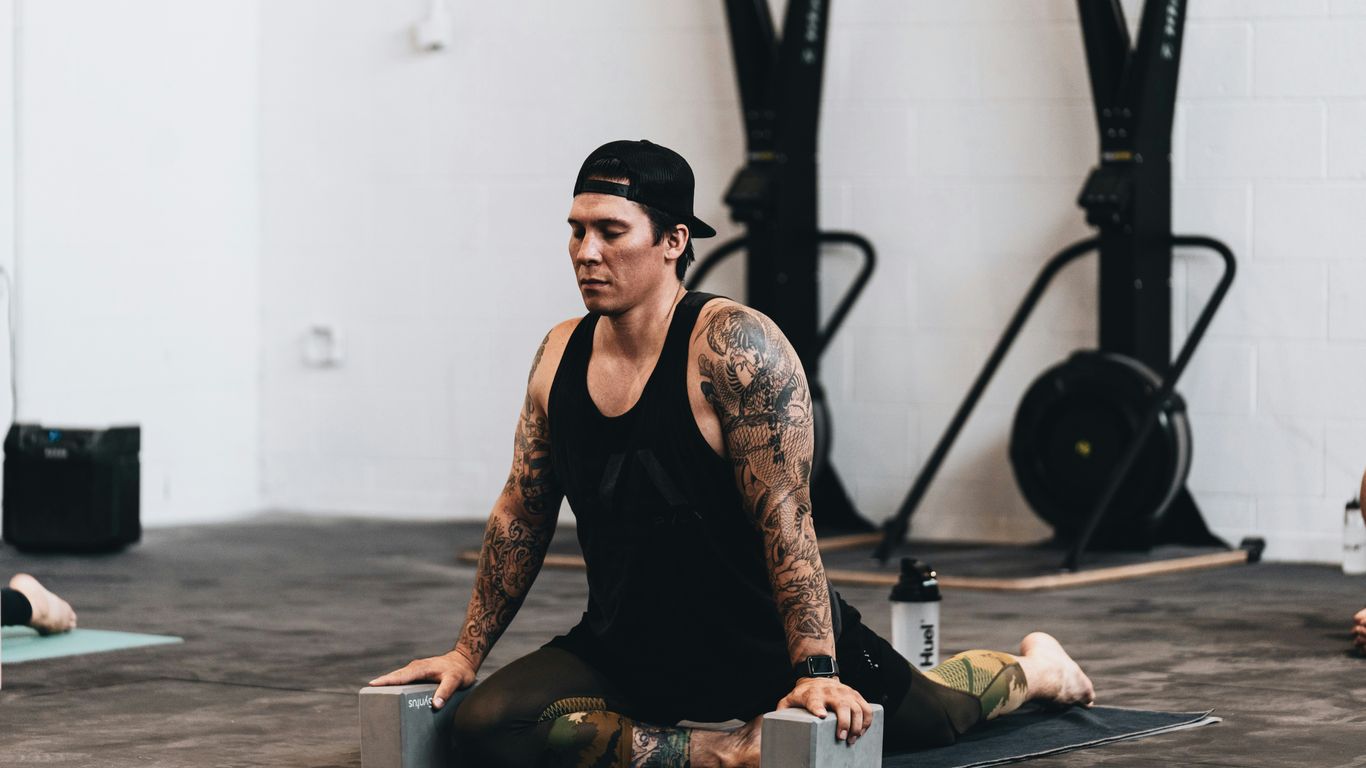
Blocks act as an extension of your own reach, effectively bringing the floor closer during standing postures like Trikonasana. By resting your hand on a block, you can keep your chest open and spine lengthened rather than rounding your back. This simple adjustment ensures your focus remains on expanding your body rather than straining to touch the ground.
Supporting restorative practice and relaxation
For restorative sessions, place two blocks under your knees or back to allow for passive release. This support helps your nervous system settle into a quiet state, making restorative sequences feel like a sanctuary. It is an excellent way to prepare your space for travel-friendly practice, similar to using city guides to map out a calm, quiet place for your routine.
Utilizing blocks for alignment cues in backbends
Placing a block between your inner thighs helps activate your legs and keeps your hips in proper alignment during bridge pose. Squeezing the block engages your adductors, offering a tactile reference point for posture correction. This technique provides the same sense of mechanical clarity as following a professional lock installation tutorial for home security.
Modifications for arm balances and inversion practice
Using blocks to slightly elevate your hands can provide the extra space needed to lift into arm balances like crow pose safely. This elevation reduces the physical demands on your wrists and helps you find your center of gravity earlier in the balancing process.
Please follow along with this instructional guide for additional techniques:
Care and maintenance tips for cork yoga gear
Routine cleaning methods for moisture removal
After a sweaty session, give your blocks a quick wipe with a slightly damp cloth. Ensuring the surface stays clear of oils and perspiration keeps the natural properties of the cork active. This simple ritual keeps your practice space fresh and your gear in top condition.
Deep cleaning protocols for sweat buildup
If the blocks gather deep sweat or dirt over time, use a mild, diluted soap solution on a soft cloth. Gently scrub the surface, then allow them to air dry completely out of direct sunlight. Keeping the cleaning process gentle preserves the material’s integrity.
Preventing brittleness and long-term cracking
Avoid leaving your blocks in extreme temperatures or direct sun for extended periods, as intense drying can make the material brittle. Storing them in a cool, shaded spot keeps the cork supple and strong. Proper environmental control is just as important as the quality of the product itself.
Proper storage to maintain structural shape
Stack your blocks neatly or keep them in a dedicated compartment when not in use. Even though they are durable, keeping them free of heavy pressure from other items prevents indentation or long-term warping of the edges. A consistent storage habit shows respect for your tools.
Sustainability and environmental impact of cork
The harvesting process of cork bark
Cork is harvested by carefully stripping the outer bark of the cork oak tree without harming the growth of the tree itself. The tree then regenerates its bark, making it one of the most sustainable resources available in the fitness market. This harvesting method supports healthy forests while providing long-term value.
Biodegradability and end-of-life disposal
When a cork block eventually reaches the end of its life cycle, it is fully biodegradable and earth-friendly. You can confidently dispose of it knowing it won't linger in a landfill for centuries. This cyclic approach is the gold standard for environmentally aware practitioners.
Reducing reliance on petroleum-based foam products
By Choosing cork, you are making a conscious vote to move away from non-biodegradable plastics and synthetic foams. Every switch to natural materials reduces consumer demand for virgin plastic production. It is a small but powerful way to align your personal practices with your environmental values.
Conclusion
Incorporating high-quality cork blocks into your routine is a simple way to elevate your practice while remaining committed to sustainable gear. Whether you are focusing on alignment or seeking better grip in challenging holds, these versatile props offer the grounding you need to thrive on your mat.
Frequently Asked Questions
Do cork blocks hold moisture like foam blocks?
No, cork is naturally moisture-resistant and actually provides better grip when slightly damp, unlike foam which can become slippery.
Can cork blocks crack during heavy exercise?
High-density cork is extremely durable and rarely cracks, provided you keep it away from extreme heat sources that can dry out the natural material.
Are cork blocks heavier than foam blocks?
They are denser and heavier, but this weight is viewed as an advantage because it ensures the blocks do not slide or tip while you rely on them for balance.
How do I clean my cork blocks?
A simple wipe-down with a damp cloth and mild soap is sufficient to clear away sweat and oils after each session.
Can beginners benefit from using these blocks?
Yes, they are excellent for beginners because they provide a stable foundation for learning proper alignment without the risk of the prop shifting.
Will the cork material irritate sensitive skin?
Cork is naturally hypoallergenic and antimicrobial, making it a gentle option for those who are sensitive to the synthetic materials found in cheaper foam products.
Do I need to seal the blocks?
No, you should never treat your blocks with sealants or polishes, as these will destroy the natural grip and antimicrobial properties of the material.

