
The Ultimate Guide to Choosing Thick Pilates Mats for Your Workout
So, you're getting into Pilates, or maybe you're just looking to make your current routine a bit more comfortable. That's great! One thing that often gets overlooked is the mat. You might think any mat will do, but for Pilates, having a good, thick mat really makes a difference. It's not just about lying down; it's about supporting your body properly during all those controlled movements. We're going to break down why a thicker mat is your best friend for Pilates and what to look for when you're shopping for one. Let's make sure you've got the right foundation for your practice.
Key Takeaways
- A thicker mat provides better cushioning and joint protection, which is super important for Pilates exercises.
- When picking a mat, think about thickness (10mm or more is good for Pilates), the material it's made from, and if the size works for you.
- Materials like PVC, TPE, and natural rubber have different pros and cons; consider what's best for your needs and if eco-friendly options matter to you.
- Good grip on your mat is key to staying stable and avoiding slips, especially during dynamic movements.
- Taking care of your pilates mats thick by cleaning and storing them properly will help them last longer and perform better.
Understanding the Importance of Thick Pilates Mats
When you're getting into Pilates, you might notice that the mats used in studios are often a bit thicker than what you might see for yoga. This isn't just for looks; there's a good reason for it. A thicker mat really changes how your workout feels and how your body handles the movements.
Why a Thicker Mat Enhances Your Pilates Practice
Think about some of the classic Pilates moves. Many of them involve lying down, sitting, or balancing on your back, spine, or even your head. Without enough padding, you'd really feel the hard floor, and that can be pretty uncomfortable. A mat with more thickness provides that extra bit of softness. This means you can focus more on your form and less on trying to ignore the discomfort. It makes holding poses for longer periods much more manageable and generally makes the whole experience more pleasant. This added comfort is key to sticking with your practice.
The Role of Cushioning in Joint Protection
Pilates is known for being relatively low-impact, but that doesn't mean your joints are completely off the hook. Moves that involve pressing down with your wrists, resting your spine on the floor, or bending your knees can put pressure on these areas. A thicker mat acts like a buffer. It absorbs some of the shock and pressure, giving your joints a break. This is especially helpful if you have any existing joint sensitivity or if you're just looking to be proactive about preventing future issues. It's like giving your body a little extra support where it needs it most. For those with sensitive joints, a mat with good cushioning is a game-changer, offering both comfort and support during your exercises. Thick yoga mats, generally 5-6mm, offer superior joint protection and cushioning, making them ideal for those with sensitive joints.
Distinguishing Pilates Mats from Yoga Mats
It's easy to get Pilates and yoga mats mixed up because they look pretty similar. However, they're designed with different needs in mind. Yoga mats are typically thinner, usually around 1/4 inch or less. This is because yoga often involves more standing poses where you need to feel the ground for better balance and stability. Pilates, on the other hand, frequently uses floor work where cushioning is more important. While you can use a yoga mat for Pilates, you might find yourself wanting more padding. Conversely, using a very thick Pilates mat for yoga might feel a bit too squishy for some of the balance-focused poses. The extra thickness in Pilates mats offer extra thickness to cushion bony areas like the spine, knees, and wrists during floor exercises.
Here's a quick rundown:
- Pilates Mats: Generally thicker (10mm+), prioritizing cushioning and joint support for floor exercises.
- Yoga Mats: Typically thinner (around 5-6mm), focusing on grip and stability for standing poses.
- Hybrid Mats: Some mats are designed to offer a balance, suitable for both disciplines.
Choosing the right mat isn't just about comfort; it's about supporting your body correctly through each movement. The right thickness can prevent discomfort and help you maintain proper form, making your practice more effective and enjoyable.
Key Features of Quality Thick Pilates Mats
When you're looking for a Pilates mat, especially a thicker one, there are a few things that really make a difference in how it feels and performs during your workout. It's not just about how soft it is; it's about finding that sweet spot between comfort and support.
Optimal Thickness for Pilates Exercises
This is probably the most talked-about feature for Pilates mats. While yoga mats are often thinner to give you that close-to-the-ground feel for balance, Pilates usually needs more padding. We're talking about mats that are generally 10mm or thicker. This extra cushion is a lifesaver for your spine and joints, especially when you're doing exercises that involve lying down or rolling. It helps absorb impact and makes those floor exercises way more comfortable. For instance, a mat with superior cushioning can really help during spinal articulation and core work, giving you that needed support. You can find mats specifically designed for this, like a ten-millimeter thick option that offers superior cushioning [3e87].
Durable and Supportive Materials
Beyond just thickness, the material itself is super important. You want something that bounces back after you press on it, not something that just squishes flat and stays that way. This support is what keeps you stable and prevents you from sinking too much into the mat. Think about materials that are dense enough to hold their shape but still offer that plush feel. A good mat should feel solid under you, even when you're doing challenging poses. It's about finding that balance between a soft surface and one that actually helps you engage your muscles properly.
Choosing the Right Mat Size for Your Body
Don't forget about the size! A standard mat might be okay, but if you're taller or just like having more room to spread out, a longer or wider mat can make a big difference. You don't want to feel like you're constantly falling off the edge when you extend your arms or legs. Make sure the mat is long enough for your entire body and wide enough to comfortably accommodate your movements without you feeling restricted. It's a simple thing, but having enough space really lets you focus on your form.
The right mat provides a stable yet comfortable foundation, allowing you to focus on your movements and form without worrying about discomfort or slipping. It's an investment in your practice and your body's well-being.
Here's a quick look at what to consider:
- Thickness: Aim for 10mm or more for good cushioning.
- Material: Look for dense, supportive, and durable materials.
- Size: Ensure it fits your body and workout space.
- Grip: A non-slip surface is key for safety. You can find mats that offer a balanced combination of cushioning and grip [e0ef].
Material Matters for Your Pilates Mat
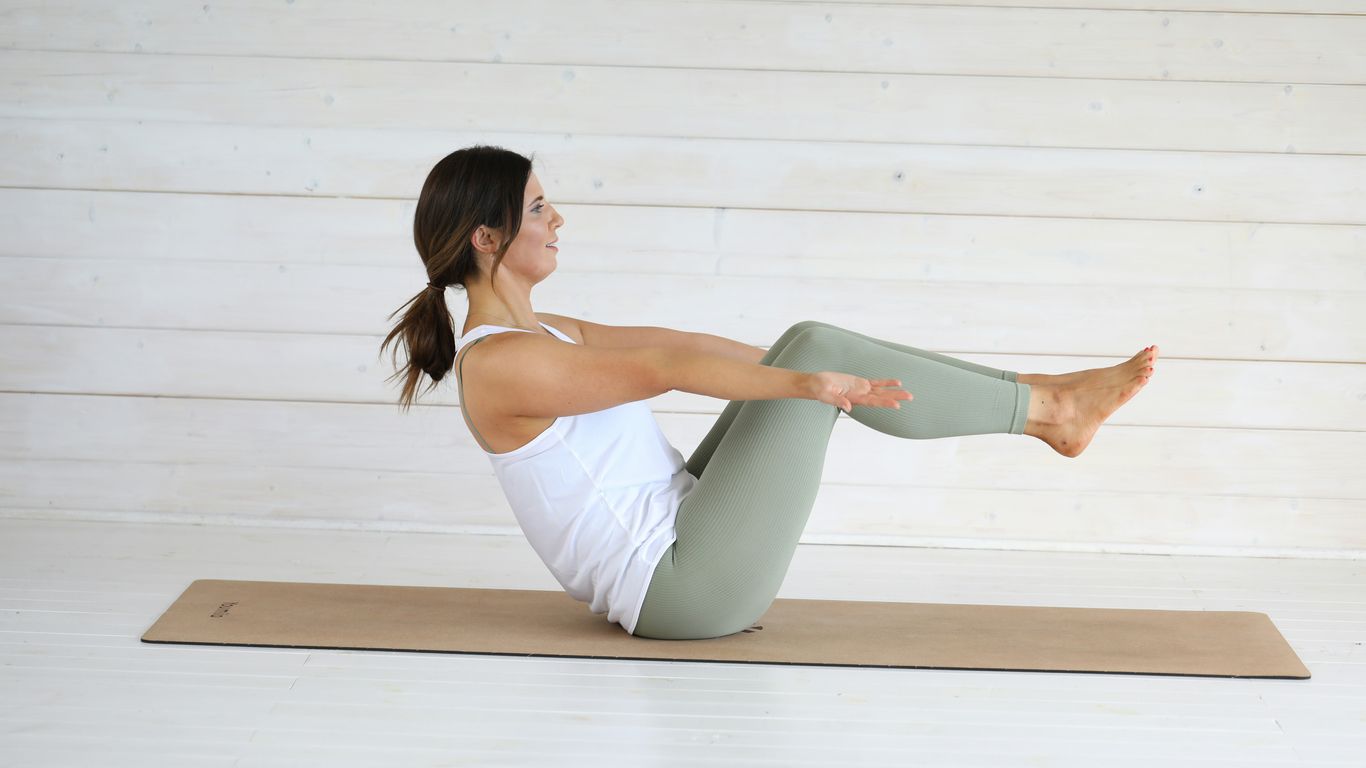
So, you're looking for a thicker Pilates mat, which is a smart move. But have you thought about what it's actually made of? The material is a big deal, affecting how it feels, how long it lasts, and even how good it is for the planet. Let's break down the common choices.
Exploring PVC, TPE, and Natural Rubber Options
When you're shopping for a mat, you'll see a few main materials pop up. Each has its own pros and cons, so it's worth knowing the difference.
- PVC (Polyvinyl Chloride): This is a really common one. It's known for being super durable and easy to clean. Plus, it's usually the most budget-friendly option. However, PVC mats can sometimes have a strong chemical smell when you first get them, and they aren't the best for the environment. If you're sensitive to smells or really focused on eco-friendly choices, you might want to look elsewhere.
- TPE (Thermoplastic Elastomer): TPE is often seen as a greener alternative to PVC. It's generally lighter, odorless, and feels pretty soft. It's a good middle-ground choice for many people, offering a decent balance of comfort and durability. It's also easier to recycle than PVC.
- Natural Rubber: If you want something that feels really grounded and has amazing grip, natural rubber is a top contender. These mats are often praised for their eco-friendliness and excellent traction. They can be a bit heavier and sometimes have a slight rubbery scent, but many find this a small price to pay for the performance. They can also be a bit pricier.
The Benefits of Eco-Friendly Mat Choices
More and more people are thinking about their environmental footprint, and that includes their workout gear. Choosing an eco-friendly mat means you're opting for materials that are better for the earth. This could mean mats made from recycled materials, sustainably sourced natural rubber, or TPE, which is often considered more environmentally sound than PVC. It's a way to feel good about your purchase, knowing you're not contributing as much to waste or pollution. Plus, many of these eco-conscious options don't skimp on quality or performance; you can still get a great mat that supports your Pilates practice.
Assessing Odor and Allergen Considerations
Nobody wants a mat that stinks up the room or makes them sneeze. That's where odor and allergen potential come in. PVC mats, as mentioned, can sometimes have a noticeable chemical smell that takes a while to dissipate. If you're sensitive to smells, this could be a problem. Natural rubber mats might have a faint rubber scent, which is usually less offensive and fades over time. TPE is generally a safe bet if you're worried about strong odors. Similarly, if you have latex allergies, you'll want to steer clear of natural rubber mats and stick to PVC or TPE options. Always check the product description if you have specific sensitivities.
When picking out your mat, think about what bothers you most. Is it a strong smell? Is it the idea of using materials that aren't great for the planet? Or are you worried about allergies? Your answers will point you toward the best material for your needs.
Grip and Stability for Your Pilates Workouts
When you're deep into a Pilates routine, the last thing you want is to feel like you're sliding around. That's where grip and stability come into play. A mat that doesn't move under you is super important, not just for comfort, but for safety too. Think about those controlled movements and holds in Pilates; they demand a solid foundation.
The Necessity of Non-Slip Surfaces
Having a mat that stays put is pretty non-negotiable for Pilates. You need to trust that your hands and feet won't slip, especially when you're transitioning between poses or holding a challenging position. A mat that shifts can throw off your alignment and, honestly, it's just distracting. A good grip means you can focus on your form, not on keeping your feet from sliding. This is especially true if you tend to sweat during your workouts. You want a mat that offers a secure connection to the floor, allowing for precise movements.
How Grip Prevents Injuries During Movement
Slips and slides are a fast track to an unwanted tweak or strain. When your mat provides reliable traction, it helps your body maintain proper alignment throughout each exercise. This stability is key in preventing injuries, particularly to your joints and spine, which are central to Pilates practice. Without adequate grip, your muscles have to work harder just to keep you stable, which can lead to fatigue and poor form. A mat designed for stability supports your body's natural mechanics, letting you move with confidence and reducing the risk of falls or awkward landings. It's a foundational element for safe and effective Pilates exercises.
Textured Surfaces for Enhanced Traction
Many quality Pilates mats feature specific textures designed to boost grip. These aren't just for looks; they actively help your hands and feet connect with the mat's surface. You'll often find patterns like small bumps, lines, or a slightly rougher finish. These textures create more points of contact, giving you that extra bit of hold. Some mats even use materials known for their inherent stickiness, like natural rubber, to provide superior traction. When looking for a mat, pay attention to the surface details – they can make a big difference in how secure you feel during your workout. It's all about creating that connection between you and your mat, so you can move freely and safely, whether you're working on a strength training apparatus or just on the floor.
Maintaining Your Thick Pilates Mat
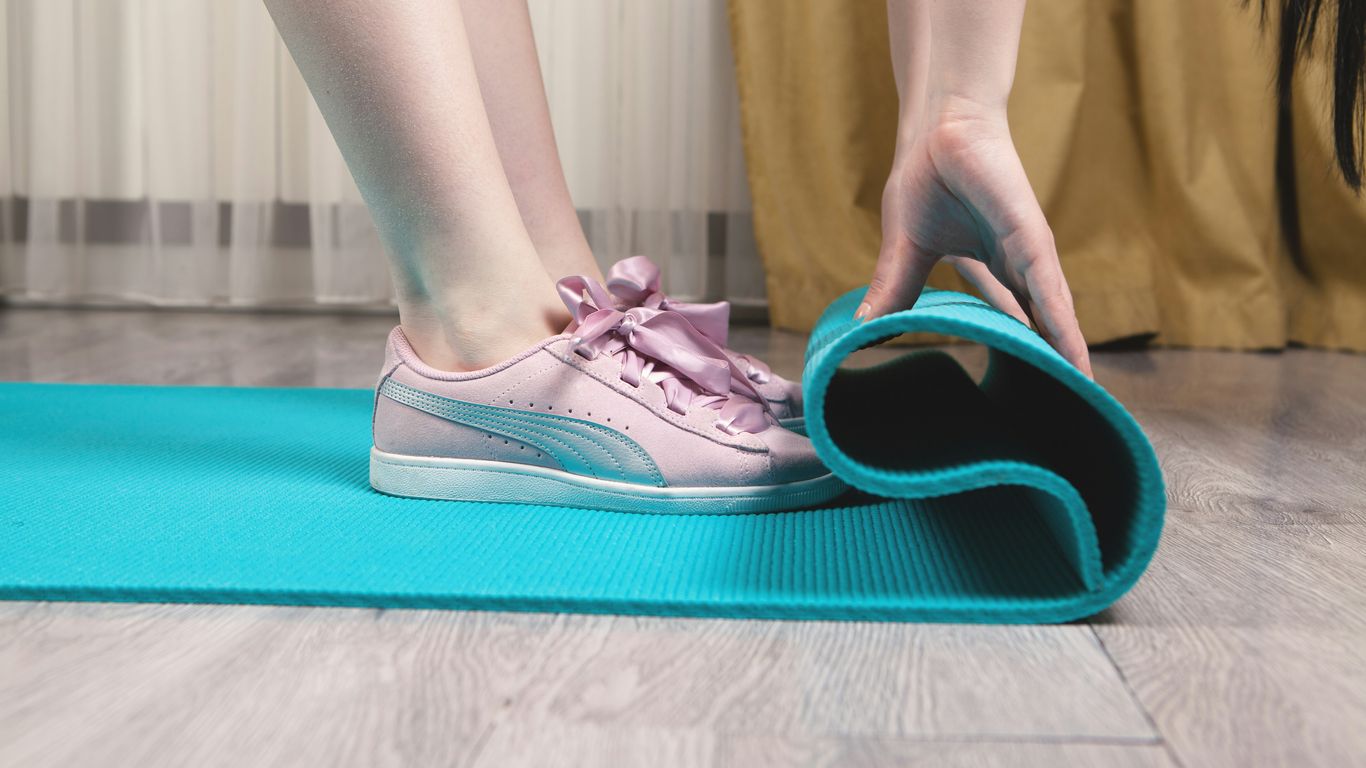
Taking care of your thick Pilates mat is pretty straightforward, but it’s important if you want it to last and keep doing its job well. A well-maintained mat means a better, safer workout for you. It’s not complicated, honestly.
Effective Cleaning Techniques for Longevity
Regular cleaning is key. For daily upkeep, a quick wipe-down after each session is a good idea. Just grab a soft cloth and maybe a very mild soap solution or a cleaner specifically made for gym equipment. Wipe away any sweat or dirt. This keeps things hygienic and prevents buildup. For a deeper clean, maybe once a month or so, you can use warm water with a pH-neutral cleaner. Just be sure to let it air dry completely before you roll it up. Don't ever use hot water, though; it can mess with the mat's material and make it warp.
Proper Storage to Preserve Mat Quality
How you store your mat really matters. The best way is to roll it up, not fold it. Folding can create creases that are hard to get out and might even damage the mat over time. Once rolled, keep it somewhere cool and dry. Direct sunlight is a big no-no, as it can fade the color and degrade the material faster. Think of it like storing anything else you want to keep in good shape – out of the elements and not squashed.
Avoiding Harsh Chemicals and Abrasive Materials
When you’re cleaning, stick to gentle stuff. Harsh chemicals, like bleach or strong solvents, can break down the mat's material, making it less grippy and less supportive. Also, avoid abrasive scrubbers or brushes. They can scratch the surface and wear it out quicker. It’s better to be a little too gentle than too rough. You want your mat to be a reliable partner in your workouts, and treating it kindly is the way to go. If you're unsure about a cleaner, always test it on a small, inconspicuous spot first. You can find some good mat cleaners online, or even just use a bit of mild soap mixed with water for most jobs. For a more thorough clean, especially on rubber mats, warm water and pH-neutral cleaners are your best bet.
Selecting the Ideal Thick Pilates Mat for You
So, you've figured out why a thicker mat is the way to go for your Pilates routine. Now comes the fun part: actually picking one that feels right for you. It's not just about grabbing the first mat you see; it's about finding a partner for your practice. Think about what you really need.
Considering Your Personal Preferences
What feels good under your body? That's the big question. Some people like a really plush feel, almost like a cloud, while others prefer something firmer that gives them more feedback from the floor. Your body's unique needs play a huge role here. If you have sensitive knees or a cranky back, you'll probably lean towards more cushioning. On the flip side, if you're all about precision and feeling connected to your movements, a slightly firmer mat might be better. Don't forget about how it looks and feels, too. A mat you enjoy using is one you'll actually use more often.
Matching Mat Features to Your Workout Needs
Let's break down what you're actually doing on the mat. Are you mostly doing floor work where you're lying down a lot? Then thickness and cushioning are probably your top priorities. If your routine involves a lot of balancing or standing poses, you'll want to pay close attention to the grip. A mat that slides around is just asking for trouble. Consider the space you have, too. A standard mat is usually around 68 inches long and 24 inches wide, which works for most folks. But if you're taller or just like having more room to spread out, look for a longer or wider option. It makes a difference when you're trying to extend your limbs without going off the edge.
Here's a quick look at what to prioritize:
- For joint comfort: Focus on thickness (10mm or more) and supportive materials.
- For stability: Prioritize excellent grip and a surface that doesn't shift.
- For portability: Look for mats made from lighter materials like TPE, though durability might be slightly less than heavier options.
- For sensitive skin: Consider hypoallergenic materials like natural rubber or TPE, and check for odor.
Investing in a Mat for Enhanced Comfort and Safety
Choosing the right mat isn't just about comfort; it's a smart investment in your physical well-being. A good mat protects your joints, helps prevent slips, and can even improve your form by providing a stable base. Think of it like buying good shoes for running – the right gear makes the activity safer and more enjoyable. When you're looking at options, don't shy away from brands known for quality, like Jade Yoga Harmony. A well-made mat will last you a long time, saving you money and hassle in the long run. It's about setting yourself up for success with every single workout, making sure you can focus on your movements without worrying about your mat.
Ultimately, the best thick Pilates mat is the one that feels right for your body, supports your specific movements, and makes you excited to get on the floor. Don't be afraid to try a few out if you can, or read reviews from people with similar needs to yours. Your mat is your foundation, so make it a good one.
Remember, finding the perfect mat is part of the journey. It's about creating a personal space for your practice that feels supportive and safe. For more ideas on what makes a great mat, check out this guide to thick yoga mats.
Wrapping It Up
So, we've talked a lot about mats. Finding the right thick Pilates mat really does make a difference. It's not just about comfort, though that's a big part of it. A good mat helps keep you safe, supports your body, and just makes your workout feel better overall. Think about what you need – how much cushioning, what size, and what material feels right for you. Don't just grab the first one you see. Taking a little time to pick the right mat means you'll enjoy your Pilates sessions more and get more out of them. Happy rolling!
Frequently Asked Questions
Why is a thicker mat better for Pilates?
Pilates often involves lying on your back or doing exercises on the floor. A thicker mat gives your spine and joints extra padding, making it more comfortable and protecting them from hard surfaces. It's like having a comfy cushion for your body during your workout.
What's the difference between a Pilates mat and a yoga mat?
Pilates mats are usually thicker to provide more cushioning for your body. Yoga mats are often thinner, which helps you feel more connected to the floor for better balance in poses that you hold for a while. While you can use a Pilates mat for yoga, a thin yoga mat might not be comfy enough for Pilates.
What materials are good for Pilates mats?
Good mats are made from materials like PVC, TPE, or natural rubber. PVC is tough and easy to clean. TPE is softer and better for the environment. Natural rubber offers great grip. Think about what's important to you, like how long it lasts, if it smells, or if it's good for the planet.
How important is grip on a Pilates mat?
Grip is super important! It stops you from sliding around when you're moving, especially if you get sweaty. A mat with a good grip helps you stay in place, which makes your exercises safer and more effective. Look for mats with a bit of texture on top.
How should I clean my Pilates mat?
Cleaning your mat is easy! Most of the time, you can just wipe it down with a damp cloth and maybe a little bit of mild soap or a special mat cleaner. Make sure to let it air dry completely before you roll it up or put it away. Avoid using harsh cleaning stuff.
How do I pick the right size mat?
You want a mat that's long enough so your whole body fits when you lie down, and wide enough so you have room to move your arms and legs without going off the edge. If you're taller, get a longer mat. Think about how much space you need for your specific exercises.

