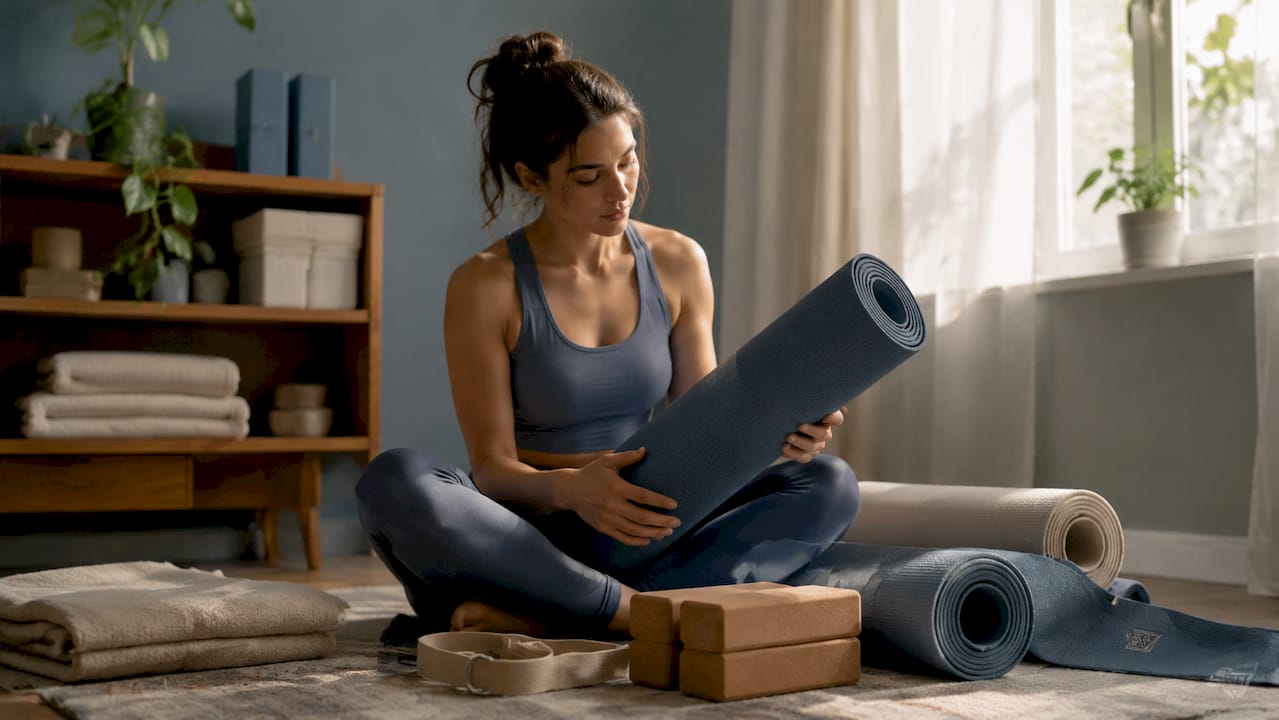
The ultimate guide to choosing and using a cork yoga block
Key Takeaways
Finding the perfect support for your flow requires understanding materials and environmental benefits. Here are the primary considerations to guide your selection.
- Cork blocks offer superior natural grip and stability.
- Choosing the correct density ensures solid weight distribution.
- Proper maintenance preserves the material for many years.
- Specific poses like Triangle benefit from block height adjustments.
- Sustainable manufacturing makes cork an eco-friendly choice.
Why choose a cork yoga block over foam
Transitioning to natural materials can change how you feel during your practice sessions. Cork provides a unique combination of firmness and texture that simply outperforms synthetic alternatives.
Grip and texture benefits
When you are working through an intense sweat session, you need equipment that refuses to slide. Natural cork surfaces provide a reliable, tactile interface that gets even better with a little moisture. Many practitioners prefer the Manduka collection for their reliable grip, as the granular structure offers a natural traction that foam just cannot mimic. Unlike slippery foam, cork creates a friction-friendly environment that keeps your hands securely in place, even during challenging transitions.
Weight and anchoring properties
Stability is the cornerstone of a safe practice, especially when you need to stabilize yourself against the ground. Cork is inherently denser than foam, meaning it offers a substantial base that stays rooted exactly where you place it. While some foam blocks slide around on polished floors, a heavy cork block acts as a firm anchor, helping you maintain better body alignment and posture when moving between stages of your flow. This reliable weight ensures you can press down with confidence, knowing the prop won't kick out from under you.
Durability under heavy use
Investing in quality gear pays off when you see how well it stands up to constant pressure. While synthetic foam tends to dent or warp after a few months of regular wear, solid cork maintains its structural integrity indefinitely. For those prioritizing longevity, the KURMA products offer superior strength, making them a consistent partner that retains its shape even under heavy daily use. It is a long-term investment that minimizes the need for frequent replacements.
Essential factors when shopping for cork blocks
Shopping for new gear should be an informed process that considers both your physical needs and environmental values. Taking the time to evaluate the build quality will significantly improve your practice experience.
Density considerations for body weight
Your specific height and weight influence which block density feels most stable under pressure. A highly dense, firm cork block provides maximum lift and support for heavy poses where your full weight is distributed onto the equipment. When shopping for gear, look for options that prioritize structural solidity, as cheaper, airy variations might compress too much during your practice.
Edge curvature for comfort
Harsh, sharp corners can dig into your skin during deep stretches and restorative work. The Yoloha set features intentionally rounded edges specifically designed to prevent that pinching sensation, making them much more comfortable for neck and back support positions. These soft transitions are a small detail that drastically changes how pleasant the prop feels against your body.
Certifications for sustainable sourcing
Sustainability is not just a buzzword; it is essential to the health of our forests and local ecosystems. Always check for sustainable certifications that confirm the harvesting methods are ethical and forest-friendly. Selecting products that respect the environment ensures that your practice contributes positively to the planet, aligning your fitness journey with your personal values regarding resource management.
Caring for and cleaning your cork yoga block
Keeping your equipment in top condition is a simple process that extends the life of your investment. Because cork is a natural, porous material, it reacts differently to cleaning agents than plastic or rubber.
Preventing moisture absorption
Excessive exposure to water can destabilize the natural binders in your block. While the surface is naturally antimicrobial, be mindful not to let it soak in wet environments or leave it near humid heat sources for extended periods. A quick wipe-down usually suffices, ensuring it stays dry and ready for your next session.
Safe sanitization methods
Maintaining hygiene is easy when you stick to natural, gentle cleaning techniques. Simply use a soft, damp cloth with a mild natural soap solution to remove surface oils and dirt periodically. Avoid harsh chemical cleaners, as they can break down the surface texture or irritate your skin during future use.
Long-term storage tips to prevent warping
Storing your props correctly is the secret to keeping them flat and sturdy. Avoid keeping them in high-temperature environments, like a trunk of a car on a hot day, as extreme heat can alter the material density over time. A cool, dry closet or a dedicated shelving unit keeps the blocks in perfect shape for years.
Key poses where a cork block enhances stability
Using props correctly is the hallmark of a mindful and safe yoga practice. By bringing the ground closer, you allow your body to focus on proper engagement rather than over-stretching or compensating with bad form.
Improving alignment in Triangle pose
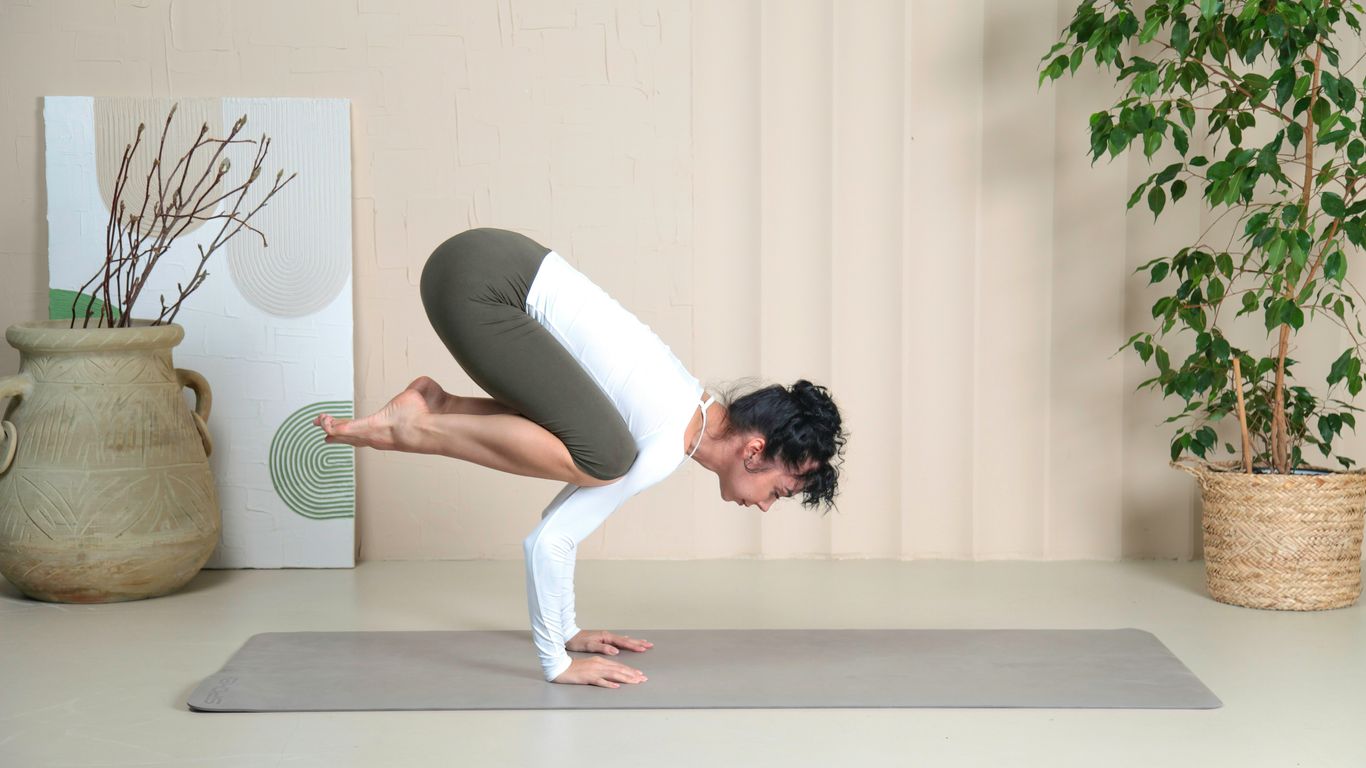
Triangle pose often leaves practitioners feeling folded and compressed if they lack the internal range. By placing a block under your hand, you can keep your chest open and stacked, allowing for a deep, full-body expansion that improves your overall alignment. The height you gain allows for a vertical line from the floor to your top hand, which is crucial for building strength.
Deepening backbends safely
Backbends require a delicate balance between core strength and spinal mobility. Using blocks along your shoulder blades provides a gentle, supported arch that encourages the chest to lift without forcing your lower back into a compromised position. This support layer acts as a gentle guide, letting you lean into the movement safely.
Mastering balancing postures
In balancing sequences, blocks are excellent for bridging the gap during transitions. Whether you are moving into Half Moon or a supported standing split, having the extra height helps you remain stable while you work on your focus. The table below outlines how height adjustments in these poses can benefit your practice structure:
| Pose Style | Recommended Block Setting | Primary Benefit |
|---|---|---|
| Supported Standing | Tall vertical orientation | Increased chest opening |
| Balancing Transitions | Medium side-on orientation | Better stability and reach |
| Restorative Resting | Flat wide orientation | Spinal decompression |
Regardless of your current level, using these tools allows for consistent progress. When you incorporate these settings into your routine, you will find that your foundation feels much more secure. Consider these three levels of practice implementation:
- Utilize vertical heights for beginners needing proximity to the floor.
- Apply medium heights to bridge the gap during active flows.
- Use flat blocks for grounding during slow-paced recovery sessions.
By following this progression, you ensure that your body remains supported at every stage, regardless of how advanced the posture might be.
Environmental impact of cork materials
Selecting cork is one of the most proactive steps you can take for a greener gear collection. This material is uniquely suited for yoga props, and its life cycle is remarkably low-impact compared to common industry alternatives.
Harvesting processes and renewable biology
Cork is harvested by stripping the bark of the cork oak tree, a process that is remarkably sustainable because the tree is never cut down. The bark eventually regrows, allowing for harvest cycles that last for decades while the tree continues to absorb carbon from the atmosphere. It is one of the few materials where the extraction actually encourages the long-term health of the forest.
Biodegradability compared to synthetic alternatives
Unlike vinyl or PVC mats and blocks that occupy landfills for centuries after their useful life has ended, cork is fully biodegradable. Choosing JadeYoga brand cork blocks ensures your equipment will eventually return to the earth without shedding microplastics. It is a cleaner cycle that respects the natural world while providing the high-quality support you need.
Water usage and carbon footprint
Compared to the energy-intensive manufacturing required for foam plastics, the processing of cork consumes significantly less water and creates a much smaller carbon footprint. The manufacturing process is straightforward and relies on the inherent properties of the bark, avoiding the use of heavy toxic chemicals during production.
Finding the right size for your practice
Size matters when it comes to supporting your specific frame. Selecting the right dimensions can turn a wobbly attempt at a pose into a strong, held position.
Standard blocks versus jumbo sizes
Standard blocks offer a great balance of size and portability for most studios, while jumbo versions provide a wider base that is ideal for people with broader shoulders or those performing deep, grounding holds. Think about your most frequent poses when deciding between these options.
Choosing dimensions for limb length
If you have longer limbs, a slightly larger block ensures the ground is always accessible without you having to round your spine. A properly sized block keeps your shoulders aligned with your hips, providing the perfect distance required for healthy spinal extension during various standing and seated sequences.
Portability for travel-friendly setups
When you are constantly on the go, the weight and bulk of your gear become top priorities. While cork is denser than foam, many modern designs are shaped to be light enough for travel without sacrificing that essential structural stability. This makes it possible to maintain your practice standards even when you are far from home.
Conclusion
Choosing a cork yoga block enhances your ability to perform poses with integrity and ease, making it a valuable addition to your equipment toolkit. By focusing on quality, sustainability, and the specific needs of your body, you ensure that you have professional support for years to come. Whether you are deepening your backbends or anchoring your balance, the right natural block creates a firm, reliable foundation for every movement.
Frequently Asked Questions
Do cork yoga blocks slip during hot yoga?
Cork blocks are actually designed to offer an improved, non-slip grip that becomes even more reliable as you sweat. The granular texture of the natural material provides better traction than smooth synthetic surfaces, allowing them to remain stable even in high-humidity conditions.
How often do I need to replace my cork blocks?
Because cork is incredibly durable and resistant to compression, these blocks can last for many years with basic care. Unlike foam models that wear out or lose their shape, a well-maintained cork block maintains its integrity for a long time, making it a one-time investment for most practitioners.
Can I use cork blocks for supporting my head during floor work?
Yes, these blocks can be used comfortably for support in restorative poses, provided you choose an option with rounded edges. Rounded edges ensure there is no painful pressure against your skin, making them soft enough to use for props under your head or back during gentle, extended holds.
Is the weight of a cork block a disadvantage for travel?
While cork is denser and naturally heavier than typical foam, it is still lightweight enough for most travel bags and portable setups. The added stability often justifies the slight increase in weight, especially if you prefer a base that will not slide away from you on slick hotel floors.
How can I make sure my block came from a sustainable source?
Look for specific environmental certifications on the product packaging or the company website, which confirm the cork was harvested in a way that protects the trees. Reliable brands are transparent about their sourcing, so checking for these formal industry marks is the best way to verify an ethical purchase.
Are cork blocks naturally antimicrobial?
Yes, cork possesses natural antimicrobial properties that make it a hygienic choice for regular gym use. It resists mold, mildew, and bacteria growth, which helps keep your equipment smelling neutral even throughout consistent, weekly practice routines.
Can I clean my blocks with standard household disinfectants?
It is better to avoid harsh household chemical disinfectants, as these can dry out the natural cork or compromise its structural strength. A soft cloth lightly dampened with a mild, soap-based cleaner is sufficient for keeping your blocks clean and hygienic without causing any long-term damage.