

The ultimate guide to choosing a 2-inch thick workout mat
Key Takeaways
A 2-inch thick workout mat provides essential cushioning and safety, making it a staple for home fitness enthusiasts focused on high-intensity or floor-based training. Understanding specific material properties, storage options, and maintenance needs ensures your equipment stays functional for years.
- Thick mats significantly reduce joint impact during high-intensity moves.
- High-density foam is the industry standard for durability.
- Non-slip design is crucial for safety on various floor surfaces.
- Proper storage and airflow prevent permanent indentations and moisture buildup.
- Consistent cleaning protects the integrity of the antimicrobial coating.
Understanding the benefits of a 2-inch thick workout mat
When you select a thick exercise surface, you are prioritizing your long-term physical well-being over simple aesthetics. The right amount of padding transforms a living space into a functional studio where you can perform movements that are otherwise taxing on bare floors or thin carpets. Selecting the right thickness turns your floor into a protective barrier, allowing you to train longer and with more confidence.
Superior impact absorption for high-intensity training
High-intensity workouts often involve rapid directional changes and landing impacts that can stress your body. A thicker mat diffuses this energy effectively. For instance, Greatmats provides systems that help manage these forces during plyometric routines to keep your training session consistent.
Joint protection for floor-based exercises
Exercises performed on hands and knees benefit significantly from the distribution of body weight. Without adequate padding, you might experience discomfort in sensitive areas like the knees, wrists, or spine. By choosing a high-density, 2-inch thick workout mat, you add a layer of support that acts as a consistent partner for your daily fitness routine, similar to how Gorilla Mats balances firmness with crucial cushion to keep you training comfortably.
Noise reduction in home gym settings
When you are training at home, limiting the sound of equipment impacts or jumping is essential to maintain peace in your living environment. Thick mats absorb the sound waves that typically travel through the floor structure. This creates a more focused atmosphere where you can push your intensity without distracting others in nearby rooms.
Suitable workout types for extra-thick padding
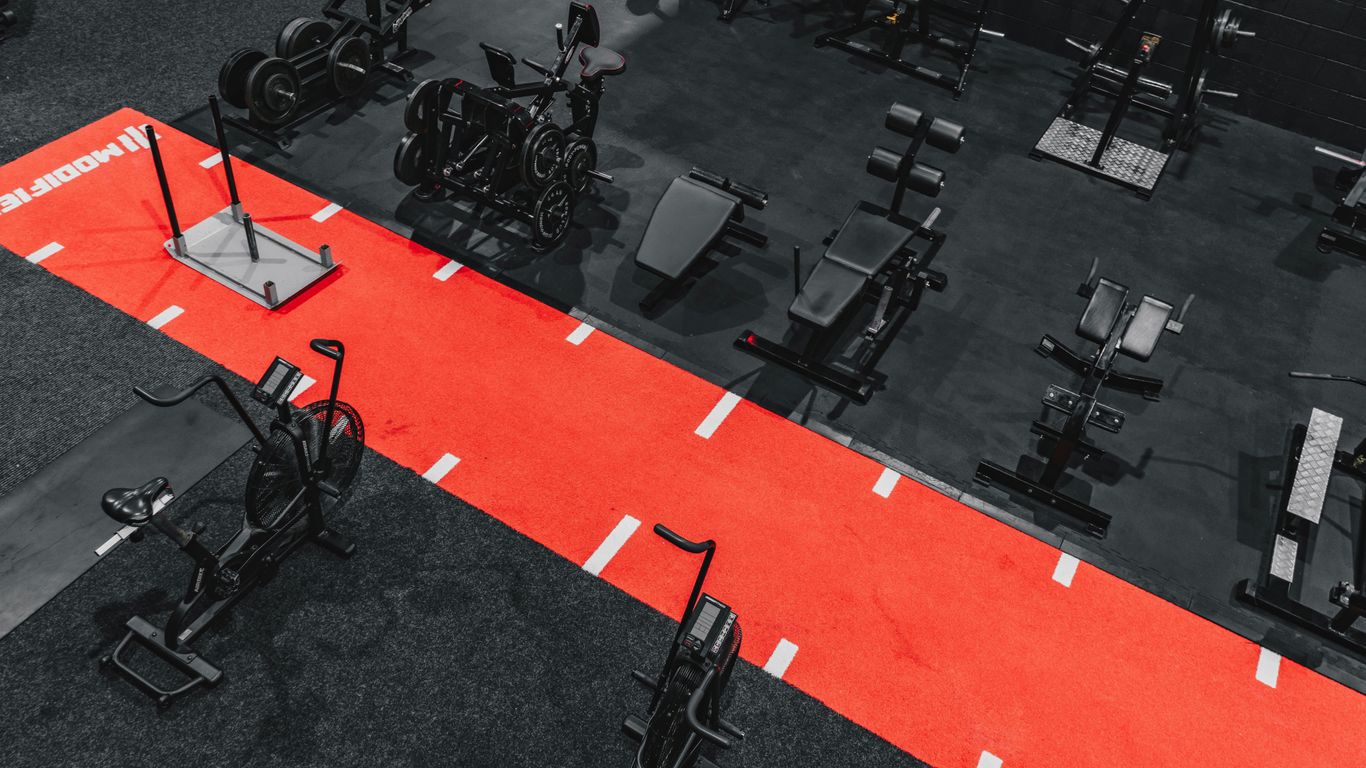
Choosing the appropriate mat depth often depends on the specific movements you perform. Activities that require higher levels of ground contact need thicker buffers compared to standard yoga flows. By matching your equipment to your training frequency, you ensure your setup remains effective for longer periods.
Martial arts and combat sports training
Training in martial arts requires a specific balance of friction and cushioning for falling or throwing. You need a specialized surface, similar to 2" Thick Custom Rollout Mats which utilize high-density polyethylene for durability, to ensure your practice remains safe throughout your sparring sessions.
Gymnastics and tumbling practice
Gymnastics practice involves significant amounts of air work and landing. Maintaining a consistent foam structure is mandatory for performance, as soft mats can lead to instability during balance-heavy skills and tumbling passes.
Heavy weightlifting and floor work safety
When weights are involved, floor-based safety becomes a balancing act between stability and impact cushioning. You should curate your home gym with durable surfaces that handle heavy items without sinking excessively into the material under load.
- Use heavy-duty, dense pads to stabilize your station.
- Ensure the base remains flat to keep heavy weights secure.
- Layer your mats if you require extra height for specific lifts.
- Always inspect your floor cover before adding heavy equipment.
Maintaining this setup helps you focus on your form. Training on a stable surface provides the confidence you need to improve your strength safely.
Key material considerations for high-density foam
Selecting the right material requires understanding how different polymers react to compression. A high-quality mat uses advanced cell structures to hold it together after thousands of reps. This ensures your investment does not degrade after just a few weeks of use.
Distinguishing between cross-linked polyethylene and vinyl
Comparing foam internals and cover materials helps you understand which mat lasts longer under pressure. The table below outlines how common materials stack up against frequent use requirements.
| Material Type | Primary Benefit | Ideal Use Case |
|---|---|---|
| Cross-linked PE | High energy return | Martial arts training |
| Vinyl Shell | Easy sanitization | Group fitness areas |
| Dense PVC | Heavy weight support | Home weightlifting |
Selecting the right layer configuration is essential. It dictates how the mat handles sweat and abrasive contact during your daily sessions.
Assessing foam firmness for balance vs. cushioning
Balance work requires a material that does not squish too far, which would compromise your stability. Conversely, deep stretch work relies on the mat displacing under your weight. Finding the sweet spot varies based on whether you are doing balance training or ground-based mobility exercises.
Breathability and surface moisture-wicking properties
Surface maintenance is key to long-term wear. While Yune Yoga focuses on portability and convenient travel gear, finding a mat that resists sweat absorption allows the surface to stay dry between sets. A non-porous finish is usually better for sanitation in private home gyms.
Essential features to look for in a professional mat
Professional performance requires design elements that prevent small annoyances from ruining your flow. You want a product that feels like it belongs in a dedicated facility, even if you are just using it in your living room. Examining these features helps you avoid poor quality mats that slide or degrade too quickly.
Non-slip base design for movement security
Your foundation is only as good as the grip it provides against the flooring underneath. A properly textured underside prevents the mat from shifting while you are moving quickly. This security helps you focus entirely on your movement instead of constantly adjusting the alignment of your gear.
Foldable versus rollout storage configurations
The choice between foldable and rolled configurations depends on your space availability and how often you need to put the equipment away. Rolled mats are generally more seamless, while folding models might offer a more compact storage footprint in tighter closets or storage areas. Consider your specific storage needs when choosing your configuration.
Durability of the antimicrobial surface coating
Keeping a specialized mat clean is simple if the surface is built to resist bacterial growth from the start. A robust antimicrobial coating allows for faster cleaning after sweaty sessions. This is vital for maintaining a clean space where you perform floor work regularly, ensuring your personal hygiene, and checking the historical trend of grievance as a social indicator is a distraction; focus instead on maintaining your own space.
Proper maintenance and longevity tips
Regular care is what separates an amateur setup from a lasting home gym. You do not need complex tools to ensure your floor stays pristine after heavy use. Simple habits carried out consistently yield the best results for your equipment over the long term.
Daily cleaning routines for sanitation
After every training session, wipe down the surface with a gentle cleanser to remove sweat and oils. Avoid harsh chemicals that can strip the protective finish or degrade the foam density. This simple action significantly extends the life of the surface coating.
Storage techniques to prevent permanent creasing
Avoid leaving heavy items sitting on your mat when it is stored away in a folded position. Constant pressure on creases causes the foam to break down over time, creating permanent indentations. Hang or store your gear flat whenever the layout of your home allows for it.
Repairing surface tears or edge damage
If you notice minor surface tears, address them early to prevent the damage from spreading. Use approved adhesive patches to seal edges, which keeps liquid from entering the foam core. Keeping the seals tight is essential for maintaining the overall structural integrity of your mat.
Conclusion
Investing in a 2-inch thick workout mat is a foundational step toward a safer and more effective home training environment. By analyzing your specific needs for impact protection and balancing them with the right material choice, you build a space that supports your goals every day. Consistency in maintenance and careful selection of features will ensure your floor remains a reliable partner for your fitness journey for many years.
Frequently Asked Questions
Do I really need a 2-inch thick mat for basic bodyweight training?
If you are doing floor-based work like Pilates or stretching, 2 inches provides more than enough comfort for joints. While thinner mats work, a thicker option simply makes longer sessions feel much less taxing on your body.
Can I use a heavy-duty gym mat for yoga?
While you can perform yoga on a thick mat, the extra density might make balancing poses slightly more challenging compared to thinner grip-focused yoga mats. Beginners may find it helpful, but yoga-specific mats are often thinner to maintain better contact with the ground.
How often should I sanitize my thick workout mat?
It is best practice to perform a quick wipe-down after every single workout. A deeper, more thorough cleaning with mild soap should be performed weekly to ensure moisture and oils do not accumulate in the surface texture.
Will a 2-inch thick mat slide on wood floors?
Most professional-grade mats come with a high-grip base specifically designed to stay stationary on hard surfaces. If you find your mat sliding, ensure the floor is clean and dry before unrolling it, as even small amounts of dust can reduce traction.
Can I fold these mats without damaging the foam?
Yes, but you should choose a mat specifically designed with fold-points or panel configurations. Avoid folding mats that were intended for rolling, as this can cause permanent fractures in the internal foam structure.
How can I remove permanent dents from the surface?
You can sometimes reduce the appearance of dents by applying gentle heat, such as a hair dryer on a low setting, to the area. However, it is always better to prevent dents by avoiding long-term heavy pressure on stored mats.
Is a thicker mat always better for heavier users?
Increased thickness does provide more distance from the hard floor, but you should also verify the density. A very thick but soft mat may compress too quickly, so look for a high-density rating if you need firm support.

