

The Ultimate Beginners Yoga Kit: Everything You Need to Start Your Practice
Thinking about starting yoga? It's awesome that you're considering it! You might be wondering what kind of stuff you actually need to get going. A lot of people think you have to buy a whole bunch of fancy gear, but honestly, you don't need much to begin. Your body and a willingness to try are the main things. Studios often have mats and props you can use, and you probably have workout clothes already. But if you're planning to practice regularly, having your own beginners yoga kit can make things a lot smoother and more comfortable. Let's break down what's really useful.
Key Takeaways
- A good yoga mat is your foundation, offering grip and cushioning for your practice.
- Yoga blocks and straps are super helpful for supporting your body and getting deeper into poses.
- A yoga towel can add grip and absorb sweat, especially if you practice hot yoga.
- Comfortable clothing that lets you move freely is a must for any yoga session.
- While not strictly necessary at first, a mat bag makes carrying your beginners yoga kit much easier.
Essential Components Of Your Beginners Yoga Kit
Starting a yoga practice doesn't mean you need a whole lot of fancy gear right away. Honestly, your body and a willingness to try are the main things. But, if you're looking to make your practice a regular thing, having a few key items can really make a difference. These aren't just about looking the part; they're about making the poses feel more accessible and helping you get the most out of your time on the mat. Think of these as your starter pack, the things that will support you as you learn the ropes.
The Foundational Yoga Mat
This is probably the first thing that comes to mind when you think about yoga. Your mat is your personal space, your anchor during practice. For beginners, a mat that offers good grip is super important. You don't want to be sliding around when you're trying to hold a pose, right? Look for something with a bit of texture. Thickness is also a consideration; too thin and it might be uncomfortable on your knees or wrists, too thick and it might feel a bit wobbly. A standard mat is usually around 1/4 inch thick, which is a good starting point. It should also be easy to clean because, well, sweat happens.
Supportive Yoga Blocks
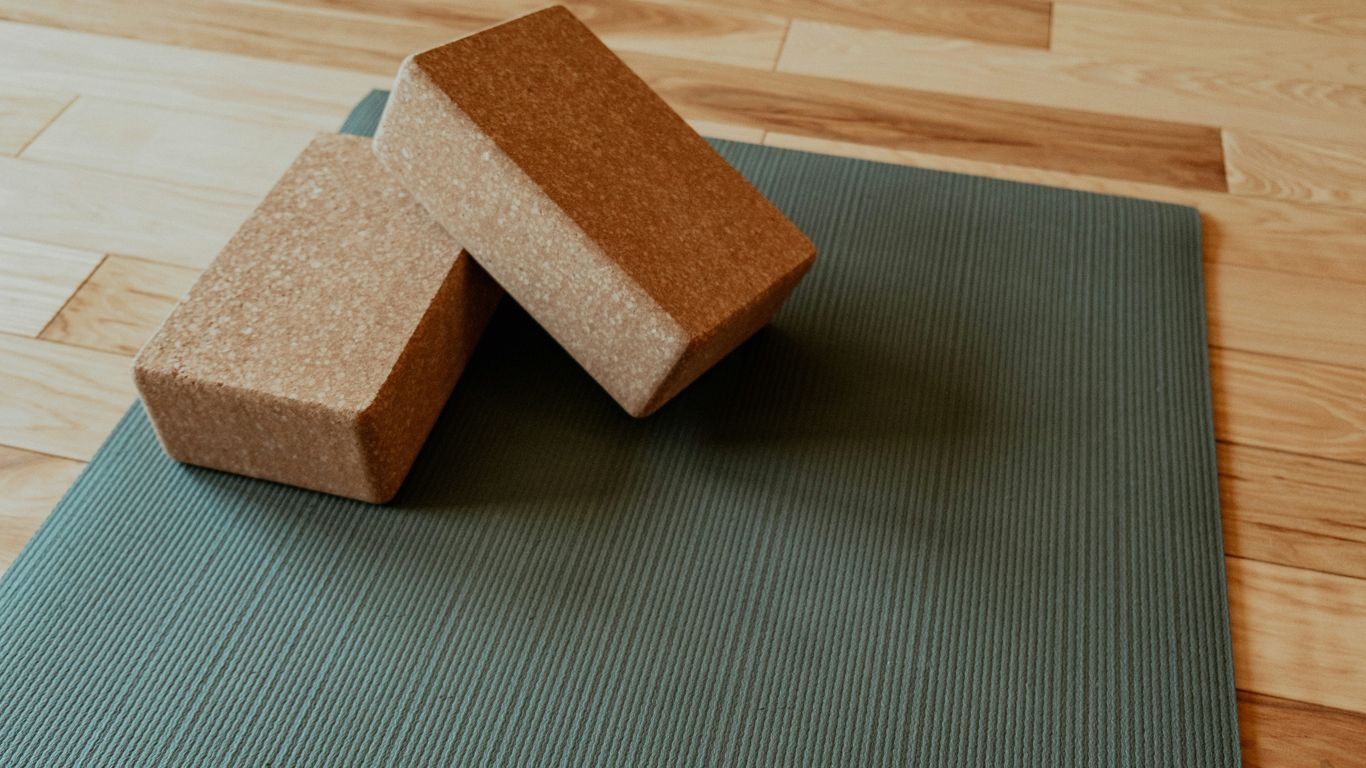
Blocks might seem a little odd at first, but they're like little helpers for your yoga journey. They essentially bring the floor closer to you, which is a game-changer for poses where you might feel like you can't quite reach. For example, if you're doing a forward fold and your hands don't touch the ground, placing a block under them gives you that extra bit of height. This lets you maintain good form without straining. They're also great for support in seated poses or for propping yourself up in certain backbends. They're usually made of foam or cork, with foam being lighter and often more budget-friendly for beginners.
The Versatile Yoga Strap
A yoga strap is another prop that can really help you deepen your stretches safely. Think of it as an extension of your arms. If you're trying to reach your foot in a pose like a seated forward bend and you're coming up short, you can loop the strap around your foot and hold onto the ends. This allows you to maintain the stretch without forcing your body into an uncomfortable position. Straps are also useful for bringing your hands together behind your back if your shoulders are a bit tight. They're typically made of cotton or a similar sturdy fabric and are adjustable, making them adaptable to many different poses and flexibility levels.
Enhancing Comfort And Stability
Sometimes, even with a great mat, things can get a little slippery. Especially when you're just starting out and your body is figuring out new movements, or if you're practicing in a warmer environment, a little extra grip can make a big difference. That's where a good yoga towel comes in. It lays right over your mat, giving you a soft, absorbent surface that also stops you from sliding around. Think of it as a personal, portable grip zone for your practice.
A Grippy Yoga Towel
These towels are usually made from microfiber, which is super absorbent and dries pretty fast. The underside often has little silicone nubs or a special pattern that grips onto your mat. This means no more worrying about your hands or feet slipping during poses, which can be a real confidence booster when you're trying something new. They're also great for hot yoga classes where things can get pretty sweaty. Plus, most of them are machine washable, so keeping them clean is a breeze.
- Absorbency: Wicks away sweat to keep your hands and feet from sliding.
- Grip: Silicone or textured backing sticks to your mat.
- Portability: Lightweight and easy to fold or roll up.
- Hygiene: Provides a clean surface, especially in shared studios.
Comfortable Yoga Blankets
While not strictly for grip, yoga blankets are fantastic for adding a layer of comfort and support, especially in restorative poses or during Savasana (final relaxation). You can fold them up to use as a cushion under your knees or hips, or lay them out flat for extra warmth. They're also useful for propping yourself up in seated poses if sitting flat on the floor is a bit much at first. They just make the whole experience feel a bit more cozy and grounded.
Blankets can be folded in various ways to support different parts of the body. A simple fold can create a cushion for the knees in poses like Child's Pose, while a more complex fold can offer support for the spine in seated positions. Experimenting with different folds can help you find just the right amount of support for your body's needs.
Elevating Your Practice With Props
The Soothing Eye Pillow
Okay, so you've got your mat, your blocks, maybe even a strap. But what about those moments when you just need to completely switch off? That's where the eye pillow comes in. It's not just for Savasana (that final resting pose), though it's amazing for that. Think of it as a little luxury for your relaxation time. It gently presses on your eyes, blocking out light and helping to quiet your mind. Some are filled with flaxseed, others with lavender, which adds a nice calming scent. It's a simple thing, but it really makes a difference when you're trying to just be present and let go of the day's worries. It's a small addition that can make a big impact on your ability to relax.
The Supportive Yoga Wheel
Now, the yoga wheel. This one might seem a bit more advanced, and honestly, it is. It's not something most beginners will grab right away, but it's worth knowing about. A yoga wheel is basically a sturdy, curved prop that you can use to deepen stretches, especially in your back and shoulders. If you find it hard to get a good backbend, or if your chest feels tight, a wheel can help you open up. It gives you a bit of support while you work on flexibility. You can sit on it, lean back into it, or even use it to help you balance in certain poses. It's definitely a prop that can help you explore new sensations and move a little deeper into your poses as you get more comfortable.
While not strictly necessary for starting out, props like the eye pillow and yoga wheel are fantastic for adding layers to your practice. They aren't just for advanced yogis; they can help anyone find more comfort, relaxation, and depth in their poses. Don't feel pressured to buy them immediately, but keep them in mind as you grow on your yoga journey.
Carrying Your Yoga Gear
Stylish Mat Bags
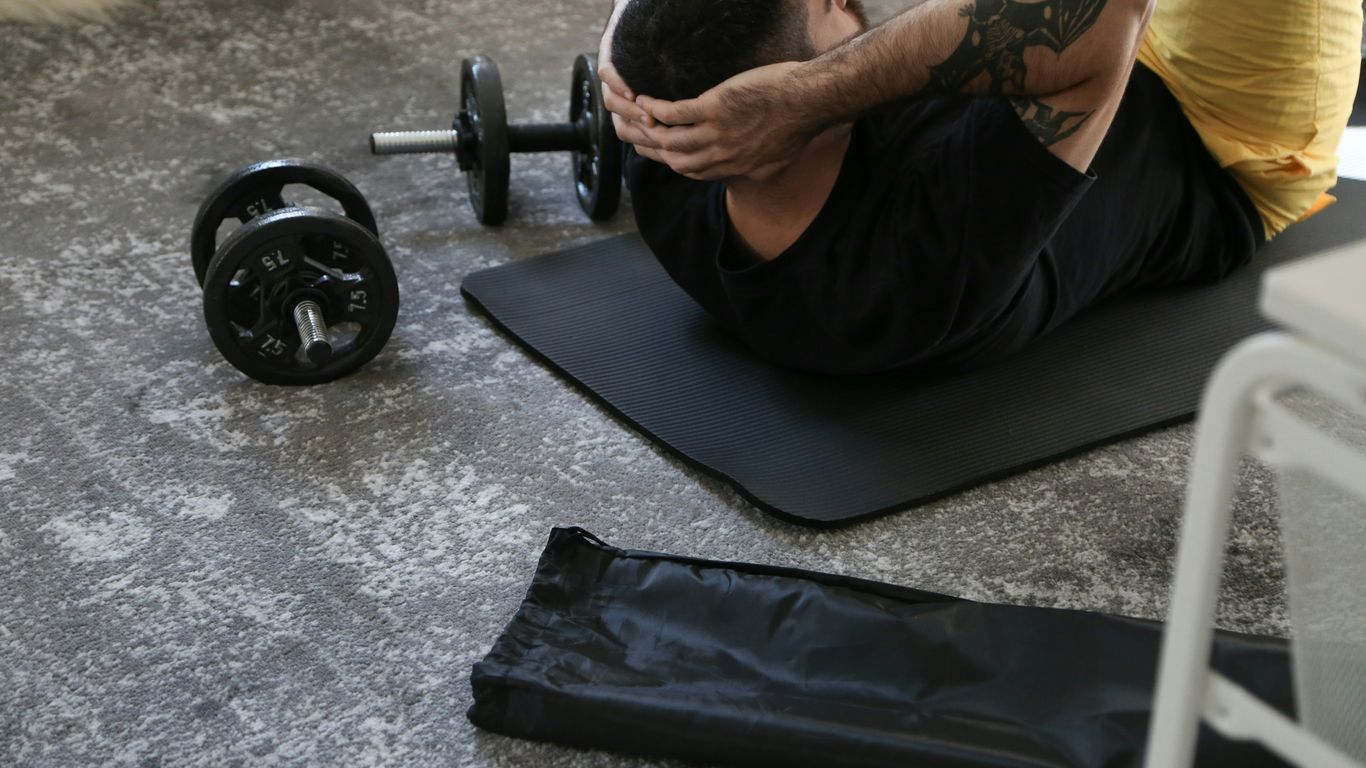
Once you've got your trusty yoga mat, you'll want a way to schlep it around. A mat bag is a great option. Think of it like a fancy sleeping bag for your mat. These bags often have zippers and pockets, so you can stash your keys, phone, or a small water bottle along with your mat. They keep everything together and protected, especially if you're tossing it into a larger gym bag or just want an extra layer of defense against the elements. Some are designed to hold just the mat, while others are more like small duffels with dedicated mat compartments. It's all about keeping your gear tidy and ready for wherever your practice takes you, whether that's a studio across town or just your living room.
Practical Mat Slings
If you prefer something a bit more minimalist, a mat sling is the way to go. This is basically a strap that secures around your rolled-up mat, usually with an adjustable shoulder strap. It's super convenient for quick trips – just roll, strap, and go. You can easily throw it over your shoulder and head out the door. Slings are fantastic because they're lightweight and don't add much bulk. They're perfect for when you're just carrying your mat and maybe a few small essentials. It’s a no-fuss way to transport your mat, keeping your hands free and your mat accessible.
Choosing between a bag and a sling really comes down to your personal style and how much you typically carry. A bag offers more protection and storage, while a sling is all about speed and simplicity. Both get the job done of getting your mat from point A to point B without a hassle.
Choosing Appropriate Attire
When you're starting out with yoga, the last thing you want to worry about is your clothes. You need to feel comfortable and able to move freely. The right activewear makes a big difference in your practice.
Comfortable Activewear
Think about clothes that let you stretch, bend, and twist without feeling restricted. For tops, a fitted style is usually best. It won't ride up when you're in poses like Downward-Facing Dog. Look for fabrics that breathe well, especially if you tend to sweat. Moisture-wicking materials can help keep you dry and prevent irritation.
When it comes to bottoms, you have options. Yoga pants are popular, but you can also go for capris, shorts, or leggings. The key is that they stay put and don't get in the way. If you choose looser shorts, you might want to wear a pair of fitted shorts underneath for extra coverage.
Don't forget a supportive sports bra. It's important for comfort and stability, especially as you move through different poses. Even if you're not doing a super intense class, a good sports bra provides necessary support.
Freedom Of Movement
Your clothing should allow you to fully explore each pose. This means avoiding anything too tight that digs in or too loose that it becomes a distraction. The goal is to feel like your clothes are a second skin, supporting you without hindering your ability to move.
Here's a quick checklist for choosing your yoga outfit:
- Tops: Fitted or semi-fitted, breathable fabric. Avoid anything too baggy.
- Bottoms: Stretchy material that stays in place. Pants, capris, or shorts are all fine.
- Support: A comfortable sports bra is a must for most people.
- Layers: Consider a light layer you can remove if you get warm.
The most important thing is that you feel good in what you're wearing. If you're comfortable and confident, you'll be able to focus more on your breath and the poses, which is what yoga is all about. Don't feel pressured to buy expensive gear right away; start with what you have and see what works best for you.
Ready to Roll Out Your Mat?
So, there you have it. Getting started with yoga doesn't need to be complicated or break the bank. You've seen that a few key pieces can make a big difference, helping you feel more comfortable and confident as you begin. Remember, the most important thing is just showing up for yourself on the mat. Don't get too caught up in having the 'perfect' setup right away. Start with what feels right for you, and know that your practice will evolve. Happy flowing!
Frequently Asked Questions
Do I really need a lot of stuff to start yoga?
Not at all! You can totally start yoga with just your body and a willingness to try. Many yoga studios have mats and other helpful items you can use when you visit. If you decide you love yoga and want to practice regularly, getting your own gear can be nice for comfort and cleanliness.
What's the most important thing to have for yoga?
The most important piece of equipment is a yoga mat. It gives you a stable, non-slip surface to practice on, which helps you stay safe and balanced during different poses. A good mat makes a big difference in how comfortable and confident you feel.
What are yoga blocks and why would I need them?
Yoga blocks are like little helpers that make poses easier to do. Think of them as extensions of your arms. They can help you reach the floor in stretches or give you extra support when you're trying to balance. They're great for beginners who are still building flexibility and strength.
Is a yoga strap really necessary?
A yoga strap is super useful, especially when you're starting out. It can help you connect your hands in poses where your arms can't quite reach, or assist you in deepening stretches. It's like having a little extra length to help you get into poses more comfortably and safely.
What kind of clothes should I wear for yoga?
You should wear clothes that let you move freely without feeling tight or restrictive. Think stretchy pants or shorts and a comfortable top. The main goal is to be able to bend, stretch, and twist without your clothes getting in the way.
Are there any optional items that can make yoga better?
Yes! Things like a yoga towel can be great if you tend to sweat a lot, especially in hot yoga, as it adds grip to your mat. Blankets can offer extra cushioning for floor poses, and a mat bag makes it easy to carry everything to and from class. These aren't required, but they can add comfort and convenience.

