

Release Stress Yoga: Simple Poses for Instant Calm
Life can feel pretty hectic these days, right? Between work, family, and just trying to keep up with everything, it's easy to feel overwhelmed. If you're looking for a simple way to hit the pause button and find some calm, you're in the right place. Release stress yoga offers a gentle path to soothe your mind and body, and you don't need to be a yoga expert to benefit. We'll explore some easy poses and breathing tricks that can help you feel better, right now.
Key Takeaways
- Release stress yoga uses simple poses and breathing to help you relax quickly.
- Grounding poses like Child's Pose offer a sense of security and calm.
- Restorative positions, such as Legs-Up-the-Wall Pose, help calm your nervous system.
- Mindful movement, like the Cat-Cow flow, can ease tension and improve how you feel.
- Focusing on your breath is a powerful tool in release stress yoga for instant peace.
Embrace Instant Calm with Release Stress Yoga
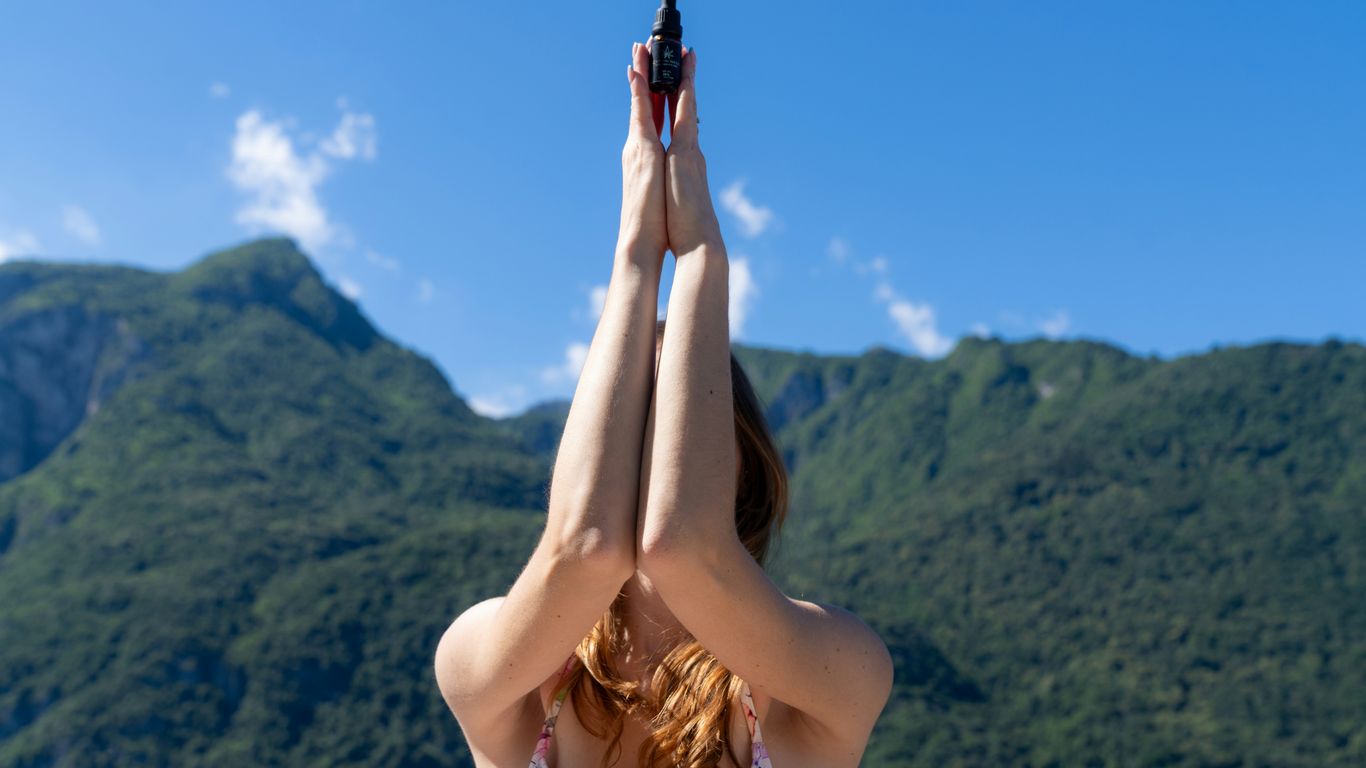
Understanding Yoga's Stress-Relieving Power
Life these days can feel like a constant juggling act, right? Between work, family, and just trying to keep up with everything, it's easy for stress to build up. You might notice it as tight shoulders, a racing mind, or just a general feeling of being overwhelmed. Yoga, though, has been a go-to practice for centuries for a reason. It's not just about bending into fancy shapes; it's a whole system designed to help calm your nervous system and give your brain a much-needed break. It offers a way to hit the pause button on the chaos.
Think of yoga as a toolkit for managing stress. It combines gentle movement, focused breathing, and a bit of mindfulness. This combination can really help shift your body and mind out of that fight-or-flight mode that stress often triggers. Even a few minutes of practice can make a noticeable difference.
Simple Poses for Immediate Relief
When you're feeling stressed, the last thing you want is a complicated routine. The good news is that you don't need to be a yoga expert to find some relief. There are simple poses that can help you feel more grounded and relaxed pretty quickly. These aren't about perfection; they're about how they feel in your body.
Here are a few things to keep in mind as you start:
- Start small: Don't feel like you need to do a full hour-long session. Even two minutes of focused breathing or a simple stretch can help.
- Create a calm space: Find a quiet spot where you won't be interrupted. Dim lighting or some soft music can make a difference.
- Focus on feeling: Forget about how the pose looks. Pay attention to what's happening in your body and how you feel.
- Let your breath guide you: Your breath is a powerful tool. Slowing it down, especially your exhales, can signal to your body that it's safe to relax.
Integrating Release Stress Yoga into Your Day
Making yoga a regular part of your life doesn't have to be a huge undertaking. It's about finding small moments to bring calm into your routine. You can sprinkle these simple practices throughout your day, whenever you feel the need.
Consider these ideas:
- Morning Reset: Start your day with a few minutes of gentle stretching or deep breathing before you even get out of bed. This can set a calmer tone for the hours ahead.
- Midday Pause: If you're feeling overwhelmed during the workday, take a short break to do a simple pose like Child's Pose or a seated forward fold. It can help clear your head.
- Evening Wind-Down: Before bed, try a restorative pose like Legs-Up-the-Wall or a gentle twist to release physical tension and prepare your body for rest.
The goal isn't to add another task to your to-do list, but rather to weave moments of peace into the fabric of your existing day. Even brief pauses can accumulate into significant stress reduction over time.
Grounding Poses for Deep Relaxation
Sometimes, when life feels like it's spinning too fast, the best thing you can do is just stop and feel your feet on the ground. These poses are like a gentle hug for your body and mind, helping you feel more stable and centered. They're not about fancy flexibility; they're about finding a quiet space within yourself.
Child's Pose for a Sense of Security
This pose is like curling up into a safe little ball. It's a natural resting position that can make you feel really secure, almost like being a kid again. It gently stretches your back and hips, and the simple act of folding inward can quiet down a busy mind.
- Start on your hands and knees.
- Bring your big toes to touch and widen your knees apart as much as feels comfortable for your hips.
- Fold your torso down between your thighs, letting your forehead rest on the mat.
- Extend your arms forward or rest them alongside your body, palms facing up.
- Take slow, deep breaths, feeling your back expand with each inhale.
This pose is a wonderful way to signal to your body that it's time to rest and let go of the day's worries. Just be there for a few breaths, or as long as you need.
Reclining Bound Angle Pose for Opening
This pose is a gentle way to open up your chest and hips while lying down. It feels really good, especially if you've been sitting for a long time. It helps you breathe a little deeper, which is always a good thing when you're feeling stressed.
- Lie on your back and bring the soles of your feet together.
- Let your knees fall open to the sides.
- You can place blocks or pillows under your knees for support if needed.
- Rest your arms by your sides, palms up, or place one hand on your heart and the other on your belly.
- Stay here, breathing softly, for a few minutes.
Corpse Pose for Complete Integration
Don't let the name fool you; this is one of the most important poses in yoga. It might look like you're doing nothing, but it's where your body and mind get to absorb all the good stuff from your practice. It's all about letting go completely and just being present.
- Lie flat on your back.
- Let your legs extend out, a little wider than hip-width apart, and let your feet fall open naturally.
- Rest your arms a little away from your body, palms facing up.
- Close your eyes and consciously relax every part of your body, from your toes to the top of your head.
- Simply rest here, breathing gently, for at least five minutes. If you drift off, that's perfectly fine.
Restorative Poses to Soothe the Nervous System
Sometimes, when stress hits hard, you just need to feel held and supported. That’s where restorative yoga comes in. These poses are designed to be super gentle, using props like blankets and pillows to help your body relax completely. They’re not about stretching or building strength; they’re about letting go and allowing your nervous system to switch off that fight-or-flight mode. Think of it as a gentle reset button for your whole system.
Legs-Up-the-Wall Pose for Circulation
This pose, also known as Viparita Karani, is like a mini-vacation for your legs and your mind. You simply lie down with your legs propped up against a wall. It’s surprisingly effective at helping blood flow back towards your heart and can really calm a busy brain. It feels good, especially if you’ve been on your feet all day.
- Find a wall and sit with one hip close to it.
- Gently lie back, swinging your legs up the wall.
- Adjust your hips a few inches away from the wall if needed for comfort.
- Rest your arms by your sides, palms up, and just breathe.
Supported Bridge Pose for Heart Opening
Bridge pose (Setu Bandhasana) can be done in a few ways, but for a restorative feel, we add support. Lie on your back with your knees bent and feet flat on the floor. Place a block or a folded blanket under your sacrum (the flat bony part at the base of your spine). Gently lift your hips just enough to rest on the support. This allows your chest to open softly without any strain. It’s a lovely way to release tension that often gets stored around the heart and shoulders.
Gentle Spinal Twists for Tension Release
Twists are fantastic for wringing out tension, and a gentle supine twist is perfect for winding down. Lie on your back, hug your knees into your chest, and then let them fall to one side while you gaze in the opposite direction. Keep both shoulders on the floor as much as possible. This simple movement can release tightness in your back and sides, helping you feel more spacious and relaxed.
These poses are about surrender, not striving. Let go of any expectations and just allow your body to be supported and at ease. The goal is to signal to your nervous system that it's safe to relax.
Mindful Movement for Stress Release
Sometimes, just moving your body in a gentle way can make a big difference when you're feeling overwhelmed. It's not about intense workouts; it's about connecting with yourself through simple, mindful actions. These movements help shake off tension that gets stuck in your muscles and mind.
Cat-Cow Flow for Spinal Mobility
This is a really accessible flow that feels great for your back. You start on your hands and knees, like a table. As you breathe in, you arch your back, letting your belly drop and lifting your head and tailbone slightly – that’s the 'cow' part. Then, as you exhale, you round your spine, tucking your chin and tailbone, like a 'cat' stretching. It’s a simple back-and-forth that wakes up your spine and helps you feel more fluid.
- Start on all fours: Hands directly under shoulders, knees under hips.
- Inhale for Cow: Drop your belly, lift your chest and gaze forward or slightly up.
- Exhale for Cat: Round your spine, tuck your chin to your chest, and draw your navel in.
- Repeat: Flow between these two poses for 5-10 breaths, or as long as feels good.
Seated Forward Fold for Surrender
This pose is all about letting go. You sit with your legs extended out in front of you. Then, you gently fold your torso forward from your hips, reaching towards your feet. Don't worry about touching your toes; the goal is to feel a stretch in your hamstrings and a sense of release in your back. You can bend your knees a lot if your hamstrings feel tight. It’s a pose that encourages you to soften and release any holding on.
This gentle folding action can help quiet the mind. It’s a physical way to signal to your body that it’s okay to relax and let go of the day's worries.
Stick Pose for Muscle Relaxation
Stick Pose, or Dandasana, might sound basic, but it's surprisingly effective for grounding yourself and releasing tension. You sit tall with your legs extended straight out in front of you, feet flexed. Your hands can rest on the floor beside your hips, helping you sit up straight. The focus here is on maintaining an upright posture, feeling the length in your spine, and consciously relaxing your shoulders down away from your ears. It’s about finding a stable, calm presence. This pose is a great way to reset and feel more centered before moving on to other yoga poses designed for stress relief.
- Sit tall: Imagine a string pulling you up from the crown of your head.
- Legs active: Keep your feet flexed, toes pointing up.
- Hands beside hips: Use your hands to support your spine, but don't lean heavily on them.
- Relax shoulders: Consciously let your shoulders drop away from your ears.
- Breathe: Take slow, steady breaths, feeling the stability in your body.
Breathing Techniques to Enhance Release Stress Yoga
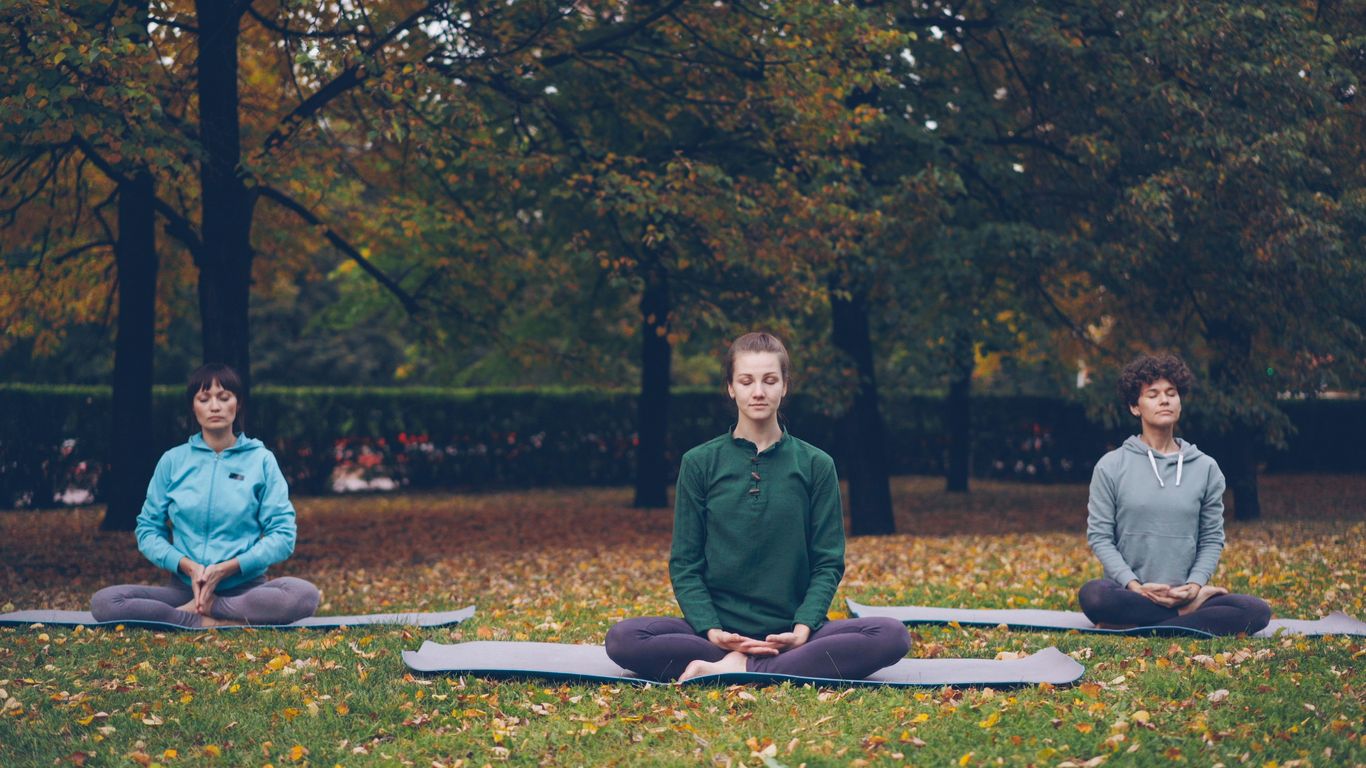
Sometimes, just focusing on your breath can make a huge difference when you're feeling overwhelmed. It's like a built-in reset button for your nervous system. When we're stressed, our breathing often gets shallow and fast, which tells our brain to stay on high alert. But by consciously slowing down our breath, we can signal to our body that it's okay to relax.
Diaphragmatic Breathing for Vagus Nerve Stimulation
This is all about breathing deep into your belly, not just your chest. When you inhale, let your belly expand like a balloon. As you exhale, gently draw your belly button towards your spine. This kind of breathing is really good for stimulating the vagus nerve, which plays a big role in helping us feel calm. It's a simple way to tell your body to chill out.
Extended Exhalations for Calm
This one is pretty straightforward: make your exhales longer than your inhales. Try inhaling for a count of four and exhaling for a count of six. You can do this in any pose, or even just sitting quietly. The longer exhale helps to slow your heart rate and quiet your mind. It's a gentle nudge towards a more peaceful state. You can find more tips on breathing exercises to help you calm anxiety here.
Mindful Breath in Easy Pose
This is a great way to wrap up your yoga practice or to take a quick break during a busy day. Sit comfortably, perhaps in what's called 'Easy Pose' (Sukhasana), with your legs crossed. Close your eyes gently. Just notice your breath as it comes in and goes out. Don't try to change it, just observe. If your mind wanders, which it probably will, just gently guide your attention back to your breath. This simple act of mindful breathing can bring a sense of presence and peace.
Here are a few things to keep in mind:
- Consistency over duration: Even a few minutes of focused breathing each day can be more beneficial than longer, infrequent sessions.
- Find your rhythm: Experiment with different breath counts to see what feels most relaxing for you.
- Be patient: It takes practice to calm a busy mind. Don't get discouraged if it feels difficult at first.
Breathing is the bridge between your mind and your body. By intentionally working with your breath, you can directly influence your emotional state and bring yourself back to a place of balance. It's a powerful tool that's always available to you.
Keep Practicing for Peace
So, that's a look at some simple yoga moves that can really help when you're feeling overwhelmed. Remember, you don't need to be a yoga pro or have a fancy mat to get some relief. Just finding a quiet spot and taking a few minutes to breathe and move your body can make a big difference. Try to fit these poses into your day, even if it's just for a couple of minutes here and there. Your mind and body will thank you for it. Keep breathing, keep moving, and find your calm.
Frequently Asked Questions
What exactly is 'Release Stress Yoga'?
Release Stress Yoga is a way of using simple yoga poses and breathing tricks to help you feel calm and less worried, super fast. It's like a quick break for your mind and body when things get too hectic.
Do I need to be flexible to do these poses?
Not at all! These poses are made for everyone, no matter how bendy you are. The main idea is to feel good and relax, not to look like a pretzel. You can always adjust them to fit what your body needs.
How long should I hold each pose?
There's no strict rule! Listen to your body. If a pose feels good and relaxing, stay there for a few breaths or even a minute or two. If it feels uncomfortable, just ease out of it. The goal is to feel better, not to push yourself.
Can I do these poses at work?
Absolutely! Many of these poses, like Child's Pose or some simple stretches, can be done right at your desk or in a quiet corner. Even a few deep breaths can make a big difference during a busy workday.
What's the deal with breathing in yoga?
Breathing is like a secret superpower in yoga for stress relief! Taking slow, deep breaths, especially when you breathe out longer than you breathe in, tells your body it's okay to relax. It helps calm down that 'fight or flight' feeling.
How often should I practice Release Stress Yoga?
You can do it whenever you feel stressed or overwhelmed! Even just five minutes of a few poses and deep breathing can help. The more you practice, even for short periods, the better you'll get at finding your calm.


