

Quick & Easy 10 Minute Yoga for Beginners: Your Daily Stretch
Feeling overwhelmed and short on time? You're not alone. Life gets busy, and finding moments to de-stress can feel impossible. But what if I told you that you could find some calm and recharge your batteries in just 10 minutes? This 10 minute yoga for beginners routine is designed to do just that. No fancy equipment or complicated poses needed, just a willingness to breathe and move. Let's get started and find some peace together.
Key Takeaways
- This 10 minute yoga for beginners routine is perfect for those with limited time.
- Regular practice helps lower stress and calms the mind.
- It improves focus and mental clarity.
- Yoga can increase flexibility and ease joint stiffness.
- This sequence helps establish a consistent and healthy habit.
1. Mountain Pose
Let's start with Mountain Pose, or Tadasana. It might seem super simple, just standing there, but it's actually the foundation for so many other yoga poses. It's all about finding your center and feeling really grounded.
To get into it, stand with your feet about hip-width apart. You can have your big toes touching if that feels more stable, or keep them a little separated. Really press down through all four corners of your feet – the ball of your big toe, the ball of your little toe, and both the inner and outer parts of your heel. Imagine you're rooting yourself into the earth.
Now, stand up tall. Think about lengthening your spine, but don't get stiff. Let your shoulders relax down away from your ears. Your arms can hang naturally by your sides, palms facing forward or toward your thighs. Gently draw your navel in towards your spine to engage your core a little. Your gaze can be soft, looking straight ahead.
Here's a quick breakdown:
- Feet: Press down evenly through all four corners.
- Legs: Keep them active but not locked.
- Core: Gently engage your abdominal muscles.
- Spine: Lengthen upwards.
- Shoulders: Relax down.
- Gaze: Soft and forward.
This pose is great for improving posture and balance. It helps you become more aware of your body's alignment. You can practice Mountain Pose anytime, anywhere, really. It's a good way to check in with yourself before you start moving or even just during a busy day.
Take a few breaths here, just feeling the stability in your feet and the length in your spine. Notice how it feels to just stand tall and present.
2. Upward Salute
Alright, let's move into Upward Salute, or Urdhva Hastasana if you want to use the Sanskrit name. This pose is super simple but really effective for waking up your whole body. It's all about reaching, stretching, and feeling that length.
Here’s how to get into it:
- Stand tall with your feet hip-width apart, or you can bring your big toes to touch if that feels more stable for you. Feel your feet grounded on the floor.
- Let your arms hang loosely by your sides.
- As you inhale, sweep your arms out to the sides and then up towards the ceiling. Keep your palms facing each other, or you can bring them together if that's comfortable.
- Gently draw your shoulder blades down your back, away from your ears. The goal here is to create a long line from your feet all the way up through your fingertips.
- Keep a slight bend in your knees so you're not locking them out. You can gaze softly forward or slightly upward.
This pose is fantastic for opening up the chest and shoulders, which can get pretty tight from sitting at a desk or looking at our phones all day. It's a great way to bring some energy into your body and get your blood flowing. Think of it as a gentle stretch that prepares you for the rest of your practice, or even just your day.
Sometimes the simplest movements have the biggest impact. This pose is a reminder to reach, to grow, and to simply be present in your body. Don't underestimate the power of a good stretch.
Try to hold this pose for about five breaths, really focusing on the expansion in your torso. When you're ready to come down, exhale and slowly lower your arms back to your sides. You can do this pose anytime you need a quick reset, even if you're just standing up from your chair. For a variation that's great for flexibility in the spine, you might want to explore the Seated Upward Salute Side Bend Pose Chair.
3. Warrior I
Warrior I, or Virabhadrasana I, is a pose that builds strength and confidence. It's a great way to feel more grounded and powerful.
To get into Warrior I:
- Start standing in Mountain Pose.
- Step your left foot back about three to four feet. Your back foot should be angled slightly outward, maybe around 75 degrees, with the outer edge of the foot pressing into the mat.
- Lunge into your right knee, making sure it stacks directly over your ankle. Keep your front foot pointing forward.
- Bring your torso upright and your arms can either reach overhead, palms pressing together, or rest on your hips.
This pose helps open up the hips and chest while strengthening the legs and ankles.
Try to hold this pose for about five to eight breaths. You'll want to feel a stretch in your back leg and stability in your front leg. It's important to keep your hips as square to the front of the mat as you can manage. If this feels like too much, you can always slightly turn your back foot out a bit more. This is a foundational yoga posture that really helps prepare you for other standing poses.
Remember to breathe steadily throughout the pose. Focus on drawing your lower belly in slightly to support your core.
4. Cat–Cow Pose
Cat–Cow Pose is probably one of the most beginner-friendly yoga moves you can do, and it's a real game changer for stiff backs. It gets your spine moving in two directions, helping to ease tension and spark a little life into your day. You start on all fours – hands under your shoulders, knees under your hips. If you can, spread those fingers wide. Inhale as you tilt your tailbone up, drop your belly, and gaze forward (that's Cow). Then on your exhale, round your spine, tuck your chin, and look down toward your knees (that's Cat). It might sound simple, but the back and forth actually warms up your spine and makes every part of your body feel more awake.
Here's how I break it down:
- Start in a tabletop position.
- Inhale – arch your back and look up (Cow).
- Exhale – round your spine and drop your head (Cat).
- Repeat at least 5-8 times, matching movement to breath.
You’ll want to move slowly, so you feel what's happening instead of forcing it. Seriously, some mornings my back cracks on the first round – always a good sign this is exactly what I need. The rhythm of the breath and movement feels almost meditative after a few reps.
Don’t worry if you’re not super flexible or your poses don’t look like the photos – what matters is how much better your back and neck feel after even a minute of Cat–Cow. Consistency beats perfection every time.
If you want a little more detail on positioning, check out this clear Cat-Cow pose explanation. It’ll help you get started if you’re still unsure about the setup.
5. Child’s Pose
This pose is like a gentle hug for your body and mind. It’s a fantastic way to pause and reset, especially when you’re feeling a bit overwhelmed. Think of it as a moment to just be still and let everything settle.
To get into Child's Pose (Balasana), start on your hands and knees. Bring your big toes to touch and widen your knees about hip-width apart, or a bit wider if that feels more comfortable for you. Then, sink your hips back towards your heels. Fold your torso forward, letting your forehead rest on the mat. You can extend your arms out in front of you with palms down, or bring them back alongside your body, palms facing up. Just breathe here and let your body feel heavy and supported by the ground. It's a great way to activate the body's relaxation response.
Here are a few things to keep in mind:
- Knee Comfort: If your knees feel sensitive, try placing a rolled-up blanket or cushion between your thighs and calves, or between your hips and heels.
- Forehead Support: If your forehead doesn't quite reach the mat, don't worry! You can stack your fists or place a folded blanket or block under your forehead for support.
- Arm Placement: Experiment with where you place your arms. Arms forward can feel more active, while arms alongside your body often promotes deeper relaxation.
This pose is great for calming the nervous system and can help you feel more grounded. Give yourself a few minutes here to just be.
It's a wonderful way to pause and reset. You can find variations of this pose in many beginner yoga sequences, and it's a fundamental element in yoga practice. Just breathe here and let your body feel heavy and supported by the ground.
6. Plank Pose
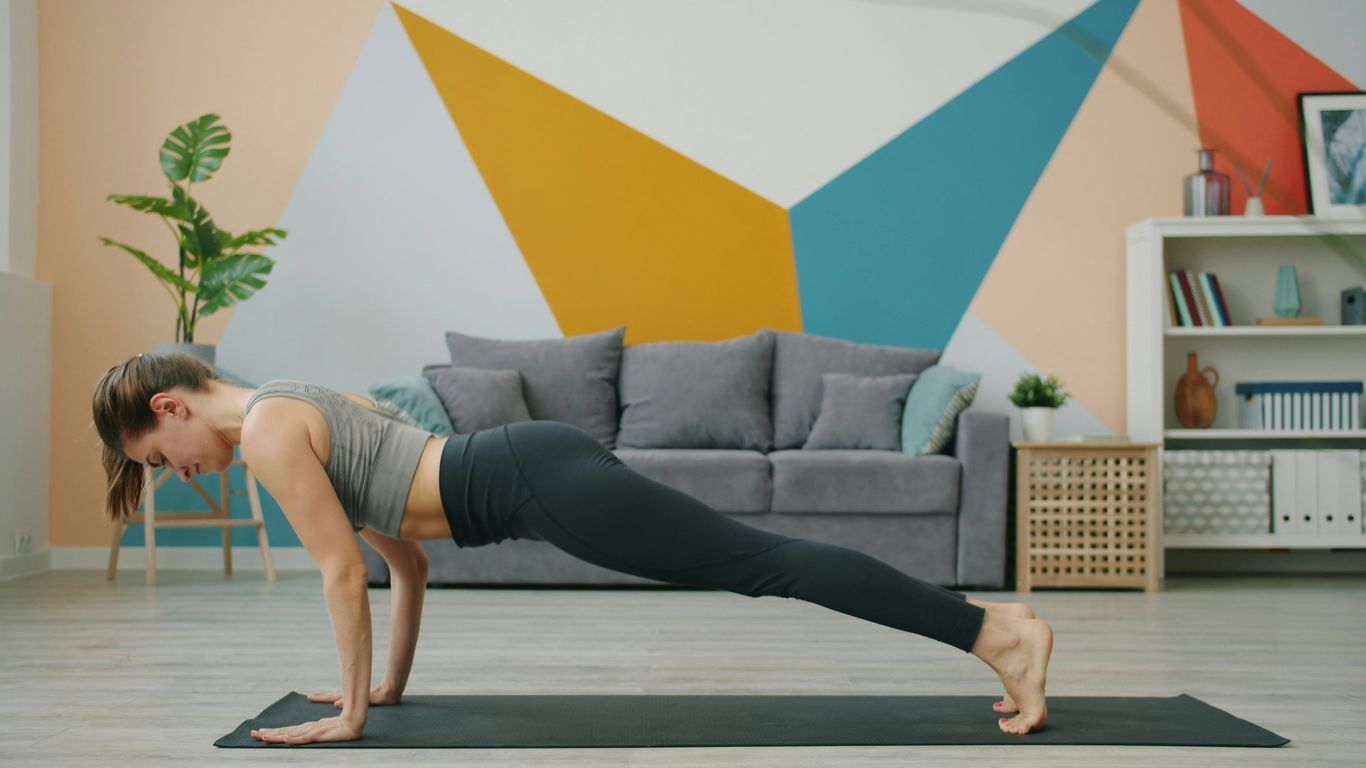
Alright, let's get ready to build some serious strength with Plank Pose. This is a fantastic pose for your core and your arms, and it really helps you feel grounded. It's all about creating a strong, straight line from the top of your head all the way down to your heels.
To get into it, start on your hands and knees, like you're in a tabletop position. Spread your fingers wide, making sure your hands are directly under your shoulders. Then, tuck your toes under and lift your knees off the ground. Step your feet back one at a time until your body forms that straight line. Think about pressing the floor away from you with your hands. This helps keep your shoulders from sinking. Engage your belly by drawing your navel towards your spine. It's like you're zipping up a tight pair of pants.
Here are a few things to focus on:
- Keep your neck long, gazing slightly forward or down.
- Don't let your hips sag or pike up too high.
- Actively press through your heels.
Try to hold this for about 30 seconds to a minute. If that feels like too much right now, that's totally fine. You can always drop your knees to the floor for a modified plank. The goal is to build up that strength over time. This pose is a great way to build overall body awareness and endurance [9b1c].
Remember, consistency is key. Even holding Plank for a shorter time with good form is more beneficial than struggling in a pose with poor alignment. Listen to your body and adjust as needed.
7. Forward Fold
Alright, let's talk about the Forward Fold, also known as Uttanasana. This pose is a really nice way to give your hamstrings and your lower back a good stretch. It feels like a gentle release, especially if you've been sitting for a while or just woke up.
To get into it, start standing with your feet hip-width apart. You can keep a slight bend in your knees – seriously, don't worry about getting your legs perfectly straight. The main thing is to hinge from your hips, not your waist. Let your torso hang down over your legs. You can let your head and neck relax completely. Some people like to grab opposite elbows and just sway a little side to side, which can feel pretty good.
Here are a few things to keep in mind:
- Knee Bend: Don't force your legs straight. A bend in the knees is totally fine and often better for your back.
- Relaxation: Let your head and neck hang loose. Shake your head 'yes' and 'no' to release any tension.
- Hand Placement: Your hands can rest on the floor, on blocks, or even just hang in the air. Whatever feels comfortable.
This pose is great for calming the mind and can help relieve mild stress. It's a good one to practice anytime you need a moment to pause and reset. If you're looking for more beginner poses, this guide to yoga basics might be helpful.
This pose is a chance to let go. Think of it as a gentle reset button for your body and mind. Just allow yourself to hang out here for a few breaths and feel the release in your spine and legs.
8. Legs Up the Wall
This pose, also known as Viparita Karani, is a super simple yet incredibly effective way to unwind. Seriously, it feels amazing after a long day. You just need a wall and a bit of floor space.
Here’s how to get into it:
- Find a spot near a wall. Sit on the floor with one hip close to the wall.
- Gently lie back onto your mat, swinging your legs up the wall so your heels are resting against it. Your hips can be right up against the wall or a few inches away, whatever feels most comfortable for you.
- Let your arms rest by your sides, palms facing up, or place one hand on your belly and the other on your chest. Just let your body relax.
This pose is fantastic for giving your legs a break and helping to calm your nervous system. It’s a gentle inversion that can help with circulation and reduce swelling in the legs and feet. Try to hold it for at least five minutes, but if you have the time, staying for ten or even fifteen minutes can bring a deeper sense of peace. It’s a great way to just pause and breathe. Sometimes the simplest poses offer the most relief. Don't underestimate the power of just lying there with your legs up. It's a moment of pure stillness in a busy world. This practice can aid in reducing swelling and promoting a sense of calm.
9. Easy Pose
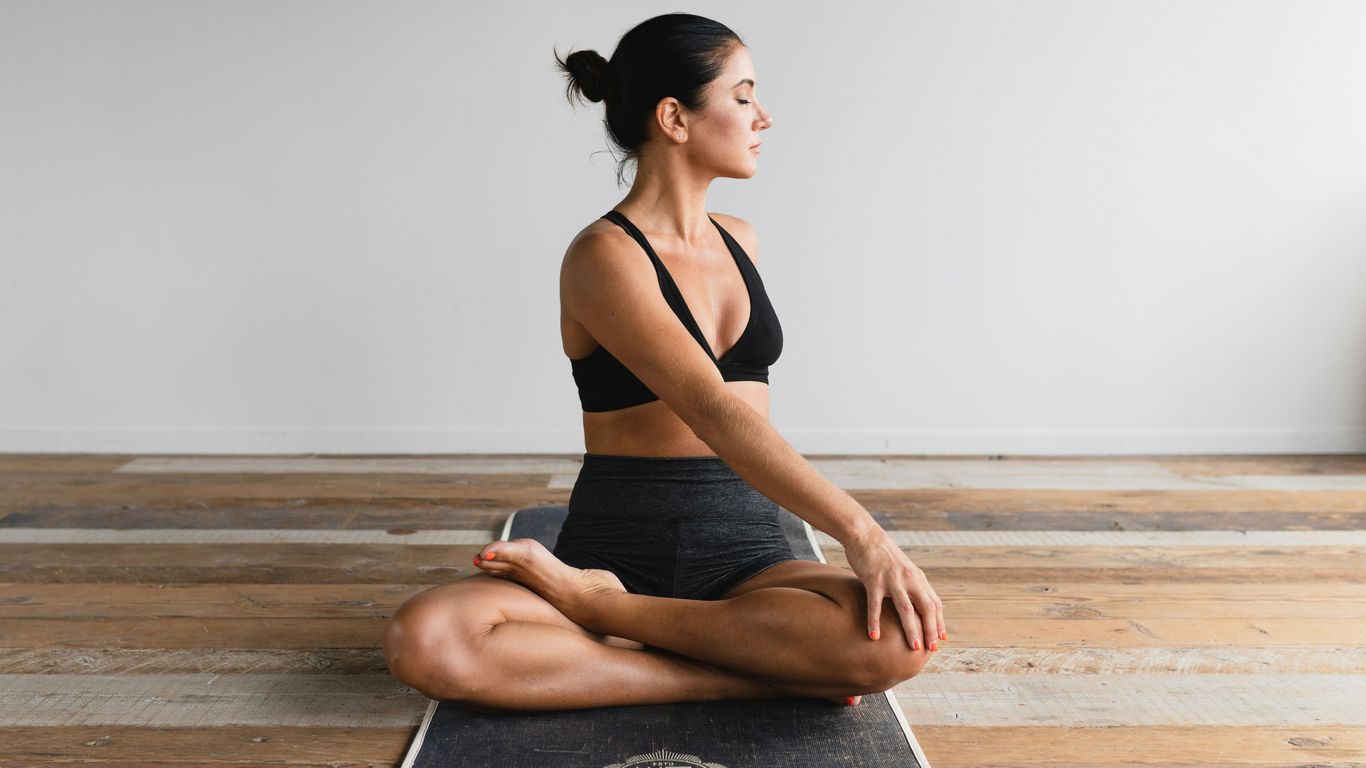
Alright, let's settle into Easy Pose, also known as Sukhasana. This is your go-to for just chilling out and finding a moment of peace. It's the perfect pose for centering yourself before or after your practice.
To get into it, find a comfortable spot on your mat. Sit down with your legs crossed. You can cross them at the shins, or if that feels better, let one foot rest in front of the other. The key here is comfort, so don't force it. If sitting directly on the floor is tough on your hips or back, no worries at all. Just grab a cushion or a folded blanket and pop it under your hips. This little lift can make a world of difference, helping your spine stay nice and long.
Once you're settled, let your hands rest gently on your knees or in your lap. Close your eyes if that feels good, or soften your gaze. Take a moment to just notice your breath. No need to change anything, just observe it coming in and going out. This pose is all about creating a stable, comfortable seat from which you can just be.
Here's what to focus on:
- Spine: Imagine a string gently pulling the crown of your head towards the ceiling. Keep your back straight but not stiff.
- Shoulders: Let them relax down away from your ears. No hunching allowed!
- Breath: Notice the natural rhythm of your breath. Feel your chest and belly rise and fall.
If your mind starts to wander (and it will!), just gently guide your attention back to your breath. It's like training a puppy – gentle redirection is key. This pose is deceptively simple, but it's a powerful way to connect with yourself. It's not about how 'perfect' your cross-legged position looks, but about how you feel in your body and mind. Give yourself permission to just sit and breathe. Stay here for a few breaths, or as long as you feel comfortable. It’s a great way to transition between poses or just take a quick mental break during your day. If you're looking for more ways to find calm, exploring calming yoga poses can offer additional support.
10. Baby Cobra
Alright, let's wrap up this quick yoga session with a gentle backbend: Baby Cobra. This pose is super accessible and a great way to build a little strength in your spine and open up your chest without going too deep. It's perfect for beginners and really anyone looking for a safe way to stretch their back.
To get into it, lie down on your stomach. Your legs should be extended straight back, with the tops of your feet pressing into the mat. Place your hands on the floor just under your shoulders, fingers pointing forward. Take a moment to relax your neck and jaw.
Now, as you inhale, gently lift your head and chest off the floor. Keep your elbows bent and close to your body. Think about lengthening your spine forward rather than just pushing up. Pull your shoulder blades together and down your back. You should feel a mild stretch along your abdomen and a gentle opening across your chest.
Here's what to focus on:
- Keep your gaze slightly forward and down to protect your neck.
- Engage your leg muscles slightly to support your lower back.
- Avoid shrugging your shoulders up towards your ears.
Hold this position for about three to five breaths. Then, as you exhale, slowly lower yourself back down to the mat. You can repeat this a couple more times if it feels good. This pose is a nice way to counter some of the forward-leaning we do throughout the day and can help improve posture. It's a nice little boost for your spinal health.
This gentle backbend is a wonderful way to conclude your practice, offering a mild stretch for the front of your body and encouraging a sense of openness. It's a reminder that even small movements can make a big difference in how you feel.
Keep It Going!
So there you have it – a simple, 10-minute yoga routine that you can do right at home to help melt away some of that daily stress. Remember, you don't need to be a yoga expert to feel the benefits. Just showing up for yourself for these few minutes can make a real difference in how you feel, both mentally and physically. Try to make it a regular thing, even if it's just a few times a week. Your mind and body will thank you for it. Keep breathing, keep moving, and enjoy the calm.
Frequently Asked Questions
Can just 10 minutes of yoga really help with stress?
Absolutely! Even a short 10-minute yoga session can make a big difference in calming your mind and releasing tension. It's a great way to start if you're new to yoga or don't have much time.
Is this yoga routine good for total beginners?
Yes, this routine is designed specifically for beginners. The poses are simple and easy to follow, focusing on gentle movements and breathing to help you feel more relaxed and connected to your body.
What are the main benefits of doing yoga for only 10 minutes a day?
Doing yoga for just 10 minutes daily can help you de-stress, improve your focus, increase flexibility, and boost your mood. It's also a fantastic way to build a consistent healthy habit without feeling overwhelmed.
Do I need any special equipment for this yoga routine?
No, you don't need any special equipment. You can do this routine right at home. A comfortable space to move and maybe a yoga mat if you have one is all you need.
How often should I practice this 10-minute yoga routine?
You can practice this routine daily! Doing it consistently, perhaps in the morning to start your day fresh or in the evening to unwind, will help you get the most benefits for stress relief and overall well-being.
What if I can't do a pose perfectly?
Don't worry about perfection! Yoga is about how it feels in your body, not how it looks. Listen to your body, move gently, and focus on your breath. It's okay if your poses aren't exactly like the pictures; the goal is to feel better.


