

Meditation 101: Your First Steps to Inner Peace and Focus
Feeling overwhelmed by the constant buzz of life? You're not alone. Many of us are looking for a way to slow down, find some quiet, and just feel a bit more centered. That's where meditation 101 comes in. It's not some mystical secret; it's a practical approach to training your mind, much like hitting the gym trains your body. This guide is your starting point, breaking down the basics so you can begin your journey toward a calmer, more focused you.
Key Takeaways
- Meditation is a practice of focusing your attention, often on your breath, and gently returning to it when your mind wanders.
- The benefits include finding inner peace, improving focus, and boosting your overall emotional well-being.
- Simple techniques like focusing on your breath or gazing at a candle flame are great starting points for beginners.
- It's normal for your mind to wander; the practice is in noticing it and bringing your attention back without judgment.
- Consistency is more important than duration, so aim for short, regular sessions to build your meditation habit.
Understanding Meditation 101
So, what exactly is this whole meditation thing people keep talking about? It sounds a bit mystical, maybe even a little intimidating, but really, it's much simpler than you might think. At its heart, meditation is a way to train your mind. Think of it like going to the gym for your brain. Just like you work out your muscles, meditation helps you build mental strength and flexibility.
What Is Meditation?
Meditation is essentially the practice of focusing your attention. You pick something to concentrate on – maybe your breath, a sound, or even just the feeling of your body sitting. When your mind inevitably wanders off (and it will, that's what minds do!), you gently guide your attention back to your chosen focus. It's not about stopping your thoughts; it's about learning not to get carried away by them. It’s a skill, and like any skill, it gets better with practice.
The Core Principles of Meditation
There are a few key ideas that run through most meditation practices:
- Awareness: Noticing what's happening in the present moment, both inside you and around you.
- Focus: Gently directing your attention to a specific point, like your breath.
- Non-judgment: Observing your thoughts and feelings without labeling them as good or bad.
- Patience: Understanding that progress takes time and that every session is a step forward.
The goal isn't to achieve some perfect, thought-free state. It's about developing a more balanced and aware relationship with your own mind. You learn to observe your internal world with a bit more kindness and less reactivity.
Why Meditation Is More Relevant Than Ever
In today's world, things move pretty fast. We're constantly bombarded with information, notifications, and demands on our attention. It's easy to feel scattered, stressed, and disconnected. Meditation offers a way to step back from all that noise. It gives you a tool to find a bit of quiet within yourself, no matter what's going on outside. This ability to find calm and focus is incredibly useful for dealing with everyday life, improving relationships, and just generally feeling more grounded.
Discovering the Benefits of Meditation
So, you're thinking about giving meditation a whirl? That's awesome. Beyond just sitting there quietly, this practice actually does some pretty neat things for you. It's not magic, but the results can feel pretty close.
Achieving Inner Peace and Calm
This is probably what most people think of first when they hear 'meditation'. And yeah, it's a big one. When life feels like a runaway train, meditation gives you a chance to step off for a bit. It helps dial down that constant hum of stress and worry that seems to follow us everywhere. Think of it like hitting a reset button for your nervous system. You start to notice that things don't have to feel so overwhelming all the time. It's about finding a quiet space inside yourself, even when the world outside is loud.
- Less Stress: Regular practice can lower stress hormones like cortisol.
- Better Sleep: Many people find they sleep more soundly after meditating.
- Emotional Stability: You might feel less reactive to everyday annoyances.
It's easy to get caught up in the idea that meditation is about emptying your mind completely. That's a common misconception. The real goal is more about observing what's happening in your mind and body without getting swept away by it. You learn to just let thoughts come and go, like clouds drifting across the sky.
Enhancing Focus and Concentration
Ever feel like your attention span is shorter than a TikTok video? You're not alone. Our modern lives are full of distractions, pulling us in a million directions. Meditation trains your brain to stay put. By gently bringing your attention back to your breath or a chosen focus point, you're essentially doing reps for your concentration muscles. Over time, this translates to being able to stick with tasks longer, pay closer attention in conversations, and generally feel less scattered.
Here's a quick look at what happens:
| Area of Improvement | Short-Term Effect | Long-Term Effect |
|---|---|---|
| Attention Span | Noticeable increase | Sustained focus |
| Task Completion | Reduced procrastination | Improved productivity |
| Presence | Better listening | Deeper engagement |
Boosting Emotional Well-being
Meditation isn't just about feeling calm; it's also about understanding yourself better. As you sit with your thoughts and feelings, you start to see patterns. You might notice you tend to jump to conclusions or get stuck on negative thoughts. Meditation gives you the space to observe these patterns without immediately reacting. This self-awareness is a game-changer. It helps you respond to situations more thoughtfully instead of just reacting on autopilot. It can lead to a more positive outlook and a greater sense of connection with others.
Getting Started with Meditation Techniques
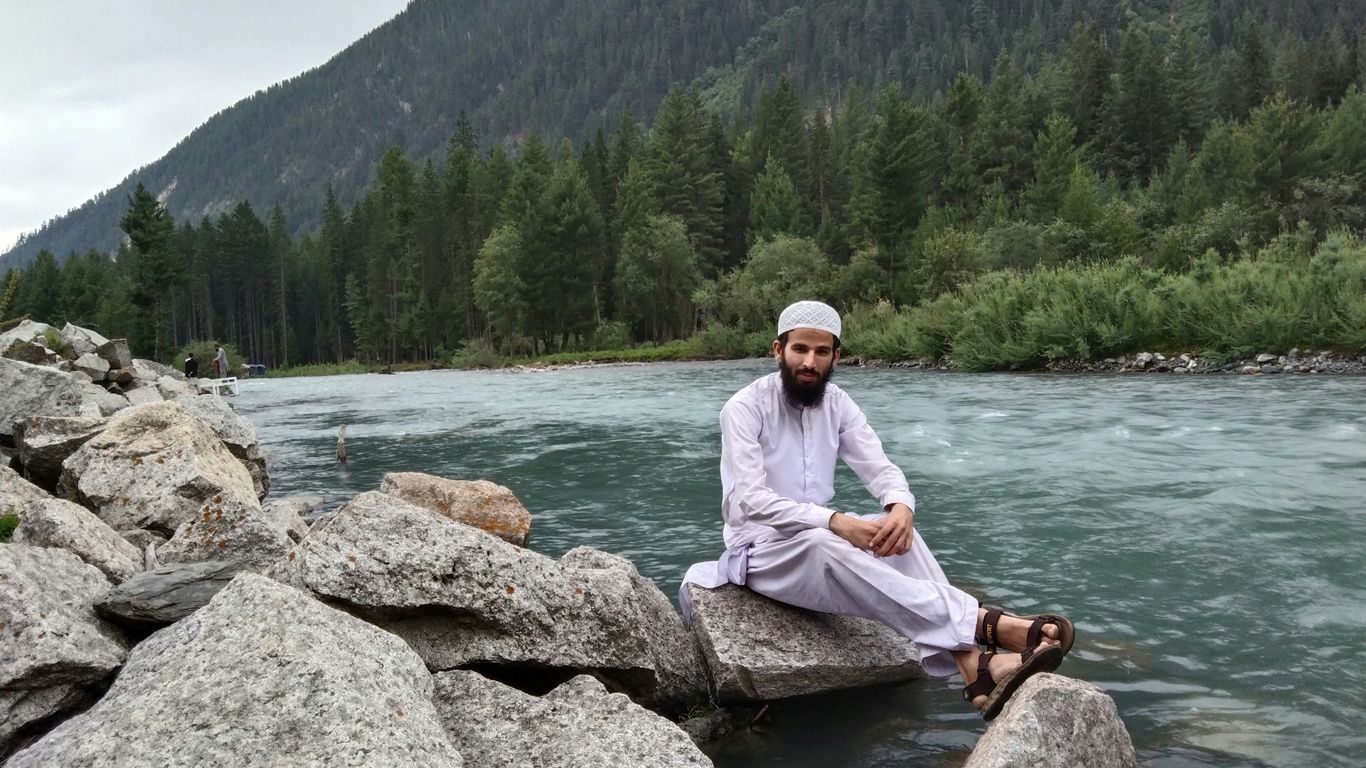
So, you're ready to actually do some meditation? Awesome. It's not some mystical, complicated thing. Think of it like learning to ride a bike – you just gotta get on and try. There are a bunch of ways to approach it, and finding what clicks for you is part of the fun. We'll look at a few common ones that are super beginner-friendly.
Concentration Meditation Explained
This is probably the most straightforward way to start. The whole idea is to pick one thing and just focus on it. Your mind will wander, that's a given, but the practice is in gently bringing your attention back to your chosen focus. It's like training a puppy – you just keep guiding it back.
- Focus on your breath: Notice the feeling of air coming in and going out. Where do you feel it most? Your nose? Your chest? Your belly?
- Repeat a word or phrase (mantra): You can use a simple word like "peace" or "calm," or a short phrase. Say it silently to yourself.
- Gaze at a candle flame: This is a bit more specific, but watching the steady flame can be a good anchor.
The key here is gentle persistence, not forceful control.
When your mind drifts off, and it will, don't get frustrated. Just notice it happened, and kindly guide your attention back to your anchor. That's the whole exercise.
Mindfulness Meditation for Beginners
Mindfulness is a bit different. Instead of focusing on just one thing, you're opening up your awareness to whatever is happening in the present moment, without judgment. It's about noticing your thoughts, feelings, and sensations as they come and go, like watching clouds drift across the sky.
- Observe your thoughts: Just see them appear. Don't grab onto them or push them away. Let them be.
- Notice physical sensations: Feel your body. Are you tense anywhere? Is there an itch? Just observe it.
- Listen to sounds: What can you hear right now? Cars? Birds? Your own breathing? Just acknowledge the sounds.
It's about being present with whatever is going on, inside and out.
The Candle Gazing Technique
This is a specific type of concentration meditation, sometimes called Trataka in Sanskrit. It's pretty simple but can be quite powerful for sharpening focus.
- Set up: Place a lit candle about arm's length away, at eye level. Make sure the room is dimly lit so the flame stands out.
- Gaze: Sit comfortably and gaze softly at the tip of the candle flame. Try not to blink too much, but don't strain your eyes.
- Observe: Just watch the flame. Notice its color, its movement, its shape.
- Close eyes: When you feel ready, gently close your eyes. You might see an afterimage of the flame. Try to hold that image in your mind's eye.
- Return: If your mind wanders, gently bring it back to the image of the flame. When you're done, open your eyes slowly.
This technique is great for training your eyes and mind to stay steady. It can feel a little weird at first, but stick with it.
Your First Steps to Inner Peace
Alright, so you're ready to actually do some meditation. That's awesome. It's not some mystical thing only gurus can do; it's really about learning to be with yourself, right here, right now. The first few steps are all about making it feel natural and, dare I say, even a little bit comfortable.
Conscious Breathing for Beginners
This is where the magic really starts. Your breath is always with you, a built-in anchor. You don't need fancy equipment or a special place, just your breath. The goal isn't to force your breath into some perfect rhythm, but to simply notice it.
Here’s a simple way to start:
- Find a comfortable spot. You can sit on a chair with your feet flat on the floor, or sit cross-legged on a cushion. Just make sure your back is relatively straight but not stiff.
- Gently close your eyes, or soften your gaze if closing them feels weird.
- Start by just noticing your breath. Where do you feel it most? Your belly? Your chest? Your nostrils?
- Try to follow one full inhale and one full exhale. Don't try to change it, just observe.
- If your mind wanders (and it will, that's totally normal!), just notice where it went, and gently guide your attention back to your breath. No judgment needed.
You might think you need to stop thinking to meditate, but that's not quite right. Your brain is designed to think! Meditation is more about learning to observe your thoughts without getting swept away by them. It's like watching clouds drift by in the sky – you see them, but you don't have to jump on every single one.
Finding Your Ideal Meditation Posture
Posture is important because it helps you stay alert without being tense. Think of it as setting yourself up for success. You want to be comfortable enough to stay put for a bit, but upright enough that you don't just fall asleep.
- Sitting on a Chair: Keep your feet flat on the floor, knees bent at about a 90-degree angle. Rest your hands on your lap or thighs. Keep your spine long, as if a string is gently pulling you up from the crown of your head.
- Sitting on the Floor: Use a cushion or folded blanket to elevate your hips slightly above your knees. This helps maintain a natural curve in your lower back. You can cross your legs comfortably, or try a half-lotus if that feels okay. Again, keep that spine long and relaxed.
- Lying Down: This is an option, but be warned – it's easy to drift off! If you choose this, lie on your back with your legs extended and arms by your sides, palms up. Make sure you're in a quiet, comfortable place where you won't be disturbed.
Setting Up Your Meditation Space
While you can meditate anywhere, having a dedicated spot can really help signal to your brain that it's time to settle down. It doesn't need to be elaborate at all. Think simple and calming.
- Choose a Quiet Location: Find a place where you're unlikely to be interrupted. This could be a corner of your bedroom, a quiet nook in the living room, or even a spot outdoors if it's peaceful.
- Keep it Simple: You don't need a shrine. Maybe just a comfortable cushion or a small rug. If you like, you can add a plant or a candle, but the main thing is that it feels like a calm space for you.
- Minimize Distractions: Turn off your phone notifications or put it on silent. Let others in your household know you're taking a few minutes for yourself. The less external noise and interruption, the easier it will be to focus inward. This dedicated space can be a great starting point for your meditation practice.
Remember, these are just starting points. The most important thing is to just begin. Don't worry about doing it perfectly. Just show up for yourself, one breath at a time.
Navigating Common Meditation Challenges
So, you've decided to give meditation a real shot. That's awesome! But let's be real, it's not always sunshine and rainbows. Your mind, bless its busy little heart, is probably going to throw a few curveballs your way. Don't sweat it, though. Most people run into the same few hiccups when they're starting out. The trick is knowing they're coming and having a plan.
Dealing with Wandering Thoughts
This is the big one, right? You sit down, close your eyes, and suddenly your brain decides it's the perfect time to plan dinner, replay that awkward conversation from last week, or wonder if you left the oven on. It feels like a failure, but it's totally normal. The goal isn't to have a blank mind; it's to notice when your mind wanders and gently bring it back. Think of your thoughts like clouds drifting across the sky. You don't try to stop them, you just watch them go by and return your attention to your anchor, like your breath.
Here's a simple way to handle it:
- Notice: Become aware that your mind has drifted. No judgment, just a simple observation.
- Acknowledge: Silently label what pulled you away, like "planning," "worrying," or "remembering."
- Redirect: Gently guide your attention back to your breath or chosen focus.
It's like training a puppy. When it wanders off, you don't scold it harshly; you patiently call it back. Your mind is similar. Each time you bring it back, you're strengthening your focus muscle.
Overcoming Restlessness and Discomfort
Sometimes, it's not just your thoughts that get in the way. You might feel an itch you can't ignore, a sudden urge to fidget, or a general sense of unease. Your body might feel stiff or uncomfortable. Again, this is super common, especially when you're first learning to sit still.
- Adjust Mindfully: If you're truly uncomfortable, make a small, slow adjustment to your posture. Try to do it with awareness, noticing the sensations as you move.
- Breathe Into It: Sometimes, you can simply observe the sensation of restlessness or discomfort. See if you can breathe into the area that feels tight or agitated. Often, just paying attention to it without trying to fight it can lessen its intensity.
- Shorten Sessions: If you're consistently struggling with physical discomfort, it's okay to shorten your meditation sessions for a while. Even 2-5 minutes of focused practice is beneficial. You can gradually increase the time as your body gets used to sitting still.
The Importance of Self-Compassion
This might be the most important part. You're going to have "bad" meditation days. You'll get frustrated, you'll feel like you're not doing it right, and you might even want to quit. This is where self-compassion comes in. Instead of beating yourself up, try to treat yourself with the same kindness you'd offer a friend who's struggling.
- Acknowledge the Difficulty: It's okay to admit that meditation can be challenging. You're learning a new skill.
- Be Patient: Progress isn't always linear. Some days will feel easier than others. Trust the process.
- Celebrate Small Wins: Did you sit for your intended time? Did you notice your mind wander and bring it back, even just once? That's a win! Acknowledge your effort.
Remember, meditation is a practice, not a performance. Every time you sit down, you're showing up for yourself, and that's always a good thing.
Cultivating a Consistent Meditation Practice
So, you've dipped your toes into meditation, maybe tried a few techniques, and felt a glimmer of that inner peace. That's awesome! But here's the thing: like any skill, meditation really shines when you practice it regularly. It's not about having a perfect session every single time, but about showing up for yourself, day after day. Think of it like watering a plant; a little bit each day makes a big difference over time.
Establishing a Daily Routine
Making meditation a habit doesn't have to be complicated. The key is consistency, not necessarily long durations. Try to link your meditation to something you already do every day. Maybe it's right after you brush your teeth in the morning, or just before you settle down for bed. Setting a specific time helps your brain get into the groove.
- Morning Ritual: A few minutes before the day gets hectic.
- Lunch Break Reset: A short pause to clear your head.
- Evening Wind-Down: Preparing for restful sleep.
The Power of Short, Regular Sessions
Don't feel pressured to sit for 30 minutes right off the bat. Even five minutes of focused breathing or mindful observation can be incredibly beneficial. Starting small makes it much easier to stick with it. As you get more comfortable, you can gradually increase the time. It's better to meditate for five minutes every day than for an hour once a week.
Here's a simple way to build up:
- Week 1: 5 minutes daily
- Week 2: 7 minutes daily
- Week 3: 10 minutes daily
- Week 4: 12 minutes daily
Tracking Your Meditation Journey
Keeping a simple log can be surprisingly motivating. You don't need anything fancy – just a notebook or a note on your phone. Jot down the date, the time you meditated, and maybe a quick note about how you felt or any challenges you noticed. This helps you see your progress over time and reminds you that even on days when it feels difficult, you're still building that inner resilience.
Sometimes, you might feel like nothing is happening during your meditation. Your mind might race, or you might feel restless. This is completely normal. The practice isn't about stopping thoughts; it's about noticing them without getting carried away. Each time you gently bring your attention back, you're strengthening your focus. Be patient with yourself; this is a journey, not a race.
Keep Going, You've Got This
So, that's the basic rundown on getting started with meditation. It might feel a little weird at first, and your mind will definitely wander – that's totally normal. Don't get discouraged if you don't feel like a zen master after your first try. The real magic happens when you stick with it, even for just a few minutes each day. Think of it like building a muscle; it gets stronger with consistent effort. You've taken the first steps toward finding a bit more calm and focus in your life, and that's a pretty big deal. Keep practicing, be patient with yourself, and see where this journey takes you.
Frequently Asked Questions
What exactly is meditation?
Think of meditation like training for your brain. Just like you exercise your body, meditation is a way to train your mind to be more focused and calm. It's not about emptying your mind, but rather learning to notice your thoughts without getting carried away by them.
Why is meditation so popular now?
Life today can be really busy and distracting. Lots of people feel pulled in many directions. Meditation helps people feel more grounded, stay calm, and get a better handle on their thoughts, especially when things get stressful.
What are the main benefits of meditating?
Meditation can help you feel more peaceful and less stressed. It can also make it easier to focus on tasks, improve your mood, and help you understand yourself and your feelings better. Many people find they feel more patient and present in their daily lives.
What's the easiest way for a beginner to start meditating?
A simple way to begin is by focusing on your breath. You can sit comfortably, close your eyes, and just pay attention to the feeling of breathing in and out. When your mind wanders, gently bring your attention back to your breath. It's okay if this happens a lot at first!
What if my mind wanders a lot while meditating?
It's totally normal for your mind to wander! That's what minds do. The practice isn't about stopping thoughts, but about noticing when your mind has drifted and gently guiding it back to your focus, like your breath. Each time you do this, you're strengthening your focus.
How long should I meditate for?
When you're starting out, even just a few minutes a day can make a difference. Try meditating for 5 or 10 minutes. The most important thing is to be consistent. It's better to meditate for a short time every day than for a long time once in a while.

