

Mastering Yoga Postures: A Comprehensive Guide with Names and Benefits
So, you're looking to get a better handle on yoga? It's more than just stretching and holding weird shapes, you know. A big part of it, and maybe something people don't think about much, is the names of the poses themselves. They're not just random words; they actually tell you a lot about what you're supposed to be doing and feeling. Learning these names, especially the Sanskrit ones, can really change how you approach your practice. It's like getting a little cheat sheet for each yoga posture with names, helping you connect with the pose on a deeper level. Let's make sense of these yoga postures with names.
Key Takeaways
- Learning the names of yoga postures helps you understand the intention and feeling of each pose.
- Many yoga pose names come from Sanskrit and offer hints about their shape or inspiration.
- Knowing the meaning behind names like Tadasana (Mountain Pose) or Vrksasana (Tree Pose) builds a strong foundation.
- Iyengar's method shows how precise naming can lead to better alignment and understanding of yoga postures.
- Connecting yoga positions and names can make your practice more meaningful and engaging.
Understanding The Significance Of Yoga Posture Names
It's easy to get caught up in just the physical shapes of yoga poses, right? But the names themselves, often rooted in Sanskrit, do more than just identify a posture. They offer a kind of roadmap for what the pose is meant to do for your body and mind. Think about it: a name might hint at stability, like "Tadasana" (Mountain Pose), or perhaps a sense of gentle unfolding. These linguistic clues can really guide your internal experience of the practice. When you learn the meaning behind a name, it’s like getting a little extra insight into the pose's purpose. It’s not just about holding a shape; it’s about embodying the essence of what the name suggests. This connection can make your practice feel more meaningful, moving beyond just a physical workout to something that touches your whole being. It’s a way to connect with the history and philosophy of yoga, too.
The Role Of Sanskrit In Asana Nomenclature
Many foundational poses have names that are quite descriptive, often relating to nature, animals, or simple actions. For instance, Tadasana, commonly known as Mountain Pose, literally translates to 'staff pose' or 'standing pose' and embodies the stability and groundedness of a mountain. Vrksasana, or Tree Pose, clearly references the posture's resemblance to a tree, highlighting balance and rootedness. Understanding these basic names gives you a solid starting point for appreciating the deeper meanings in more complex asanas. It’s about building a connection with the pose through its name. Learning these names and what they represent helps demystify the practice. It's not just about memorizing words; it's about understanding the intention behind each shape and how it can benefit your body and mind. This knowledge builds confidence and makes your yoga journey more rewarding.
Names As A Roadmap To Physical And Mental Benefits
Think about how a name can guide your experience. A pose called "Warrior" (Virabhadrasana) naturally suggests strength, courage, and a strong stance. Conversely, a pose named after a gentle animal, like "Cat" (Marjaryasana), might point towards fluidity and spinal movement. These names aren't just labels; they're cues. They hint at the physical sensations you might aim for and the mental state the pose can help cultivate. For example:
- Mountain Pose (Tadasana): Evokes grounding, stability, and upright posture.
- Tree Pose (Vrksasana): Suggests balance, rootedness, and a connection to the earth.
- Cobra Pose (Bhujangasana): Implies an upward lift, chest opening, and a gentle backbend.
These associations help you move beyond simply mimicking a shape to truly embodying the pose's intended effect.
Iyengar's Approach To Precise Asana Names
B.K.S. Iyengar, a highly respected yoga teacher, placed a lot of importance on the precise naming and understanding of asanas. His method often emphasized correct alignment and the therapeutic benefits of each pose. For Iyengar, the name wasn't just a descriptor; it was a key to understanding the pose's mechanics and its impact on the body and mind. He believed that a clear understanding of the nomenclature, including the Sanskrit origins, allowed practitioners to approach each posture with greater intelligence and intention. This precision helps in:
- Achieving correct physical alignment.
- Understanding the specific actions within a pose.
- Recognizing the subtle energetic and mental effects.
His approach highlights how knowing the 'why' behind a pose, often embedded in its name, can transform a physical exercise into a profound practice.
Mastering Foundational Yoga Postures With Names
So, you've been doing yoga for a bit, and you're starting to get the hang of the poses. But what about the names? It's easy to just go through the motions, but understanding what those Sanskrit words mean can really change your practice. It's like getting a little secret key that unlocks a deeper connection to each movement. We're going to explore how these names aren't just labels, but rather guides to how the pose should feel and what it's supposed to do for you. Let's make sense of these yoga postures with names.
Key Characteristics Of Common Yoga Postures
Getting a handle on the names of yoga poses, or asanas, is like learning the secret language of your practice. It’s not just about memorizing; it’s about understanding what each name tells you about the pose itself. Think of it as a roadmap to your body's potential. Many foundational poses have names that are quite descriptive, often relating to nature, animals, or simple actions. For instance, Tadasana, commonly known as Mountain Pose, embodies the stability and groundedness of a mountain. Vrksasana, or Tree Pose, clearly references the posture's resemblance to a tree, highlighting balance and rootedness. Understanding these basic names gives you a solid starting point for appreciating the deeper meanings in more complex asanas. It’s about building a connection with the pose through its name. This Yoga Posture Guide offers a direct approach to understanding Asanas.
Here's a quick look at how some names relate to the pose:
| Sanskrit Name | English Translation | Key Characteristic |
|---|---|---|
| Tadasana | Mountain Pose | Grounded, upright |
| Vrksasana | Tree Pose | Balance, rooted |
| Utthita Trikonasana | Extended Triangle | Open, expansive |
| Paschimottanasana | Seated Forward Bend | Intense back stretch |
| Bhujangasana | Cobra Pose | Chest opening, spinal arch |
Connecting With Nature Through Pose Names
Many yoga pose names are inspired by the natural world, which can be a beautiful way to connect with your practice. Think about Tree Pose (Vrksasana). The name itself conjures an image of standing tall, with roots going down and branches reaching up. This imagery helps you find that sense of stability and upward lift in the pose. Similarly, Mountain Pose (Tadasana) suggests a feeling of being firmly planted and unshakeable. These natural connections aren't just poetic; they offer a physical cue. When you're in Tree Pose, you can actively think about rooting your standing foot and growing tall, just like a tree. This makes the pose more than just a shape; it becomes an experience.
The names of yoga postures are not just labels; they are invitations to explore the pose's essence, connecting you to its history, purpose, and the physical sensations it aims to evoke. They serve as a bridge between the physical form and the deeper meaning of the practice.
Building A Base Of Common Yoga Positions And Names
Learning the names of foundational yoga poses is like building a solid base for your practice. It helps you understand the intention and feeling of each pose. Many of these names come from Sanskrit and offer hints about their shape or inspiration. Knowing the meaning behind names like Tadasana (Mountain Pose) or Vrksasana (Tree Pose) builds a strong foundation. This approach can make your practice more meaningful and engaging. It's about understanding what each name tells you about the pose itself. Learning the meaning behind these names can really help you connect with the intention of the pose.
Exploring Categories Of Yoga Postures With Names
Yoga poses, or asanas, aren't just random shapes we contort ourselves into. They're often grouped by the kind of physical action they encourage, and their names usually give you a pretty good clue about what's going on. Think of these categories as a way to organize your practice and understand the specific benefits each type of pose offers. It's like having a map that shows you where you're going with your body and mind.
Standing Poses For Strength And Balance
These are the workhorses of many yoga classes. Standing poses build a solid foundation, literally. They help you connect with the earth, find your center, and develop a sense of stability. Names often reflect this groundedness or a sense of reaching upwards. For example, Tadasana (Mountain Pose) is all about standing tall and firm, while Virabhadrasana (Warrior Pose) series embodies strength and forward momentum. Holding these poses requires focus and engages many muscles, which is great for building physical power and improving your posture.
- Tadasana (Mountain Pose): The starting point for many standing sequences, focusing on grounding and alignment.
- Virabhadrasana I, II, III (Warrior Poses): Build strength in the legs and core, promoting courage and determination.
- Utthita Trikonasana (Extended Triangle Pose): Opens the hips and chest, stretching the hamstrings and improving balance.
Seated Poses For Flexibility And Relaxation
Once you've built some stability, seated poses invite you to soften and open. These are fantastic for increasing flexibility in the hips, spine, and hamstrings. They also tend to be more calming, making them ideal for winding down or preparing for meditation. The names might suggest a gentle unfolding or a connection to the earth. Paschimottanasana (Seated Forward Bend) is a classic example, focusing on stretching the entire back body. Sukhasana (Easy Pose) is the go-to for simple, comfortable sitting.
- Sukhasana (Easy Pose): A simple cross-legged seat for comfort and grounding.
- Paschimottanasana (Seated Forward Bend): Deeply stretches the hamstrings and spine, promoting introspection.
- Baddha Konasana (Bound Angle Pose): Opens the hips and groin, often associated with relaxation and release.
Backbends For Spinal Mobility And Chest Opening
Backbends are where we explore the opposite of forward folding – creating space and opening up the front of the body. These poses are brilliant for improving spinal flexibility, counteracting the effects of sitting all day, and creating a sense of expansiveness. Names like Bhujangasana (Cobra Pose) or Ustrasana (Camel Pose) hint at the arching shape. They can feel challenging at first, but they also bring a lot of energy and lift to the practice.
- Bhujangasana (Cobra Pose): Lifts the chest and strengthens the spine without much effort.
- Ustrasana (Camel Pose): A deeper backbend that opens the chest and shoulders.
- Salabhasana (Locust Pose): Builds strength in the back muscles and improves posture.
Balancing Poses For Focus And Stability
Balancing poses are a direct test of your ability to find stillness amidst movement. They require concentration, core strength, and a steady gaze. The names often relate to things that are naturally balanced or rooted, like Vrksasana (Tree Pose). Practicing these poses not only improves physical balance but also cultivates mental focus and a sense of calm presence. It's a great way to train your mind to stay steady, even when your body is challenged.
- Vrksasana (Tree Pose): A classic balancing pose that strengthens the legs and improves focus.
- Garudasana (Eagle Pose): Challenges balance while stretching the shoulders and hips.
- Natarajasana (Lord of the Dance Pose): An advanced balance that requires strength, flexibility, and concentration.
Grouping poses by their primary action helps you understand the 'why' behind each posture. It's not just about memorizing names; it's about recognizing the physical and mental qualities each category is designed to cultivate. This approach makes your practice more intentional and rewarding.
Embodying The Essence Of Each Yoga Posture Name
It's easy to just go through the motions in yoga class, right? You hear the name, you do the shape. But what if those names are actually little clues, guiding you to a deeper experience? Many yoga posture names come from Sanskrit, an ancient language, and they're not just random labels. They often describe what the pose looks like, what it's supposed to feel like, or even a story. When you start to connect with these meanings, your practice shifts from just a physical workout to something more. It's like getting a secret key that unlocks a whole new level of understanding.
Making Practice Intelligent Through Nomenclature
Think about "Tadasana," which means "Mountain Pose." Just hearing that name gives you an idea, doesn't it? You're not just standing there; you're aiming to feel stable, grounded, and unshakeable, like a mountain. Or "Virabhadrasana," the Warrior Pose. The name itself calls for strength, focus, and a sense of courage. When you internalize these meanings, you're not just holding a shape; you're embodying the qualities the name suggests. This makes your practice more mindful and helps you bring those qualities off the mat and into your everyday life. It’s about truly living the pose, not just doing it.
Connecting With The Intention Of Each Pose
Understanding the names helps you connect with what the pose is actually trying to do for your body and mind. It's like the name is a little hint about the pose's purpose. For example, a pose named after a flowing river might encourage a sense of ease and movement, while a pose named after a strong animal might focus on building power.
Here's a quick look at how names can guide your practice:
- Stability: Names suggesting grounding or rootedness (like Mountain Pose) encourage a strong, steady foundation.
- Flexibility: Names hinting at expansion or opening (like Extended Triangle Pose) guide you to create space in the body.
- Strength: Names evoking power or resilience (like Warrior Pose) help you tap into your inner fortitude.
- Balance: Names related to nature or equilibrium (like Tree Pose) focus your attention on finding steadiness.
The names of yoga postures are more than just identifiers; they are invitations. They invite you to explore the pose's essence, connecting you to its history, its purpose, and the physical sensations it aims to evoke. They act as a bridge between the physical form and the deeper meaning of the practice.
Honoring Yoga's History Through Pose Names
Using and understanding these Sanskrit names is also a way to honor the rich history of yoga. It’s like keeping a connection to the people who developed these practices long ago. It helps make sure yoga stays more than just exercise; it remains a tradition with deep meaning. By learning and using the names, you're participating in a lineage that stretches back thousands of years, keeping the spirit and philosophy of yoga alive.
Integrating Yoga Positions Names Into Your Practice
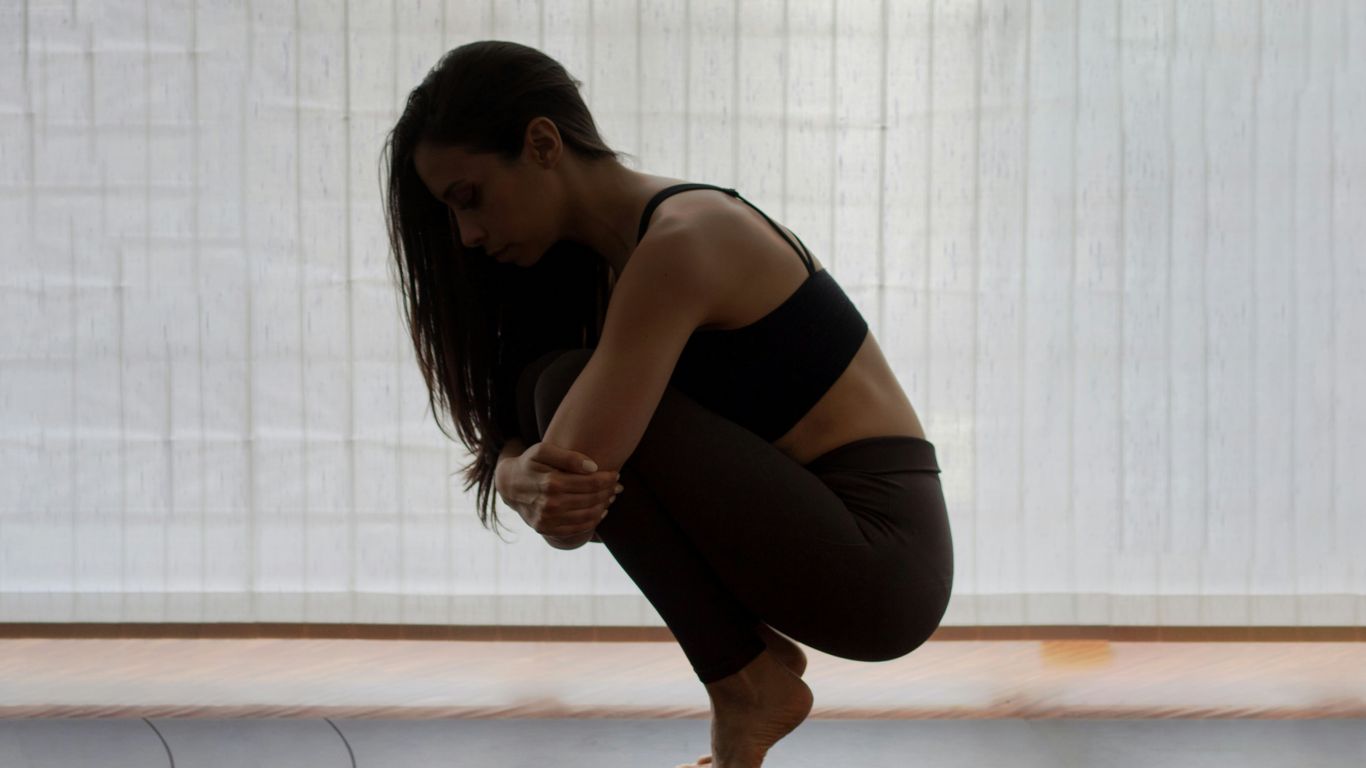
So, you've been getting a handle on all those yoga pose names, both the English ones and the Sanskrit. That's great! But how do you actually make this knowledge work for you, day to day? It's more than just memorizing a list; it's about letting the names add a little something extra to your time on the mat.
Enhancing Personal Practice with Pose Meanings
Think about it like this: when you know that 'Virabhadrasana' means 'Warrior Pose,' does that change how you stand in it? Maybe it makes you feel a bit stronger, a bit more focused. Or when you're in 'Tadasana,' knowing it's 'Mountain Pose' can help you feel more grounded and steady. It's like having a little secret key that unlocks a deeper feeling in the pose. Instead of just going through the motions, you can connect with the intention behind the name. It makes the whole experience feel more thoughtful, you know?
When you start using the Sanskrit names, your yoga session can feel less like just exercise and more like a mindful journey. For instance, instead of just thinking "forward fold," try calling it "Uttanasana." This small change can help you feel more connected to the pose’s core idea and its background. It’s about being right there in the moment and linking up with yoga’s long tradition.
Sharing Knowledge of Yoga Positions and Names
Once you feel good about the names yourself, you might find yourself wanting to share that with others. Maybe you're practicing with a friend, and instead of just saying 'let's do a forward fold,' you could say, 'Let's try Uttanasana.' It's not about being fancy; it's about sharing something you find interesting. Explaining that 'Vrksasana' is 'Tree Pose' can help someone visualize standing tall and balanced. These little bits of info can make yoga feel more accessible and engaging for everyone.
Here are a few ways knowing the names can help when practicing with others:
- Clarity of Intention: Names often reveal the pose's primary focus, whether it's stretching, balancing, or strengthening.
- Historical Connection: Sanskrit names link you to the ancient roots and philosophy of yoga.
- Body Awareness: Understanding the name can help you better engage the correct muscles and feel the intended sensations.
- Memorization Aid: A descriptive name is often easier to remember than an arbitrary label.
Deepening Your Connection Through Pose Names
It’s easy to get caught up in just the physical shapes of yoga poses, right? But the names themselves, often rooted in Sanskrit, do more than just identify a posture. They offer a kind of roadmap for what the pose is meant to do for your body and mind. Think about it: a name might hint at stability, like "Tadasana" (Mountain Pose), or perhaps a sense of gentle unfolding. These linguistic clues can really guide your internal experience of the practice. When you learn the meaning behind a name, it’s like getting a little extra insight into the pose's purpose. It’s not just about holding a shape; it’s about embodying the essence of what the name suggests. This connection can make your practice feel more meaningful, moving beyond just a physical workout to something that touches your whole being. It’s a way to connect with the history and philosophy of yoga, too.
The names of yoga postures are not just labels; they are invitations to explore the pose's essence, connecting you to its history, purpose, and the physical sensations it aims to evoke. They serve as a bridge between the physical form and the deeper meaning of the practice.
Essential Yoga Poses Breakdown
Learning yoga often starts with a handful of reliable postures—each one serving a different purpose but all laying the groundwork for more advanced movements. Below, we look closely at some of the most practiced poses, their names, benefits, and how to approach them.
Mountain Pose (Tadasana) For Grounding
Mountain Pose is the root of all standing yoga postures and teaches you how to feel steady and connected. The word 'Tadasana' comes from 'tada' meaning mountain; you'll notice this pose feels still and solid.
- Stand with your feet hip-width apart, toes facing forward.
- Distribute weight evenly across both feet.
- Engage your thighs and gently tuck your tailbone.
- Reach up through the crown of your head, shoulders relaxed.
| Sanskrit Name | English Name | Key Benefits |
|---|---|---|
| Tadasana | Mountain Pose | Improves posture, body awareness, balance |
Mountain Pose may seem simple, but it's a full-body check-in that builds mindfulness and teaches you to stand with intention.
Warrior Pose (Virabhadrasana) For Strength
This family of postures, especially Warrior I and II, are known for building both physical and mental strength.
- Step one leg back, bend your front knee over the ankle.
- Align hips and torso forward (Warrior I) or open to the side (Warrior II).
- Stretch arms either overhead or out to the sides, gaze steady.
Benefits:
- Strengthens legs, shoulders, and arms
- Develops focus and stamina
- Encourages confidence through strong posture
Tree Pose (Vrksasana) For Balance
Vrksasana gets its name from 'vrksa' meaning tree, reminding you to stay rooted yet reach high.
- Stand with feet hip-width apart, shift weight to one foot
- Place opposite foot on inner thigh or calf (never the knee)
- Hands can rest at your heart or reach overhead
Tips for Stability in Tree Pose:
- Focus your gaze on a spot ahead (this keeps you steady)
- Engage your core muscles
- Relax your shoulders and jaw
Cobra Pose (Bhujangasana) For Spinal Extension
Cobra Pose is great for counteracting hours spent sitting hunched over. Bhujangasana opens the chest and strengthens the back.
- Lie face-down, legs long, tops of feet pressing into mat
- Place hands under shoulders, elbows hugging in
- On an inhale, lift your chest, using back muscles more than arms
- Keep shoulders down and away from ears, gaze forward
| Pose Name | Main Areas Targeted | When To Use |
|---|---|---|
| Bhujangasana | Spine, chest, upper back | After long sitting, to energize mornings |
Take your time with each pose. It's about exploring your body's limits each day, not forcing progress.
By practicing these postures and learning what their names mean, you develop not just strength or flexibility but a sense of purpose and connection each time you get on the mat.
Keep Practicing, Keep Exploring
So, we've gone over a bunch of yoga poses, their names, and what they're good for. It's a lot to take in, I know. But remember, yoga isn't about being perfect right away. It's more about showing up on your mat, trying things out, and paying attention to how your body feels. The names themselves are like little hints, guiding you toward what the pose is supposed to do. Don't get too hung up on getting every name right or holding every pose perfectly. Just keep moving, keep breathing, and enjoy the journey. Your body and mind will thank you for it.
Frequently Asked Questions
Why do yoga poses have Sanskrit names?
Many yoga poses have Sanskrit names because yoga started in ancient India, where Sanskrit was spoken. These names aren't just random words; they often describe what the pose looks like, what it's supposed to do for your body, or what it reminds people of, like nature or animals. Learning the Sanskrit names can help you understand the pose's deeper meaning and intention.
How do yoga pose names help my practice?
The names act like little clues or guides. For example, 'Vrksasana' means 'Tree Pose,' which helps you remember to stand tall and balanced like a tree. Knowing the name can help you focus on the right parts of your body, breathe better, and really feel the benefits of the pose, like feeling stronger or more relaxed.
Is it important to know the Sanskrit names?
It's not strictly necessary, but it can make your yoga practice richer. Knowing the Sanskrit names connects you to the history and philosophy of yoga. It's like understanding the original recipe instead of just the modified version. Teachers like B.K.S. Iyengar believed precise names helped students practice more safely and effectively.
What's the difference between English and Sanskrit names?
English names, like 'Mountain Pose' or 'Warrior Pose,' are often easier for English speakers to understand at first because they describe the pose directly. Sanskrit names, like 'Tadasana' or 'Virabhadrasana,' are the original names and can carry more cultural and historical meaning. Sometimes, the Sanskrit name offers a more subtle or layered meaning than the English translation.
Can knowing pose names help me remember them?
Absolutely! Descriptive names are much easier to remember than made-up words. When a pose is called 'Cobra Pose' (Bhujangasana), you can easily imagine the arched back. Or 'Tree Pose' (Vrksasana) makes you think of standing on one leg. The name itself becomes a helpful reminder of how to get into the pose and what it should feel like.
How can I start learning yoga pose names?
Start with the basic poses you do most often, like Mountain Pose (Tadasana), Downward-Facing Dog (Adho Mukha Svanasana), and Warrior Pose (Virabhadrasana). Look up their Sanskrit names and meanings. Many yoga apps, websites, and books have glossaries. As you learn more names, you'll start to see patterns and understand the language of yoga better.

