
Mastering Yoga Positions and Names: A Comprehensive Guide
So, you've been doing yoga for a bit, and you're starting to get the hang of the poses. But what about the names? It's easy to just go through the motions, but understanding what those Sanskrit words mean can really change your practice. It's like getting a little secret key that unlocks a deeper connection to each movement. We're going to explore how these names aren't just labels, but rather guides to how the pose should feel and what it's supposed to do for you. Let's dive in and make sense of these yoga positions and names.
Key Takeaways
- Learning the names of yoga positions helps you understand the intention and feeling of each pose.
- Many yoga pose names come from Sanskrit and offer hints about their shape or inspiration.
- Knowing the meaning behind names like Tadasana (Mountain Pose) or Vrksasana (Tree Pose) builds a strong foundation.
- Iyengar's method shows how precise naming can lead to better alignment and understanding of yoga postures.
- Connecting yoga positions and names can make your practice more meaningful and engaging.
Understanding Foundational Yoga Positions and Names
The Significance of Sanskrit in Asana Names
Yoga, as many of us know it, has deep roots in India, and its original language is Sanskrit. This ancient tongue is where most of the names for yoga poses, or asanas, come from. It's not just random sounds; these names often describe what the pose looks like, what it's inspired by, or the action it encourages. For example, Tadasana, which we commonly call Mountain Pose, literally means 'staff pose' or 'standing pose'. This name immediately gives you a clue: stand tall, grounded, and stable, like a mountain. Learning these Sanskrit roots isn't about becoming a scholar; it's about getting a little hint about how to approach the pose. It's like a secret code that helps you connect more deeply with the physical and mental experience of each posture.
Connecting With Nature Through Pose Names
It's pretty common for yoga poses to be named after things we see in the natural world. Think about Vrksasana, or Tree Pose. The name itself tells you what to do: stand like a tree, with roots going down and branches reaching up. This connection to nature isn't just for fun; it helps us feel more grounded and present. When you're in Tree Pose, you can imagine yourself as a strong, steady tree, weathering any breeze. Other poses might be named after animals, like Marjaryasana (Cat Pose) and Bitilasana (Cow Pose), which mimic their movements and flexibility. These natural connections make the practice feel more intuitive and can bring a sense of peace and stability to your mat.
Building a Base of Common Yoga Positions and Names
Starting with the basics is key in any new skill, and yoga is no different. Getting familiar with a few common poses and their names will give you a solid foundation. It makes it easier to follow along in classes and understand what your teacher is guiding you to do. Here are some of the most frequently encountered foundational poses:
- Mountain Pose (Tadasana): The starting point for many standing sequences. It teaches you to stand tall with your feet grounded and your spine long.
- Downward-Facing Dog (Adho Mukha Svanasana): A pose that stretches the hamstrings and shoulders while building strength in the arms and legs. It's often described as an inverted 'V' shape.
- Child's Pose (Balasana): A resting pose that gently stretches the back and hips, promoting relaxation and a sense of calm.
- Cobra Pose (Bhujangasana): A gentle backbend that opens the chest and strengthens the spine. It's named for the raised hood of a cobra.
Learning these names and what they represent helps demystify the practice. It's not just about memorizing words; it's about understanding the intention behind each shape and how it can benefit your body and mind. This knowledge builds confidence and makes your yoga journey more rewarding.
Exploring Standing Yoga Positions and Names
Standing poses are often the first ones we learn when we start yoga, and for good reason. They build a solid foundation for everything else. Think about Mountain Pose, or Tadasana. It sounds simple, just standing there, but it's really about finding your center, feeling grounded from your feet all the way up. It’s the starting point for so many other poses, teaching us how to stand tall with awareness.
Then there's Tree Pose, Vrksasana. This one is all about balance. You lift one foot, placing it on your inner thigh or calf, and try to stay steady. It’s a great way to work on your stability, both physically and mentally. When you wobble, it’s okay! It just means you’re learning. The name itself, 'Tree Pose,' gives you a visual: imagine roots growing down from your standing foot, anchoring you, while your upper body reaches towards the sky like branches.
And we can't talk about standing poses without mentioning the Warrior poses, the Virabhadrasana family. There are a few variations, like Warrior I, II, and III, each with its own feel. They're named after a mythical warrior, and you can feel that strength and power when you hold them. They build heat, open the chest, and really make you feel strong and capable. It’s like stepping into your own inner power.
Here’s a quick look at some common standing poses:
- Tadasana (Mountain Pose): Focuses on grounding and posture.
- Vrksasana (Tree Pose): Cultivates balance and focus.
- Virabhadrasana I, II, III (Warrior Poses): Builds strength, courage, and stability.
- Utthita Trikonasana (Extended Triangle Pose): Opens the hips and chest, creating length.
Learning the names of these standing poses isn't just about memorizing words. It's about understanding the intention behind each shape. When you know Tadasana means 'Mountain,' you can feel that stability. When you hear 'Warrior,' you can embody that strength. It adds a whole new layer to your practice, making it more than just movement.
These poses are like the building blocks. They teach us how to stand, how to balance, and how to find our strength. And the names? They're like little reminders of what we're working towards.
Delving Into Forward Bends and Their Names
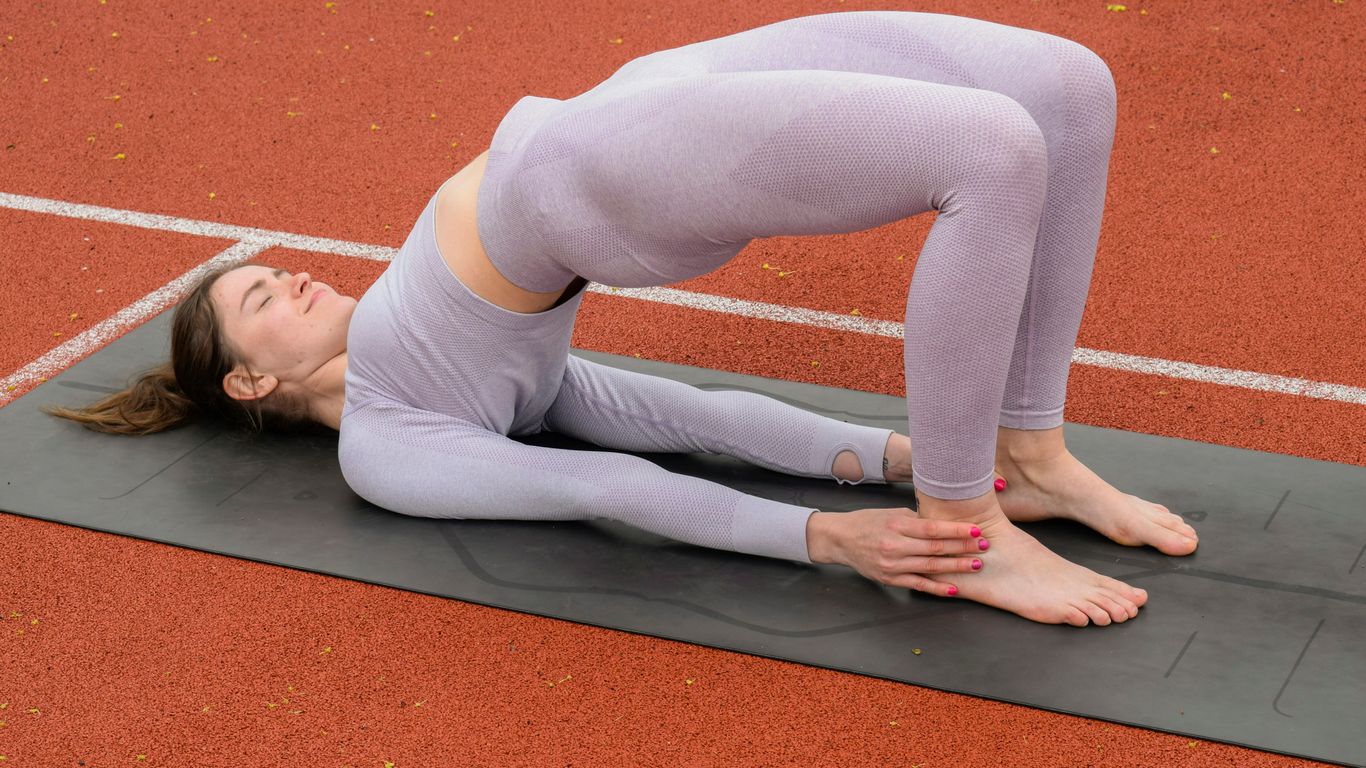
Forward bends show up a lot in yoga classes, and their names usually give away exactly what you’re doing in the shape. It’s honestly a bit like decoding a secret message for your body. These names are more than random labels—they're clues about what’s going on or which area of your body is stretching. Let’s break down what makes them special.
Paschimottanasana: The Intense Back Stretch
Paschimottanasana, often called Seated Forward Bend, is known for its deep stretch along the entire back side of the body.
- "Paschima" means west (back side of the body in yoga lingo) and "uttana" means intense stretch.
- It’s not about forcing your head to your knees. Think reaching your heart toward your toes, not yanking your forehead forward.
- It calms the mind, stretches hamstrings, and supports digestion.
Here’s a quick breakdown of the steps:
- Sit with legs straight out in front of you.
- Inhale, reach your arms up and lengthen your spine.
- Exhale, hinge at your hips and fold forward, reaching toward your feet.
Understanding the Action in Forward Fold Names
Forward bend names in Sanskrit usually tell you what’s happening physically. Here’s a simple table:
| Sanskrit Name | English Name | Focus Area |
|---|---|---|
| Paschimottanasana | Seated Forward Bend | Entire back body, hamstrings |
| Uttanasana | Standing Forward Bend | Spine, hamstrings, low back |
| Janu Sirsasana | Head-to-Knee Forward Bend | Side body, hamstrings |
- The meaning is pretty straightforward: fold, lengthen, or stretch something!
- Often, these names help you remember not just shapes, but the action and area of focus each time you step on your mat.
- The more familiar these words become, the less you have to look up or second-guess what to do.
The Philosophy Behind Reaching Forward
Forward bends aren’t really about touching your toes—seriously, nobody’s judging if you can’t!
- These postures are often used to slow down, stretch out tension, and pause for a moment.
- Folding inward helps you turn your awareness inside; it’s physically and mentally a chance to check in.
- The names invite you to think less about how you look and more about what you feel as you fold.
Forward bends remind you to be gentle with yourself. They offer a quick reset—stretching out the tension in your body and quieting your mind all at once.
Mastering Seated and Supine Yoga Positions and Names
Moving from standing poses, we now settle into the floor for seated and supine postures. These positions often focus on opening the body, calming the nervous system, or providing gentle stretches. The names here can be just as telling as those for standing poses, guiding you into the pose's essence.
Cobra Pose: Bhujangasana's Chest Opening
Bhujangasana, or Cobra Pose, is a classic backbend that opens up the chest and shoulders. The name itself, derived from the Sanskrit word for 'cobra' (bhujanga) and 'body' (asana), hints at the pose's characteristic shape – lifting the chest like a cobra rising. It's a pose that encourages you to lengthen the spine and breathe into the front of your body. This pose is fantastic for counteracting the effects of sitting too much.
Here's a quick look at what Bhujangasana offers:
- Chest and Shoulder Opening: Helps to create space across the front of the body.
- Spinal Strength: Gently strengthens the muscles along the spine.
- Energy Boost: Can be invigorating and help to combat fatigue.
The Meaning in Seated Posture Names
Seated poses often have names that describe their position or the action involved. For example, Paschimottanasana, the Seated Forward Bend, literally means 'Westward Intense Stretch' (Paschima meaning west or back, Uttana meaning intense stretch). The 'west' is sometimes interpreted as the direction of the setting sun, symbolizing introspection or a turning inward. This name clearly points to the deep stretch you experience along the back of your body. Other seated poses might be named after sages or simple descriptions of the leg position, like Sukhasana (Easy Pose).
Finding Calm in Supine Asana Names
Supine poses, where you lie on your back, are often about release and relaxation. Think of Savasana (Corpse Pose), the ultimate resting pose, named for its stillness and surrender. Even poses that involve gentle twists or leg lifts on your back have names that suggest ease or a specific action. Understanding these names can help you approach these poses with the right intention, whether it's for deep rest or a gentle stretch. You can find a Yoga Posture Guide that details many of these poses and their benefits.
The names of yoga poses are more than just labels; they are invitations. They offer clues about the physical shape, the energetic intention, and the historical context of each posture. By paying attention to the names, you can deepen your connection to the practice and gain a richer appreciation for the wisdom embedded within the tradition.
The Art of Naming: Iyengar's Approach to Yoga Positions and Names
B.K.S. Iyengar really changed how many people thought about yoga poses. For him, the name of an asana wasn't just a label; it was like a set of instructions. He believed that if you understood the Sanskrit name, you'd automatically get a clearer picture of how to do the pose and why you were doing it. It made the whole practice feel less like a guessing game and more like an intelligent exploration. It gave students a way to approach new poses with a framework for understanding.
Precise Naming for Precise Alignment
Iyengar was all about getting things just right. He felt that the exact wording of a pose's name gave you clues about its structure and the intended physical action. It wasn't enough to just mimic a shape; you had to understand the mechanics behind it, and the name was the first step. He’d often break down the Sanskrit components to show how they related to the body's alignment. This detailed breakdown helps you understand that you need to actively extend through your limbs to create those distinct angles, rather than just getting into a basic shape.
Breaking Down Sanskrit Components for Clarity
Think of it like this: a name like Utthita Trikonasana isn't just 'Triangle Pose'. Iyengar would point out that 'Utthita' means extended, 'Tri' means three, 'Kona' means angle, and 'Asana' means pose. So, it's an 'Extended Three-Angle Pose'. This helps you understand that you need to actively extend through your limbs to create those distinct angles, rather than just getting into a basic triangle shape. It’s a direct link between the name and the physical experience.
Here's how some common names break down:
| Pose Name | Sanskrit Meaning | English Meaning |
|---|---|---|
| Tadasana | Tada (Mountain) + Asana | Mountain Pose |
| Vrksasana | Vrksa (Tree) + Asana | Tree Pose |
| Virabhadrasana | Vir (Hero) + Bhadra (Auspicious) + Asana | Warrior Pose |
Making Practice Intelligent Through Nomenclature
When you hear a Sanskrit name in class, it's often a clue to the pose's intention. Knowing this can help you embody the pose more fully. It’s about understanding what each name tells you about the pose itself. This connection helps you embody the pose more fully. Learning these names can really deepen your practice, giving you a better sense of what each pose is about. It’s like getting a little hint about the pose’s purpose just from its name. The clarity provided by the Sanskrit names, when properly understood, acts as a guide, revealing the pose's purpose and the correct way to inhabit it.
Iyengar believed that knowing the name was a gateway to understanding the pose's mechanics and its benefits. For example, he would break down the components of a Sanskrit name to explain the posture's structure and purpose, making the practice more accessible and intelligent.
Integrating Yoga Positions and Names Into Your Practice
So, you've been getting a handle on all those yoga pose names, both the English ones and the Sanskrit. That's awesome! But how do you actually make this knowledge work for you, day to day? It's more than just memorizing a list; it's about letting the names add a little something extra to your time on the mat.
Enhancing Personal Practice with Pose Meanings
Think about it like this: when you know that 'Virabhadrasana' means 'Warrior Pose,' does that change how you stand in it? Maybe it makes you feel a bit stronger, a bit more focused. Or when you're in 'Tadasana,' knowing it's 'Mountain Pose' can help you feel more grounded and steady. It's like having a little secret key that unlocks a deeper feeling in the pose. Instead of just going through the motions, you can connect with the intention behind the name. It makes the whole experience feel more thoughtful, you know?
Sharing Knowledge of Yoga Positions and Names
Once you feel good about the names yourself, you might find yourself wanting to share that with others. Maybe you're practicing with a friend, and instead of just saying 'let's do a forward fold,' you could say, 'Let's try Uttanasana.' It's not about being fancy; it's about sharing something you find interesting. Explaining that 'Vrksasana' is 'Tree Pose' can help someone visualize standing tall and balanced. These little bits of info can make yoga feel more accessible and engaging for everyone.
Creating Themed Sequences with Asana Names
This is where things get really fun. Once you're comfortable with the names, you can start building your own yoga sessions around themes. It's a great way to make your practice feel fresh and focused. You could create a 'Strength' sequence using the different Warrior poses, or a 'Calm' sequence with poses like 'Balasana' (Child's Pose). It gives your practice a clear direction and makes planning it a creative process.
Here’s a quick idea for a themed sequence:
| Theme | Poses |
|---|---|
| Grounding | Tadasana, Adho Mukha Svanasana |
| Heart Opening | Bhujangasana, Ustrasana |
| Stability | Virabhadrasana II, Utthita Trikonasana |
Using the names and meanings isn't about showing off. It's about connecting more deeply with the practice, honoring its history, and making the physical movements more meaningful. It turns your yoga time into a richer, more thoughtful experience.
Wrapping It Up
So, we've gone through a bunch of yoga poses and their names. It's pretty cool how these names, often from Sanskrit, aren't just labels but actually give you clues about how to do the pose and what it's supposed to feel like. Knowing that Tadasana means Mountain Pose, for example, helps you stand taller and feel more stable. It's not about memorizing a long list, but more about letting the names guide your body and mind. Hopefully, this guide has made learning these names feel less like a chore and more like an interesting part of your yoga journey. Keep practicing, keep exploring, and don't be afraid to say the names out loud – it really does make a difference.
Frequently Asked Questions
Why do yoga poses have names in Sanskrit?
Many yoga poses have names in Sanskrit, an ancient language, because yoga originated in India. These names often describe what the pose looks like, what it feels like, or what it's inspired by, like nature or ancient stories. Learning the names helps you understand the pose's purpose and connect more deeply with your practice.
How do the names of yoga poses help my practice?
The names of yoga poses, called asanas, are like little clues. For example, 'Tadasana' means 'Mountain Pose,' which reminds you to stand tall and feel strong. 'Vrksasana' means 'Tree Pose,' suggesting you should feel balanced and rooted. Understanding these meanings can guide your body and mind, making your practice more focused and meaningful.
What's the difference between a Sanskrit name and an English name for a yoga pose?
The Sanskrit name is the original name, often telling a story or describing the pose's form. The English name is a translation or a common nickname, like 'Mountain Pose' for Tadasana. While the English name gives you a basic idea, the Sanskrit name often holds more detail and historical meaning.
Are there specific yoga poses that are good for beginners?
Yes, absolutely! Beginner poses focus on helping you feel stable and relaxed. Poses like Tadasana (Mountain Pose) help you learn to stand strong, while gentle stretches and simple seated poses help you get comfortable. The names of these poses are usually straightforward and relate to simple actions or shapes.
How can learning yoga pose names make my practice better?
Knowing the names and their meanings can make your yoga practice richer. Instead of just doing a shape, you can embody the feeling or idea behind the name. For instance, when you do Warrior Pose (Virabhadrasana), thinking of a strong warrior can help you feel more powerful and steady. It turns your physical workout into a more mindful experience.
Is it important to learn all the Sanskrit names for yoga poses?
It's not strictly necessary to memorize every single Sanskrit name, but learning them can definitely enhance your understanding and appreciation of yoga. It connects you to the tradition and often provides deeper insight into the pose's intention. Start with common ones, and you'll find it makes your practice more interesting and rewarding.


