

Mastering Yoga Positions: A Comprehensive Guide for All Levels
So, you want to get better at yoga, huh? It's more than just bending and stretching; it's about really feeling what your body is doing and connecting it to your breath. We'll walk through different yoga positions and poses, from the super simple ones to the really challenging ones. Whether you're a total newbie or you've been on the mat for a while, there's always something new to learn about these movements. Let's figure out how to make these yoga positions and poses work for you.
Key Takeaways
- Yoga positions, or asanas, help balance your body and mind.
- Beginner yoga positions focus on relaxation and stability.
- Intermediate yoga positions challenge your strength and flexibility.
- Advanced yoga positions require significant strength, focus, and patience.
- Practicing different yoga positions regularly can improve your strength, flexibility, and focus.
Foundational Yoga Positions For Beginners
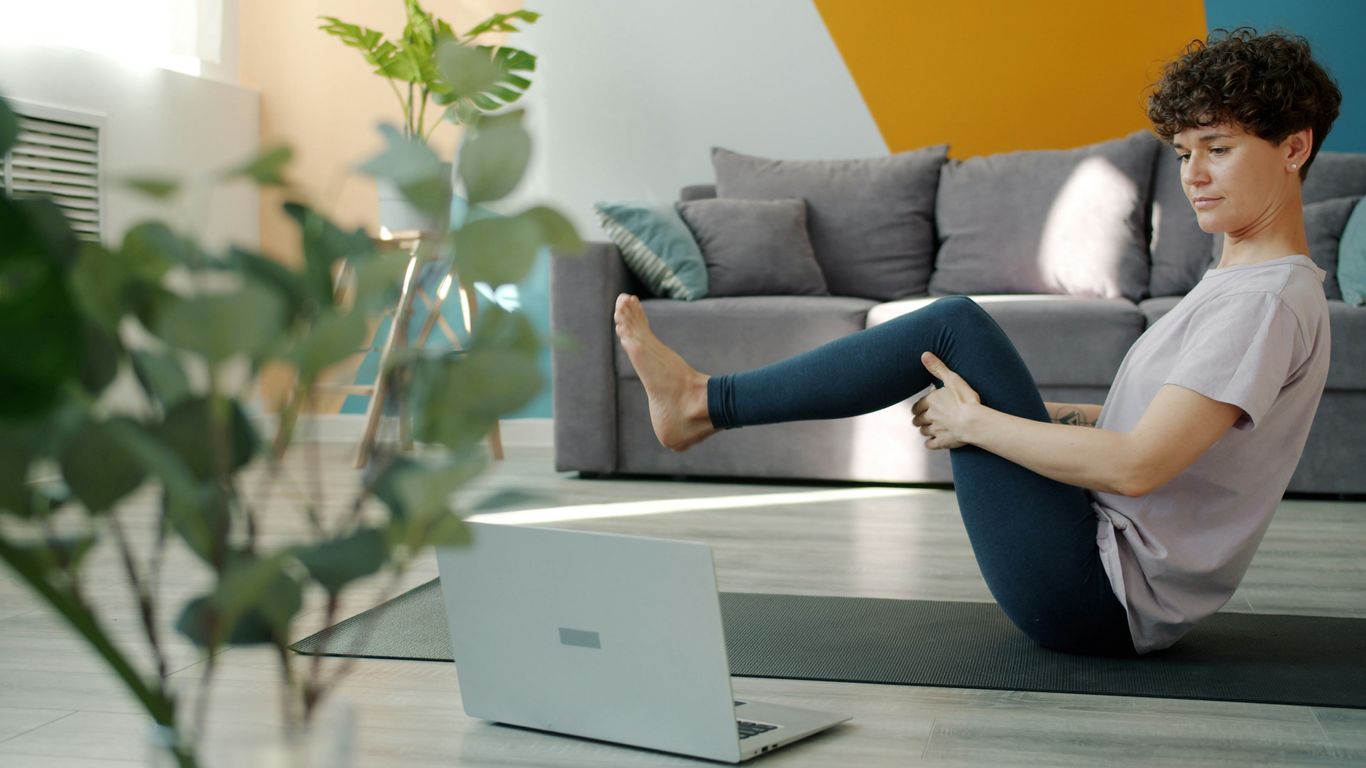
Starting yoga can feel a bit like learning a new language, but focusing on the basics is a smart way to build confidence and get a feel for what it's all about. These initial postures are really designed to help you settle in, find your balance, and start to connect with your breath. It’s not about doing them perfectly right away, but more about exploring and moving gently. Think of these as your yoga building blocks.
Standing Poses For Strength And Balance
Standing poses are fantastic for building a strong base. They help you connect with the earth and develop stability, which is useful both on and off the mat. When you stand tall and steady, you start to feel more confident. These poses work your legs, engage your core, and improve your posture. They're like a gentle workout that makes you feel more capable. Mountain Pose (Tadasana) is the starting point for so many standing poses. It teaches you to stand with awareness, grounding yourself through your feet and lengthening your spine. It’s simple, but getting it right makes a big difference. Other great standing poses to explore include Warrior II (Virabhadrasana II), which builds leg strength and opens hips, and Triangle Pose (Trikonasana), which stretches the sides of your body and works on balance. Getting a good feel for these can really help you feel more grounded.
Seated Poses For Flexibility And Calm
Once you've found your footing, seated poses invite a sense of calm and deeper stretching. They're perfect for slowing down and working on flexibility in the hips, spine, and hamstrings. These postures often encourage a more introspective practice, helping you to quiet the mind. Easy Pose (Sukhasana), the name says it all, is a great way to start any seated practice, focusing on an upright spine and relaxed shoulders. Seated Forward Bend (Paschimottanasana) is a pose that stretches the entire back body, from your heels to your head, and is good for releasing tension. Bound Angle Pose (Baddha Konasana) gently opens the hips and inner thighs by bringing the soles of your feet together.
These basic yoga positions, sometimes called asanas, are the bedrock of your practice. They help build strength, improve how flexible you are, and make you more aware of your own body. Getting these right helps you understand how you move and where you are in space, which is super helpful for preventing injuries as you try more complex moves later on.
Exploring Intermediate Yoga Positions
So, you've moved past the beginner poses and are feeling ready for a bit more challenge. That's fantastic! Intermediate yoga is where you start to really build on that foundation, finding new depths in your practice. It's less about just getting into a shape and more about how you feel in it, how you breathe, and what you learn about yourself along the way. Think of it as leveling up your connection with your body and mind.
Balancing Poses For Core Strength
Balancing poses are a great way to really wake up your core and improve your focus. It's not just about staying upright; it's about finding that steady point within yourself. When you're balancing, you're engaging those deep muscles that support your spine and learning to stabilize your body. This can lead to better posture and a more centered feeling, even when you're off the mat. It's a workout for your mind as much as your body.
Here are a few intermediate balancing poses to try:
- Warrior III (Virabhadrasana III): Standing on one leg, you extend the other straight back, arms reaching forward. This requires concentration and leg strength.
- Half Moon Pose (Ardha Chandrasana): Balancing on one foot and one hand, with the opposite leg and arm reaching up and out. It opens the hips and chest.
- Eagle Pose (Garudasana): Wrapping your arms and legs around each other. This tests balance and concentration, working the shoulders and hips.
Practicing these poses regularly can significantly improve your coordination and help you find a sense of calm amidst movement.
Building Strength And Endurance Through Poses
Intermediate yoga isn't just about flexibility; it's also about building strength and endurance. These poses often ask you to hold positions for longer, engaging multiple muscle groups. This builds physical strength and mental resilience. It's like training your body to handle more, both on and off the mat. You can find more about different yoga postures in a Yoga Posture Guide.
Here's a look at some poses and the muscles they work:
| Pose | Muscles Targeted |
|---|---|
| Plank Pose | Core, shoulders, arms |
| Chaturanga | Chest, triceps, core |
| Warrior Poses | Legs, glutes, core, shoulders |
| Bridge Pose | Glutes, hamstrings, back |
It's about finding that balance between effort and ease, pushing yourself without going too far. Always listen to your body and modify poses as needed.
Advanced Yoga Positions For Mastery
Alright, you've been at this yoga thing for a while now, and you're feeling pretty good about the poses you know. Maybe you're even looking for the next big challenge. That's where advanced yoga positions come in. These aren't your everyday stretches; they demand a serious commitment to your practice, asking for a lot of strength, balance, and mental focus. But the payoff? It's huge. You build a resilience that goes way beyond the mat.
Deep Backbends For Spinal Health And Opening
Deep backbends are where you really start to explore the flexibility and strength of your spine. If you sit a lot, these poses can feel like a breath of fresh air, opening up the front of your body and counteracting that tendency to hunch forward. It's like giving your spine a good stretch in the opposite direction it usually goes.
- Wheel Pose (Urdhva Dhanurasana): This one is a classic. It strengthens your arms, legs, and back while really opening up your chest and shoulders. It takes a good amount of preparation, so make sure you're warmed up.
- Bow Pose (Dhanurasana): Here, you'll lie on your stomach and reach back to grab your ankles, lifting your chest and thighs off the floor. It's fantastic for stretching the entire front of your body and can really help with posture.
- Camel Pose (Ustrasana): Kneeling, you'll place your hands on your lower back or heels and arch back. This pose is great for opening the hips and chest, and it can help ease tension in the back.
Remember, with deep backbends, it's all about lengthening your spine first before you think about going deeper into the bend. Breath is your best friend here, helping you find space and support.
Approaching deep backbends requires patience and a mindful approach. It's not about forcing yourself into a shape, but rather allowing your body to open gradually with each breath. Focus on creating space in your chest and shoulders, and let your spine follow.
Advanced Balancing Poses
Balancing is one thing, but holding complex shapes while balancing is a whole other ballgame. These advanced poses require not just physical strength but also a really steady mind. You're not just trying not to fall; you're holding intricate forms that test your equilibrium.
- Firefly Pose (Tittibhasana): This arm balance involves lifting your body off the ground by placing your hands under your hips and extending your legs forward. It builds a lot of strength in your arms, wrists, and core.
- Peacock Pose (Mayurasana): Similar to Firefly, but you place your hands on the mat with fingers pointing back, elbows tucked into your belly, and then lift your body. It's known for its detoxifying effects and core strengthening.
- Side Crow Pose (Parsva Bakasana): This pose challenges your balance and core strength by twisting your torso and placing your hands on the mat, lifting your legs. It really works those oblique muscles.
Mastering these advanced poses is a journey, not a destination. It's about consistent practice and celebrating the progress, no matter how small.
Understanding The Importance Of Yoga Positions
Yoga positions, or asanas, are more than just shapes your body makes on the mat. They're the physical tools that help you connect with yourself on a deeper level. Think of them as the foundation for everything else you experience in yoga, from feeling more relaxed to building physical strength. Getting these right isn't just about looking good; it's about making sure you're practicing safely and getting the most out of your time on the mat.
Alignment Awareness
Paying attention to how you position your body in each pose is super important. It's not just about getting into the shape, but doing it in a way that supports your body. When your alignment is good, you're less likely to strain something and more likely to feel the pose working the way it's supposed to. It's like building a house – you need a solid base, or things can get wobbly.
Here's a quick look at why alignment matters:
- Injury Prevention: Proper alignment helps protect your joints and muscles from unnecessary stress.
- Pose Effectiveness: When you're aligned correctly, the pose can do its job better, whether that's stretching a muscle or building stability.
- Body Knowledge: Focusing on alignment teaches you a lot about your own body – where you're tight, where you're strong, and where you might need a little more attention.
Confidence Building
As you start to feel more comfortable and stable in the basic yoga positions, you'll naturally start to feel more confident. It's a gradual process. You might start with simple poses and then, before you know it, you're trying something a bit more challenging. This growing confidence isn't just for yoga; it can spill over into other parts of your life too. You learn that you can tackle things that seem a little intimidating at first.
Mind-Body Connection
This is where yoga really shines. The positions are designed to bring your attention inward. As you hold a pose, you're encouraged to notice your breath, how your muscles feel, and what thoughts are floating through your mind. It's about creating a conversation between your physical self and your mental self. This connection helps you become more present and less caught up in worries about the past or future.
The practice of yoga positions is a way to train your attention. By focusing on the physical sensations and your breath, you learn to quiet the mental chatter and become more aware of the here and now. This skill is incredibly useful for managing stress and simply feeling more grounded in your day-to-day life.
Here are some ways different types of poses can influence this connection:
- Standing Poses: These often help you feel more grounded and steady, which can lead to a clearer mind.
- Seated Poses: These are great for introspection and can help calm the nervous system, making it easier to focus inward.
- Gentle Stretches: Releasing tension in the body can often lead to a release of mental tension too.
Key Yoga Positions For All Levels
Some yoga positions are just universally good, no matter if you're just starting out or have been doing yoga for years. These are the poses that build a strong foundation, offering benefits that everyone can feel. Think of them as the reliable friends in your yoga journey – always there to support you.
Mountain Pose
Mountain Pose, or Tadasana, is the starting point for so many standing poses. It teaches you to stand with awareness, grounding yourself through your feet and lengthening your spine. It’s simple, but getting it right makes a big difference. To do it, stand with your feet together or hip-width apart, distribute your weight evenly, and lengthen your spine. Your arms can hang by your sides, palms facing forward. This pose is all about finding your center and standing tall.
Warrior Poses
The Warrior poses are fantastic for building strength and confidence. They work your legs, engage your core, and open up your hips and chest. There are a few variations, but they all encourage a sense of power and stability.
- Warrior I (Virabhadrasana I): Step one foot back, turning it out slightly. Bend your front knee over your ankle and raise your arms overhead, keeping your hips square to the front. This builds leg strength and opens the chest.
- Warrior II (Virabhadrasana II): From Warrior I, open your hips to the side, so your front heel aligns with your back arch. Extend your arms parallel to the floor, gazing over your front fingertips. This pose builds stamina and opens the hips and shoulders.
- Warrior III (Virabhadrasana III): This is a balancing pose. Stand on one leg, extending the other straight back while hinging at your hips. Your torso and lifted leg should form a straight line, parallel to the floor. Arms can extend forward, out to the sides, or back.
Triangle Pose
Triangle Pose, or Trikonasana, is a wonderful pose for stretching the sides of your body, opening your chest, and working on your balance. It’s a great way to create space and lengthen your spine.
To get into Triangle Pose, start in a wide stance, similar to Warrior II, but with your legs straight. Turn your front foot out and your back foot in slightly. Hinge at your front hip, reaching your front hand down towards your shin, ankle, or the floor. Extend your top arm straight up towards the ceiling, stacking your shoulders. Gaze upwards if comfortable for your neck. This pose stretches your hamstrings, groins, and hips while opening your chest and shoulders.
Practicing these foundational poses regularly can help improve your overall stability, flexibility, and body awareness. They are accessible to most people and provide a solid base for exploring more complex postures as your practice grows.
Keep Practicing, Keep Growing
So, that's a wrap on our yoga pose adventure. Remember, whether you're just starting out or you've been doing this for a while, the most important thing is to just keep showing up on your mat. Yoga isn't about being perfect; it's about showing up for yourself, listening to your body, and finding what feels good. Each pose, from the simplest Mountain Pose to the most challenging inversions, is a chance to learn something new about yourself. Don't get discouraged if a pose doesn't feel right today – maybe it will tomorrow. Just keep breathing, keep moving, and enjoy the journey. Your body and mind will thank you for it.
Frequently Asked Questions
What are the basic yoga poses for someone just starting out?
For beginners, it's good to start with simple poses like Mountain Pose (Tadasana) to learn how to stand tall and balanced, Easy Pose (Sukhasana) for a comfortable seated position, and Downward-Facing Dog (Adho Mukha Svanasana) to stretch your whole body. These poses help you get a feel for yoga without being too difficult.
How do yoga poses help with strength and balance?
Many yoga poses, especially standing ones like Warrior poses or Triangle Pose, build strength in your legs and core. Balancing poses, such as Warrior III or Half Moon Pose, challenge your stability, which in turn strengthens the muscles that keep you steady. This practice helps you feel more grounded and confident.
Are advanced yoga poses really necessary?
Advanced poses aren't required for everyone, but they offer deeper challenges for those looking to grow. Poses like deep backbends or complex balancing acts can greatly improve spinal health, build significant strength, and boost mental focus. They are a way to explore your body's capabilities further.
What's the point of focusing on alignment in yoga?
Paying attention to how you position your body, or alignment, is super important in yoga. It helps you get the most benefit from each pose, makes your practice safer by preventing injuries, and helps you understand your body better. Good alignment is the foundation for everything else you do in yoga.
Can yoga poses really help reduce stress?
Absolutely! Many yoga poses, especially seated ones and gentle stretches, help calm your nervous system. The focus on breathing and being present in the pose helps quiet your mind, making it a great way to relax and let go of daily worries.
How often should I practice yoga poses to see results?
Consistency is key! Even practicing for 15-20 minutes a few times a week can make a difference. More frequent practice, like daily sessions, will help you build strength, flexibility, and focus more quickly. Listen to your body and find a rhythm that works for you.

