Mastering Yoga Poses and Positions: A Comprehensive Guide for All Levels
So, you want to get better at yoga, huh? It's more than just bending and stretching; it's about really feeling what your body is doing and connecting it to your breath. We'll walk through different yoga poses and positions, from the super simple ones to the really challenging ones. Whether you're a total newbie or you've been on the mat for a while, there's always something new to learn about these movements. Let's figure out how to make these yoga poses and positions work for you.
Key Takeaways
- Yoga poses, or asanas, help balance your body and mind.
- Many yoga pose names come from Sanskrit and describe the pose's shape or purpose.
- Beginner yoga poses focus on relaxation and stability.
- More advanced yoga poses challenge your strength and flexibility.
- Practicing different yoga poses regularly can improve your strength, flexibility, and focus.
Understanding the Foundation of Yoga Poses and Positions
Yoga is way more than just bending and stretching; it's about linking your mind and body together. The physical postures, called asanas, are the tools we use to get there. Each one has a purpose, whether it's to help you calm down, get energized, or just focus better. It's pretty neat how these movements are designed to make you feel good all over.
The Significance of Asanas in Yoga
Asanas are the physical part of yoga, but they're not the whole story. They're meant to prepare your body and mind for deeper stuff, like meditation. Think of them as a way to build strength, get more flexible, and find your balance. When you do them regularly, you start to feel more centered and aware. It’s about creating a connection between what you’re doing and how you’re feeling.
Decoding Sanskrit Names and Their Meanings
Ever wonder about those names like "Tadasana" or "Vrksasana"? They come from Sanskrit, an old language from India, and they usually tell you something about the pose. "Tadasana" means Mountain Pose, which makes sense because it’s all about standing tall and feeling stable. "Vrksasana" is Tree Pose, and you can probably guess why! Learning these names isn't just memorizing; it's like getting a little hint about what the pose is supposed to feel like or what it looks like. It really adds another layer to your yoga practice.
Connecting Mind, Body, and Spirit Through Poses
Yoga is all about bringing everything together – your thoughts, your feelings, and your physical self. Different poses can affect you in different ways:
- Standing Poses: These help you feel strong and steady, and they can really sharpen your focus.
- Seated Poses: Great for winding down, these encourage you to relax and look inward.
- Inversions: Flipping upside down can give you a boost of energy and help you feel more confident.
- Twists: These are good for your insides, helping to clear things out and make you feel more mobile.
It's about finding that sweet spot where your physical and mental states are in sync. It's a journey, not a destination, and every pose is a step along the way.
When you practice yoga, you start to notice how your body feels and how your mind reacts. It’s a way to get to know yourself better, one pose at a time. It’s a journey, not a destination, and every pose is a step along the way.
Foundational Yoga Poses and Positions for Beginners
Starting yoga can feel a bit daunting, but focusing on foundational poses is a great way to build confidence and get a feel for the practice. These initial postures are designed to help you settle in, find your balance, and begin to connect with your breath. They're not about perfection, but about exploration and gentle movement. Think of these as your yoga building blocks.
Seated Poses for Relaxation and Inner Peace
Seated positions are perfect for beginners because they help you slow down and tune into your body. They're excellent for calming the nervous system and preparing your mind for deeper focus. It’s a good idea to sit on a cushion or folded blanket if your hips feel tight, which can help keep your spine long.
- Easy Pose (Sukhasana): This is your go-to cross-legged position. Just sit comfortably, perhaps with a slight forward tilt of your pelvis, and let your shoulders relax down. It’s a simple way to start feeling grounded.
- Bound Angle Pose (Baddha Konasana): Bring the soles of your feet together and let your knees fall out to the sides. You can hold your feet or ankles. This pose gently opens the hips and inner thighs.
- Staff Pose (Dandasana): Sit with your legs extended straight in front of you. Press your hands into the floor beside your hips, lengthen your spine, and imagine standing tall even though you're seated. This pose builds awareness of your posture.
These initial seated postures are about finding stillness and comfort. Focus on maintaining a straight spine and breathing smoothly. Don't worry if your knees are high; the goal is to feel a gentle stretch, not strain.
Standing Poses for Stability and Focus
Standing poses are where you really start to build strength and improve your sense of balance. They help you feel more connected to the earth and can be quite energizing. Holding these poses requires a bit of concentration, which naturally sharpens your focus.
- Mountain Pose (Tadasana): This is the starting point for many standing sequences. Stand with your feet together or hip-width apart, distribute your weight evenly, and lengthen your spine. Imagine a string pulling you up from the crown of your head. It’s a pose that teaches you how to stand tall with presence.
- Warrior II (Virabhadrasana II): Step your feet wide apart, turn one foot out, and bend the front knee over your ankle. Extend your arms parallel to the floor, gazing over your front fingertips. This pose builds leg strength and opens the hips.
- Triangle Pose (Trikonasana): From a standing position, step your feet apart. Straighten your front leg, then hinge at your hip, reaching your front hand down towards your shin, ankle, or a block, and extending your top arm towards the ceiling. This pose stretches the sides of your body and hamstrings.
Gentle Stretches to Enhance Flexibility
Flexibility is a journey, and these gentle stretches are designed to help you move more freely over time. They help release tension that can build up in the muscles and joints. It’s important to move into stretches slowly and without forcing anything.
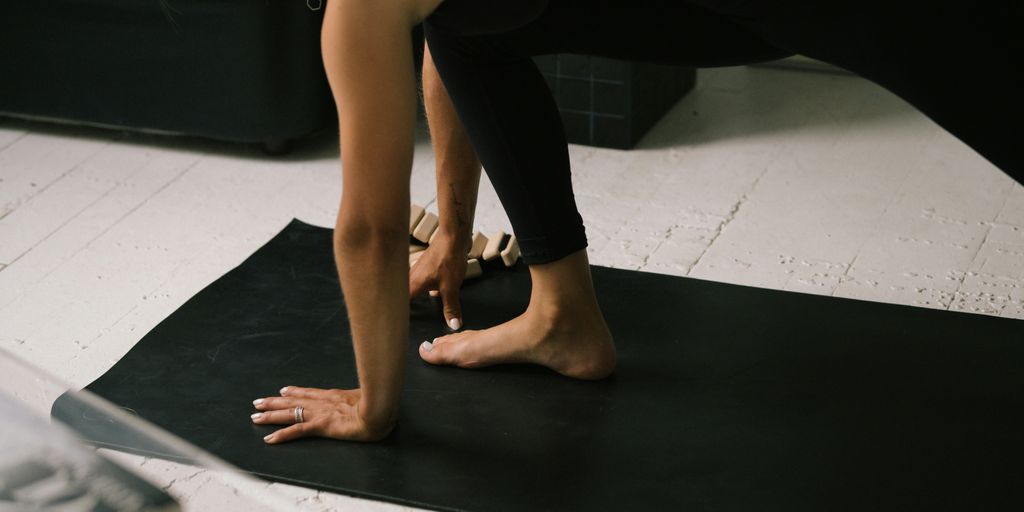
- Downward-Facing Dog (Adho Mukha Svanasana): Start on your hands and knees, then lift your hips up and back, forming an inverted V-shape. You can keep your knees bent if your hamstrings are tight. This pose stretches your entire back body, from your heels to your hands.
- Cat-Cow Stretch (Marjaryasana-Bitilasana): On your hands and knees, inhale as you drop your belly and lift your gaze (Cow pose), and exhale as you round your spine and tuck your chin (Cat pose). This flowing movement warms up the spine and improves spinal mobility.
- Standing Forward Fold (Uttanasana): From Mountain Pose, hinge at your hips and let your torso fold forward. You can keep your knees generously bent here. Let your head hang heavy. This pose releases tension in the back of your body. You can find more about standing and seated postures here.
Intermediate Yoga Poses and Positions for Progression
Moving into intermediate yoga means you're ready to explore poses that ask a bit more from your body and mind. It’s about building on that beginner foundation and finding new levels of stability, flexibility, and inner focus. Think of it as leveling up your practice, not just physically, but also in how you connect with yourself.
Balancing Poses to Cultivate Focus
Balancing poses are where things start to get interesting! They're not just about standing on one leg; they're about finding your center, both physically and mentally. These poses really test your concentration and core strength. Think of it as a workout for your mind as much as your body. A good example is Warrior III (Virabhadrasana III). It's a tough one, requiring leg strength, core engagement, and serious focus. Regular practice can improve your posture and coordination. It's all about finding that sweet spot where you're challenged but not overwhelmed. Practicing these can really help you find your center, both on and off the mat. You can find some great examples of these poses in a yoga pose guide.
Twisting Poses for Detoxification and Mobility
Twisting poses are great because they do more than just stretch you out. They can help counteract the effects of sitting all day. They're like a gentle massage for your internal organs. When you twist, you're essentially squeezing and releasing, which can aid in digestion and elimination. Plus, they're really good for your spine, improving flexibility and mobility. Here are a few to consider:
- Seated Spinal Twist (Ardha Matsyendrasana): A classic twist that's accessible to most levels.
- Revolved Triangle Pose (Parivrtta Trikonasana): A deeper twist that also challenges your balance.
- Revolved Side Angle Pose (Parivrtta Parsvakonasana): This one really opens up your chest and shoulders.
Twisting poses are not just about flexibility; they also help detoxify your body. They're a great way to release tension and improve circulation. It's like hitting the reset button for your body.
Building Strength and Endurance Through Poses
Intermediate yoga isn't just about flexibility; it's also about building strength and endurance. These poses require you to hold positions for longer periods, engaging multiple muscle groups at once. This not only builds physical strength but also mental resilience. Think of it as training your body to handle more, both on and off the mat. Bow Pose (Dhanurasana) is a great example of a pose that builds strength and endurance.
Here's a quick look at some poses and the muscles they target:
| Pose |
|---|
| Plank Pose |
| Chaturanga |
| Warrior Poses |
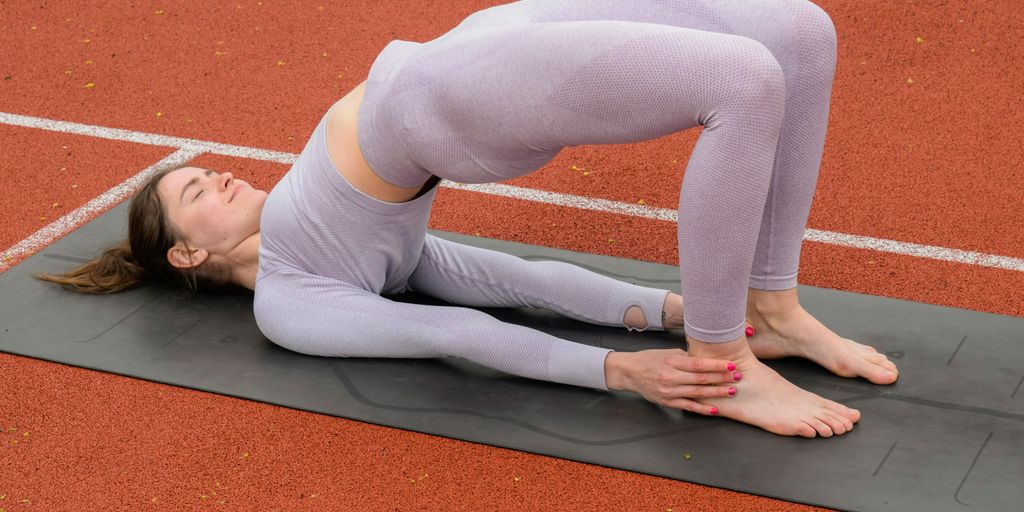
| Bridge Pose |
| Muscles Targeted |
|---|
| Core, shoulders, arms |
| Chest, triceps, core |
| Legs, glutes, core, shoulders |
| Glutes, hamstrings, back muscles |
It's all about finding that balance between effort and ease, pushing yourself without overdoing it. Remember to listen to your body and modify as needed.
Advanced Yoga Poses and Positions for Mastery
Ready to really push your limits? This section is all about those advanced poses that take serious dedication and strength. We're talking about the ones that make you feel like you've conquered something big. It’s not just about showing off, though; these postures are fantastic for building resilience and a deep sense of self-awareness. They challenge your body and mind in ways that intermediate poses just can't.
Deep Backbends for Spinal Health and Opening
Deep backbends are incredible for your spine, opening up your chest and shoulders. If you spend a lot of time sitting, these can feel like a revelation. They help counteract that forward hunch and bring a sense of spaciousness to your torso. Remember to warm up thoroughly before attempting these, focusing on your breath to support the movement.
- Wheel Pose (Urdhva Dhanurasana): A classic full-backbend that strengthens your legs, arms, and spine while opening your chest.
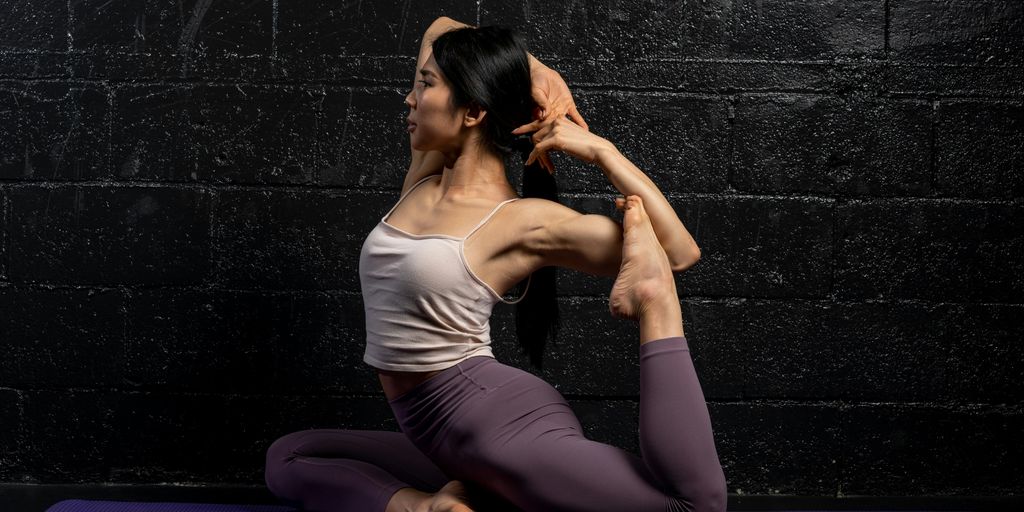
- King Pigeon Pose (Kapotasana): This pose deeply stretches the hips, thighs, and shoulders, and can also help improve lung capacity.
- Bow Pose (Dhanurasana): Stretches the entire front of your body, from the chest and abdomen to the thighs, promoting a feeling of expansion.
These poses require patience and consistent practice. Focus on the breath to guide you into the pose, rather than forcing yourself.
Challenging Inversions for Strength and Confidence
Inversions flip your perspective, literally! They require significant upper body and core strength, plus a good dose of courage. Getting upside down can be a powerful way to build confidence and improve your body awareness. It's a great way to see how stable your shoulders are and how well your core is working. Mastering these can really change how you feel about your physical capabilities. Check out some of the most difficult yoga poses to get a better idea of what's involved.
- Handstand (Adho Mukha Vrksasana): Builds whole-body strength, improves balance, and strengthens the upper body.
- Forearm Stand (Pincha Mayurasana): Tests shoulder stability and core engagement, offering a different kind of balance challenge.
- Scorpion Pose (Vrschikasana): Combines a backbend with an inversion, demanding flexibility, strength, and control.
Arm Balances for Ultimate Strength and Focus
Arm balances are the pinnacle for many yogis, demanding a strong core, steady arms, and a focused mind. They truly test your ability to stay present and balanced. Holding these poses requires a deep connection between your breath and your movements. It's about finding that point of stillness even when you're defying gravity. These poses are excellent for building wrist and arm strength, as well as improving your sense of equilibrium.
- Firefly Pose (Tittibhasana): Strengthens arms, wrists, and the lower back, while also improving balance.
- Peacock Pose (Mayurasana): Known for its detoxifying benefits, this pose requires a strong core and stable wrists.
- Side Crow Pose (Parsva Bakasana): Works your obliques and tests your balance in a unique way.
Integrating Breath and Awareness into Yoga Poses
The Role of Breath Control During Asanas
Breathing is way more than just getting air in and out. It's like a superpower for focus and keeping steady during yoga. When your breath syncs up with your moves, it makes a rhythm that helps your body slide into poses easier. Always try to breathe through your nose when you're doing asanas. It's like your nose is a filter, cleaning and warming the air before it hits your lungs.
- Inhale deeply to prepare for a pose.
- Exhale slowly as you move into it.
- Maintain a steady breath throughout the hold.
Staying focused on your breath during yoga isn’t just a technique—it’s a way to ground yourself. When your breath is calm, your mind tends to follow, and things feel a bit more manageable. It's like hitting the reset button for your brain. This connection is key to a truly mindful yoga practice, helping you connect with your body on a deeper level. You can find more about mindful yoga and its benefits at mindful yoga programs.
Cultivating Mindfulness in Every Pose
Yoga isn't just about nailing the poses; it's about being present in your body and noticing how each movement feels. It's about breath control and awareness. When you move mindfully, you're not just going through the motions. You're actually paying attention to what's happening in your body and mind. This can help you avoid injuries and get more out of your practice.
- Focus on the sensations in your muscles.
- Notice any tension or discomfort.
- Adjust your pose as needed to find comfort.
By focusing on your breath and body, you can quiet the mental chatter and connect with your inner self. It's like giving your brain a vacation. Regular practice can lead to a greater sense of calm, balance, and well-being. It's not a quick fix, but over time, it can make a real difference.
Creating a Sustainable Yoga Practice
So, you've been practicing, maybe you're getting the hang of a few poses, and you're feeling good. That's awesome! But how do you keep this going, you know, make it a real part of your life without it feeling like another chore? It's all about making it work for you. Consistency beats intensity every time. Even just 15-20 minutes a day can make a huge difference. Think of it like watering a plant; a little bit regularly keeps it alive and thriving.
Modifying Poses to Suit Your Unique Body
Look, your body isn't the same as the person next to you, or that super flexible person you see online. And that's perfectly okay. Yoga is about meeting yourself where you are right now. If a pose feels like it's going to cause pain, don't push it. Seriously, back off. Props like blocks or straps are your friends. They're not cheating; they're smart tools to help you get into a pose safely and effectively. It's way better to do a modified version of a pose correctly than to force yourself into something that could lead to an injury. Remember, this is your practice, your body, and you get to decide what feels right.
Establishing a Consistent Practice Routine
Finding a time that actually works is key. Maybe it's the first thing in the morning before the day gets crazy, or perhaps a quiet moment before bed. Setting a reminder on your phone can be surprisingly helpful. Don't get discouraged if you miss a day; just get back on your mat the next. It's also good to mix things up. Some days you might want a flowing sequence, other days just focusing on some seated poses for relaxation is exactly what you need. Don't be afraid to explore different styles of yoga too, like Hatha or Vinyasa, to see what clicks with your energy levels and preferences. Finding a style that you genuinely enjoy makes sticking with it so much easier. You can find more about balancing your practice with breath awareness at a balanced yoga practice.
Yoga isn't about perfection; it's about showing up for yourself and honoring your journey. It's about creating a space to connect with your body, breath, and inner self, day after day.
Keep Practicing, Keep Growing
So, you've explored a bunch of yoga poses, from the simple seated ones to the more challenging inversions. Remember, yoga is a journey, not a race. It's totally okay if some poses feel tricky at first. The real win is showing up for yourself, even for just a few minutes each day. Listen to your body, don't be afraid to use props, and find what feels good for you. Keep moving, keep breathing, and enjoy the process of getting stronger and more flexible, one pose at a time. Your mat is always there, waiting for you.
Frequently Asked Questions
What are yoga poses and why are they important?
Yoga poses, also called asanas, are specific body positions. They help you connect your mind and body, get stronger, and feel more relaxed. Each pose has a special job, like helping you stretch or making you feel steady.
Why do yoga poses have Sanskrit names?
Many yoga poses have names from Sanskrit, an old language from India. These names often tell you what the pose looks like or what it's supposed to do. For example, 'Tadasana' means 'Mountain Pose,' which helps you stand tall and strong like a mountain.
What are some good yoga poses for beginners?
If you're new to yoga, try simple poses like Easy Pose (sitting with crossed legs), Mountain Pose (standing up straight), and Cat-Cow (moving your back like a cat and then a cow). These help you get used to yoga and build a good start.
Can yoga poses help me build muscle and strength?
Yes, yoga can definitely make you stronger! Poses like Warrior III, which helps with balance and leg strength, and Plank Pose, which works your core, are great for building muscles. Practicing regularly will make your body much stronger over time.
How does breathing help with yoga poses?
Breathing is really important in yoga! It helps you focus, relax, and move into poses more easily. When you breathe deeply and smoothly, it calms your mind and helps your body stretch more. Always try to breathe through your nose during your practice.
How can I make yoga poses a regular part of my daily routine?
To make yoga a regular part of your life, try to practice a little bit each day, even if it's just for 15 minutes. You can also change poses to fit what your body needs, and don't be afraid to try different types of yoga until you find one you like. The main thing is to keep practicing!