

Mastering Yoga Pose and Names: A Comprehensive Guide for All Levels
Yoga is a practice that connects your body, mind, and spirit. Getting the poses right, or asanas, is a big part of feeling the benefits. This guide is all about yoga pose and names, helping you understand them better, no matter where you are in your yoga journey. We'll look at the basics, some common poses, and how knowing the names can actually make your practice more meaningful. So, let's get ready to explore your mat.
Key Takeaways
- Learning yoga pose and names helps you connect more deeply with your practice.
- Many Sanskrit yoga pose names describe the shape, action, or feeling of the pose.
- Foundational poses are important for building stability and relaxation.
- Understanding pose names can add intention and meaning to your movements.
- Regular practice of various yoga poses improves strength, flexibility, and focus.
Understanding The Roots Of Yoga Pose And Names
Decoding Sanskrit Naming Conventions
Ever wonder why yoga poses have those unique, sometimes tricky-to-pronounce names? Most of them come from Sanskrit, an ancient language from India. These aren't just random words; they often give you a direct clue about what the pose looks like, what it's supposed to feel like, or what it's inspired by. Think of it like a secret code that unlocks a deeper layer of your practice. Learning these naming patterns is like getting a backstage pass to yoga's history and traditions.
- Shape Clues: Many names describe the physical form. For example, Vrksasana (Tree Pose) immediately brings to mind a tree, right? That helps you visualize standing tall and balanced.
- Animal Mimicry: Some poses are named after animals, like Adho Mukha Svanasana (Downward-Facing Dog). This helps you understand the posture's alignment and movement.
- Action or Feeling: Other names point to the action or the feeling the pose is meant to evoke, like Virabhadrasana (Warrior Pose), suggesting strength and steadiness.
The Essence Of Yoga Asana Names
Yoga is way more than just stretching and holding shapes. It's about connecting your mind, your breath, and your body. The names of the poses, or asanas, are a big part of this connection. They're not just labels; they're like little invitations to explore the pose more fully. When you know what a name means, it gives you a hint about the intention behind the movement. This understanding can transform a simple physical exercise into a more meaningful experience.
Knowing the name of a pose is like having a small story or a visual cue that guides you. It helps you embody the pose, not just perform it. It’s a way to honor the ancient wisdom embedded in the practice.
Connecting With The Practice Through Names
So, how do you actually use this knowledge? It's pretty simple, really. The next time you're in a pose, take a moment to recall its name and meaning. If you're in Tadasana (Mountain Pose), really try to feel grounded and stable, like a mountain. If you're working on Vrksasana (Tree Pose), focus on finding that steady balance, imagining your feet as roots. This simple act of connecting the name to the physical sensation can make your practice feel much richer and more personal. It’s about making each movement intentional and aware.
Mastering Foundational Yoga Pose And Names
Beginner Yoga Poses For Stability And Relaxation
Starting your yoga journey means getting comfortable with the basics. These initial poses are all about building a solid foundation, both physically and mentally. They're designed to help you feel stable, calm, and connected to your breath. Think of them as the building blocks for everything else you'll explore on the mat.
- Mountain Pose (Tadasana): This is your starting point for many standing poses. Stand tall, feet hip-width apart or together, and feel your connection to the ground. It's about presence and uprightness.
- Downward-Facing Dog (Adho Mukha Svanasana): A pose that stretches your whole body. It builds strength in your arms and legs while lengthening your spine. It's often used as a resting pose too.
- Child's Pose (Balasana): A gentle resting pose that encourages inward focus and relaxation. It's perfect for taking a break and reconnecting with your breath.
Decoding Sanskrit Names And Their Meanings
Many yoga poses have names that come from Sanskrit, an ancient Indian language. These names aren't just labels; they often describe the pose's shape, the action involved, or the feeling it's meant to evoke. Learning these meanings can really deepen your connection to the practice. It's like getting a little hint about what your body is supposed to do and feel.
Here's a look at how some names relate to the pose:
| Sanskrit Name | English Translation | Key Characteristic |
|---|---|---|
| Tadasana | Mountain Pose | Grounded, upright |
| Vrksasana | Tree Pose | Balance, rooted |
| Paschimottanasana | Seated Forward Bend | Intense back stretch |
| Bhujangasana | Cobra Pose | Chest opening, spinal arch |
Understanding the Sanskrit names adds another layer to your practice. It's not just about memorizing words; it's about appreciating the wisdom embedded in the tradition.
Connecting Mind, Body, And Spirit Through Poses
Yoga is more than just physical movement. When you practice these foundational poses, you're also working with your mind and spirit. The focus on breath, the awareness of your body's sensations, and the intention behind each pose all work together. This integration is what makes yoga a holistic practice. By paying attention to both the physical form and the internal experience, you start to build a stronger connection between your mind, body, and spirit. It's a journey of self-discovery that begins with these simple, yet powerful, poses.
Exploring Standing Yoga Pose And Names
Nature-Inspired Standing Poses
Standing poses are often the first ones we learn, and many of them draw inspiration from the natural world. Think about Tadasana, which translates to Mountain Pose. When you stand in Tadasana, the idea is to feel as solid and unmoving as a mountain. It’s about grounding yourself, feeling your feet connect with the earth, and standing tall with a sense of quiet strength. Another common one is Vrksasana, or Tree Pose. This pose asks you to balance on one leg, much like a tree stands firm with its roots deep in the ground. The name itself gives you a clear image to work with – imagine your standing leg as the trunk and your arms reaching up like branches.
- Tadasana (Mountain Pose): Focus on stability and an upright posture.
- Vrksasana (Tree Pose): Cultivate balance and a sense of being rooted.
- Utthita Trikonasana (Extended Triangle Pose): Emphasize an open, expansive feeling.
Warrior Poses And Their Significance
The Virabhadrasana series, commonly known as Warrior Poses, are a cornerstone of many yoga practices. These poses are named after Virabhadra, a fierce warrior from Hindu mythology. They are designed to build strength, stamina, and a sense of courage. There are several variations, each with a slightly different emphasis, but all share a common theme of power and determination. When you step into a Warrior pose, you're not just moving your body; you're embodying a spirit of resilience and focus. It’s about finding that inner strength and holding your ground with confidence.
| Sanskrit Name | English Translation | Key Focus |
|---|---|---|
| Virabhadrasana I | Warrior I | Strength, grounding |
| Virabhadrasana II | Warrior II | Power, openness |
| Virabhadrasana III | Warrior III | Balance, focus |
Balance And Rootedness In Standing Asanas
Many standing poses require a degree of balance, which is a skill that can be developed over time. The key is often found in the concept of rootedness – feeling connected to the ground beneath you. Even in poses that seem challenging, like standing on one leg, the foundation is in how well you engage your standing foot and leg. This connection to the earth provides a stable base from which you can then explore movement and expansion. It’s a reminder that even when reaching outwards or upwards, maintaining a strong connection to your base is what allows for stability and grace. The names of these poses often guide you toward this feeling of being both grounded and expansive.
Standing poses are more than just physical challenges; they are invitations to connect with the earth, build inner strength, and cultivate a steady mind. The names themselves act as cues, helping you embody the qualities associated with each posture.
Deepening Your Practice With Forward Bends And Names
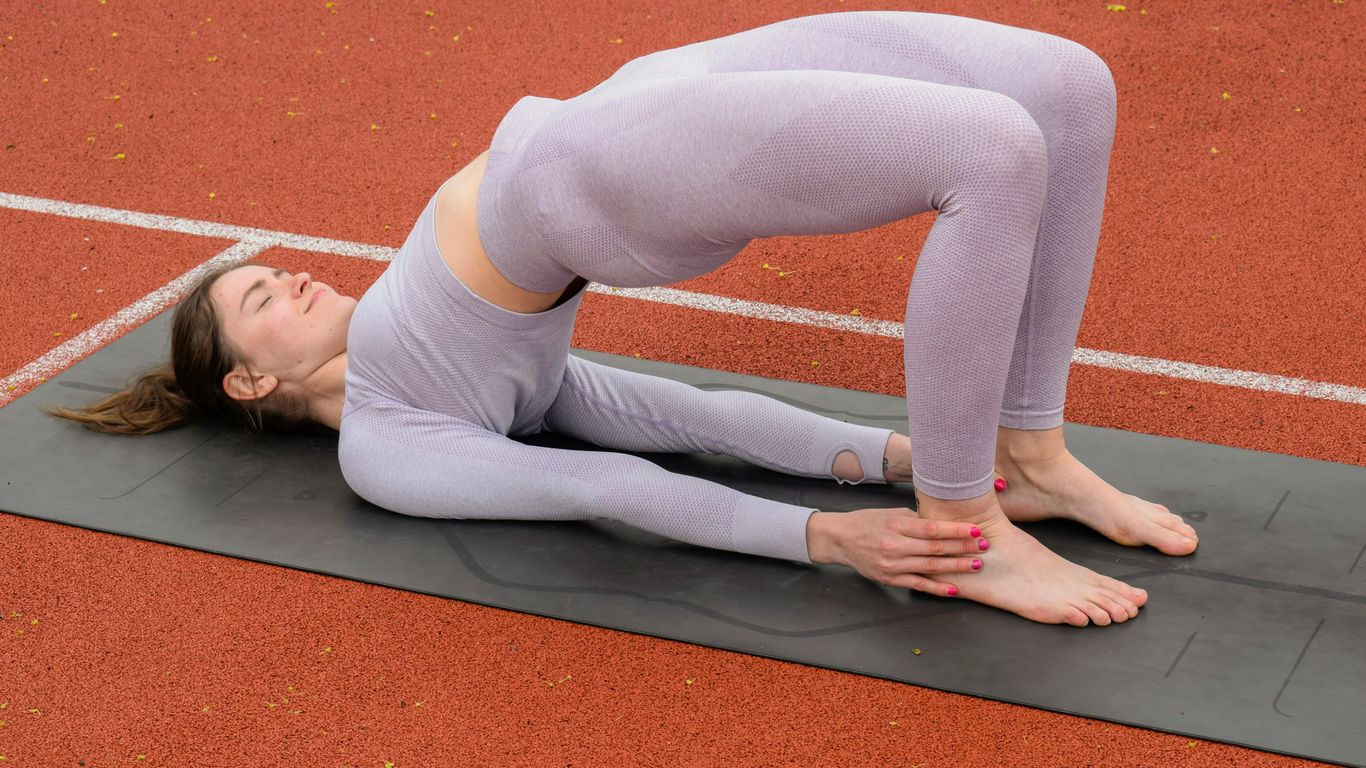
Forward bends are a really interesting part of yoga. They ask us to turn inward, to fold over ourselves, and it can feel both challenging and incredibly calming. It’s not just about touching your toes; it’s about what happens in your body and mind as you lean into the stretch. We often think of these poses as just for flexibility, but they do so much more. They can help settle your nervous system and give your back a good stretch, especially if you spend a lot of time sitting down.
Understanding Forward Fold Actions
When we talk about forward folds, we're really talking about a hinge at the hips. The goal is to lengthen the muscles along the back of your body, from your heels all the way up to your neck. It’s important to keep your spine long as you fold, rather than just rounding your back. Think about creating space between your vertebrae. This action helps to release tension and can be quite grounding. The name Paschimottanasana, for example, directly tells us about this intense stretch along the back of the body. It’s a pose that really invites you to be present with your physical sensations.
The Intensity Of Seated Forward Bends
Seated forward bends, like Paschimottanasana, are where many people really feel the stretch in their hamstrings and lower back. It’s easy to want to force yourself deeper, but that’s not really the point. Yoga is about listening to your body. A gentle, consistent stretch is far more beneficial than pushing too hard and risking injury. You might find that using a strap around your feet helps you maintain that long spine. Or maybe sitting on a cushion makes it easier to fold forward from the hips. It’s about finding what works for your body on any given day. These poses are great for calming the mind after a busy day, offering a moment of quiet reflection.
Integrating Forward Folds Into Your Routine
Adding forward folds to your regular yoga practice can bring a sense of calm and release. They are a wonderful way to counterbalance the effects of modern life, like sitting at a desk for hours. Here are a few ways to think about them:
- Start Gently: Begin with shorter holds and focus on your breath. Don't worry about how deep you go.
- Use Props: Straps, blocks, or cushions can make the poses more accessible and help you maintain good alignment.
- Listen to Your Body: Pay attention to any sensations and back off if you feel sharp pain. The goal is a stretch, not strain.
- Mindful Breathing: Coordinate your breath with the movement. Inhale to lengthen, exhale to fold a little deeper.
Forward bends are an invitation to turn your attention inward. They encourage a sense of surrender and can be a powerful way to release stored tension, both physical and emotional. It's a quiet practice that speaks volumes.
Unlocking The Power Of Backbends And Their Names
Backbends can feel intimidating, right? They ask us to move in a way that feels counter to our daily habits, which often involve hunching forward. But these poses are so good for us. They help open up the chest and shoulders, which can get tight from sitting at desks or looking at phones all day. Plus, they really work on strengthening the entire back of the body.
Chest Opening Poses
When we talk about backbends, chest opening is a big part of it. Think about poses that lift the sternum and broaden the collarbones. This action can feel really liberating. It's like giving your lungs more space to breathe.
- Bhujangasana (Cobra Pose): This is a classic. The name comes from the cobra's raised hood, and you can see the resemblance in how the chest lifts. It's a gentle way to start exploring backbends.
- Ustrasana (Camel Pose): This one is a bit more intense. It really targets the front of the body, stretching the quadriceps and hip flexors while opening the chest.
- Setu Bandhasana (Bridge Pose): Another great pose for opening the chest and strengthening the glutes and hamstrings. It's accessible for many levels.
Spinal Mobility And Strength
Backbends are fantastic for keeping the spine healthy and mobile. They encourage a natural curve in the spine, which is often lost in modern life. Regular practice can help alleviate some types of lower back discomfort. It's not about forcing a huge arch, but about moving the spine through its full range of motion safely.
Here's a look at how some names relate to the pose:
| Sanskrit Name | English Translation | Key Characteristic |
|---|---|---|
| Bhujangasana | Cobra Pose | Chest opening, spinal arch |
| Ustrasana | Camel Pose | Deep chest and quad stretch |
| Setu Bandhasana | Bridge Pose | Chest opening, back strength |
The Benefits Of Cobra Pose
Bhujangasana, or Cobra Pose, is a foundational backbend. It's named after the cobra because the lifted chest and head resemble the creature's raised hood. This pose is excellent for strengthening the muscles along the spine and opening the chest and shoulders. It can help improve posture and create a sense of energy. When you're in Cobra Pose, focus on pressing your pubic bone into the mat and lifting your chest forward, not just upward. It’s a subtle but important distinction that helps protect your lower back and get the most out of the pose. It's a great way to start building confidence in backbends, and you can find variations to suit your level. Learning the names helps you connect with the intention of each posture, making your practice more meaningful. For example, understanding the meaning behind Crow Pose can help you approach that arm balance with more intention.
Moving into backbends requires a mindful approach. It's about finding length in the spine before you create the arch. Think of it as creating space between each vertebra. This helps prevent compression and allows for a deeper, safer expression of the pose. Always listen to your body and don't push beyond your limits, especially when you're starting out.
Balancing Poses And Their Names
The Art Of Single-Leg Balance
Getting steady on one foot can feel like a big deal, right? It’s not just about not falling over; it’s about finding this quiet spot inside yourself. When you stand on one leg, your body has to work hard to keep you upright. Your ankles, knees, and hips all get a workout, and your core muscles have to engage to keep you stable. It’s like your body is having a little conversation, constantly making tiny adjustments to stay balanced. The names of these poses often point to things that are naturally steady, like a mountain or a tree. Think about Tadasana, or Mountain Pose. Even though it's a standing pose, it's the foundation for balance. It teaches you to feel grounded through your feet, even when you're just standing still. Then you move to something like Vrksasana, Tree Pose. The name itself tells you what to do – grow your roots, reach for the sky. It’s a beautiful way to connect with nature and find your own inner stillness.
Focus And Stability In Balancing Asanas
Balancing poses really ask you to pay attention. Your mind can’t be wandering off thinking about what’s for dinner or that email you forgot to send. You have to be present, right here, right now, on your mat. This focus is what helps you stay steady. When you’re trying to balance, your eyes often find a single point to look at, called a drishti. This helps to calm your mind and give your body a stable reference. It’s amazing how much steadier you feel when you’re not letting your thoughts run wild. The names of these poses often reflect this need for concentration and a steady gaze. They’re like little reminders to bring your awareness back to the present moment. It’s a practice within a practice, really – learning to balance your body while also balancing your mind.
Tree Pose And Its Meaning
Vrksasana, or Tree Pose, is a classic example of a balancing asana. It’s named after a tree, and the pose itself mimics how a tree stands strong and steady. You start by standing tall, like the trunk of a tree. Then, you bring the sole of one foot to your inner ankle, calf, or thigh (avoiding the knee joint). Your arms can reach up like branches, or you can bring your hands together at your heart. The idea is to feel rooted through your standing leg, while also reaching upwards. It’s about finding that sweet spot between being grounded and being expansive. Trees have deep roots that keep them stable, even in strong winds, and they also reach towards the sun. This pose teaches us to find that same kind of inner strength and flexibility. It’s a gentle reminder that even when things feel a bit wobbly, we can find our center and grow.
Here’s a quick look at how some balancing pose names relate to their practice:
- Vrksasana (Tree Pose): Named for its resemblance to a tree, emphasizing rootedness and upward growth.
- Garudasana (Eagle Pose): Named after the mythical eagle, requiring focus and a strong, intertwined posture.
- Natarajasana (Lord of the Dance Pose): Inspired by Shiva as the cosmic dancer, this pose demands significant balance, concentration, and grace.
Holding a balancing pose isn't just about physical strength; it's a mental game. Your ability to stay steady often depends on your mental quietude. When your mind is calm, your body tends to follow. It’s a direct link between your inner state and your outer stability.
Integrating Yoga Pose And Names Into Your Practice
So, you've been learning all these yoga pose names, and maybe you're wondering how to actually make them a bigger part of your regular yoga time. It's more than just saying the words, you know? It's about making your practice feel richer, more connected. Think about it: instead of just going through the motions, you can actually connect with the history and the feeling behind the name. It’s a way to be more present, really.
Learning The Meanings Behind The Names
Knowing the names is one thing, but understanding what they actually mean? That's where the magic happens. It's like knowing someone's name but not their story. When you learn that 'Virabhadrasana' is named after a fierce warrior, suddenly 'Warrior II' feels a lot more powerful, right? It adds a whole layer of intention to your movement. Understanding the Sanskrit roots of asana names can transform your yoga session from just exercise into a meaningful journey. It's about connecting with the history and the spirit of yoga.
Here's a quick look at how some names relate to the pose:
| Sanskrit Name | English Translation | Key Characteristic |
|---|---|---|
| Tadasana | Mountain Pose | Grounded, upright |
| Vrksasana | Tree Pose | Balance, rooted |
| Utthita Trikonasana | Extended Triangle | Open, expansive |
| Bhujangasana | Cobra Pose | Chest opening |
Using Sanskrit Names In Class
When you start using the Sanskrit names in your own practice, or maybe even if you lead a class someday, it can feel a bit strange at first. But honestly, most people appreciate it. It shows you've put in the effort to connect with the tradition. Try incorporating them naturally. Instead of just saying 'forward fold,' you could say, 'Let's move into Uttanasana.' It's a subtle way to deepen the experience for yourself and others. You might even find that teachers who use the Sanskrit names create a more immersive atmosphere. It’s a way to honor the origins of yoga.
Sharing Your Knowledge With Others
Once you start getting comfortable with the names and their meanings, you'll naturally want to share that. Maybe you're practicing with a friend, and you can explain why 'Trikonasana' is called 'Triangle Pose.' It's not about showing off; it's about sharing something you find enriching. You could even create little flashcards or a simple list of common poses and their meanings. It’s a great way to solidify your own learning too. Think about how much more engaging a yoga class is when the teacher not only guides you through the poses but also shares the stories and meanings behind them. You can be that person for others, making the practice more accessible and interesting.
The names are like little whispers from ancient yogis, guiding us toward a more integrated experience. They remind us that yoga is a holistic practice, touching on physical, mental, and even spiritual levels.
Keep Practicing, Keep Learning
So, we've gone over a bunch of yoga poses and their names, from the simple Mountain Pose to the more involved ones. Remember, it's not about getting every single Sanskrit word right away, or even looking exactly like the pictures. The real win is feeling more connected to your body and understanding what each movement is trying to do. Keep showing up on your mat, keep exploring those names, and you'll find your practice just keeps getting richer. Don't worry if you forget a name sometimes, just focus on the feeling and the breath. That's what yoga is all about, really.
Frequently Asked Questions
What are yoga pose names usually based on?
Most yoga pose names come from an old language called Sanskrit, which is from India. These names often describe what the pose looks like, like 'Mountain Pose' (Tadasana), or they might be named after animals, nature, or even characters from old stories. Knowing the name can give you a clue about how to do the pose and what it's supposed to feel like.
Why should I learn the names of yoga poses?
Learning the names helps you connect more deeply with your yoga practice. For example, 'Warrior Pose' (Virabhadrasana) reminds you to be strong and steady, while 'Tree Pose' (Vrksasana) encourages balance. It's like each name gives you a little hint about the feeling or goal of the pose, making your practice more meaningful.
Are there any good books to help learn yoga pose names?
Yes, a very famous and helpful book is 'Light on Yoga' by B.K.S. Iyengar. It explains many yoga poses with clear steps and shows how to use props like blankets or blocks to make poses easier. It's a great place to start learning about lots of poses and their names.
How can yoga pose names make my practice more fun?
You can make your yoga sessions more interesting by creating themes based on the pose names. For instance, you could do a 'strength' sequence with Warrior poses or a 'grounding' sequence with Mountain Pose and Tree Pose. This makes your practice more focused and enjoyable.
How can I connect the meaning of a pose's name to how I do it?
When you're in a pose, try to think about its name and what it means. If you're in 'Mountain Pose' (Tadasana), focus on feeling strong and stable like a mountain. If you're in 'Tree Pose' (Vrksasana), imagine your feet are roots and you're reaching for the sky. This makes your movements more intentional and connected.
Is it okay if I don't know all the Sanskrit names?
Absolutely! While knowing the Sanskrit names can add depth to your practice, it's not required. Many teachers use the English names, and the most important thing is how the pose feels in your body and the connection you build with yourself. As you practice more, you'll naturally pick up more names and their meanings.


