

Mastering Yoga Asanas: Names with Pictures for Every Pose
Yoga is more than just a workout; it's a way to connect with your body, mind, and spirit. Whether you're just starting out or have been practicing for a while, getting your poses right is key to feeling the full benefits. This guide will walk you through different yoga poses for every level, from beginner to advanced, and touch on how breathing and staying present tie it all together. So, let's get your mat ready and begin.
Key Takeaways
- Yoga poses, also known as asanas, help bring balance to your body and mind.
- Many yoga pose names come from Sanskrit and describe what the pose looks like or its purpose.
- Beginner yoga poses are designed for stability and relaxation.
- More challenging yoga poses help build strength and flexibility.
- Practicing various yoga poses regularly can improve your strength, flexibility, and focus.
Understanding Foundational Yoga Asanas
Beginner Yoga Poses For Stability
Starting your yoga journey means getting familiar with the basics. These initial poses are all about helping you find your footing, literally and figuratively. They're designed to build a solid base, making sure you feel steady and connected to the ground beneath you. Think of them as the building blocks for everything else you'll learn. The goal here isn't perfection, but gentle exploration and getting a feel for how your body moves.
When you're just beginning, focusing on these simpler postures helps you develop body awareness. You start to notice how you stand, how you balance, and how your breath moves with your body. This awareness is super important for preventing injuries as you get into more complex movements later on. It's also where you start to tune into your breath, which is a big part of yoga.
- Mountain Pose (Tadasana): This is your starting point for many standing poses. It teaches you to stand tall with your weight evenly distributed.
- Child's Pose (Balasana): A resting pose that offers a gentle stretch for the back and hips, promoting relaxation.
- Downward-Facing Dog (Adho Mukha Svanasana): While it might seem a bit more involved, it's a great way to stretch the hamstrings and calves and build upper body strength.
These initial postures are your first steps in learning to listen to your body. They teach you to be present with what you're feeling, without pushing too hard.
The Significance Of Asanas In Yoga
Yoga poses, or asanas, are more than just physical exercises. In the broader practice of yoga, they serve as a way to prepare the body and mind for deeper states of awareness and meditation. Each pose has a purpose, influencing not just your muscles and bones but also your energy and mental state. Many traditional yoga practices look at how these poses affect the body's subtle energy centers, aiming for a sense of balance and vitality.
Today, people practice asanas for all sorts of reasons – flexibility, strength, stress relief, or just to feel more connected. It's a practice that can be adapted to fit your life, whether you're looking for a gentle stretch or a more vigorous workout. Understanding the names of these poses, often from Sanskrit, can also give you a clue about what the pose looks like or what its intended effect is. For instance, Virabhadrasana I tells a story through its name and form.
Decoding Sanskrit Names And Their Meanings
Many yoga poses have names that come from Sanskrit, the ancient language of India. Learning these names can add another layer to your practice. Often, the name describes what the pose looks like or its main benefit. For example, 'Adho Mukha Svanasana' breaks down into 'downward-facing dog,' which is exactly what it looks like. 'Tadasana' means 'mountain pose,' highlighting its stable, upright nature.
Here's a quick look at how some names are formed:
- Adho: Downward
- Mukha: Face
- Svana: Dog
- Tada: Mountain
- Asana: Pose or posture
- Virabhadra: A warrior hero
Understanding these roots can make the poses more memorable and meaningful. It's like having a little secret code that helps you connect more deeply with the practice. You can find detailed breakdowns of many poses, including their Sanskrit names and benefits, in resources that cover a wide range of yoga asanas.
Essential Yoga Asanas Breakdown
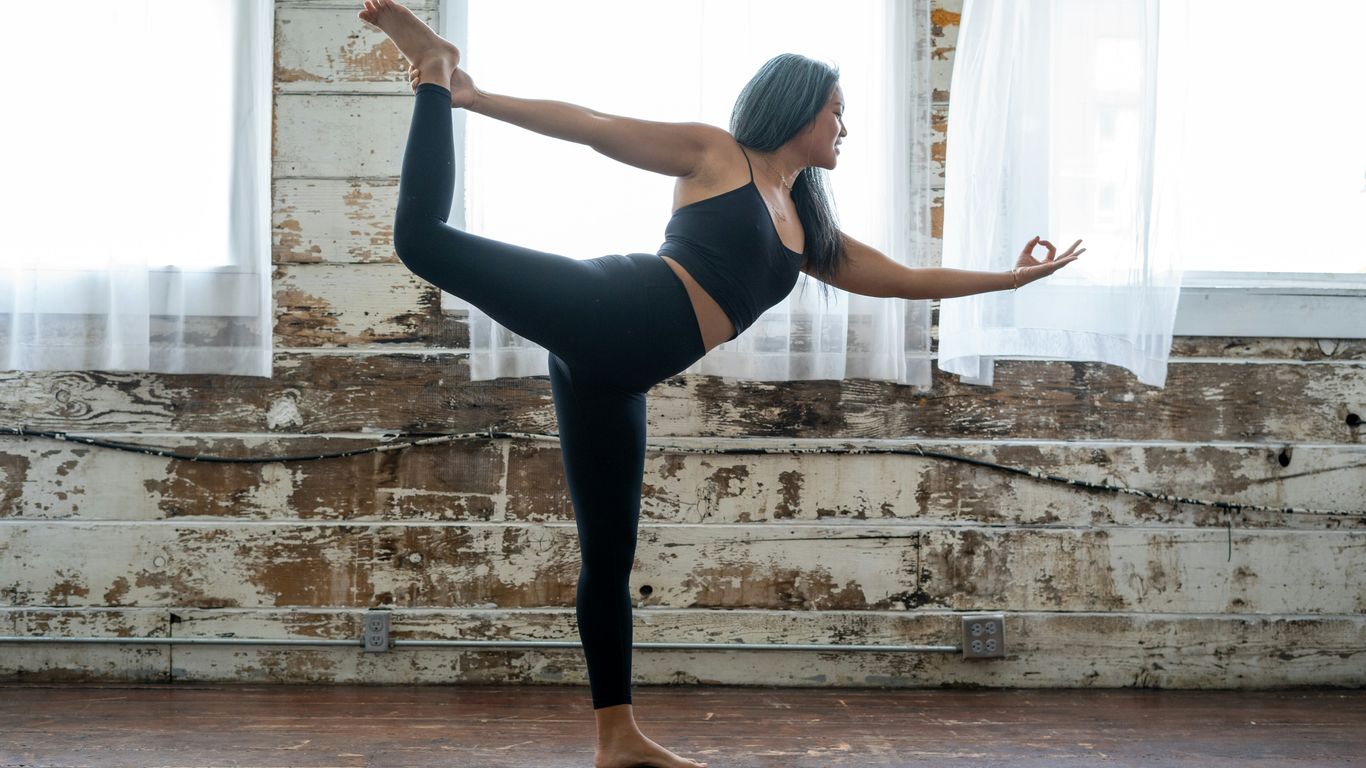
Breaking down the key asanas can make yoga feel less intimidating, helping you focus on progress—not perfection. Learning a handful of these postures gives you a solid routine that supports your body and calms your mind. Let’s look at four cornerstone poses you’ll find in almost every yoga class, with practical tips for each.
Mountain Pose (Tadasana)
Tadasana may look simple, but it’s the foundation for many standing poses. It teaches you what good posture actually feels like.
- Stand tall with feet together or hip-width apart.
- Weight even on both feet, arms relaxed by your sides.
- Lift through your chest, draw your shoulders back and down.
- Gaze forward, taking slow breaths.
When you really ground your feet in Tadasana, you set yourself up for better balance and less strain in all other poses.
Downward-Facing Dog (Adho Mukhasvanasana)
Adho Mukhasvanasana is a bit of everything: a stretch, a strength builder, and a moment of rest.
- Start on hands and knees, tuck your toes, and lift your hips high.
- Press your hands firmly into the mat, sending your hips up and back.
- Heels reach toward the floor (but don’t worry if they don’t touch).
- Let your head hang between your arms and breathe deeply.
Adding this classic posture to your routine helps stretch hamstrings and shoulders while building upper body strength. You can read more about it in this guide to foundational yoga poses.
Warrior I (Virabhadrasana I)
Warrior I channels your energy into strength and focus. It’s a real confidence booster, especially once you get the hang of it.
- Step one foot forward, bend your front knee to stack over your ankle.
- Keep your back leg straight and strong, heels aligned.
- Raise both arms overhead, palms facing each other.
- Square your hips forward and deepen your breath.
Quick tips:
- Keep your front knee aligned over the ankle.
- Avoid arching the lower back—pull your lower belly in.
- Sink into the pose with each exhale, but keep your torso lifted.
Child's Pose (Balasana)
Balasana offers a gentle break for your back, hips, and mind. It’s for resting and resetting at any point, not just at the end.
- Begin kneeling, touch big toes together, and sit back on your heels.
- Fold forward, resting your forehead on the mat.
- Stretch your arms in front, or let them relax by your sides.
- Breathe into your back, letting your whole body soften.
Sometimes, the simplest pose is the most comforting. Child’s Pose is the one you’ll return to whenever you need a pause.
A regular mix of these essential asanas helps you build strength, stability, and mindfulness. For more detailed instruction and videos, these pose breakdowns are a great next step when you want a deeper look at alignment and technique.
Connecting Mind, Body, And Spirit Through Poses
Yoga is really about bringing all the different parts of you together. It's not just about stretching or getting stronger, though those things happen. It's about creating a link between how you feel, what you're thinking, and what your body is doing. Different types of poses can affect you in different ways, helping you find a sense of wholeness.
Standing Poses For Grounding
When you stand tall in poses like Mountain Pose (Tadasana), you're not just holding yourself up. You're building a connection to the earth beneath you. This feeling of stability can really sharpen your concentration and make you feel more present. It's like planting your feet firmly in the world, which can be super helpful when things feel a bit shaky.
Seated Poses For Reflection
Poses where you sit, like Easy Pose (Sukhasana) or Staff Pose (Dandasana), are great for winding down. They encourage you to relax your body and turn your attention inward. This is a perfect time to just be with yourself, notice your thoughts without getting caught up in them, and find a sense of calm. It's a quiet space for introspection.
Inversions For Energy Boosts
Flipping upside down, even in simple inversions like Downward-Facing Dog (Adho Mukhasvanasana), can give you a surprising boost of energy. It shifts your perspective, literally and figuratively. Many people find that these poses help them feel more alert and even a bit more confident. It's a way to shake things up and bring a fresh feeling to your practice and your day. This practice can significantly reduce stress and anxiety [5182].
Yoga offers a way to bring balance to your body and mind. Many pose names come from Sanskrit and describe what the pose looks like or its purpose. Beginner poses are designed for stability, while more challenging ones build strength and flexibility. Practicing regularly can improve your strength, flexibility, and focus.
Here's a quick look at how different poses can influence your practice:
- Standing Poses: Help you feel steady and sharpen concentration.
- Seated Poses: Encourage relaxation and looking inward.
- Inversions: Can provide an energy boost and increase confidence.
By paying attention to how each type of pose makes you feel, you start to understand the deeper connection yoga creates between your mind, body, and spirit [5fe6].
Intermediate Yoga Asanas To Enhance Practice
So, you've been doing yoga for a bit, and the basic poses feel pretty comfortable. That's great! Now it's time to explore some poses that ask a little more from you, really building on that foundation you've worked hard to create. These aren't about showing off, but about finding new depths of strength, flexibility, and that calm space within yourself.
Balancing Poses For Core Strength
Balancing poses are where things start to get really interesting. They're not just about standing on one leg without wobbling; they're about finding your center, both physically and mentally. These poses really test your concentration and your core muscles. Think of it as a workout for your mind as much as your body. A great example is Warrior III (Virabhadrasana III). It's a tough one, requiring leg strength, core engagement, and serious focus. Regular practice can improve your posture and coordination. It's all about finding that sweet spot where you're challenged but not overwhelmed. Practicing these can really help you find your center, both on and off the mat. You can explore different yoga poses for balance to see what works for you.
Twisting Poses For Spinal Mobility
Twisting poses are fantastic because they do more than just stretch you out. They can help counteract the effects of sitting all day, which most of us do way too much of. They're like a gentle massage for your internal organs. When you twist, you're essentially squeezing and releasing, which can aid in digestion and elimination. Plus, they're really good for your spine, improving flexibility and mobility. Here are a few to consider:
- Seated Spinal Twist (Ardha Matsyendrasana): A classic twist that's accessible to most levels.
- Revolved Triangle Pose (Parivrtta Trikonasana): A deeper twist that also challenges your balance.
- Revolved Side Angle Pose (Parivrtta Parsvakonasana): This one really opens up your chest and shoulders.
Twisting poses are not just about flexibility; they also help detoxify your body. They're a great way to release tension and improve circulation. It's like hitting the reset button for your body.
Backbends For Chest Opening
Backbends are wonderful for opening up the front of your body, which often gets compressed from daily activities like sitting at a desk or looking at phones. Poses like Cobra Pose (Bhujangasana) or Upward-Facing Dog (Urdhva Mukha Svanasana) help to strengthen the back muscles while creating space across the chest and shoulders. This can lead to improved posture and a greater sense of openness, both physically and emotionally. Remember to move into backbends with care, focusing on lengthening the spine rather than just arching it. It's a gradual process, and listening to your body is key. You can find a variety of yoga poses to enhance flexibility that include backbending movements.
Mastering Yoga Asanas With Pictures
So, you've got the names and pictures down, and you're ready to get on the mat. That's awesome! But how do you actually make these poses work for you without feeling like you're going to fall over or pull something? It's all about being smart with your practice. Think of it like learning to cook – you need the right tools and a good sense of what you're doing.
Using Props For Better Alignment
Props aren't just for people who are new to yoga. Even folks who've been doing this for years use them to really get into the details of a pose. Blocks, straps, and even blankets can be like helpful little assistants. For example, if you're doing Triangle Pose and your hand doesn't quite reach the floor, putting a block under it can help you keep your body in a nice, straight line without feeling all strained. Straps are great for poses where you need a bit more reach, like a Seated Forward Bend. They let you focus on lengthening your spine instead of just trying to yank yourself into the stretch. The idea is to use these things to help you understand the pose better, not to cheat your way through it. You can find a wide variety of yoga poses that can be modified with props.
Listening To Your Body's Limits
Your body is pretty good at sending you signals about what it can and can't do. Really pay attention to how you feel when you're in a pose. A little bit of stretch or effort is normal, but if you feel a sharp pain, that's your cue to ease up or change things. Don't feel like you have to do exactly what the picture shows if it doesn't feel right for you on that particular day. It's easy to look at others or at photos and feel like you're not measuring up, but yoga is your own path. If a pose feels like too much, it's totally fine to take a break in Child's Pose and then try again later. You'll naturally get stronger and more flexible over time.
Practicing Consistency Over Perfection
Yoga is really about the journey of figuring things out, not about hitting some perfect pose. Celebrate the small wins and just enjoy learning what your body can do. Remember, the goal isn't to achieve a flawless form immediately, but to build a sustainable practice. Focusing on how the poses make you feel, rather than just how they look, is key. This mindful approach can lead to significant physical benefits over time.
It's easy to get caught up in the visual aspect of yoga, comparing your poses to images or other practitioners. However, the true essence of mastering asanas lies in the internal experience – the breath, the sensation, and the quiet awareness that arises from consistent, mindful effort. True progress is measured not by perfection, but by presence.
Cultivating Mindfulness In Every Yoga Asana
Yoga is more than just moving your body through different shapes. It's about paying attention to what's happening right now, both inside you and around you. When you're on your mat, really try to notice the small things. This practice helps you connect with yourself on a deeper level, making your time on the mat more meaningful.
The Role Of Breath In Yoga Poses
Your breath is your constant companion in yoga. It's the rhythm that guides your movements and calms your mind. Focusing on your breath is like giving your brain a gentle anchor. When you inhale, feel your body expand. As you exhale, let go of any tension you might be holding. This steady, conscious breathing helps you stay present and can make even challenging poses feel more manageable. It's a simple yet powerful tool for staying grounded during your practice. You can find some great ways to integrate breathwork into your routine by looking into mindful yoga practices.
Focusing On Sensations During Practice
As you move through each pose, take a moment to really feel what's happening in your body. Where do you feel the stretch? Is there any tightness? Are your muscles working? Don't judge these sensations, just observe them. Noticing these physical feelings helps you understand your body better and can guide you in making small adjustments to find more ease. It's about being curious about your physical experience.
Tips For Practicing Yoga Poses
Here are a few pointers to help you bring more awareness to your yoga practice:
- Breathe through your nose: This helps warm and filter the air, promoting a smoother breath.
- Notice your surroundings: Be aware of the sounds, smells, and temperature around you without getting lost in thought.
- Check your alignment: Gently adjust your body to find a stable and comfortable position in each pose.
- Be kind to yourself: Some days will feel easier than others. That's perfectly okay.
Yoga is a journey of self-discovery, and mindfulness is the map. By paying attention to your breath and the sensations in your body, you can transform your physical practice into a moving meditation. This mindful approach can bring a sense of calm and clarity that extends far beyond the yoga mat, helping you approach your day with more presence and peace.
Remember, consistency is more important than perfection. Even a short, mindful practice can make a difference. You might find that starting your day with a mindful vinyasa flow sets a positive tone for everything that follows.
Keep Practicing!
So, that's a look at some yoga poses, from the simple ones to the ones that make you think a bit more. Remember, yoga is really about showing up for yourself, day after day. It's not about being perfect or looking like the pictures right away. Just keep getting on your mat, breathing, and moving. You'll start to notice changes, not just in your body, but in how you feel overall. Be patient with yourself, listen to what your body needs, and enjoy the process. Happy practicing!
Frequently Asked Questions
What are yoga poses, and why do they have special names?
Yoga poses, called 'asanas,' are like special movements that help you feel good in your body and mind. Many of them have names from an old language called Sanskrit, which often describe what the pose looks like or what it's supposed to do. For example, 'Tadasana' means Mountain Pose because you stand tall and steady like a mountain.
What are some easy yoga poses for someone just starting out?
Great beginner poses include Mountain Pose (Tadasana) for standing tall and feeling balanced, Child's Pose (Balasana) for a nice rest and stretch, and Downward Dog (Adho Mukha Svanasana) to stretch your whole body and build a little arm strength.
Can I use things like blocks or straps to help me in yoga poses?
Absolutely! Yoga props like blocks, straps, and blankets are super helpful. They can make poses easier to do right and help you stretch safely. They're like tools to help you get the most out of each pose, no matter how experienced you are.
How do I know if I'm doing a yoga pose correctly or if I'm pushing myself too hard?
The most important thing is to listen to your body. It's normal to feel a stretch or a bit of effort, but if you feel a sharp pain, it's time to ease up or change the pose. Yoga is about what feels right for you, not about being perfect or comparing yourself to others.
Why is breathing so important when doing yoga poses?
Breathing is a huge part of yoga! Try to breathe slowly and smoothly through your nose during your poses. Focusing on your breath helps you stay calm, centered, and connected to your body. It's like a secret ingredient that makes yoga feel even better and helps you focus.
How often should I practice yoga to see results?
Consistency is more important than how long you practice each time. Even a few short sessions a week can make a big difference. It's better to do a little bit regularly than to do a long session once in a while. Listen to your body and find a rhythm that works for you.

