
Mastering Yoga: A Comprehensive Guide to Poses with Names and Pictures
Yoga is more than just a workout; it's a way to connect with your body, mind, and spirit. Whether you're just starting out or have been practicing for a while, getting your poses right is key to feeling the full benefits. This guide will walk you through different yoga poses for every level, from beginner to advanced, and touch on how breathing and staying present tie it all together. So, let's get your mat ready and begin.
Key Takeaways
- Yoga poses, also known as asanas, help bring balance to your body and mind.
- Many yoga pose names come from Sanskrit and describe what the pose looks like or its purpose.
- Beginner yoga poses are designed for stability and relaxation.
- More challenging yoga poses help build strength and flexibility.
- Practicing various yoga poses regularly can improve your strength, flexibility, and focus.
Understanding Foundational Yoga Poses With Names And Pictures
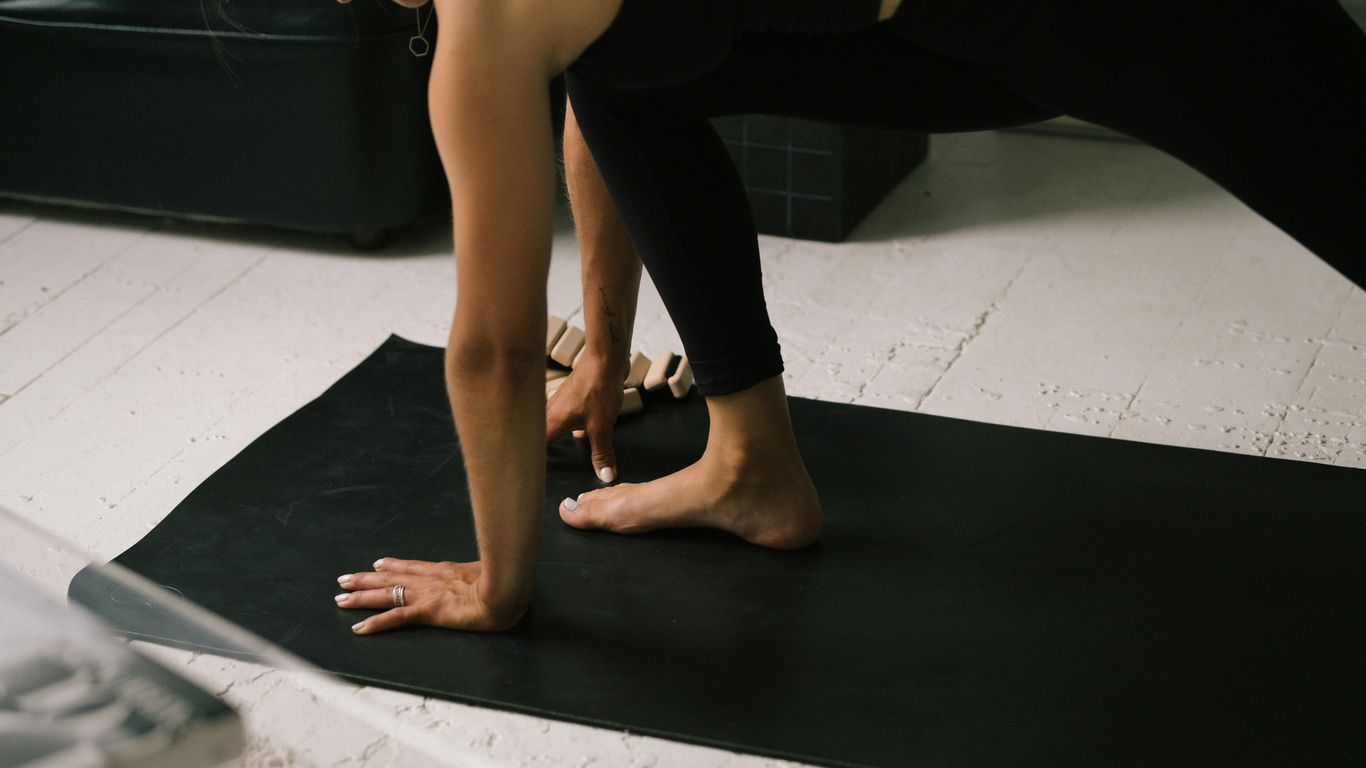
Starting your yoga journey is all about getting comfortable with the basics. These aren't just random stretches; they're the building blocks that help you connect your breath, your body, and your thoughts. Think of them as the alphabet of yoga – once you know these, you can start putting them together into more complex sequences. It's about building a solid base so you can explore further without feeling lost or overwhelmed.
Beginner Yoga Poses For Stability And Relaxation
These initial postures are designed to help you settle in, find your balance, and start to tune into your breath. It's less about getting the shape perfect and more about gentle exploration and movement. The goal here is to create a sense of calm and stability, both physically and mentally. Practicing these poses regularly can help improve your posture and make you feel more grounded.
Decoding Sanskrit Names And Their Meanings
Many yoga poses have names from Sanskrit, an ancient language. These names often give you a clue about what the pose looks like or what it's meant to do. For example, Tadasana means Mountain Pose, and it’s all about standing tall and feeling steady. Vrksasana is Tree Pose, which makes sense when you see how you balance on one leg. Learning these names can add a little extra meaning to your practice, like getting a secret hint about the pose’s intention.
Connecting Mind, Body, And Spirit Through Poses
Yoga is really about bringing all parts of you together. Different types of poses can affect you in different ways:
- Standing Poses: These help you feel steady and can really sharpen your concentration. They build a sense of being rooted.
- Seated Poses: Good for winding down, these encourage you to relax and look inward. They help calm the nervous system.
- Inversions: Flipping upside down can give you a boost of energy and help you feel more confident. They can shift your perspective.
The practice of yoga is a personal journey. Focus on how the poses feel in your body rather than striving for a specific aesthetic. Every body is different, and what matters most is the internal experience and connection you cultivate.
Mastering Basic Yoga Poses With Names And Pictures
So, you've dipped your toes into the world of yoga and are ready to get a bit more serious about the poses. That's great! The foundation you build now will really help you as you move forward. It's not about being perfect right away, but about getting familiar with the shapes and how they feel in your body. These basic poses are like the alphabet of yoga; once you know them, you can start to build longer, more complex sequences.
The Significance Of Asanas In Yoga
Yoga poses, or asanas, are more than just physical postures. They're a way to bring your body and mind into a kind of harmony. When you hold a pose, you're not just stretching muscles; you're also focusing your attention and learning to be present. This practice can help calm your thoughts and make you feel more centered. It's a way to check in with yourself and see how you're feeling, both physically and mentally. Regular practice can lead to better balance, more flexibility, and a general sense of well-being. It's a journey of self-discovery, one pose at a time.
Mountain Pose: The Blueprint For All Poses
Mountain Pose, or Tadasana, might seem like you're just standing there, but it's actually super important. Think of it as the starting point for so many other standing poses. To get into it, stand with your feet either together or hip-width apart. Really feel your feet on the ground. Lengthen your spine, pull your shoulders back and down, and let your arms hang by your sides, palms facing forward. It's all about finding a sense of grounded stability and upright posture. This pose teaches you how to stand tall and present. It's a great way to practice balance and bring your awareness to the moment.
Chair Pose: Building Heat And Strength
Chair Pose, or Utkatasana, is a bit more active. You start from Mountain Pose and then bend your knees as if you're about to sit in a chair. Keep your chest lifted and your arms extended overhead, or bring your hands to your heart. This pose really works your leg muscles and builds heat in the body. It's a good one for strengthening your thighs and ankles. Remember to keep your knees tracking over your toes and avoid letting them collapse inward. It can feel intense, but it's a fantastic way to build stamina and focus.
Here are a few things to keep in mind when practicing these basic poses:
- Breath: Always try to breathe steadily through your nose. Your breath is your guide.
- Alignment: Pay attention to how your body is positioned. Small adjustments can make a big difference.
- Listen: Don't push yourself too hard. It's okay if a pose doesn't feel perfect yet. You can explore different yoga poses and find what works for you.
Practicing these foundational poses regularly helps build a solid base for your yoga journey. It's about consistency and learning to connect with your body's signals, rather than striving for an impossible ideal. Each session is a chance to learn and grow.
Cultivating Mindfulness In Every Yoga Pose With Names And Pictures
Yoga is way more than just stretching and holding shapes. It's about paying attention to what's happening right now, both inside you and around you. When you're on your mat, really try to notice the little things. This is where the magic happens, turning a physical practice into something that calms your mind and connects you to yourself.
Focusing On The Breath For Grounding
Your breath is like an anchor. It's always there, steady and reliable. When things feel a bit chaotic, either in a pose or just in your head, bringing your attention back to your breath can really help. It’s like a gentle reminder to stay present. Try to make your inhales and exhales smooth and even. It doesn't have to be complicated; just notice the air moving in and out.
- Inhale: Feel your belly and chest expand.
- Exhale: Notice your body soften and release.
- Repeat: Keep this gentle rhythm going throughout your practice.
Noticing Sensations Without Judgment
As you move through different poses, pay attention to what your body is telling you. Are your muscles working? Is there any tightness? Maybe a little discomfort? The key here is to just observe these feelings without labeling them as "good" or "bad." They're just sensations. If something feels too intense, it's okay to back off a little. Yoga isn't about pushing yourself to the breaking point; it's about finding a balance that works for you in that moment.
Being present means accepting where you are right now. It's about noticing the physical feelings, the thoughts that pop up, and the emotions that might arise, all without getting caught up in them. This non-judgmental awareness is a big part of what makes yoga so helpful for stress.
Tips For Practicing Yoga Poses Consistently
Making yoga a regular thing doesn't have to be a huge effort. Small, consistent steps often lead to bigger changes over time. Don't worry about doing every pose perfectly or practicing for hours. Just showing up for yourself, even for a short while, makes a difference. Think about what makes it easier for you to get on your mat.
- Set a realistic schedule: Maybe it's just 15 minutes a few times a week. Find what fits your life.
- Prepare your space: Have your mat ready and maybe some comfortable clothes laid out.
- Be kind to yourself: Some days will feel easier than others. That's totally normal. Just do what you can.
Intermediate Yoga Poses With Names And Pictures To Enhance Practice
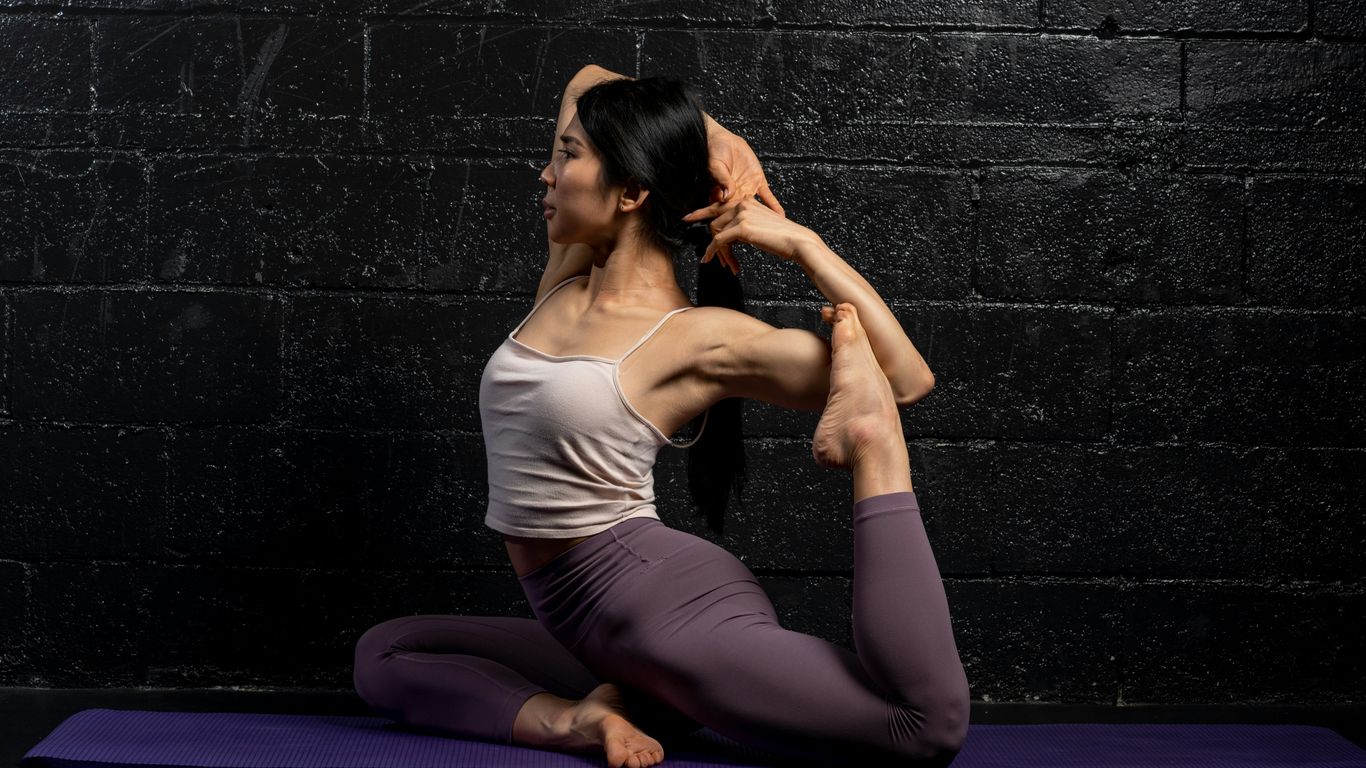
So, you've moved past the beginner stuff and are feeling more comfortable on your mat. That's fantastic! Now, let's talk about poses that will really start to build on that foundation, asking a bit more from your body and your focus. These aren't about showing off, but about finding new levels of stability, flexibility, and that quiet place inside yourself.
Balancing Poses For Core Strength
Balancing poses are where things start to get really interesting. They're not just about standing on one leg without wobbling; they're about finding your center, both physically and mentally. These poses really test your concentration and your core muscles. Think of it as a workout for your mind as much as your body. A great example is Warrior III (Virabhadrasana III). It's a tough one, requiring leg strength, core engagement, and serious focus. Regular practice can improve your posture and coordination. It's all about finding that sweet spot where you're challenged but not overwhelmed. Practicing these can really help you find your center, both on and off the mat.
Twisting Poses For Spinal Mobility
Twisting poses are fantastic because they do more than just stretch you out. They can help counteract the effects of sitting all day, which most of us do way too much of. They're like a gentle massage for your internal organs. When you twist, you're essentially squeezing and releasing, which can aid in digestion and elimination. Plus, they're really good for your spine, improving flexibility and mobility. Here are a few to consider:
- Seated Spinal Twist (Ardha Matsyendrasana): A classic twist that's accessible to most levels.
- Revolved Triangle Pose (Parivrtta Trikonasana): A deeper twist that also challenges your balance.
- Revolved Side Angle Pose (Parivrtta Parsvakonasana): This one really opens up your chest and shoulders.
Seated Forward Bends For Hamstring Stretch
Seated forward bends are perfect for stretching the hamstrings and calming the mind. Paschimottanasana (Seated Forward Bend) is a classic pose that not only lengthens the back of your legs but also promotes relaxation. These poses are great for counteracting the tightness that comes from sitting all day. Remember to keep your spine elongated and avoid rounding your back as you fold forward. It's all about finding that balance between effort and ease, pushing yourself without overdoing it.
These poses help lengthen the muscles along the back of your legs and can bring a sense of calm. It's important to listen to your body here; a gentle stretch is the goal, not forcing yourself into a deep bend.
Advanced Yoga Poses With Names And Pictures For Mastery
So, you've been hitting the yoga mat pretty consistently, and those basic and intermediate poses feel like old friends now. It's time to explore some of the more challenging postures that really ask a lot from your body and your mind. These aren't just about looking impressive; they're about building serious strength, improving your balance in new ways, and finding a deeper connection to your physical self. It takes practice, for sure, but the feeling of accomplishment when you hold one of these is pretty amazing.
Arm-Balance Poses For Strength And Focus
Arm balances are where you really start to play with gravity. They demand a strong upper body, a solid core, and a mind that can stay really calm and focused. Holding these poses means you're not just lifting your body; you're learning to find stillness even when you're defying gravity. It's a fantastic way to build strength in your wrists, arms, and shoulders, and your sense of balance will get a major boost. Plus, they really teach you to trust yourself.
- Crow Pose (Bakasana): A common starting point for arm balances, it strengthens the arms and core while improving focus.
- Side Crow Pose (Parsva Bakasana): This variation adds a twisting element, challenging your balance and core engagement even further.
- Eight-Angle Pose (Astavakrasana): A more complex pose that requires significant hip flexibility, arm strength, and balance.
These poses require patience and consistent effort. Don't get discouraged if you don't get them right away. Focus on building the strength and stability needed, and celebrate the small victories along the way.
Inversions For Energy And Confidence
Inversions are poses where your head is below your heart. They're known for giving you a bit of an energy boost and can really help build confidence. When you flip your perspective, literally, it can do wonders for your outlook. They also help with circulation and can be great for relieving stress. It's like giving your body a refreshing reset.
- Headstand (Sirsasana): Often called the 'king of asanas,' it builds strength in the neck, shoulders, and core, and is said to improve circulation.
- Shoulderstand (Sarvangasana): A restorative inversion that can calm the nervous system and improve thyroid function.
- Forearm Stand (Pincha Mayurasana): A challenging pose that builds incredible strength in the shoulders and arms, requiring significant balance.
Challenging Poses To Push Your Limits
These are the poses that really test what you've learned. They might combine elements of balance, strength, and flexibility in ways you haven't experienced before. They're not about forcing your body into a shape, but about working with your body's current capabilities to explore new ranges of motion and build resilience. It's a journey of self-discovery on the mat.
| Pose Name | Key Benefits |
|---|---|
| Handstand (Adho Mukha Vrksasana) | Builds upper body strength, improves balance, boosts confidence. |
| Scorpion Pose (Vrischikasana) | Increases spinal flexibility, strengthens shoulders, opens chest. |
| King Dancer Pose (Natarajasana) | Improves balance, opens hips and chest, strengthens legs. |
Using Props And Listening To Your Body In Yoga Poses
Using Props For Better Alignment
Props aren't just for beginners, you know. Even people who've been doing yoga for ages use them to really get into the nitty-gritty of a pose. Think of blocks, straps, and bolsters as your personal yoga assistants. For example, if your hand doesn't quite reach the floor in Triangle Pose, placing a block underneath it can help you keep your body in a nice, straight line without feeling all strained. Straps are also a lifesaver for poses that require a bit more flexibility, like a Seated Forward Bend. They let you focus on lengthening your spine instead of just trying to force yourself into the stretch. The main idea here is to use these tools to help you understand the pose better, not as a shortcut.
Listening To Your Body’s Limits
Your body is pretty good at telling you what it can and can't do. You just have to pay attention. When you're in a pose, really notice how it feels. A little bit of discomfort as you stretch is usually okay, but if you feel a sharp pain, that's your body's way of saying "whoa, ease up." Don't feel pressured to look exactly like the picture or what someone else is doing. Yoga is a personal journey, and what feels right for you today might be different tomorrow. If a pose feels like too much, it's totally fine to take a break in Child's Pose and then try again later. You'll naturally get stronger and more flexible over time.
Yoga is really about the journey of figuring things out, not about hitting some perfect pose. Celebrate the small wins and just enjoy learning what your body can do.
Practicing Consistency Over Perfection
When you're working with poses, remember that showing up regularly is way more important than doing every single pose perfectly. It's easy to get caught up in trying to achieve a certain look or depth in a pose, but that's not really the point. Instead, focus on how the pose feels in your body and how your breath is flowing. Consistency builds strength, flexibility, and a deeper connection with yourself over time. Even a short practice session done consistently will yield better results than sporadic, intense sessions.
Here's a simple way to think about your practice:
- Show Up: Commit to your mat, even if it's just for a few minutes.
- Be Present: Focus on your breath and the sensations in your body.
- Be Kind: Don't judge yourself. Every day is different.
- Be Patient: Progress takes time. Enjoy the process.
Keep Practicing, Keep Growing
So, that's a look at a bunch of yoga poses, from the super simple ones to the ones that really make you think. Remember, yoga isn't about being perfect right away. It's more about showing up on your mat, breathing, and just seeing what your body can do today. Don't worry if you can't get a pose exactly like the picture – that's totally normal. The real magic happens when you keep at it, little by little. You'll start to notice changes, not just in how strong or flexible you are, but in how you feel overall. Just keep moving, keep breathing, and enjoy the journey.
Frequently Asked Questions
What exactly is yoga and why are poses important?
Yoga is way more than just a workout; it's a cool way to connect with your body, mind, and spirit. The poses, called 'asanas,' are like the building blocks. They help you become more balanced, flexible, and focused, both on and off the mat. Getting them right helps you feel all the good stuff yoga has to offer.
Do I really need to know the Sanskrit names for yoga poses?
You don't *have* to, but it can make things more interesting! Many yoga pose names come from Sanskrit, an old language, and they often give you a hint about what the pose looks like or what it's supposed to do. For example, 'Tadasana' means Mountain Pose, which helps you remember to stand tall and feel steady.
Are beginner yoga poses really that helpful?
Absolutely! Beginner poses are super important because they're designed to help you find stability and relax. They're like the foundation of a house – you need a strong base before you can build anything higher. These poses help you get comfortable with movement and your breath.
How can I get better at holding yoga poses?
Practice makes progress! Try to focus on your breath; it's like an anchor that keeps you steady. Also, pay attention to how your body feels in each pose. Don't push yourself too hard, especially at first. Using props like blocks or straps can also help you get into the right position and feel more stable.
What's the big deal about breathing during yoga?
Breathing is a super big deal in yoga! It's called 'pranayama,' and it's like the glue that holds everything together. When you breathe deeply and steadily, it helps calm your mind, making it easier to focus and relax. It connects your body and mind, helping you feel more present in every pose.
What if I can't do a pose exactly like the picture?
That's totally okay! Yoga is your own journey, not a competition. It's more important to listen to your body than to force yourself into a pose that doesn't feel right. A little bit of stretch is good, but sharp pain is a sign to back off. You can always modify poses or take a break. Consistency over perfection is the goal!

