

Mastering Yoga: A Comprehensive Guide to Poses with Names and Pictures
Yoga is more than just a workout; it's a way to connect with your body, mind, and spirit. Whether you're just starting out or have been practicing for a while, getting your poses right is key to feeling the full benefits. This guide will walk you through different yoga poses for every level, from beginner to advanced, and touch on how breathing and staying present tie it all together. So, let's get your mat ready and begin.
Key Takeaways
- Yoga poses, also known as asanas, help bring balance to your body and mind.
- Many yoga pose names come from Sanskrit and describe what the pose looks like or its purpose.
- Beginner yoga poses are designed for stability and relaxation.
- More challenging yoga poses help build strength and flexibility.
- Practicing various yoga poses regularly can improve your strength, flexibility, and focus.
Understanding Foundational Yoga Poses With Names And Pictures
Getting started with yoga can feel like learning a new language, and in a way, it is. The poses, or 'asanas', are the words, and the breath is the grammar that ties it all together. These aren't just random stretches; they're carefully put together movements designed to connect your physical self with your inner world. Think of them as the basic building blocks for everything else you'll do on the mat. Building a solid base here means you can explore more complex things later without feeling completely lost.
The Significance Of Asanas In Yoga
Asanas are your main tools for getting to know yourself better through yoga. Sure, you'll get stronger and more flexible, but that's just part of the story. Each posture is meant to get your body and mind ready for quieter states, like meditation. When you practice regularly, you start to feel more stable, stand up straighter, and really notice how your body moves and feels. It's a way to bring a sense of calm and focus into your day, even after you've rolled up your mat.
Decoding Sanskrit Names And Their Meanings
Lots of yoga poses have names from Sanskrit, an old language. These names often give you a little hint about what the pose looks like or what it's supposed to do. For instance, 'Tadasana' means Mountain Pose, and it's all about standing tall and feeling steady. 'Vrksasana' is Tree Pose, which makes sense when you see how you balance on one leg. Learning these names can add a bit more meaning to your practice, like getting a secret clue about the pose's intention.
Connecting Mind, Body, And Spirit Through Poses
Yoga is really about bringing all the different parts of you together. Different types of poses can affect you in different ways:
- Standing Poses: These help you feel steady and can really sharpen your concentration.
- Seated Poses: Good for winding down, these encourage you to relax and look inward.
- Inversions: Flipping upside down can give you a boost of energy and help you feel more confident.
The journey into yoga begins with understanding the foundational poses. These initial postures are designed to help you settle in, find your balance, and start to connect with your breath. It's less about achieving a perfect shape and more about gentle exploration and movement.
Beginner Yoga Poses With Names And Pictures For Stability
Starting out with yoga can feel a bit overwhelming, right? But don't worry, focusing on the basics is a smart way to get comfortable and build your confidence. These initial poses are all about helping you settle in, find your footing, and start to tune into your breath. It’s not about being perfect right away; it’s more about exploring and moving gently. Think of these as your yoga foundation, the building blocks for everything else.
Mountain Pose For Stability
Mountain Pose, or Tadasana in Sanskrit, is where many yoga journeys begin. It might seem super simple – just standing there – but it’s actually the bedrock for good posture and balance in yoga. You stand tall with your feet together, letting your arms hang loosely by your sides. Pull your shoulders back a bit and really feel your feet pressing into the ground. Engage your thigh muscles and your core to create a sense of being rooted. This pose helps you feel grounded and makes you more aware of your whole body. It’s a fantastic way to kick off your practice and connect with your breath. Trying this pose in front of a mirror can be helpful at first to check your alignment.
Child’s Pose For Relaxation
Child’s Pose, known as Balasana, is your go-to for unwinding and getting a gentle stretch. You kneel down, sit back on your heels, stretch your arms out in front of you, and rest your forehead on the mat. This pose offers a soft stretch for your hips, thighs, and spine, and it’s really good for calming your mind. Use it as a resting spot whenever you feel you need a break during your practice. If you want a bit more comfort, you can place a pillow under your chest or knees, or even between your knees if that feels better. It’s a wonderful way to just reset.
Downward Dog For Flexibility
Downward-Facing Dog, or Adho Mukha Svanasana, is a well-known yoga pose that stretches out your whole body. You start on your hands and knees, then lift your hips up and back, creating an upside-down V shape. Make sure your hands are about shoulder-width apart and your feet are about hip-width apart. This pose stretches your hamstrings, calves, and shoulders, while also building some strength in your upper body. If your heels don’t quite reach the mat, that’s totally fine – it’s part of the process. You can try bending your knees a little to make it easier. This pose is a great way to get a feel for standing yoga postures.
These foundational poses are designed to help you build a strong base. They focus on alignment, breath, and body awareness, setting you up for a more rewarding yoga experience as you progress.
Intermediate Yoga Poses With Names And Pictures To Enhance Practice
Alright, so you've got a handle on the basics and you're feeling pretty good about your yoga flow. That's awesome! Now it's time to move into poses that really start to build on that foundation, asking a little more from your body and your focus. These aren't about showing off, but about finding new levels of strength, flexibility, and that quiet place inside yourself.
Balancing Poses For Core Strength
Balancing poses are where things start to get really interesting. They're not just about standing on one leg without wobbling; they're about finding your center, both physically and mentally. These poses really test your concentration and your core muscles. Think of it as a workout for your mind as much as your body. A great example is Warrior III (Virabhadrasana III). It's a tough one, requiring leg strength, core engagement, and serious focus. Regular practice can improve your posture and coordination. It's all about finding that sweet spot where you're challenged but not overwhelmed. Practicing these can really help you find your center, both on and off the mat.
Twisting Poses For Detoxification
Twisting poses are fantastic because they do more than just stretch you out. They can help counteract the effects of sitting all day, which most of us do way too much of. They're like a gentle massage for your internal organs. When you twist, you're essentially squeezing and releasing, which can aid in digestion and elimination. Plus, they're really good for your spine, improving flexibility and mobility. Here are a few to consider:
- Seated Spinal Twist (Ardha Matsyendrasana): A classic twist that's accessible to most levels.
- Revolved Triangle Pose (Parivrtta Trikonasana): A deeper twist that also challenges your balance.
- Revolved Side Angle Pose (Parivrtta Parsvakonasana): This one really opens up your chest and shoulders.
Twisting poses are not just about flexibility; they also help detoxify your body. They're a great way to release tension and improve circulation. It's like hitting the reset button for your body.
Seated Forward Bends For Hamstring Stretch
Seated forward bends are perfect for stretching the hamstrings and calming the mind. Paschimottanasana (Seated Forward Bend) is a classic pose that not only lengthens the back of your legs but also promotes relaxation. These poses are great for counteracting the tightness that comes from sitting all day. Remember to keep your spine elongated and avoid rounding your back as you fold forward. It's all about finding that balance between effort and ease, pushing yourself without overdoing it.
Advanced Yoga Poses With Names And Pictures For Mastery
Alright, so you've been practicing for a while, and you're feeling pretty good about your yoga game. You're ready to move beyond the basics and really challenge yourself. This is where the advanced poses come in. They're not just about showing off, though they can look pretty impressive! These postures are designed to push your physical and mental limits, building serious strength, flexibility, and a deep sense of self-awareness. It takes dedication, for sure, but the feeling of accomplishment is totally worth it.
Arm-Balance Poses For Strength
Arm balances are like the ultimate test of your yoga practice. They demand a strong core, steady arms, and a mind that can stay super focused. Holding these poses means you're really connecting your breath to your movements, finding that still point even when you're defying gravity. It's a fantastic way to build strength in your wrists and arms, and your sense of balance will get a major boost.
- Firefly Pose (Tittibhasana): This pose works your arms, wrists, and lower back, and it's a great balance challenge.
- Peacock Pose (Mayurasana): Known for helping your body get rid of toxins, this one needs a strong core and steady wrists.
- Side Crow Pose (Parsva Bakasana): This pose targets your side core muscles and really tests your balance in a unique way.
These advanced arm balances require a solid foundation. Don't rush into them. Focus on building strength gradually and listen to your body. It's better to hold a simpler pose with good form than to struggle through a complex one.
Inversions For Energy And Confidence
Getting upside down in yoga, or inversions, literally flips your perspective. They need a good amount of upper body and core strength, plus a healthy dose of courage. Practicing inversions can be a really powerful way to build confidence and get a better feel for how your body works. It's a great way to see how stable your shoulders are and how well your core is holding you up. Mastering these can really change how you feel about what you can do physically.
- Handstand (Adho Mukha Vrksasana): This builds strength all over your body, improves your balance, and really strengthens your upper body.
- Forearm Stand (Pincha Mayurasana): This tests your shoulder stability and how well your core is working, offering a different kind of balance challenge.
- Scorpion Pose (Vrschikasana): This pose combines a backbend with an inversion, needing flexibility, strength, and control.
Remember, safety first with inversions. Always practice near a wall or with a spotter when you're first learning. Focus on controlled movements and building strength gradually.
Integrating Breath And Awareness Into Yoga Poses
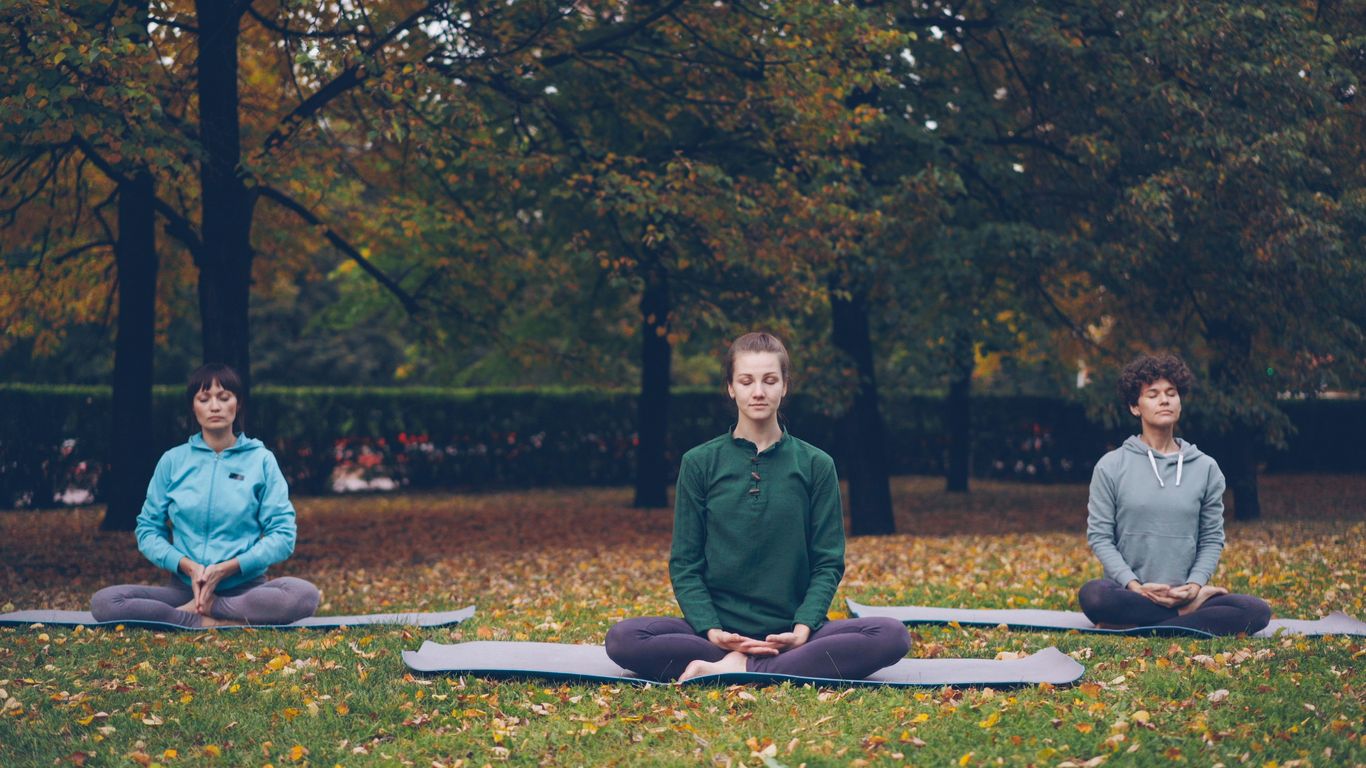
The Role Of Breath Control During Asanas
Breathing in yoga is way more than just getting air in and out. It's like a superpower for focus and keeping steady during your practice. When your breath syncs up with your moves, it creates a rhythm that helps your body slide into poses more easily. Always try to breathe through your nose when you're doing asanas. It's like your nose is a filter, cleaning and warming the air before it hits your lungs. This steady flow of breath is your anchor.
- Inhale deeply to prepare for a pose.
- Exhale slowly as you move into it.
- Maintain a steady breath throughout the hold.
Staying focused on your breath during yoga isn’t just a technique—it’s a way to ground yourself. When your breath is calm, your mind tends to follow, and things feel a bit more manageable. It's like hitting the reset button for your brain. This connection is key to a truly mindful yoga practice, helping you connect with your body on a deeper level.
The reliability of the breath is unmatched. It's the one constant companion that will always be there for you, holding you and your body together. Focusing on it is focusing on yourself.
Cultivating Mindfulness In Every Pose
Yoga isn't just about nailing the poses; it's about being present in your body and noticing how each movement feels. It's about breath control and awareness. When you move mindfully, you're not just going through the motions. You're actually paying attention to what's happening in your body and mind. This can help you avoid injuries and get more out of your practice.
- Focus on the sensations in your muscles.
- Notice any tension or discomfort without judgment.
- Adjust your pose as needed to find a place of ease.
By focusing on your breath and body, you can quiet the mental chatter and connect with your inner self. It's like giving your brain a vacation. Regular practice can lead to a greater sense of calm, balance, and well-being. It's not a quick fix, but over time, it can make a real difference in how you feel day-to-day.
Tips For Practicing Yoga Poses With Names And Pictures
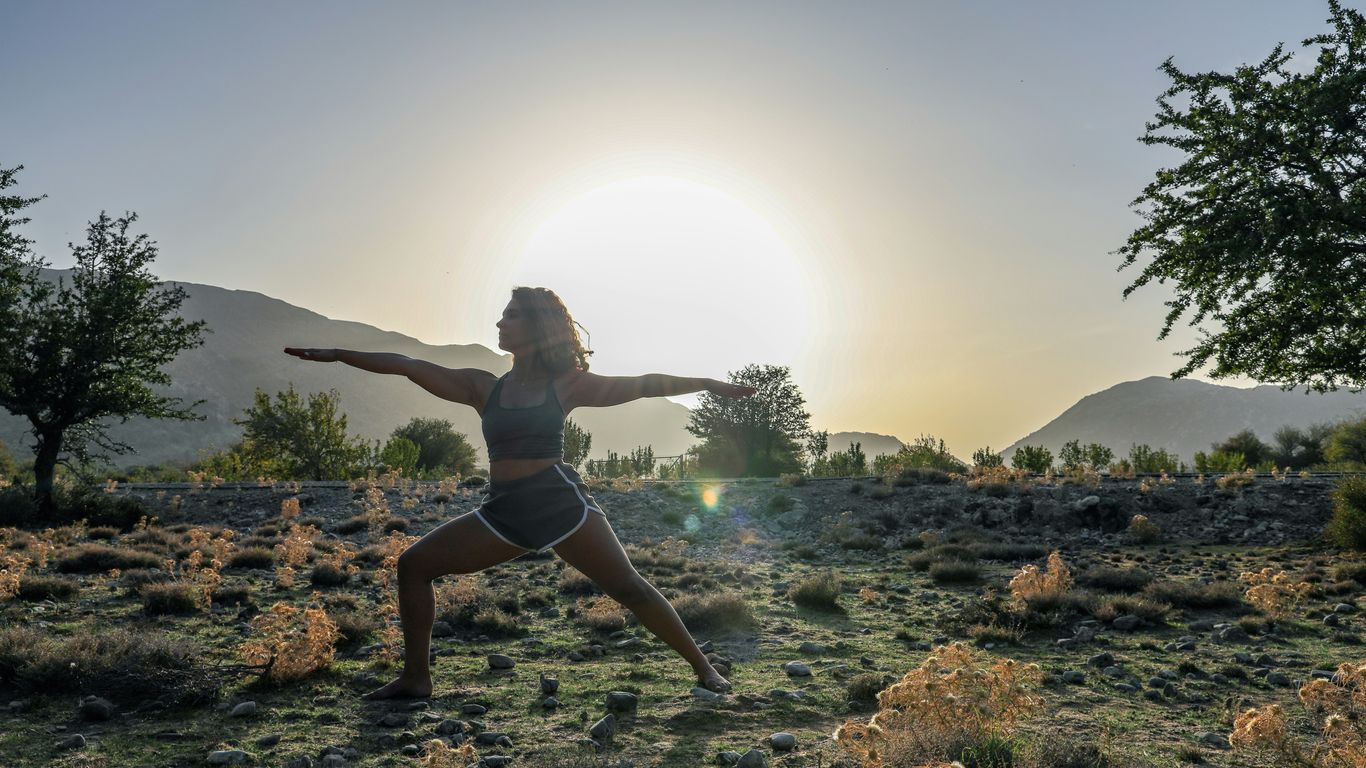
So, you've got the names and pictures down, and you're ready to get on the mat. That's awesome! But how do you actually make these poses work for you without feeling like you're going to fall over or pull something? It's all about being smart with your practice. Think of it like learning to cook – you need the right tools and a good sense of what you're doing.
Using Props For Better Alignment
Props aren't just for people who are new to yoga. Even folks who've been doing this for years use them to really get into the details of a pose. Blocks, straps, and even blankets can be like helpful little assistants. For example, if you're doing Triangle Pose and your hand doesn't quite reach the floor, putting a block under it can help you keep your body in a nice, straight line without feeling all strained. Straps are great for poses where you need a bit more reach, like a Seated Forward Bend. They let you focus on lengthening your spine instead of just trying to yank yourself into the stretch. The idea is to use these things to help you understand the pose better, not to cheat your way through it.
Listening To Your Body’s Limits
Your body is pretty good at sending you signals about what it can and can't do. Really pay attention to how you feel when you're in a pose. A little bit of stretch or effort is normal, but if you feel a sharp pain, that's your cue to ease up or change things. Don't feel like you have to do exactly what the picture shows if it doesn't feel right for you on that particular day. It's easy to look at others or at photos and feel like you're not measuring up, but yoga is your own path. If a pose feels like too much, it's totally fine to take a break in Child's Pose and then try again later. You'll naturally get stronger and more flexible over time.
Yoga is really about the journey of figuring things out, not about hitting some perfect pose. Celebrate the small wins and just enjoy learning what your body can do.
Practicing Consistency Over Perfection
Trying to get every pose exactly right from day one can be a bit discouraging. Instead, focus on showing up regularly. Even short, consistent practice sessions add up way more than one long, intense session every now and then. Think about it like this:
- Daily Check-in: Aim for 10-15 minutes most days, even if it's just a few simple poses.
- Focus on Feeling: Notice how your body feels before, during, and after your practice. This awareness is key.
- Progress, Not Perfection: Some days your body will feel open and energetic, other days it might feel stiff. That's okay. Just do what you can.
Remember, the goal isn't to look like the person in the picture, but to feel better in your own body and mind. Keep showing up, and you'll see the progress.
Keep Practicing, Keep Growing
So, that's a look at a bunch of yoga poses, from the ones that get you started to the ones that really make you work. Remember, yoga isn't about being perfect or looking a certain way. It's about how it feels in your body and how it helps you connect with yourself. Keep showing up to your mat, listen to what your body is telling you, and don't be afraid to try new things. Every pose you practice, no matter how simple, is a step forward. Enjoy the journey and all the good stuff that comes with it.
Frequently Asked Questions
What are yoga poses, and why do they have special names?
Yoga poses, called 'asanas,' are like special movements that help you feel good in your body and mind. Many of them have names from an old language called Sanskrit, which often describe what the pose looks like or what it's supposed to do. For example, 'Tadasana' means Mountain Pose because you stand tall and steady like a mountain.
What are some easy yoga poses for someone just starting out?
Great beginner poses include Mountain Pose (Tadasana) for standing tall and feeling balanced, Child's Pose (Balasana) for a nice rest and stretch, and Downward Dog (Adho Mukha Svanasana) to stretch your whole body and build a little arm strength.
Can I use things like blocks or straps to help me in yoga poses?
Absolutely! Yoga props like blocks, straps, and blankets are super helpful. They can make poses easier to do right and help you stretch safely. They're like tools to help you get the most out of each pose, no matter how experienced you are.
How do I know if I'm doing a yoga pose correctly or if I'm pushing myself too hard?
The most important thing is to listen to your body. It's normal to feel a stretch or a bit of effort, but if you feel a sharp pain, it's time to ease up or change the pose. Yoga is about what feels right for you, not about being perfect or comparing yourself to others.
Why is breathing so important when doing yoga poses?
Breathing is a huge part of yoga! Try to breathe slowly and smoothly through your nose during your poses. Focusing on your breath helps you stay calm, centered, and connected to your body. It's like a secret ingredient that makes yoga feel even better and helps you focus.
What's the difference between beginner, intermediate, and advanced yoga poses?
Beginner poses help you build a solid foundation for balance and relaxation. Intermediate poses challenge you more, improving core strength and flexibility. Advanced poses, like arm balances and inversions, require a lot of strength, practice, and focus, pushing your limits for mastery.

