
Mastering the Bikram Yoga 26 Poses: A Comprehensive Guide
Thinking about trying Bikram yoga? It's known for its set of 26 poses, practiced in a hot room. This sequence is pretty specific, and people find it challenging but also really good for them. We're going to break down what each of the bikram yoga 26 poses is all about, so you know what to expect. Whether you're brand new or have done yoga before, this guide should help you get a better idea of how to approach these poses and what they do for your body and mind.
Key Takeaways
- The bikram yoga 26 poses sequence is a specific set of postures and breathing exercises done in a heated room.
- This routine is designed to work your whole body in a structured way, building strength and flexibility over time.
- Practicing the bikram yoga 26 poses can lead to physical changes like better muscle tone and improved posture.
- Beyond physical changes, this practice can help clear your mind and reduce stress.
- Focusing on steady breathing and correct body form are very important for getting the most out of the bikram yoga 26 poses.
Understanding The Bikram Yoga 26 Poses Sequence
The Foundation Of The 26 And 2 Series
The Bikram Yoga 26 poses sequence, often called the "26 and 2" series, is a very specific set of postures and breathing exercises. It's not just a random collection of movements; it's a carefully designed system. The whole idea is to work your entire body, systematically. You'll find that the sequence is always the same, no matter where you practice it. This consistency is a big part of why it's so effective for building strength and flexibility over time. It's practiced in a heated room, which helps your muscles relax and allows for a deeper range of motion. If you're new to this style, you might want to check out different hot yoga variations to see what else is out there.
Systematic Approach To Body And Mind
This sequence is built to be a full-body workout, but it's also a mental challenge. Each pose is meant to prepare you for the next one, creating a flow that builds heat and stamina. You'll notice that the poses work on different parts of your body in a specific order. The standing poses come first, building heat and focus, followed by floor poses that target specific muscle groups and internal organs. This systematic approach isn't just about physical conditioning; it's also about training your mind to stay present and focused, even when things get challenging. You learn to observe your body's sensations without judgment and to push your limits safely.
The Bikram sequence is designed to work every muscle, gland, and organ in the body. It's a holistic approach that aims to bring balance to your physical and mental state.
Building Blocks For Flexibility And Strength
The 26 poses are like building blocks. They start with foundational movements that warm up your body and gradually progress to more challenging postures. This step-by-step approach allows you to build flexibility and strength progressively. You'll find that over time, poses that once seemed impossible become more accessible. It's a journey of consistent effort and gradual improvement. Here's a general idea of how the sequence progresses:
- Warm-up and Standing Poses: These poses build initial heat, improve circulation, and establish a strong foundation.
- Floor Series: These poses focus on deeper stretching, strengthening specific muscle groups, and working internal organs.
- Finishing Poses: These help to cool the body and integrate the benefits of the practice.
This structured progression is key to safely and effectively experiencing the full benefits of the Bikram Yoga 26 poses.
Mastering The Standing Bikram Yoga 26 Poses
Standing Deep Breathing: The Essential Start
This is where the whole Bikram journey kicks off. You stand tall, feet together, hands by your sides, and just focus on breathing. It might sound basic, but it’s actually a big deal for setting the stage. You’re learning to breathe in a way that fills your lungs and gets oxygen moving everywhere. This initial breathwork is key for making the rest of the poses feel more doable.
Half Moon Pose With Hands To Feet: Energy and Vitality
This pose is a great way to get your energy flowing. You reach your arms up, then bend back from your waist, and finally fold forward to try and touch your feet. It stretches out your whole spine and really works your legs. It’s good for your posture and can help with aches in your lower back. Plus, it wakes up your insides.
Awkward Pose: Building Core Strength
Don't let the name fool you; this pose is a real core builder. You squat down like you're sitting in a chair, with your arms stretched out in front of you. It looks simple, but holding it builds serious strength in your legs and belly. It also helps make your knees and ankles stronger. It's a test of how long you can hold on and stay focused.
Eagle Pose: Enhancing Balance and Focus
This is where you really get to test your balance. You cross your arms and legs, wrapping them around each other, and then find a spot to look at to stay steady. It’s not just about keeping your body from falling over; it’s about concentrating your mind too. Eagle Pose helps blood move better to your joints and can really help you focus better, even when you're not on the mat.
Here's a quick look at what these standing poses aim for:
| Pose Name |
|---|
| Standing Deep Breathing |
| Half Moon Pose with Hands to Feet |
| Awkward Pose |
| Eagle Pose |
Remember, consistency is more important than perfection, especially in the beginning. Don't get discouraged if you can't do every part of a pose right away. Just focus on your breath and do what you can. The body will adapt over time with regular practice.
Exploring The Floor Series Of Bikram Yoga 26 Poses
Locust Pose Variations: Strengthening The Spine
After you've tackled the standing poses, the Bikram sequence moves to the floor. This part of the practice is where you really get into stretching and strengthening your spine and internal organs. It might feel a bit unusual at first, but these poses are designed to work wonders.
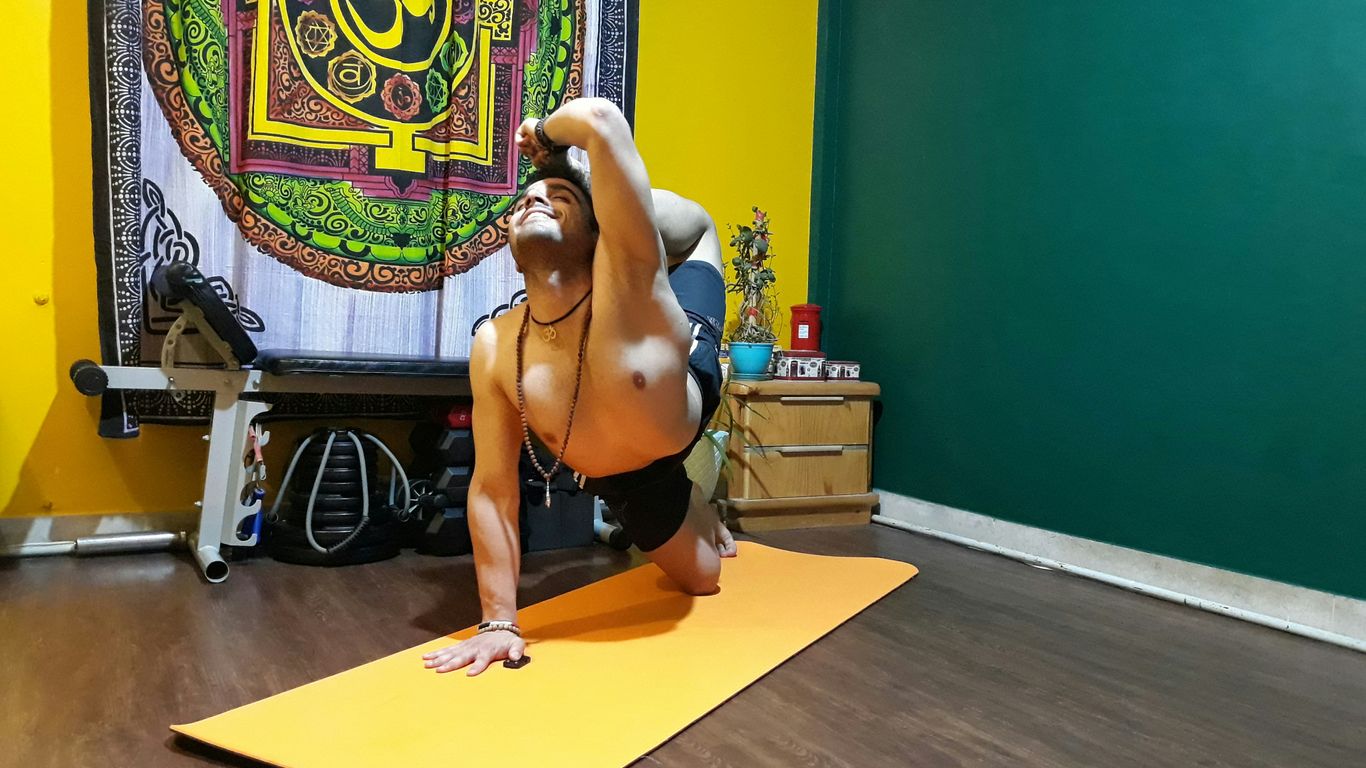
Locust Pose, or Shalabhasana, comes in a couple of variations within the Bikram sequence. It's a great pose for building up the muscles along your back, which is super important for keeping good posture and avoiding aches. You'll be lifting your chest and legs off the floor, really engaging those back muscles. For a brief moment, it feels like you're flying.
- Focus on lifting using your back muscles, not just your arms and legs.
- Keep your neck long and try not to scrunch it.
- Breathe deeply to help your chest and lungs expand.
Bow Pose: Spinal Extension And Chest Opening
Bow Pose, or Dhanurasana, is another key pose in the floor series that really opens up the front of your body. It's fantastic for improving spinal flexibility and expanding your chest, which can help with breathing and posture. You'll be grabbing your ankles and lifting your chest and thighs off the floor, creating a shape like a bow.
This pose is all about creating space. You're stretching your abdomen, chest, and thighs while strengthening your back. It's a powerful counterpose to some of the forward bends you've done, helping to bring balance to your spine.
Seated Forward Bend: Hamstring And Spine Lengthening
Paschimottanasana, the Seated Forward Bend, is a pose that really targets your hamstrings and the entire length of your spine. It's a deep stretch that requires patience and focus. You'll be sitting with your legs straight out in front of you and folding forward from your hips.
Here's a quick look at what this pose works on:
| Area Targeted | Primary Benefit |
|---|---|
| Hamstrings | Lengthening and increased flexibility |
| Spine | Decompression and extension |
| Calves | Stretching |
| Abdomen | Gentle compression |
Remember, consistency is key. Don't worry if you can't touch your toes right away. Just focus on your breath and do what feels right for your body. The body adapts over time with regular practice.
The Transformative Benefits Of The 26 Poses
Physical Transformation And Toning
The Bikram 26-pose sequence is a serious workout, and the heat really helps get your muscles ready to move. You'll start to see and feel changes in your body pretty quickly. It targets muscles you might not even realize you have, which helps create a more toned look. Plus, it's really good for your joints.
- Increased flexibility: Over time, you'll find yourself moving more freely.
- Muscle toning: The whole body gets worked, from your arms and legs to your core.
- Improved circulation: The heat and movement get your blood flowing better.
Mental Clarity And Stress Reduction
Beyond the physical stuff, practicing these poses is a great way to clear your head. Focusing on the poses and your breath in that warm room can be surprisingly calming. It’s a chance to step away from whatever is bothering you and just be in the moment. The structured nature of the 26 poses, along with the heat, forces you to concentrate. This focus naturally pushes distracting thoughts aside, leaving you feeling peaceful and clear-headed after each session. It’s a real mental reset.
The structured sequence, combined with the heat, creates an environment where you have to concentrate. This focus naturally pushes aside distracting thoughts, leaving you with a sense of peace and a clearer mind after each session.
Improved Posture And Spinal Health
If you spend a lot of time sitting or have any back discomfort, this practice can make a big difference. The poses are designed to work with your spine, helping to align it properly and build strength. Good posture really starts with a healthy spine, and Bikram yoga directly targets that area. You can find more information on the benefits of hot yoga.
- Spinal Alignment: Many poses work to lengthen and decompress the spine.
- Core Strength: A strong core supports your back, and this yoga series builds it.
- Flexibility: A more flexible spine can move more easily and is less prone to injury.
Tips For Practicing The Bikram Yoga 26 Poses
The Importance Of Calm And Focused Breathing
Breathing is really the engine that drives this whole practice. It’s the most important part, honestly. When you breathe deeply and steadily, you help your lungs expand fully. This also helps get more oxygen flowing through your body, which is a big deal when you’re working hard in the heat. Try to keep your breath even, in through your nose and out through your nose. If you feel yourself getting a bit shaky or dizzy, focus on your breath. It’s like an anchor. A calm breath can really change your entire experience in the room.
Utilizing Mirrors For Precise Alignment
Most Bikram studios have mirrors along the wall, and they’re not just for checking your hair. They are super helpful for seeing your body and making sure you’re in the right spot for each pose. It’s easy to think you’re doing something correctly, but the mirror shows you the reality. For example, in poses like Half Moon Pose, you can check if your arms are parallel or if your hips are stacked. It takes a bit of getting used to, looking at yourself while you’re trying to hold a challenging position, but it’s a great way to learn your body and improve your form. You can find more details on proper alignment for each of the 26 Bikram yoga poses.
Progressive Practice For Beginners
Don’t expect to nail every pose on your first try, or even your tenth. That’s totally normal. Bikram yoga is a practice, meaning it takes time and repetition. Some poses might feel impossible at first, but with consistent effort, you’ll notice changes. Your body will gradually become more flexible and stronger.
Here’s a little breakdown of what to expect:
- Weeks 1-4: Focus on showing up and getting through the sequence. Don’t worry too much about perfection. Just try to follow along and breathe.
- Months 1-3: You'll start to feel more comfortable in the poses and notice improvements in flexibility and strength.
- 6+ Months: Many practitioners find they can hold poses longer and experience deeper benefits.
Remember, consistency is key. Showing up regularly, even when you don't feel like it, will yield the best results over time. Be patient with yourself and celebrate the small victories along the way.
Keep Practicing, Keep Growing
So, you've made it through the guide to the Bikram 26 poses. It's a lot to take in, I know. Remember, this yoga practice is a marathon, not a sprint. Don't get discouraged if some poses feel impossible right now. Just keep showing up, focus on your breath, and do what you can. Over time, you'll notice changes – maybe you'll feel stronger, more flexible, or just a bit calmer. That's the magic of the 26 and 2. Keep practicing, and you'll keep discovering what your body and mind can do. It's a journey, and you're doing great just by being on the mat.
Frequently Asked Questions
What exactly is the Bikram Yoga 26 poses sequence?
The Bikram Yoga 26 poses sequence is a set routine of 26 specific yoga postures and two breathing exercises. It's always done in the same order and practiced in a heated room. This sequence is designed to work your entire body, building strength, flexibility, and helping you focus.
Why is the room heated for Bikram Yoga?
The heat helps your muscles warm up and become more flexible. This allows you to stretch deeper and more safely into the poses. It also helps you sweat, which is believed to help your body get rid of toxins.
Is Bikram Yoga suitable for beginners?
Yes, Bikram Yoga can be suitable for beginners, but it's challenging. The most important thing is to listen to your body, focus on your breathing, and not worry about doing every pose perfectly at first. It takes time and practice to build up to the full sequence.
How often should I practice Bikram Yoga?
For best results, practicing Bikram Yoga regularly is key. Many people find that practicing 3-5 times a week helps them see the most benefits. However, even practicing once or twice a week can make a difference.
What are the main benefits of practicing the 26 poses?
Practicing the 26 poses offers many benefits! Physically, you can expect increased flexibility, better muscle tone, and improved posture. Mentally, it can help reduce stress, improve focus, and boost your overall sense of well-being. It's a great way to get your body and mind working together.
Do I need any special equipment for Bikram Yoga?
You'll definitely need a good yoga mat that provides cushioning and grip, especially since you'll be sweating a lot. It's also a good idea to bring a towel to wipe yourself down and maybe one to put under your mat for extra grip. Staying hydrated is also super important, so bring plenty of water!


