


Mastering Poses: Your Ultimate Guide on How to Use Yoga Blocks
So, you want to get better at yoga, huh? It's more than just bending and stretching; it's about really feeling what your body is doing and connecting it to your breath. We'll walk through different yoga positions and poses, from the super simple ones to the really challenging ones. Whether you're a total newbie or you've been on the mat for a while, there's always something new to learn about these movements. Let's figure out how to make these yoga positions and poses work for you, and specifically, how to use yoga blocks to help you along the way.
Key Takeaways
- Yoga blocks are useful tools for making balancing poses more accessible, whether you need more reach or stability.
- Using yoga blocks can help you get deeper into poses and offer support for inversions and seated postures.
- Blocks should be seen as aids to help you learn and grow, not as permanent crutches, building confidence over time.
- Foundational poses benefit from block support to build strength, stability, flexibility, and calm.
- Advanced yoga poses can be explored with blocks to safely work on deep backbends, arm balances, and challenging balances.
Enhancing Balancing Poses With Yoga Blocks
Finding your balance on the yoga mat can feel like a constant challenge, right? Especially when you're trying to hold a pose that requires you to stand on one leg or reach for something far away. That's where yoga blocks really shine. They're not just for beginners; even seasoned yogis use them to get more out of their practice.
Increasing Reach In Standing Poses
Think about poses like Triangle Pose (Utthita Trikonasana) or Half Moon Pose (Ardha Chandrasana). You're trying to stretch your hand down towards the floor, but maybe you just can't quite get there without compromising your alignment. Pop a block under that hand! It brings the floor closer, letting you keep your spine long and your body in a good line. This way, you can focus on the pose itself, not on how far you can reach. It makes the pose accessible and helps you build the strength needed to eventually reach without the block.
Finding Stability For One-Legged Asanas
Standing on one leg, like in Tree Pose (Vrksasana), can be wobbly. If you're feeling unsteady, try placing a block under your standing foot. This gives you a more solid base. Alternatively, if you're working on poses that involve bringing your feet together in a standing balance, you can place a block between your thighs. Squeezing the block helps activate your inner thighs and creates a sense of stability, making it easier to find your center.
Elevating Arm Balances For Accessibility
Arm balances can look pretty intimidating. Poses like Crow Pose (Bakasana) require you to lift your body off the ground. If you're finding it hard to get your feet off the floor, try placing blocks under your hands. This effectively shortens the distance you need to lift your body, giving you a platform to work from. It's a great way to build the confidence and strength needed to eventually lift off without the support. It takes some of the fear out of the equation, allowing you to experiment more freely.
Blocks are fantastic tools for exploring your limits safely. They allow you to experience the shape of a pose and understand the muscle engagement required, even if you can't hold it unsupported yet. Think of them as temporary scaffolding for your practice.
Utilizing Blocks For Deeper Practice
Sometimes, just getting into a pose feels like a puzzle. Yoga blocks are like the missing pieces that help you solve it, allowing you to go further than you thought possible. They aren't just for beginners; experienced yogis use them to explore new depths in their practice.
Support For Inversions And Headstands
Getting upside down can be a bit intimidating, right? Blocks can make inversions, like headstands or handstands, feel much more manageable. Placing a block against a wall can give you a stable point to aim for, or using blocks under your forearms in poses like Dolphin Pose can build strength and confidence before you go for a full inversion. It's about building that solid foundation.
Improving Seated Postures And Spinal Alignment
Sitting comfortably on the floor can be a challenge for many. When you sit on a yoga block, it lifts your hips higher than your knees. This simple shift helps your pelvis tilt forward naturally. This allows your spine to lengthen more easily, making seated poses like Easy Pose or Half Lotus feel more open and less strained. It's amazing how a small prop can make such a big difference in how you feel in your spine.
Here's a quick look at how blocks help seated poses:
| Pose Type | Benefit of Block |
|---|---|
| Seated Twists | Aids spinal rotation by elevating hips. |
| Forward Folds | Supports torso, allowing deeper hamstring stretch. |
| Hip Openers | Provides height, reducing pressure on knees/ankles. |
Modifying Poses For Individual Needs
Everyone's body is different, and that's totally okay. Blocks are fantastic for tailoring poses to fit you. Whether you need a little extra height to reach the floor in Triangle Pose or a bit of support to keep your hips level in Pigeon Pose, blocks adapt to your body's unique needs. They help you find the right alignment without pushing too hard, making yoga accessible and enjoyable for all.
Yoga blocks are tools to help you find your edge, not a sign that you're not
Mindful Integration Of Yoga Blocks
Blocks As Aids, Not Crutches
Yoga blocks are fantastic tools, but it's good to remember they're there to help you, not do the work for you. Think of them as temporary supports while you build your own strength and stability. The real goal is to eventually be able to do the poses without them. So, use them to get into a pose correctly, feel the alignment, and then see if you can hold it for a few breaths without the block. It’s about learning what your body can do and gradually expanding those limits. The aim is progress, not permanent reliance.
Exploring Capabilities And Limitations
Using blocks is a great way to figure out what your body is capable of. They let you try poses that might otherwise feel out of reach. For example, in a forward fold, placing your hands on blocks can help you lengthen your spine instead of rounding it. This lets you feel the stretch in your hamstrings and lower back without straining. It’s like getting a sneak peek at what’s possible.
Here’s a quick look at how blocks can help you explore:
- Reach: In poses like Triangle Pose, blocks under your hand bring the floor closer, allowing for better alignment.
- Stability: In Tree Pose, a block under your foot can offer a steadier base.
- Depth: In seated poses, sitting on a block can help tilt your pelvis forward, making it easier to sit up tall.
Building Confidence Through Gradual Progression
When you start using blocks, you might notice yourself feeling more confident in your practice. This is totally normal! You're learning to trust your body and your ability to find balance and stability. It’s a step-by-step process. You might start with just one block under your hands in a simple pose, and over time, you might find you need less support or can try a more challenging variation.
Yoga is a personal journey, and blocks are just one part of the toolkit. They help make challenging poses more accessible, allowing you to build strength and awareness safely. Don't rush the process; enjoy the exploration and celebrate each small victory along the way. Your practice will evolve naturally.
Foundational Poses And Block Support
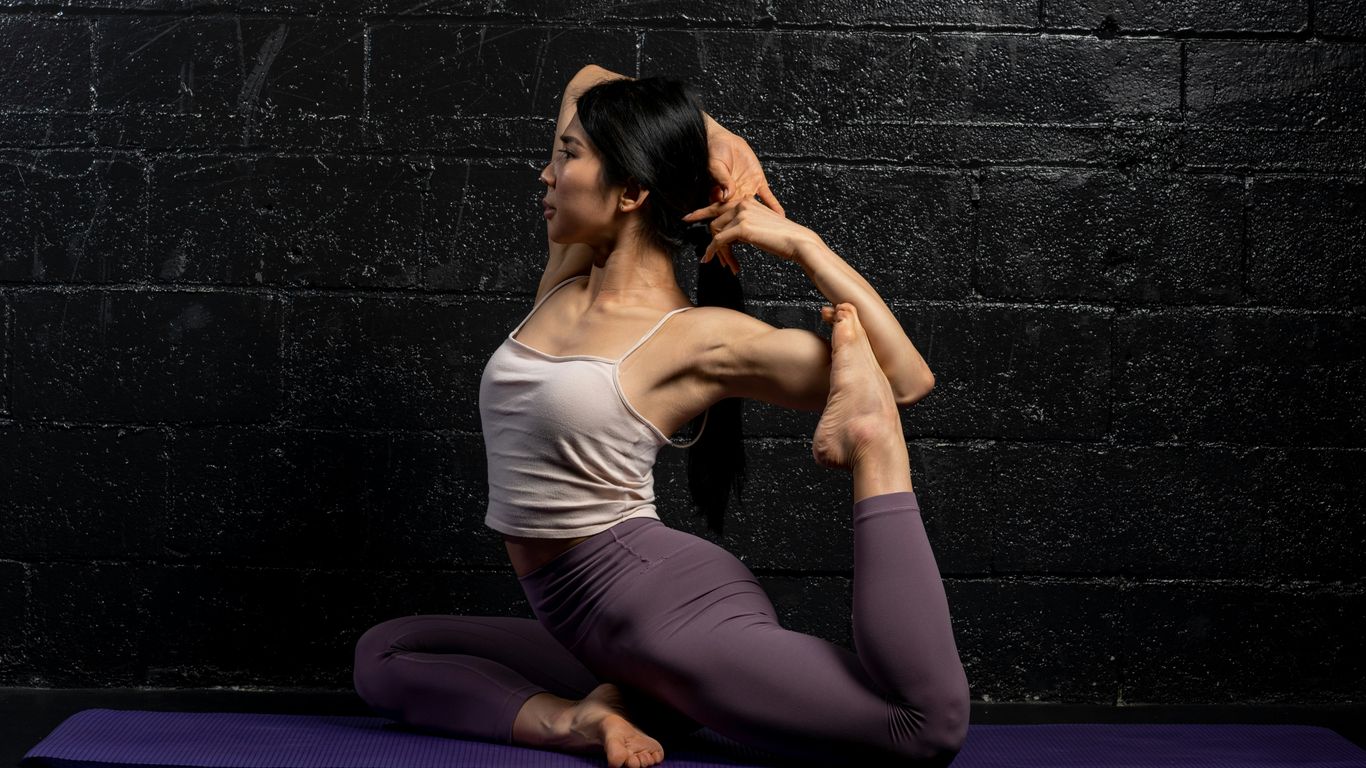
Starting out in yoga can feel a bit overwhelming, right? Like you're trying to learn a whole new language. But focusing on the basics is a really smart way to build up your confidence and just get a feel for what yoga is all about. These initial postures are designed to help you settle in, find your balance, and start to connect with your breath. It’s not about doing them perfectly right away, but more about exploring and moving gently. Think of these as your yoga building blocks.
Standing Poses For Strength And Stability
Standing poses are fantastic for building a strong base. They help you connect with the earth and develop stability, which is useful both on and off the mat. When you stand tall and steady, you start to feel more capable. These poses work your legs, engage your core, and improve your posture. They're like a gentle workout that makes you feel more grounded. Mountain Pose (Tadasana) is the starting point for so many standing poses. It teaches you to stand with awareness, grounding yourself through your feet and lengthening your spine. It’s simple, but getting it right makes a big difference. Other great standing poses to explore include Warrior II (Virabhadrasana II), which builds leg strength and opens hips, and Triangle Pose (Trikonasana), which stretches the sides of your body and works on balance. Getting a good feel for these can really help you feel more grounded. For poses like Pyramid Pose, blocks under your hands can make a world of difference in finding that stability.
Seated Poses For Flexibility And Calm
Once you've found your footing with standing poses, moving to seated postures can bring a sense of calm and help you work on flexibility. These poses are great for slowing down and tuning into your body. They often involve twists, forward bends, or hip openers, all of which can be made more comfortable and effective with a yoga block. Sitting on a block can help tilt your pelvis forward, allowing your spine to lengthen more easily. This simple adjustment can make a big difference in how you feel in poses like Seated Forward Bend (Paschimottanasana) or Bound Angle Pose (Baddha Konasana).
Forward Folds With Core Activation
Forward folds are wonderful for stretching the hamstrings and the back of the body, but they can also be a great way to engage your core. When you fold forward, it’s easy to let your back round. Using blocks can help you maintain a long spine. You can place blocks under your hands in poses like Standing Forward Bend (Uttanasana) or Seated Forward Bend. This brings the floor closer to you, allowing you to fold from your hips rather than just rounding your back. It also encourages you to draw your navel towards your spine, activating your core muscles to support the movement. This helps you get more out of the stretch while also building strength.
- Blocks under hands: Bring the floor closer, allowing for a longer spine.
- Core engagement: Draw your navel towards your spine to support the fold.
- Hip hinge: Focus on folding from the hips, not just rounding the back.
Using blocks in forward folds isn't about making the pose 'easier' in a lazy way. It's about creating the right conditions for your body to move safely and effectively, allowing you to actually feel the stretch and engage your core properly. It's a smart way to work with your body's current flexibility.
Advanced Poses And Block Applications
So, you've been practicing for a while, and you're ready to tackle some of the more challenging yoga poses. That's awesome! This is where things can get really interesting, and believe it or not, yoga blocks can still be super helpful, even in these advanced asanas. It’s not just about making things easier; it’s about finding new ways to support your body and explore deeper sensations.
Deep Backbends For Spinal Health
Deep backbends are fantastic for opening up the front of your body, which is something many of us need, especially if we spend a lot of time sitting. Poses like Wheel Pose (Urdhva Dhanurasana) or Camel Pose (Ustrasana) can feel intimidating, but blocks can offer a safe way to explore them. For instance, in Camel Pose, you can place blocks on their lowest setting on either side of your feet. This gives you something solid to rest your hands on, allowing you to focus on lifting your chest and lengthening your spine without worrying about reaching your heels right away. It’s all about creating space and allowing your spine to move in a way that feels good.
- Focus on spinal length first: Before you think about bending deeply, concentrate on creating space between each vertebra.
- Use breath to guide you: Let your inhales lift your chest and your exhales help you find a little more depth.
- Listen to your body: Never force a backbend. If something feels sharp or painful, back off.
Approaching deep backbends requires patience and a mindful approach. It's not about forcing yourself into a shape, but rather allowing your body to open gradually with each breath. Focus on creating space in your chest and shoulders, and let your spine follow.
Complex Arm Balances And Core Strength
Arm balances like Firefly Pose (Tittibhasana) or Side Crow (Parsva Bakasana) demand a lot of strength, especially in your core and wrists. While you might think blocks are only for beginners, they can actually help you get into these poses. Placing your hands on blocks in arm balances can elevate the floor, giving you a bit more room to work with. This can make it easier to lift off the ground and find that initial stability. It’s a great way to build the necessary strength and confidence. You can also use a block between your thighs in poses like Ragdoll (Uttanasana) by squeezing it, which helps activate your core and lengthen your spine as you fold forward, setting a good foundation for more challenging poses. This activation is key for Pilates practice too.
Challenging Balancing Forms
Even in advanced balancing poses, blocks can be your friend. Think about poses that require intricate shapes while you're on one foot or hand. Blocks can provide a stable point of contact, helping you maintain equilibrium while you refine the form. For example, in poses where you need to reach the floor, a block can bring the ground closer, allowing you to focus on the alignment of your standing leg and the engagement of your core. The goal is to use the block as a temporary support to build the strength and awareness needed to eventually hold the pose without it. It’s a gradual process of building confidence and understanding your body's capabilities.
Finding Your Balance, On and Off the Mat
So, we've talked a lot about how yoga blocks can really help you out, especially when you're trying to hold those tricky balancing poses. They're not cheating; they're just smart tools to help you get where you want to go. Think of them as your trusty sidekicks while you build up your strength and confidence. As you get more comfortable, you might find you need them less, and that's awesome! It's all part of the journey. Remember, yoga is about finding that sweet spot between effort and ease, and these blocks can make that process a whole lot smoother for everyone, no matter where you are in your practice. Keep exploring, keep breathing, and enjoy the process of finding your own unique balance.
Frequently Asked Questions
How can yoga blocks help me with balance?
Yoga blocks are like little helpers for your balance! When you're trying to stand on one leg or reach for the floor in a pose, a block can give you something stable to rest your hand or foot on. This makes it easier to stay steady so you can focus on your body and breathing, instead of worrying about falling.
Are yoga blocks only for beginners?
Not at all! While blocks are super helpful for those just starting out, even experienced yogis use them. They can help you get deeper into a stretch, support you in tricky poses like arm balances, or help you find better alignment. Think of them as tools that can be used in many different ways, no matter how long you've been practicing.
What's the main goal when using yoga blocks?
The main idea is to use blocks as a way to help you, not to rely on them forever. They're there to support you as you learn and grow stronger. The goal is to eventually be able to do the poses without them, but blocks give you the confidence and stability to get there safely and effectively.
Can blocks help me do poses that seem too hard?
Definitely! If a pose feels out of reach because you're not flexible enough or strong enough yet, a block can bridge that gap. For example, in a forward fold, placing your hands on blocks can bring the floor closer, making it easier to fold forward without straining your back. They make challenging poses more doable.
How do I know if I'm using a yoga block correctly?
The best way to know is to pay attention to how your body feels. If a block is helping you find better alignment, feel more stable, or access a pose more comfortably without pain, you're likely using it well. It should feel supportive, not like you're struggling against it. Listen to your body and experiment!
What are some basic poses where blocks are useful?
Blocks are great for many basic poses! In standing poses like Triangle Pose, placing a block under your bottom hand can help you keep your chest open. For seated poses, sitting on a block can help you keep your spine straight. Even in poses like Downward-Facing Dog, you can place your hands on blocks if your wrists feel tight.