
Mastering Hot Yoga Poses: A Comprehensive Guide for Beginners and Beyond
Thinking about trying hot yoga? It's a practice that happens in a heated room, usually between 90 and 105°F, and it's more than just a workout. Many people find the heat helps them relax and feel good, both physically and mentally. This guide is here to help you understand the basics, get ready for your first class, and feel more comfortable with the different hot yoga poses.
Key Takeaways
- Hot yoga involves practicing in a heated room, which can have unique effects on your body.
- Preparing properly before class, including hydration and choosing the right clothes, is important for a good experience.
- Listening to your body and respecting your limits is key to staying safe and comfortable during hot yoga.
- Beginners can benefit from hot yoga by building body awareness, breath control, and a sense of accomplishment.
- Understanding the different hot yoga poses, their purpose, and proper alignment helps deepen your practice and build confidence.
Understanding The Foundational Hot Yoga Poses
Hot yoga, especially styles like Bikram, often follows a set sequence of poses. This isn't just random; it's a carefully planned system designed to work your whole body. Think of it like building blocks – each pose prepares you for the next, creating a flow that builds heat and stamina. The sequence is usually the same every time, which is a big reason why it's so good for building strength and flexibility over time. Practicing in a heated room helps your muscles relax, letting you move deeper into poses.
Mastering The Standing Bikram Yoga 26 Poses
The Bikram Yoga 26 poses sequence, often called the "26 and 2" series, is a specific set of postures and breathing exercises. It's practiced in a heated room, which helps your muscles relax and allows for a deeper range of motion. If you're new to this style, you might want to check out different hot yoga variations to see what else is out there. The standing poses come first. They're meant to build heat and focus, getting your body ready for what's next. These poses are the foundation for the entire practice.
The Purpose Of Each Hot Yoga Pose
Every single pose in the sequence has a job. They're not just there to look good. The standing poses, for example, are designed to strengthen your legs, improve balance, and start heating up your body. Then, as you move into floor poses, the focus shifts to deeper stretching, working specific muscle groups, and even stimulating your internal organs. The finishing poses help cool everything down and bring it all together. It's a systematic approach that aims to bring balance to your physical and mental state.
Building Foundational Skills And Confidence
Hot yoga introduces beginners to a way of conditioning both body and mind. You learn basic skills like controlling your breath, paying attention to your body, and managing stress. You'll figure out how to handle tough physical situations while staying calm mentally. This is a skill that really helps in everyday life too. The practice teaches you to observe your body's feelings without judging them and to push your limits safely. It's a great way to build confidence, especially when you start seeing progress. Remember, listening to your body is key, and it's okay to modify poses as you get used to the heat and the movements. You can find more tips for beginners on how to approach hot yoga.
The sequence is built to be a full-body workout, but it's also a mental challenge. Each pose is meant to prepare you for the next one, creating a flow that builds heat and stamina.
Here's a quick look at the general flow:
- Standing Series: Focuses on building heat, strength, and balance.
- Floor Series: Targets deeper stretching, flexibility, and internal organ work.
- Finishing Poses: Aids in cooling down and integrating the practice.
This structured progression is key to safely and effectively experiencing the full benefits of the Bikram Yoga 26 poses.
Preparing For Your Hot Yoga Practice
Getting ready for your first hot yoga class might seem a little daunting, but a bit of preparation goes a long way. It’s not just about showing up; it’s about setting yourself up for a positive and productive experience. Think of it like getting ready for any new adventure – you want to pack the right gear and know what to expect.
Pre-Practice Hydration And Nutrition
Staying hydrated is probably the most important thing you can do before stepping into the heat. You'll be sweating a lot, so starting with a well-hydrated body is key to preventing dizziness or feeling unwell. Aim to drink water consistently throughout the day leading up to your class, not just an hour before. For nutrition, keep it light. A heavy meal right before class can make you feel sluggish and uncomfortable. Think of easily digestible foods like fruits, a small salad, or a smoothie. You want energy, but not a full stomach.
Here’s a quick rundown:
- Hydration: Drink water steadily all day. Consider an electrolyte drink if you tend to sweat a lot. Start drinking water early.
- Nutrition: Opt for light, easily digestible foods 2-3 hours before class.
- Avoid: Heavy, greasy, or spicy foods close to class time.
The heat amplifies everything your body is doing, so being mindful of what you consume beforehand makes a big difference in how you feel during the practice.
Choosing Appropriate Attire For The Heat
When it comes to clothing, less is often more in a hot yoga studio. You want to wear something that allows your skin to breathe and lets sweat evaporate. Tight, heavy fabrics can trap moisture and make you feel even hotter. Look for lightweight, moisture-wicking materials. Think about athletic wear designed for intense workouts. You'll likely want a top and bottoms that stay put when you move, so you're not constantly adjusting. And don't forget a towel – a small one for your face and a larger one for your mat are lifesavers. A non-slip mat towel is a great idea because mats can get pretty slick with sweat. Arriving early can give you time to get settled and figure out your mat setup.
Informing Instructors Of Health Conditions
This is a big one, especially if you're new to hot yoga or have any pre-existing health concerns. Your instructor is there to help guide you safely through the practice. If you have any injuries, are pregnant, have heart conditions, or any other health issues, it’s really important to let them know before class starts. They can offer modifications or suggest ways to adjust poses to suit your body. It’s all about making the practice work for you, not the other way around. They want you to have a safe and beneficial experience, and a little heads-up goes a long way in making that happen.
Navigating The Hot Yoga Environment Safely
Stepping into a hot yoga studio for the first time can feel a bit intense, right? The heat and humidity are definitely noticeable, and it's totally normal to feel a little unsure about how to handle it all. But don't worry, with a few smart strategies, you can make your experience safe and really enjoyable. The key is to listen to your body and respect its signals.
Managing Physical Responses and Personal Boundaries
Your body will react to the heat, and that's part of the process. You'll sweat, maybe a lot. That's your body's way of cooling down. It's super important to pay attention to what your body is telling you. If you feel dizzy, lightheaded, or nauseous, it's a sign to back off. Don't feel pressured to keep up with others or do every pose perfectly, especially when you're starting out. Taking breaks is not a sign of weakness; it's a sign of self-awareness. Resting in Child's Pose or simply sitting down for a moment is perfectly fine and often necessary. Remember, this practice is about your personal journey, not a competition.
It's easy to get caught up in the energy of a class, but your own well-being comes first. Pushing too hard, especially when you're new to the heat, can lead to issues. Be kind to yourself and honor your limits.
Utilizing Towels and Water During Class
Proper gear makes a big difference in managing the heat and sweat. You'll want a good water bottle that you can easily access. Staying hydrated is non-negotiable. Start drinking water well before class even begins, and sip throughout. A large towel is also a must-have. You can lay it over your mat to help with grip, as mats can get slippery. A smaller hand towel is handy for wiping your face and hands. Think of these items as your personal comfort and safety kit for the heated room.
Here’s a quick rundown of what to have on hand:
- Water Bottle: Keep it filled and within reach.
- Large Yoga Towel: For mat grip and sweat absorption.
- Small Hand Towel: For quick clean-ups.
The Importance of Rest and Self-Care
Rest is just as important as the poses themselves. Your body needs time to recover and integrate the work it's doing. If you feel overwhelmed by the heat or a particular pose, don't hesitate to take a break. Child's Pose is a great resting position that can be done anytime. It allows you to catch your breath and reconnect with your body without leaving the room. Always stay for Savasana, the final resting pose. This is where your body and mind truly absorb the benefits of the practice. It’s a vital part of self-care after a challenging hot yoga session.
| Practice or Precaution | Purpose/Benefit |
|---|---|
| Hydrate extensively before | Prevent dehydration, improve comfort |
| Listen to body signals | Avoid overexertion and heat-related issues |
| Take breaks (e.g., Child's Pose) | Support self-care, maintain well-being |
Deepening Your Hot Yoga Journey

So, you've gotten through your first few classes, maybe even started to feel a little more comfortable in the heat. That's awesome! Now, how do you keep that momentum going and really start to see the benefits? It's all about building on what you've learned and paying closer attention to the details. This stage is where the practice really starts to transform from just a workout into something more profound.
Visual References For Proper Alignment
Looking at pictures or videos of poses can be super helpful, especially when you're trying to figure out if you're doing it right. It's not just about getting the shape, but about how it feels in your body. Sometimes seeing a pose from a different angle can make all the difference in understanding how to engage the right muscles. Think of it like checking your form in a mirror, but with expert examples.
- Standing poses: Focus on grounding through your feet and keeping your spine long.
- Seated poses: Aim for an upright torso, even if your legs are folded.
- Backbends: Engage your glutes and quads to protect your lower back.
It's really about finding that sweet spot where the pose feels stable and effective. For a detailed look at each of the 26 Bikram poses, you can check out all 26 Bikram yoga poses.
Understanding The Benefits Of Each Posture
Each pose in a hot yoga sequence has a specific job. It's not random! The sequence is designed to work your body systematically, from your toes to your fingertips, and even internally. When you understand why you're doing a particular pose, it changes how you approach it. You start to appreciate the therapeutic effects and how it contributes to the overall flow. For instance, some poses are meant to compress organs, while others are for stretching or building strength. Knowing this can make even the most challenging poses feel more purposeful.
The magic happens when you connect the physical action of the pose with the intended outcome. It's a mind-body conversation that gets clearer with practice.
Building Confidence Through Consistent Practice
This is where the real growth happens. Showing up regularly, even when you don't feel like it, builds a kind of inner strength that goes beyond just physical fitness. You start to trust your body more and become less intimidated by the heat or difficult poses. Every class you complete is a small victory, and these victories add up. It's about showing yourself that you can handle challenges and come out stronger on the other side. Consistency is key, and you'll notice improvements in your flexibility, stamina, and mental clarity over time. If you're looking for a guide that explains each pose in detail, including common mistakes, understanding each posture can be a great resource.
The Benefits Of Hot Yoga For Beginners
Jumping into hot yoga as a beginner can feel a bit daunting, right? The heat, the new poses, the whole scene. But honestly, it's a fantastic way to start moving your body and feeling better, both inside and out. It’s not about being perfect from day one; it’s about showing up for yourself.
Adapting To The Heated Environment
Your body will definitely notice the heat at first. It’s a different kind of workout when you’re sweating buckets from the get-go. The key here is patience. Think of it like your body getting used to a new climate. You might feel a bit tired or dizzy initially, and that’s totally normal. The studio's warmth actually helps your muscles relax more easily, which can make stretching feel better than it does in a cooler room. Over time, your body gets better at handling the temperature, and you'll find yourself feeling more energized rather than drained.
- Start slow and don't push yourself too hard in the first few classes.
- Focus on your breath; it’s your anchor in the heat.
- Take breaks whenever you need them – Child's Pose is your friend.
- Hydrate really well before, during, and after class.
The heated room isn't just about making you sweat more; it's designed to help your muscles become more pliable and ready for deeper stretches. This can lead to quicker improvements in flexibility compared to regular yoga.
Developing Body Awareness And Breath Control
Hot yoga really shines when it comes to teaching you about your own body and how to breathe. In that warm, humid air, you can't really ignore what your body is telling you. You start to notice where you hold tension, how your muscles feel when they stretch, and what your limits are. The instructors will guide you through breathing techniques, and practicing these in the heat makes them feel even more impactful. Learning to sync your breath with your movements is a game-changer for both your yoga practice and your daily life. It helps calm your mind and makes the physical effort feel more manageable. You'll find yourself becoming more tuned in to your physical self, which is a pretty cool skill to build.
Achieving A Sense Of Accomplishment
Finishing your first hot yoga class is a big deal! You've just spent an hour or more in a challenging environment, moving your body, and breathing through it. That feeling of accomplishment is huge. It builds confidence, showing you that you can handle more than you thought. Each class you complete, each pose you get a little closer to mastering, adds to that sense of achievement. It’s not about competition; it’s about your personal journey and seeing your own progress. This can be incredibly motivating and can spill over into other areas of your life, making you feel more capable and ready to take on new challenges. It's a great way to boost your mental well-being and feel good about yourself.
Key Hot Yoga Poses And Their Benefits
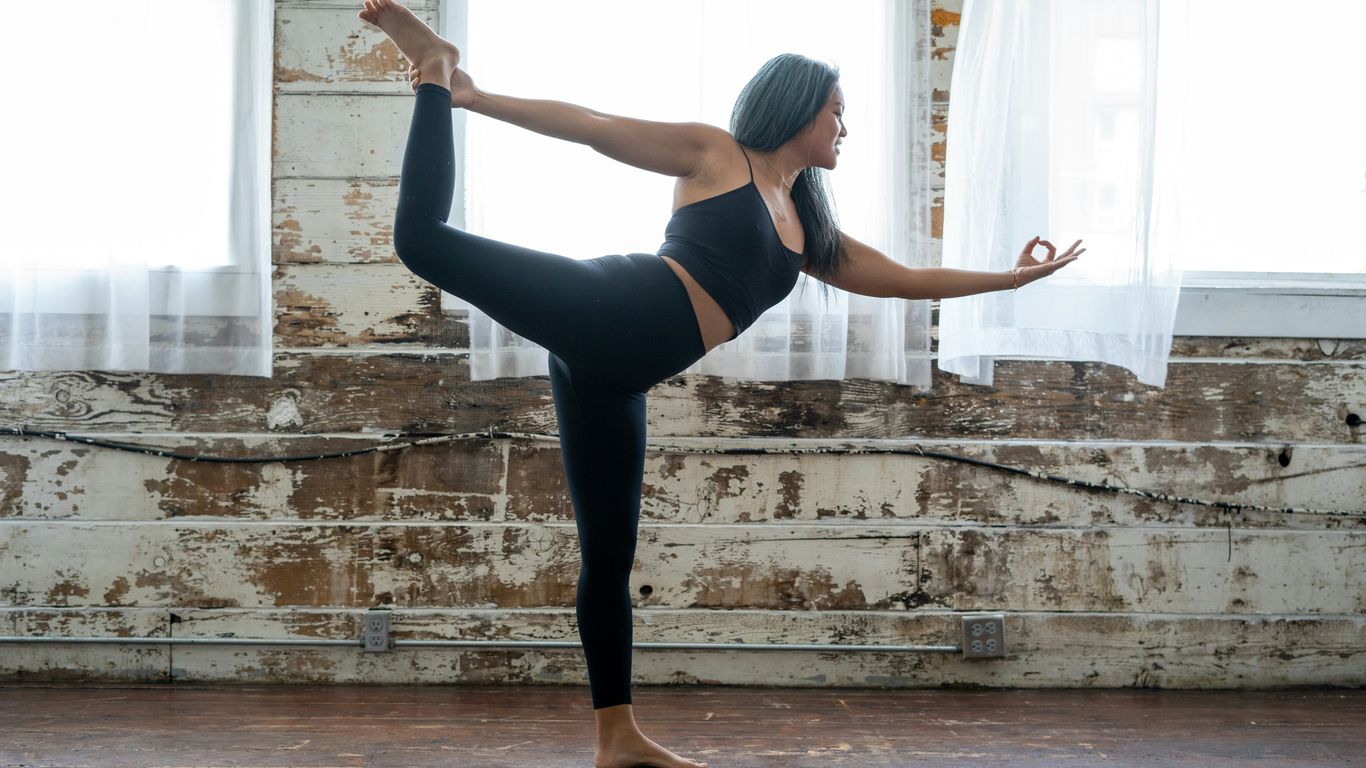
Alright, let's talk about some of the actual poses you'll encounter in hot yoga and why they're so good for you. It's not just about sweating it out; each posture is designed to do something specific for your body and mind. Think of it as a carefully crafted sequence that works you from the inside out.
Standing Series Poses
This is where you'll spend a good chunk of your class, building heat and focus. These poses are designed to strengthen your legs, core, and spine while improving balance. You'll work on everything from your toes to your fingertips.
- Standing Deep Breathing: This is usually the very first pose. It's simple but important for setting your intention and getting your breath going. It helps you connect with your breath and prepare your body for the work ahead.
- Half Moon Pose (Ardha Chandrasana): Great for balance and opening up your hips and chest. It really challenges your focus.
- Awkward Pose (Utkatasana): This one feels like it lives up to its name! It's a powerful squat that builds incredible leg strength and stamina.
- Eagle Pose (Garudasana): This pose is fantastic for improving concentration and stretching your shoulders and hips. It takes some coordination!
Floor Series Poses
Once you move to the floor, the focus shifts to deeper stretching, flexibility, and detoxification. The heat really helps your muscles release tension here.
- Seated Forward Bend (Paschimottanasana): A classic hamstring and spine stretch. Don't worry if you can't touch your toes; the goal is to lengthen your spine.
- Cobra Pose (Bhujangasana): This is a gentle backbend that strengthens your spine and opens your chest. It's good for posture.
- Locust Pose (Salabhasana): Another back strengthener, this pose works your entire back body and improves circulation.
- Bow Pose (Dhanurasana): A deeper backbend that opens the front of your body, including your chest and abdomen. It's a real energy booster.
Finishing Poses for Integration
These poses are all about bringing everything together, calming the nervous system, and letting your body absorb the benefits of the practice. They're just as important as the challenging poses.
- Half Tortoise Pose (Ardha Kurmasana): A deep hip and lower back opener that can be very calming.
- Rabbit Pose (Sasangasana): This pose gently compresses the spine and can help relieve stress.
- Corpse Pose (Savasana): The final resting pose. This is where your body and mind integrate all the work you've done. It's crucial for relaxation and recovery. Staying for the full duration allows your body to truly benefit from the practice, promoting a sense of calm and well-being.
Each pose in a hot yoga sequence is like a building block. They work together to create a full-body experience that improves flexibility, builds strength, and calms the mind. It's a practice that truly supports your overall wellness.
Remember, consistency is key. Don't get discouraged if some poses feel tough at first. The heat and the repetition will help your body adapt over time. The goal isn't perfection, but progress and a better connection with yourself. You can find more information on the benefits of hot yoga.
Keep Practicing, Keep Growing
So, you've made it through the guide. Remember, hot yoga is a journey, not a race. It's totally normal to feel a bit wobbly or unsure when you're starting out, or even after practicing for a while. The heat can be a challenge, and getting the poses just right takes time. But stick with it. Each class you attend, each pose you try, is a step forward. You're building strength, getting more flexible, and learning to stay calm even when things get intense. Keep showing up, listen to your body, and celebrate the small wins. You've got this.
Frequently Asked Questions
What's the most important thing to do before my first hot yoga class?
Drink lots of water! Seriously, start sipping water hours before class. It helps your body handle the heat and sweat better. Also, wear comfy, light clothes that let your skin breathe. And if you have any health issues, tell your teacher before class starts.
How can I get used to the super hot room?
Don't worry if it feels intense at first. Try going to class a bit more often, maybe start with shorter sessions if you can. Your body will slowly get used to the warmth. Think of it like your body getting a tan, but for your insides!
What's the best way to make sure I have a good hot yoga class?
Focus on your breathing and try to stay calm, even when things get tough. It's not a competition! Also, after class, do some easy stretches to help your muscles relax. Doing yoga regularly helps you get better and feel better.
What if I feel really uncomfortable or dizzy during class?
It's totally okay to take a break! Lie down on your mat or go into a child's pose. Sip some water and focus on taking slow, deep breaths. Your teacher is there to help, so don't be afraid to let them know if you're struggling.
What should I do after hot yoga to feel my best?
Drink more water to replace what you lost sweating. Eating a snack with some protein or carbs can help your body recover. Gentle stretching at home can also feel really good. The more you practice, the better you'll feel!
How can I tell if I'm actually getting better at hot yoga?
You can keep a little notebook and write down how you felt after each class, or which poses felt easier. You'll start noticing you can hold poses longer, breathe more easily, or just feel stronger and more flexible overall. It's about how *you* feel, not what others are doing.

