

Mastering Essential Yoga Poses: A Comprehensive Guide
Yoga is more than just a workout; it's a way to connect with your body, mind, and spirit. Whether you're brand new or have been practicing for years, getting your positions in yoga right is key to unlocking its many benefits. This guide breaks down poses for every level, from beginner to advanced, and explores how breathing and mindfulness tie it all together. Let's roll out the mat and get started.
Key Takeaways
- Yoga poses, or asanas, help balance your body and mind.
- Beginner yoga poses focus on relaxation and stability.
- Intermediate yoga poses challenge your strength and flexibility.
- Advanced yoga poses require significant strength, focus, and patience.
- Practicing different yoga positions regularly can improve your strength, flexibility, and focus.
Understanding the Foundations: Essential Positions of Yoga
The Role of Alignment in Foundational Poses
When you think of starting yoga, you might picture complicated twists and balances, but the real magic often starts with how you stand or sit. Proper alignment in basic poses is what builds a smart, safe practice. If your posture is off, it throws the rest of your body out of sync, making even simple moves uncomfortable or risky. Getting the hang of where to place your feet, how to lengthen your spine, and what muscles to gently engage turns easy yoga poses into something much more meaningful. Aim for quality over quantity—notice how a small adjustment in your stance or shoulders can totally change how stable and open you feel. For beginners, this focus on alignment lays the groundwork for moving on to more complex moves down the line.
- Start by checking your feet—they set the stage for balance.
- Pay attention to your breath and how your spine feels in each pose.
- Use gentle muscle engagement instead of forcing yourself into deep stretches.
Some days, just standing in Mountain Pose with your attention on your breath can be more powerful than a flurry of complicated yoga moves.
Key Benefits of Basic Yoga Positions
A lot of people skip over foundational poses, thinking they’re too simple, but these are where you’ll find the most steady results. Simple positions like Mountain, Downward Facing Dog, and Child’s Pose do more than just stretch muscles—they wake up your entire body and remind you to move with intention. No matter where you are on your yoga journey, foundational poses reliably offer these perks:
- Improves posture and teaches body awareness
- Builds strength without strain
- Releases tension, especially after a long day
- Increases flexibility gradually
- Forms a reliable base for trying new movements
Here’s a quick look at what you might gain from a few basic poses:
| Pose Name | Main Benefit | What It Targets |
|---|---|---|
| Mountain Pose | Postural awareness | Full body alignment |
| Child’s Pose | Relaxation, flexibility | Back, hips, shoulders |
| Downward-Facing Dog | Strength and stretching | Arms, legs, spine |
| Warrior II | Leg and hip power | Legs, hips, shoulders |
Sometimes, showing up for these simple stretches is what reminds you why you started yoga—connection, not perfection. You can see how several basic poses are useful for every stage of your yoga routine.
Building Stability with Core Positions
Stability on the mat doesn’t come from muscles alone; it's a mix of how you stand, move, and breathe. Foundational poses teach this kind of stability, which comes in handy every day—whether you’re lifting groceries, standing in line, or hitting the trails. Mountain Pose, Warrior II, and simple balances like Tree Pose all build strength in your legs and core, but they also ask you to keep your attention on what’s happening right now.
Here’s how core positions help ground your practice:
- Mountain Pose (Tadasana): Teaches steady standing and breath focus
- Warrior II (Virabhadrasana II): Builds leg and hip strength, boosting your confidence
- Triangle Pose (Trikonasana): Encourages length and balance while gently stretching your torso and legs
In my experience, coming back to these foundational poses reminds me that growth happens step by step. If you keep at it, those basics start to feel pretty solid, both on and off the mat.
Standing Strong: Classic Yoga Positions for Balance and Power
When you think about yoga, you probably picture people standing tall, looking pretty solid. That's because standing poses are a huge part of the practice. They're not just about looking good; they're about building a strong foundation, literally from the ground up. These poses help you connect with the earth, find your center, and develop a sense of stability that can spill over into your everyday life. It’s like building a sturdy house – you need a good base before you can add the fancy stuff.
Mountain Pose and Its Impact on Posture
Mountain Pose, or Tadasana, might seem like you're just standing there, but it's actually a really active pose. It's the starting point for so many other standing poses, and getting it right makes a big difference. You want to feel grounded through your feet, with your weight spread evenly. Think about lengthening your spine, relaxing your shoulders down, and reaching the crown of your head towards the sky. It’s a full-body check-in that teaches you to stand with intention and awareness. It really helps you notice how you hold yourself and can make you more aware of your posture throughout the day. It’s a simple pose, but don't underestimate its power for improving how you carry yourself.
Here’s a quick breakdown of how to get into Mountain Pose:
- Stand with your feet about hip-width apart, or even closer if that feels more stable.
- Press down through all four corners of your feet.
- Gently engage your thigh muscles and tuck your tailbone slightly.
- Draw your shoulders down and back, away from your ears.
- Let your arms hang naturally by your sides, palms facing forward or towards your body.
- Soften your gaze or close your eyes.
The Warrior Series: Building Strength
The Warrior poses are a staple in any yoga class, and for good reason. They're fantastic for building strength in your legs and core, while also opening up your chest and shoulders. There are a few variations, but they all share a common theme of power and focus. You'll often find yourself in Warrior II as a transition or a pose to hold for a bit, really feeling the burn in your thighs. These poses teach you to stand firm, even when things get a little challenging.
| Pose Name | Primary Focus Areas | Key Benefits |
|---|---|---|
| Warrior I | Legs, hips, core | Builds leg strength, opens chest and shoulders |
| Warrior II | Legs, core, hips | Improves stamina, opens hips and chest |
| Warrior III | Balance, core | Develops focus, strengthens legs and core |
Triangle Pose for Flexibility and Opening
Triangle Pose, or Trikonasana, is another classic that really helps create space in your body. It’s a great stretch for the sides of your torso, your hamstrings, and your hips. When you get into Triangle Pose, you're not just bending sideways; you're also working on your balance and opening up your chest to the front. It’s a pose that feels really good after a lot of standing or sitting. If you can't quite reach the floor, don't worry about it. Using a block under your hand is perfectly fine and helps you maintain the proper alignment without straining. It’s all about finding what works for your body on any given day.
This pose is a wonderful way to lengthen the side body and create a sense of spaciousness. It encourages you to breathe deeply into the ribs and feel the stretch all the way from your back foot to your top hand. It’s a pose that reminds you to stand tall and reach in multiple directions at once.
Remember, consistency is key. Even just a few minutes in these standing poses each day can make a noticeable difference in how you feel, both physically and mentally. You can find more about standing yoga poses and how they can benefit your practice.
Seated Stretches: Finding Calm Through Relaxed Yoga Positions
After we've built some stability with standing poses, it's time to settle down and find a bit more ease. Seated positions are where we really start to invite flexibility, especially in the hips, spine, and those often-tight hamstrings. They're also fantastic for just slowing things down, helping to quiet the mental chatter and bring a sense of peace. Think of these as the moments in your practice where you can really soften and just be.
Easy Pose Variations for Mindfulness
Easy Pose, or Sukhasana, is the classic cross-legged seat. It sounds simple, and it is, but getting it right makes a difference. The goal here is to sit tall, lengthening your spine from your tailbone all the way up through the crown of your head. Let your shoulders relax down away from your ears. You can play with how you position your legs – maybe one shin is in front of the other, or perhaps you bring your heels closer to your hips. Sometimes, sitting on a cushion or a folded blanket can help tilt your pelvis forward, making it easier to keep your spine long. This pose is a great starting point for meditation or just for finding a comfortable, grounded seat.
- Sit with legs crossed comfortably.
- Lengthen the spine, imagine a string pulling you up from the head.
- Relax the shoulders down and back.
- Rest hands on knees or in your lap.
Forward Folds to Release Tension
Forward folds are like a gentle hug for your back body. They're brilliant for stretching out the entire length of your spine, from your neck all the way down to your tailbone. When you fold forward, you're not just stretching muscles; you're also giving your nervous system a chance to calm down. It's a pose that encourages introspection and release. If reaching your feet feels impossible, don't worry about it. The real work is in the lengthening of the spine and the gentle surrender into the fold. Using props can make a big difference here.
The key to a good forward fold isn't about how far down you go, but how much length you create in your spine as you fold. It's about the journey, not the destination.
Twists for Spinal Mobility
Twisting poses are like giving your spine a gentle massage. They help to release built-up tension and can be really good for digestion. Even simple twists can make a big difference in how your back feels. As you move into these, focus on keeping your spine long before you start to twist. It’s like wringing out a towel – you want to create space first. Twists are excellent for improving the flexibility of your spine and can help counteract the effects of sitting for long periods.
Here’s a look at how twists can help:
- Spinal Health: Increases flexibility and range of motion.
- Detoxification: Stimulates digestive organs and aids in waste removal.
- Stress Relief: Calms the nervous system and releases tension.
| Pose Name | Primary Benefit |
|---|---|
| Seated Spinal Twist | Spinal mobility |
| Revolved Triangle Pose | Balance and twist |
| Revolved Side Angle | Deeper spinal twist |
Challenging Your Practice: Intermediate Positions of Yoga
So, you've built a solid base and you're feeling ready to explore poses that ask a little more from your body and mind. This is where intermediate yoga really shines. It's not about forcing anything, but rather about building on your existing strength and flexibility to try new shapes. Think of it as adding more complex movements to your dance, requiring a bit more coordination and control.
Exploring Balancing Poses for Core Strength
Balancing poses are fantastic for building a strong core and improving your concentration. It's not just about staying upright; it's about finding that steady point within yourself. When you're balancing, you're really engaging those deep abdominal muscles and learning to stabilize your body. This translates to better posture and a more centered feeling, even when you're off the mat. It's a powerful way to practice being present because your mind can't really wander when you're trying not to topple over!
Here are a few intermediate balancing poses to try:
- Warrior III (Virabhadrasana III): Standing on one leg, extend the other straight back, arms reaching forward. This requires focus and leg strength.
- Half Moon Pose (Ardha Chandrasana): Balance on one foot and one hand, with the other leg and arm reaching up and out. It opens the hips and chest.
- Eagle Pose (Garudasana): Wrap your arms and legs around each other. This tests balance and concentration, working the shoulders and hips.
Balancing poses teach you to be present. When you're focused on staying upright, there's not much room for your mind to wander. It's a powerful way to practice mindfulness.
Flowing Into Deeper Backbends
Moving into deeper backbends is a wonderful way to open up the front of your body, which can get quite tight from everyday activities. These poses help to counteract slouching and can really improve your posture. They also build strength in your back muscles and can be quite invigorating. It's important to approach these with care, focusing on lengthening your spine before you deepen the bend. It's all about creating space before you curve.
| Pose Name | Primary Benefit |
|---|---|
| Wheel Pose (Urdhva Dhanurasana) | Strengthens arms, legs, and spine; opens chest |
| Bow Pose (Dhanurasana) | Stretches the entire front body; improves posture |
| Camel Pose (Ustrasana) | Opens hips and chest; relieves back tension |
Integrating Hips and Hamstrings in Intermediate Poses
Intermediate poses often ask for more flexibility in the hips and hamstrings. This is where you start to really feel the benefits of consistent practice, noticing how your body can move into shapes that once seemed impossible. Working with these areas can release a lot of stored tension, especially if you spend a lot of time sitting or standing. It's about finding that sweet spot between effort and ease.
- Standing Splits (Urdhva Prasarita Eka Padottanasana): This pose requires significant hamstring flexibility and core strength to lift one leg high while maintaining balance.
- Sugar Cane Pose (Ardha Chandra Chapasana): A variation of Half Moon Pose, where you bend the top leg and reach back to grab the foot, creating a deep quad stretch and requiring strong balance.
- Seated Forward Fold (Paschimottanasana) with variations: While a basic forward fold is accessible, intermediate variations might involve binding hands or deepening the fold, requiring more hamstring length and spinal flexion.
Reaching New Heights: Advanced Yoga Positions for Transformation
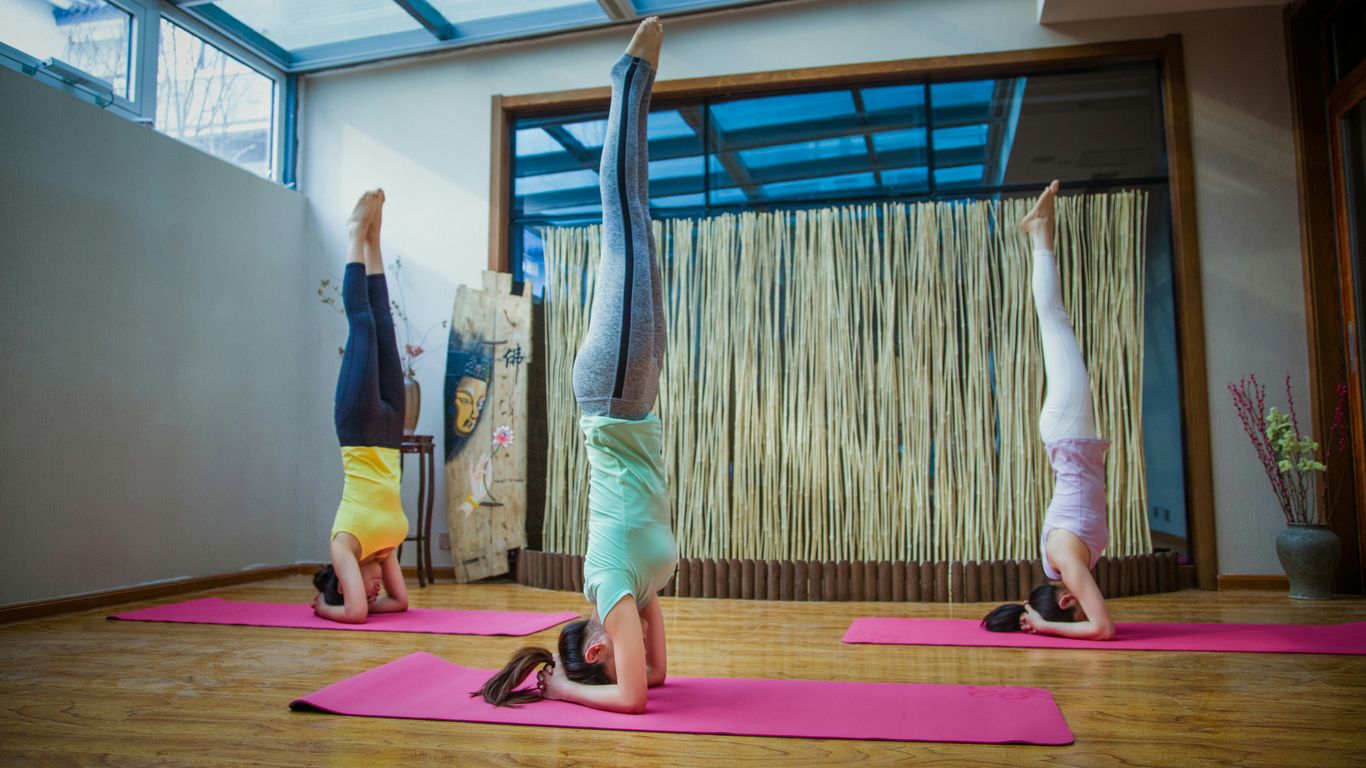
So, you've been practicing for a while, and you're feeling pretty good about the poses you know. Now, you're ready to see what else your body can do. This is where we get into the advanced stuff. It's not just about looking cool, though some of these poses definitely have that going for them. It's more about pushing your limits, building serious strength, and finding a whole new level of focus. Think of it as the final boss level of your yoga journey, but way more rewarding.
Arm Balances and Strength Development
Arm balances are where things get really interesting. They demand a lot of upper body strength, core stability, and a healthy dose of courage. It's not just about lifting yourself off the ground; it's about finding that point of stillness and control when you're literally upside down or sideways. These poses build incredible confidence and a deep connection with your physical capabilities.
- Crow Pose (Bakasana) and Side Crow (Parsva Bakasana): These are often the first arm balances people learn, but mastering them takes time. They build wrist, arm, and core strength.
- Firefly Pose (Tittibhasana): This one involves lifting your legs between your arms, requiring significant hip flexibility and core power.
- Peacock Pose (Mayurasana): A challenging pose where you balance on your hands with your body parallel to the ground, legs extended. It's fantastic for detoxifying and strengthening the core.
Mastering Inversions Safely
Getting upside down can feel like a big deal, right? Inversions are poses where your head is lower than your heart. They really make you concentrate and build up strength in your arms and shoulders. It's like your whole perspective shifts, literally. Plus, they're great for building confidence. You'll need to really trust your body and your practice to get into these.
- Handstand (Adho Mukha Vrksasana): This is a classic. It's a full-body workout that really strengthens your arms, shoulders, and core. Getting a solid handstand takes time and practice, but it's super rewarding.
- Forearm Stand (Pincha Mayurasana): Similar to a handstand, but on your forearms. This pose puts a lot of emphasis on shoulder stability and core engagement.
- Scorpion Pose (Vrschikasana): This is a more complex inversion that also involves a backbend. It requires a lot of flexibility, strength, and control.
These inversions aren't just about defying gravity; they're about finding stillness and control when your body is in an unusual position. It's a mental game as much as a physical one.
Advanced Variations in Standing Poses
Even familiar standing poses can be taken to a new level. Advanced variations often involve deeper stretches, more complex binds, or challenging transitions. They require a strong foundation in the basic pose, plus increased flexibility, balance, and focus.
| Pose Name | Primary Benefit | Notes |
|---|---|---|
| Standing Splits (Urdhva Prasarita Eka Padottanasana) with bind | Hamstring flexibility, core strength, balance | Lifting one leg high while binding hands requires significant control. |
| Sugar Cane Pose (Ardha Chandra Chapasana) | Quad stretch, balance, hip opening | A variation of Half Moon Pose, grabbing the bent foot. |
| Eagle Pose (Garudasana) variations | Balance, shoulder and hip flexibility | Advanced versions might include binding feet behind the head. |
Adapting Yoga Positions for Every Body and Experience Level
Yoga isn’t just for a certain age or body type—just about anyone can benefit by making small changes to how they practice. Making yoga poses work for you is about honoring your own comfort and limitations, not just following rules. Let’s break down a few ways to make your yoga routine more accessible, no matter where you’re starting from.
Using Props for Better Support and Alignment
Props can be your best friend in yoga. They give you extra stability and help with form. Here’s how they help:
- Blocks: Great for bringing the floor closer to you in standing poses like Triangle. Rest your hand on a block, rather than straining to reach.
- Straps: Useful when your flexibility limits your reach, like in Seated Forward Fold. Wrap a strap around your feet and gently pull.
- Bolsters and pillows: Support the back or neck in seated or reclining poses, ideal for longer, relaxing stretches.
| Prop | Pose Example | Benefit |
|---|---|---|
| Block | Triangle or Half Split | Easier reach, better alignment |
| Strap | Seated Forward Bend | Helps lengthen spine |
| Bolster | Reclined Butterfly | Relieves pressure |
Modifying Poses for Limitations
Maybe you’ve had an injury or you’re dealing with tightness, no worries—you can still practice. Consider these approaches:
- Use a chair or wall for balance with standing poses if you’re unsteady.
- Bend your knees during forward folds to ease tension in the back and hamstrings.
- Take smaller steps in transitions between poses to stay safe and stable.
There’s no gold star for achieving the deepest stretch or most dramatic pose—your comfort is what matters most on any given day.
Personalizing Your Yoga Practice
You don’t have to follow the same sequence every day. Pick and mix poses that work with your energy, mood, or time limits. Here are some tips:
- Alternate challenging poses with restful ones.
- Shorten your session if you’re tired, or take a break halfway through.
- Listen to your body and skip anything that feels wrong today, even if it felt fine last week.
Yoga should feel welcoming, not intimidating. Whether you’re new or have practiced for years, making adjustments means you’re practicing wisely—not taking shortcuts, but making the most of your own strengths. Keep experimenting, and trust that your version of each pose is just right for you.
Stability and Mindfulness: Integrating Mind and Body Through Yoga Positions
Finding real stability in yoga is about more than just holding a pose—it's about paying attention. When I first started, I thought if I could balance on one foot, that was enough. But over time, I realized yoga was actually teaching me how to be present and steady, on and off the mat. Mind and body need to work together for the practice to feel complete.
Breathwork in Each Yoga Position
Breath is your anchor in yoga—it's what keeps everything feeling connected and real. If you ever find yourself losing focus or wobbling, coming back to your breath is a lifesaver. Here are three ways breathwork can support your practice:
- Inhale to prep your body for a new movement or deepen into a pose.
- Exhale slowly to ease into stretching or relax tension.
- Hold a steady, smooth breath throughout, keeping your mind calm.
Breathing also comes in different techniques, like Ujjayi breath, which makes a soft sound in your throat and helps keep nervous energy under control. Tuning into your breath also helps with challenging poses, or when you just need to bring yourself back into the moment. For a set of poses that boost both focus and body connection, check out these yoga positions for concentration.
Cultivating Focus and Presence
Let’s be honest: distractions happen. The phone buzzes, the neighbor’s dog barks, your mind goes wild with to-dos. But yoga gives you concrete tools for getting back on track. Here’s how you can stay mindful in your practice:
- Set a clear intention before you unroll your mat (even if it’s just “I want to feel a little less frazzled”).
- Use a focusing point (drishti) during standing and balancing poses.
- Notice wandering thoughts without judgment—just bring your attention back to your breath or your body.
Holding steady in a pose for a few breaths isn’t just about physical stillness. It also means allowing your mind to settle—sometimes that’s the hardest part, but the most rewarding over time.
Listening to Your Body’s Limits
Pushing yourself too hard in yoga rarely ends well. There’s a difference between a strong stretch and real discomfort—learning that takes practice. Here’s how to know when to ease off:
- Sudden or sharp pain is always a reason to back out—never ignore it.
- Fatigue is natural, but if you can’t maintain smooth breathing, it might be time for a break.
- Modifications and props are not a sign of weakness. Use them to protect your joints and energy.
| Modification | When to Use It | Common Poses |
|---|---|---|
| Yoga block | Support balance | Triangle, Half Moon |
| Strap | Extend reach | Seated Forward Fold |
| Wall support | Extra stability | Tree, Warrior III |
The most reliable guide is your own experience. Notice how your body feels before, during, and after each practice. Over time, you’ll start to spot patterns—some days you need to rest, some days you feel ready to try something new. Staying mindful is the whole point.
Keep Practicing, Keep Exploring
So, we've gone over a bunch of yoga poses, their names, and what they're good for. It's a lot to take in, I know. But remember, yoga isn't about being perfect right away. It's more about showing up on your mat, trying things out, and paying attention to how your body feels. The names themselves are like little hints, guiding you toward what the pose is supposed to do. Don't get too hung up on getting every name right or holding every pose perfectly. Just keep moving, keep breathing, and enjoy the journey. Your body and mind will thank you for it.
Frequently Asked Questions
What are the most basic yoga poses for beginners?
For beginners, poses like Mountain Pose (Tadasana) are great for learning to stand tall and balanced. Easy Pose (Sukhasana) is a simple seated position for relaxation. Cat-Cow Pose (Marjaryasana-Bitilasana) helps make your spine more flexible. These poses build a good foundation for your yoga journey.
Why is alignment important in yoga poses?
Getting your yoga poses aligned correctly is super important because it helps you get the most benefits from each stretch and movement. It also makes sure you don't hurt yourself. When you're aligned, your body works better, and you can build strength and flexibility safely.
How can I improve my balance in yoga poses?
To get better at balancing, try to keep your core muscles tight and your knees a little bent. Focus your eyes on one spot in front of you, which helps a lot. Using things like blocks or a wall for support when you start can also make a big difference. Breathing deeply and staying calm is key!
Are yoga poses good for flexibility?
Yes, absolutely! Many yoga poses are designed to stretch your muscles and help you move more freely. Poses like Seated Forward Bend or Triangle Pose are excellent for increasing flexibility in your back, legs, and sides. Regular practice helps your body become more open and less stiff over time.
What are some poses that help build strength?
Warrior poses, like Warrior II, are fantastic for building strong legs and a stable core. Poses that involve balancing on one leg, such as Warrior III, also really work your leg muscles and core. Even basic poses done with good form can help you get stronger.
Can I modify yoga poses if I have limitations?
Definitely! Yoga is meant for everyone. You can use props like blocks, straps, or blankets to make poses easier or more comfortable. For example, if you can't reach your toes in a forward bend, a strap can help. It's always okay to adjust a pose so it feels right for your body on any given day.


