
Master Beginner Yoga Positions: A Simple Guide to Your First Poses
Here are the main things to remember as you start your yoga journey with these beginner yoga positions. Focus on these points to get the most out of your practice.
Key Takeaways
- Mountain Pose is your starting point for balance and stability.
- Child's Pose is a great way to rest and reset anytime.
- Cat-Cow Pose helps warm up your spine and improve flexibility.
- Standing poses like Warrior I and II build strength and confidence.
- Seated and lying poses like Corpse Pose help you relax and recover.
Foundational Beginner Yoga Positions
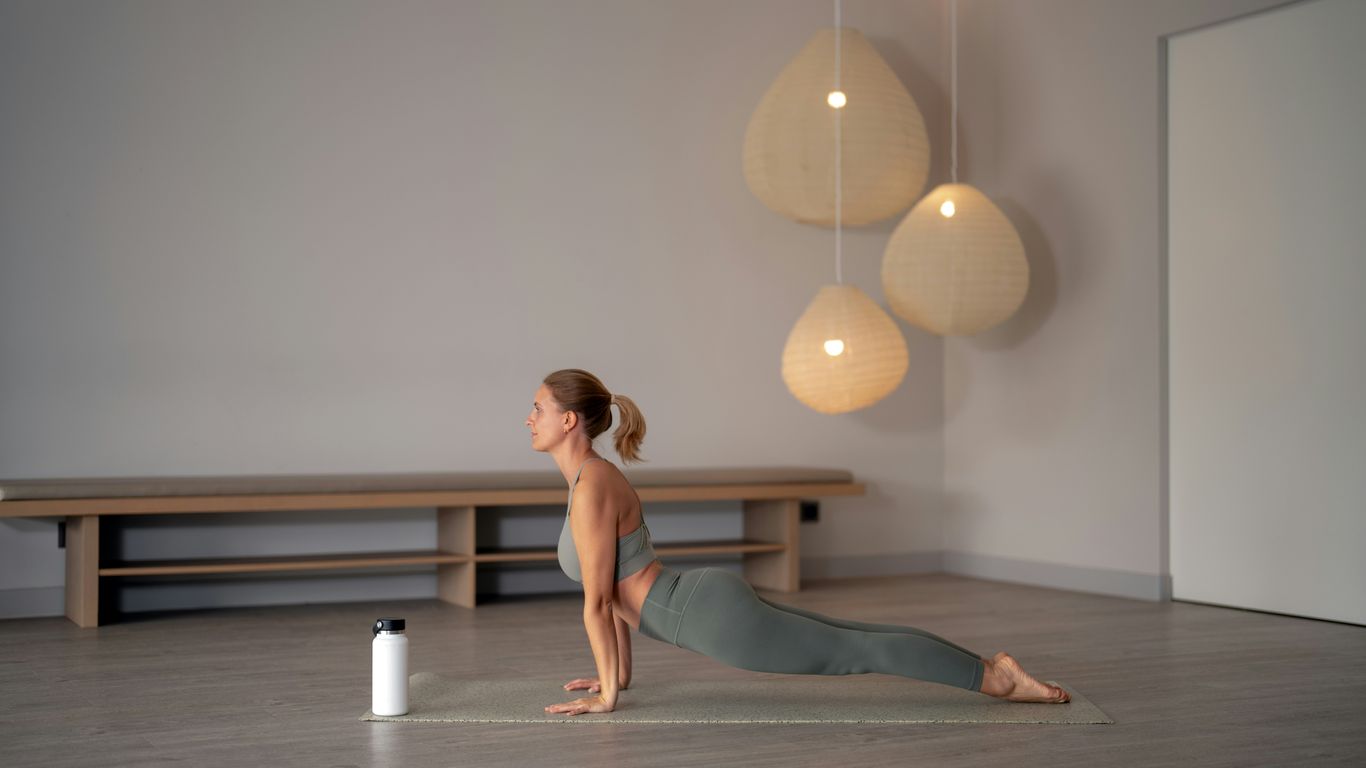
Starting your yoga journey means getting familiar with the poses that build a solid base. These aren't just warm-ups; they're the building blocks for everything else you'll learn. Mastering these foundational poses will help you feel more stable and connected in your practice. It's all about finding your center and learning to move with your breath.
Mountain Pose for Stability
Often overlooked because it seems so simple, Mountain Pose (Tadasana) is actually the bedrock of many standing yoga postures. It teaches you how to stand tall and grounded, connecting your feet to the earth. Think of it as finding your personal anchor.
Here's how to get into it:
- Stand with your feet together or hip-width apart, whichever feels more stable for you.
- Distribute your weight evenly across all four corners of your feet.
- Gently engage your thigh muscles and tuck your tailbone slightly.
- Lengthen your spine, drawing your shoulders down and away from your ears.
- Let your arms rest by your sides, palms facing forward or towards your body.
This pose is about finding stillness and awareness in your body. It helps improve posture and concentration, and it's a great way to check in with yourself before moving into more dynamic poses. You can return to Mountain Pose anytime you need a moment to reset during your practice. It's a great way to get started with yoga.
Child's Pose for Rest
Child's Pose (Balasana) is your go-to resting pose. It's a gentle way to reconnect with your breath and find a moment of calm. You can use it anytime you feel tired or overwhelmed during a class, or simply when you need a break.
To practice Child's Pose:
- Start on your hands and knees.
- Bring your big toes to touch and widen your knees about hip-width apart (or wider if that's more comfortable).
- Sink your hips back towards your heels.
- Rest your forehead on the mat, or on a block if needed.
- Extend your arms forward, or rest them alongside your body with palms facing up.
This pose offers a gentle stretch for the hips, thighs, and ankles while relieving tension in the back and neck. It's incredibly calming for the nervous system.
Cat-Cow Pose for Spinal Mobility
Cat-Cow Pose (Marjaryasana-Bitilasana) is a simple, flowing sequence that warms up the spine and links breath with movement. It's fantastic for increasing flexibility and releasing tension along your back.
How to flow between the two poses:
- Begin on your hands and knees, with your wrists under your shoulders and knees under your hips.
- Inhale as you drop your belly towards the mat, arch your back, and lift your gaze (Cow Pose).
- Exhale as you round your spine towards the ceiling, tuck your chin to your chest, and draw your navel in (Cat Pose).
- Continue flowing between these two poses, matching your breath to the movement.
This dynamic duo is excellent for improving spinal mobility and is a common starting point in many beginner-friendly yoga poses.
Standing Poses for Strength and Balance
Standing poses are where a lot of the magic happens in yoga. They're not just about looking strong; they're about building that inner strength and finding your center. Think of them as the backbone of your practice, helping you feel more grounded and steady, not just on the mat but in your everyday life too. We'll start with some key ones that really help you connect with the earth beneath your feet.
Warrior I Pose
Warrior I, or Virabhadrasana I, is a powerful pose that builds strength all over. It really works your legs and core, and it also opens up your chest and shoulders a bit. It's a bit more challenging than some other standing poses, but the payoff is big.
Here's how to get into it:
- Start standing with your feet together. Step one foot back, about three to four feet, turning your back foot out at a 45-degree angle. Your front foot points straight ahead.
- Bend your front knee so it's directly over your ankle, aiming for a 90-degree angle if you can. Keep your back leg straight and strong.
- Turn your hips and torso to face the front of your mat. As you inhale, sweep your arms up overhead, keeping them shoulder-width apart. Relax your shoulders down away from your ears.
- This pose is fantastic for improving your balance and stability.
Warrior II Pose
Warrior II (Virabhadrasana II) is another strong standing pose, but it opens up the hips and chest more than Warrior I. It's great for building stamina in your legs and shoulders.
To do Warrior II:
- From a standing position, step one foot back, wider than in Warrior I, and turn your back foot out so it's parallel to the back edge of your mat.
- Bend your front knee so it's directly over your ankle. Your front thigh should be parallel to the floor if possible.
- Extend your arms out to the sides, parallel to the floor, with your gaze over your front fingertips. Keep your shoulders relaxed.
- Your hips will naturally open to the side in this pose, which is different from Warrior I.
Triangle Pose for Elongation
Triangle Pose, or Trikonasana, is all about creating length and space in your body. It's a wonderful pose for stretching the sides of your torso, your hamstrings, and opening up your chest. It's a bit of a balancing act, but super rewarding.
Getting into Triangle Pose:
- Start with a wide stance, similar to Warrior II, with your front foot pointing forward and your back foot turned out slightly (about 45 degrees).
- Extend your arms out to the sides. As you exhale, reach your torso forward over your front leg and then tilt down, bringing your front hand to your shin, ankle, or a block. Your back arm reaches straight up towards the ceiling.
- Focus on creating a straight line from your back heel to the crown of your head. The goal is to feel a stretch along the entire side of your body.
These standing poses are more than just physical shapes; they're opportunities to connect with your inner strength and find a sense of calm presence. Don't worry if you can't get them perfect right away. The journey of practicing them is where the real benefits lie. Keep showing up for yourself on the mat, and you'll notice the difference over time. You can find more about fundamental standing yoga poses to help you get started.
Seated and Reclining Beginner Yoga Positions
Now that we've covered some foundational and standing poses, let's settle down onto the mat for some seated and reclining postures. These are often some of the most relaxing poses in a yoga practice, and they're great for winding down or finding a moment of calm. They help us connect with our breath and release tension in areas like the hips and spine.
Seated Forward Fold
This pose might look simple, but it offers a really nice stretch for the entire back of your body, from your heels all the way up to your neck. It's a great way to encourage a bit of quiet focus on your breath. To get into it, sit on your mat with your legs stretched out straight in front of you. You can place your hands on the floor next to your hips to help you sit up tall. Take a breath in and reach your arms up, lengthening your spine. Then, as you exhale, hinge forward from your hips, keeping your back as straight as you can. Let your arms rest wherever they comfortably reach – maybe your shins, ankles, or feet. Don't worry if you can't touch your toes; the goal is to feel a stretch along your back body. If your legs feel tight, it's totally okay to bend your knees a bit. You can also use a strap around your feet for a little extra help reaching.
Happy Baby Pose for Hip Release
This one is exactly what it sounds like – a playful pose that can feel really good, especially for your hips and lower back. It’s a wonderful way to release tension. Lie down on your back and bend your knees towards your chest. Then, open your knees wider than your torso and bring your arms to the inside of your legs. Reach for the outside edges of your feet, or your ankles if that's more accessible. Try to keep your lower back pressing gently into the mat. You can rock side to side a little if that feels good. It's a great pose for hip flexibility.
Corpse Pose for Relaxation
Often done at the very end of a yoga session, Corpse Pose (Savasana) is where we integrate all the benefits of the practice. It might seem like you're just lying there, but it's actually an active rest. This pose is key for calming the mind and letting the body truly relax. Lie down on your back with your legs extended and your arms resting comfortably by your sides, palms facing up. Let your feet fall open naturally. Try to release any tension you're holding in your shoulders, neck, and jaw. Just focus on your breath and allow yourself to be still for a few minutes. It's a simple yet profound way to end your practice.
Even though it's the last pose, don't skip it. It's where your body and mind get to absorb everything you've just done on the mat. Think of it as a reset button for your whole system.
Poses to Build Core and Leg Strength
Alright, let's talk about building a solid foundation. These next few poses are all about getting that core and those legs working. It's not just about looking good; it's about feeling strong and stable from the inside out. Think of it as building the engine for your yoga practice.
Chair Pose for Foundational Strength
Chair Pose, or Utkatasana, might look simple, but it packs a punch. It's like a mini squat that really wakes up your thighs and glutes. Plus, it’s fantastic for engaging your abdominal muscles, which is key for pretty much everything else in yoga. This pose is a gateway to many more advanced movements.
Here's how to get into it:
- Start standing with your feet together or hip-width apart.
- As you inhale, sweep your arms up alongside your ears, palms facing each other.
- As you exhale, bend your knees as if you're about to sit in a chair. Keep your knees tracking over your toes and try to get your thighs parallel to the floor if you can. Drop your hips back and down.
- Keep your chest lifted and your spine long. Avoid hunching your shoulders.
If this feels like too much, don't worry! You can bring your arms out in front of you for balance, or even just bend your knees a little less. The goal is to feel the engagement without straining.
Downward-Facing Dog for Full Body Stretch
Ah, Downward-Facing Dog (Adho Mukha Svanasana). This is one of those poses you'll see everywhere, and for good reason. It's a bit of a superhero pose because it works so many parts of your body at once. It stretches out your hamstrings and calves, strengthens your arms and shoulders, and helps to decompress your spine. It's also a great way to calm your mind.
Let's break it down:
- Start on your hands and knees, with your hands directly under your shoulders and your knees under your hips.
- Tuck your toes under and, as you exhale, lift your hips up and back, forming an inverted 'V' shape with your body.
- Press firmly through your palms, spreading your fingers wide. Let your head hang loosely between your arms, in line with your spine.
- Try to straighten your legs and send your heels towards the floor. Don't worry if they don't touch – that's totally normal, especially when you're starting out. You can also keep a slight bend in your knees if your hamstrings feel tight.
This pose is a wonderful way to reset and find a moment of stillness. It's a chance to breathe deeply and feel your body lengthen. Don't push too hard; listen to what your body needs on any given day. The benefits are cumulative, so consistency is more important than intensity.
Downward-Facing Dog is a pose that truly connects your upper and lower body, making it a fantastic choice for building overall strength and flexibility. It's a pose you can return to again and again, finding new sensations each time. You can find more about building core strength with yoga poses like this one on yoga for core strength.
Remember, the key with these poses is to focus on your breath and listen to your body. It's not about perfection, it's about progress and building a connection with yourself. Keep practicing, and you'll feel the difference!
Gentle Poses for the Spine and Shoulders
Sometimes, after a long day, your spine and shoulders just feel… tight. You know that feeling? Like you've been carrying the weight of the world. These next few poses are designed to gently ease that tension, bringing some much-needed relief and opening up your upper body. They're not about pushing yourself, but about finding a little bit of ease and space.
Cobra Pose for Chest Opening
This pose is fantastic for counteracting all that time spent hunched over a desk or phone. It gently arches your back and opens up your chest and shoulders. To get into it, lie down on your belly with your legs extended and the tops of your feet on the floor. Place your hands flat on the mat, directly under your shoulders. Take a breath in, and as you exhale, gently press into your hands to lift your chest off the floor. Keep your hips and thighs grounded – this isn't a push-up! Think about drawing your shoulder blades back and down, creating space across your collarbones. Your gaze can be slightly forward and up. Hold for a few breaths, then slowly lower back down. It’s a simple movement, but it really makes a difference in how your chest and shoulders feel.
Low Lunge for Hip Flexors
While this pose targets the hip flexors, it also has a wonderful effect on the spine and shoulders by encouraging better posture. Start by stepping one foot forward into a lunge, with your back knee on the ground. Make sure your front knee is stacked directly over your ankle. You can keep your hands on the floor on either side of your front foot, or for a deeper stretch, bring your hands to your front thigh. As you settle into the lunge, consciously lengthen your spine. Imagine a string pulling the crown of your head towards the ceiling. This action helps to decompress the spine and can also help to broaden your chest. It’s a great way to release tension that can build up from sitting for long periods, and it can help with low back pain.
Here’s a quick breakdown of how to get into Low Lunge:
- Start on your hands and knees.
- Step your right foot forward between your hands.
- Lower your left knee to the ground, keeping the top of your left foot flat.
- Ensure your right knee is directly above your right ankle.
- Gently press your hips forward and down, feeling a stretch in your left hip flexor.
- Lengthen your spine and lift your chest.
This sequence is about finding a gentle opening. Don't force anything. If a pose feels too intense, simply back off a little. The goal is to create space and ease, not to strain.
Conclusion
Getting started with yoga doesn't have to be complicated. By focusing on these beginner yoga positions, you're building a solid base for your practice. Remember to listen to your body, be patient with yourself, and enjoy the journey. Each pose is a step towards greater strength, flexibility, and peace. So roll out your mat and give these poses a try – you might be surprised at how good you feel!
Frequently Asked Questions
What's the best way to start yoga?
The best way to start is by learning some basic yoga positions. Things like Mountain Pose and Child's Pose are super simple and a great way to get comfortable on your mat. Don't worry about being perfect; just focus on moving your body and breathing.
How often should I practice beginner yoga positions?
Even doing these poses a few times a week can make a difference. Maybe try for 15-20 minutes every other day. Consistency is more important than doing long sessions rarely. Your body will thank you for the regular movement.
Do I need special equipment for beginner yoga?
Not really! A yoga mat is helpful for grip and cushioning, but you can start on any comfortable surface. If you have blocks or a strap, they can help make some poses easier, but they aren't required to begin.
What if I can't do a pose perfectly?
That's totally okay! Yoga is not about perfection. It's about how you feel in the pose and listening to your body. Most poses have easier ways to do them, called modifications. Just do what feels right for you.
Which beginner yoga positions are good for stress relief?
Poses like Child's Pose are fantastic for calming down. Seated Forward Fold can also be very relaxing. Even just focusing on your breath in any pose can help melt away stress. Remember Corpse Pose at the end is all about relaxation.
Can yoga help me get stronger?
Yes, definitely! Poses like Chair Pose and Warrior poses build strength in your legs and core. Even simple poses help you become more aware of your body and build stability, which is a form of strength too.


