

JadeYoga Mat guide: How to choose, use, and care for your mat
Key Takeaways
A good mat should suit the way you practice, travel, and care for your gear. A few practical checks can make the choice clearer.
- Match thickness and grip to your usual practice.
- Consider the mat’s size and weight before buying.
- Review model details rather than relying on names alone.
- Follow the care instructions for your specific mat.
- Check current price, shipping, and return terms.
What makes a JadeYoga mat different
A mat’s material and construction shape how it feels under your hands and feet. Natural rubber is a defining feature of several JadeYoga mat options, and the brand’s product information describes rubber tapped from trees. The feel that suits one practitioner may not suit another, so it helps to consider both grip and practical trade-offs before choosing.
Natural rubber construction and feel
Natural rubber has a distinct feel compared with many synthetic mat materials. A mat made with it may feel flexible and substantial, though your impression will depend on the particular model and your practice space. Check the product description for its stated material rather than assuming every mat in a collection has the same construction.
Grip and performance during practice
Grip matters most when your hands or feet shift during transitions or standing poses. JadeYoga describes its natural rubber mats as providing traction for practice, but how secure a mat feels can still vary with moisture, surface cleanliness, and the floor beneath it. If you want to review the range and its stated features, browse these mat thickness options before settling on a model.
Eco-conscious materials and manufacturing
Material choices are one part of a mat’s overall footprint. Jade’s product information describes its natural rubber as tapped from rubber trees, a rapidly renewable resource, and says that mats are made in the United States. Those claims can help inform a purchase, but it is still worth checking the current listing for the exact material and manufacturing details of the model you are considering.
Trade-offs to consider before buying
Natural rubber will not be the right fit for everyone. Some people need to avoid latex, while others may prioritize lower weight or a mat that packs down easily. Start with your real routine—where you practice, what you carry, and how much cushioning you prefer—rather than choosing on material alone.
How to choose the right JadeYoga mat
Start with how and where you practice most often. A mat for a regular home routine can be a different choice from one that needs to travel between a studio, a hotel room, or a park. Before comparing products, think about the balance you want between cushioning, stable footing, and a manageable carry.
Match the mat to your yoga style
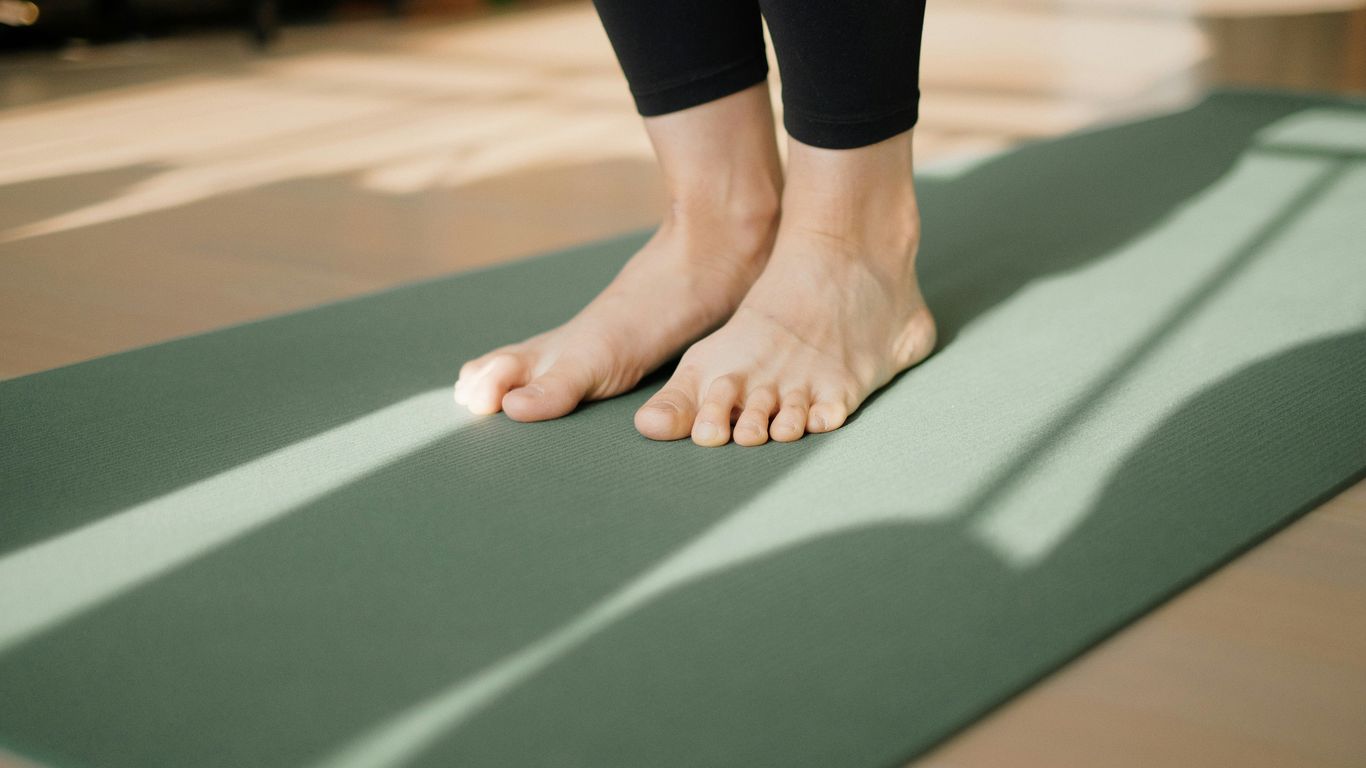
A steady, slower practice may make cushioning feel especially important, while a more dynamic sequence can put a premium on traction and a stable base. Think about the poses and transitions you repeat most, not only the style label. If you practice in different locations, portability becomes part of the decision too; a foldable travel mat is one example of how mat designs can address that need.
Compare thickness, cushioning, and stability
Thickness affects how much padding sits between you and the floor, but more padding is not automatically better for every pose. Compare listed dimensions and descriptions, then consider how the mat feels during balance work as well as kneeling or seated movement. If you have a sensitive joint or prefer a firmer connection with the floor, those preferences may point in different directions.
Choose a size and weight for your routine
Check the mat’s length and width against the space where you usually practice, and consider its weight if you carry it often. A wider or longer mat can provide more room, but it may be less convenient to transport. A quick look at the measurements can help keep the choice grounded in everyday use.
| Option | Listed thickness | Practical consideration |
|---|---|---|
| Jade Harmony | 5 mm | A middle-ground thickness for regular use |
| Jade Fusion | 8 mm | More cushioning than the Harmony |
| Jade Travel | 3 mm | A thinner option for portability |
| Jade Voyager | 1.6 mm | The thinnest of these listed options |
The dimensions and thicknesses above are drawn from the available product information; check current listings for full measurements and any model updates. A thinner mat can be easier to carry, while a thicker one may feel more cushioned. The right balance depends on where you practice and what you are comfortable bringing along.
Consider latex sensitivities and care needs
If you have a latex sensitivity, check the material details carefully before buying a natural rubber mat and ask a qualified professional if you are unsure whether it is appropriate for you. Also read the care guidance before making a decision, since cleaning and storage can vary by material. It is better to confirm these details up front than to rely on assumptions based on a product family name.
Comparing popular JadeYoga mat options
The Harmony, Fusion, and travel-oriented models differ in thickness and intended convenience, so compare their specifications rather than treating one as a universal choice. The product descriptions available here list several thicknesses, but dimensions, weight, and other details should be checked on the current product page. A little comparison can reveal which trade-offs matter most for your routine.
Jade Harmony for everyday practice
The Jade Harmony is listed at 5 mm thick. That makes it a useful point of comparison for someone considering a moderate thickness rather than the thinner travel options or the more cushioned Fusion. Check the model’s current listing for available lengths and other specifications before ordering.
Jade Fusion for extra cushioning
The Jade Fusion is listed at 8 mm thick, giving it more thickness than the Harmony. That may appeal if you are looking for additional padding, though thickness alone cannot tell you whether the mat will feel stable for your balance work. Consider where you practice and what you want from the surface before deciding.
Travel-friendly options for portability
The Jade Travel is listed at 3 mm, and the Jade Voyager at 1.6 mm. Those thinner profiles may be worth comparing if carrying weight and packability matter more to you than extra cushioning. Check the current product details for dimensions and weight, since thickness by itself does not tell the whole portability story.
How to compare models by dimensions and features
Product names give you a starting point, but measurements make the comparison more useful. The table below brings together the thickness information in the available descriptions; it does not replace checking a current listing for full dimensions, weight, or other features.
| Model | Thickness in available information | Compare before buying |
|---|---|---|
| Harmony | 5 mm | Length, width, and carry weight |
| Fusion | 8 mm | Cushioning preference and storage |
| Travel | 3 mm | Packability and floor comfort |
| Voyager | 1.6 mm | Portability and desired padding |
Use the listed thickness as one factor, not as a verdict. If you are deciding between a mat for home and one to carry regularly, consider where each option will live and how often you will move it. Current product pages are the best place to confirm the details that matter to your choice.
How to use your mat for better grip
Even a grippy mat needs a suitable setup. Dust, moisture, and a slick floor can affect how secure the surface feels, so begin with the basics before changing your practice. Small adjustments can help you feel steadier without putting extra products on the mat.
Set it up on a clean, dry surface
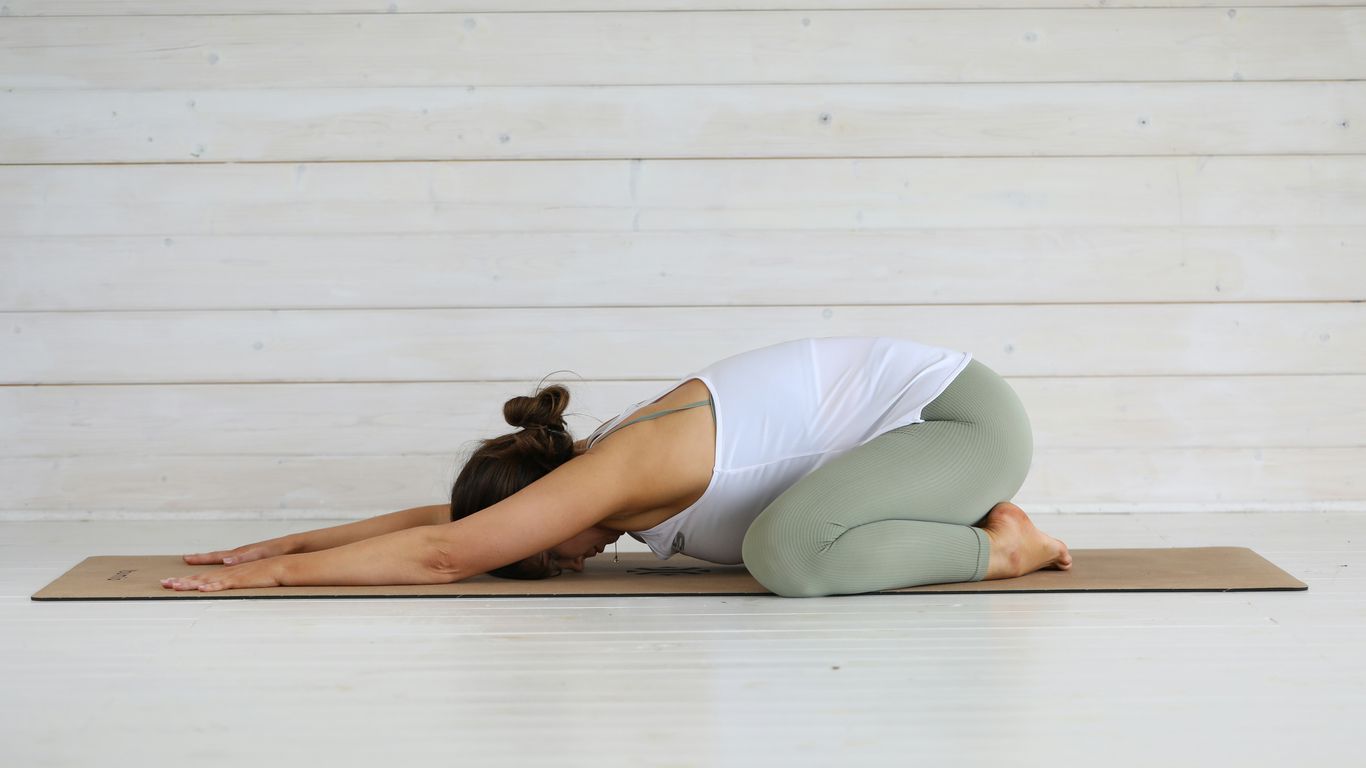
Place the mat on a floor that is clean, dry, and free of loose debris. Let it lie flat, and check that the floor itself is not slippery or uneven. A mat’s surface can only do so much if the layer beneath it shifts.
Adjust your practice for sweaty conditions
Moisture can change the way hands and feet contact a mat. If you become sweaty, pause to dry your hands or adjust your pace rather than pushing through a pose that feels unstable. For an overview of the product’s stated grip and model range, see the mat collection and verify the details for the specific option you own.
Prevent slipping without damaging the mat
Avoid applying household cleaners, oils, or other substances unless the maker’s care guidance says they are appropriate. These can leave residue or affect the surface. If you need extra help with sweat, choose an accessory designed for yoga practice and check that it is suitable for your mat’s material.
Improve stability during standing poses
When standing, place your feet with even pressure and notice whether the mat is flat beneath them. If you feel unstable, adjust your stance or move to a less slippery part of the floor rather than forcing the pose. A moving guide may seem far removed from practice, but the same practical habit applies: plan around the space and conditions you actually have.
How to clean and maintain a JadeYoga mat
Regular, gentle care can keep a mat more pleasant to use. Because care instructions depend on the material and model, begin with the manufacturer’s current guidance rather than applying a one-size-fits-all cleaning routine. Let sweat and residue prompt a light clean, and give the mat time to dry before storing it.
Follow the care guidance for your specific model
Check the product’s care instructions before choosing a cleaner or cleaning method. If the guidance is unclear, ask the seller or manufacturer before using a new product on the surface. This is especially useful when a mat has a particular material or finish that may require different handling.
Clean away sweat and residue after practice
After practice, wipe the surface using a method permitted by the mat’s care guidance. It is usually easier to deal with light residue regularly than to wait until it has built up. For a simple routine, keep the steps modest:
- Check the care instructions for the mat.
- Remove loose dust or debris gently.
- Wipe away sweat using an approved method.
- Let the mat dry fully before rolling it up.
Once clean, allow the surface to dry completely before you put the mat away. If it still feels damp, give it more time rather than sealing in moisture. A routine that is easy to repeat is more useful than an elaborate one you rarely follow.
Dry and store the mat properly
Store a mat only when it is dry, and keep it away from places where it may be crushed, folded awkwardly, or exposed to conditions that conflict with its care guidance. If you carry your mat often, make sure it is secured without putting unnecessary strain on the surface. A consistent storage spot can make it easier to keep the mat ready for your next practice.
Avoid habits that can shorten its lifespan
Do not assume that every cleaner or storage method is safe for every mat. Skip harsh products and prolonged damp storage unless the maker specifically recommends otherwise. Treat wear as a cue to inspect the surface and revisit the care guidance, rather than trying an aggressive fix that could cause further damage.
What to know before buying a JadeYoga mat
Before placing an order, confirm that the selected model suits your routine and that its current specifications match what you expect. Prices, warranties, shipping, and returns can change, so check the seller’s latest terms instead of relying on an old listing or recommendation. It can also help to think about other researched purchases: maple cutting boards, Birdseye Maple, the Sniff App, and the DJI Mavic Pro each call for their own checks before buying.
Check current prices and warranty details
Review the current price and warranty terms for the exact mat and seller you plan to use. Confirm which model, size, and options are included, and look for any stated limits on coverage. A lower listed price is not a full comparison unless you know what is included.
Review shipping and return policies
Check delivery estimates, shipping costs, and return conditions before checkout. Pay particular attention to whether a returned mat must be unused or in its original packaging. These details can matter if the size, feel, or weight is not what you expected once the product arrives.
Weigh durability against cost
Think about how frequently you will use the mat and how you plan to care for it. A mat used daily may justify a different budget from one reserved for occasional practice, but price alone cannot predict lifespan. Read the product details and warranty terms, then decide whether the purchase makes sense for your own use.
Consider how the mat fits your long-term practice
Your routine may change: you might practice at home more often, travel more, or want a different amount of cushioning. Choose based on what you expect to do, while leaving room for those shifts. If portability is central, compare the mat’s actual dimensions and weight with how you plan to carry it.
Conclusion
Choosing a mat is mostly a matter of matching its material, thickness, size, and care needs to the way you practice. Compare current product details, consider how often you will carry it, and choose an option that feels practical for your routine rather than chasing a single feature.
Frequently Asked Questions
How thick should a yoga mat be?
That depends on your preference for cushioning and stability. Compare the listed thickness with how you feel during standing, kneeling, and seated poses.
Is a thicker yoga mat always more comfortable?
Not necessarily. More padding may feel welcome in some positions, while a firmer connection with the floor may feel steadier in balance poses.
How do I keep my yoga mat from slipping?
Start with a clean, dry mat on a clean, dry floor. If slipping continues, check for moisture and consider whether the floor beneath the mat is moving.
How often should I clean a yoga mat?
Clean it when sweat or residue builds up, using a method that is appropriate for its material. Follow the maker’s instructions for the specific mat.
Can I use household cleaner on a yoga mat?
Check the care guidance first. Some cleaners may not be suitable for a mat’s material or finish, so avoid experimenting without confirmation.
How should I store a yoga mat?
Let it dry fully before storing it, then keep it in a place that protects it from damage and follows the manufacturer’s storage guidance.
What should I check before buying a yoga mat?
Review its material, dimensions, thickness, and weight, along with current price, warranty, shipping, and return terms. Consider where and how often you will use it.

