
How to choose the best yoga mat thickness for your practice
Key Takeaways
Choosing the right equipment ensures your practice remains comfortable and effective regardless of your primary environment.
- Thinner mats offer superior ground connection for balance-intensive poses.
- Thick cushioning provides essential relief for sensitive knees and wrists.
- Material density dictates how quickly a surface may degrade under regular use.
- Portability is a major factor for practitioners who frequently travel or practice outdoors.
- Matching mat weight with your daily routine prevents unnecessary physical strain during transport.
Understanding standard yoga mat dimensions
Yoga mats come in a wide variety of thicknesses designed to cater to different needs, from minimalist travel companions to plush cushions. Navigating these options can seem daunting, but observing your typical practice surface provides a clear roadmap. The best yoga mat thickness is essentially a compromise between what supports your joints and what keeps your base of support steady.
The range of thickness options available
Most entry-level mats fall into a standard range, typically between 3mm and 5mm, which serves the majority of general practitioners well. Thinner mats, often measuring 1mm to 2mm, prioritize compactness, while thicker variations reaching 6mm or more focus heavily on impact absorption. Understanding these dimensions helps you decide which profile suits your specific movement patterns before committing.
Why thickness impacts stability and joint comfort
Greater thickness often correlates with a softer "give," which can be a double-edged sword during balancing postures. While cushioning prevents hard floor impact, an overly squishy surface may lead to wobbling or lost focus in challenging positions. Finding the sweet spot ensures your joints are protected without sacrificing the firm foundation required for proper alignment.
Portability versus cushioning tradeoffs
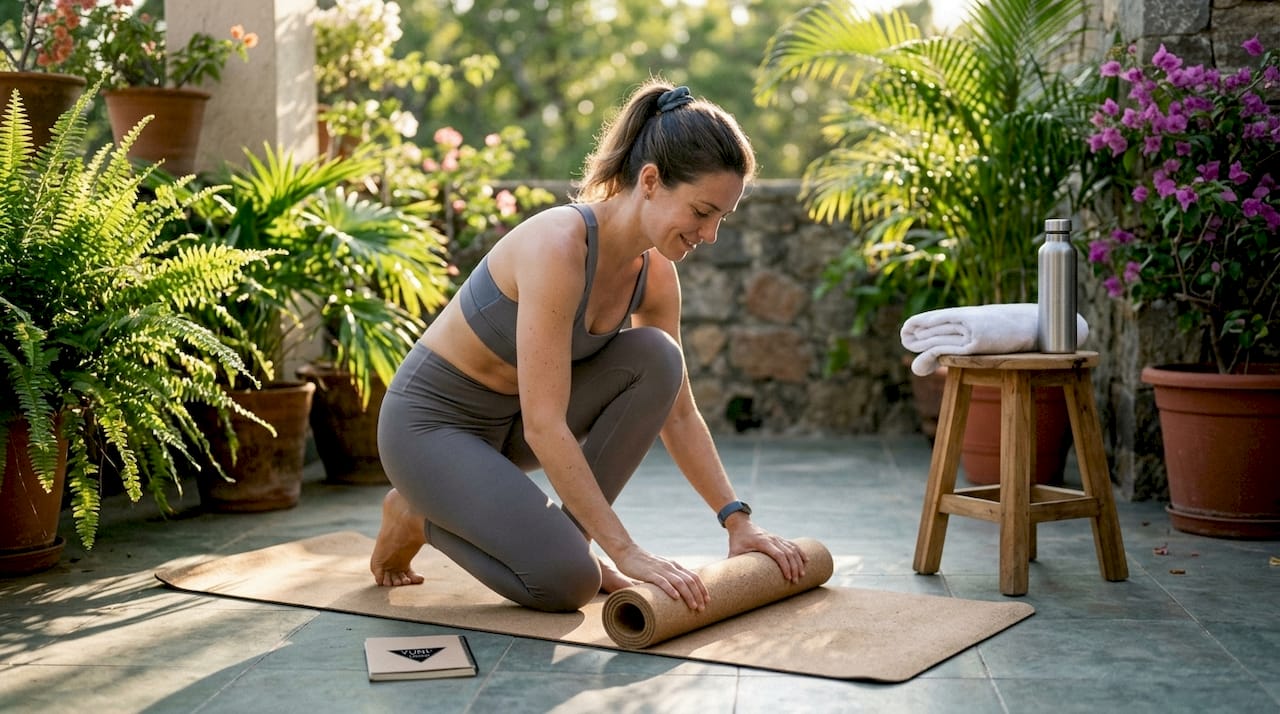
If you prefer taking your practice to the park or a hotel room, you might appreciate the convenience offered by Yune Yoga mats, which prioritize a fold-up design without compromising essential utility. Balancing the desire for a thick, luxurious cushion against the physical weight of traditional rubber is a common hurdle for mobile practitioners. Heavy-duty options look great at home but require significant effort to transport, making portable alternatives a more attractive choice for active lifestyles.
Choosing thickness based on your yoga style
Different modalities demand varied levels of support, so your primary yoga style is the most reliable guide for your purchase. A setup that works perfectly for a calm, seated session might feel entirely inadequate when transitioning to dynamic, high-impact sequences.
Best thickness for restorative and yin yoga
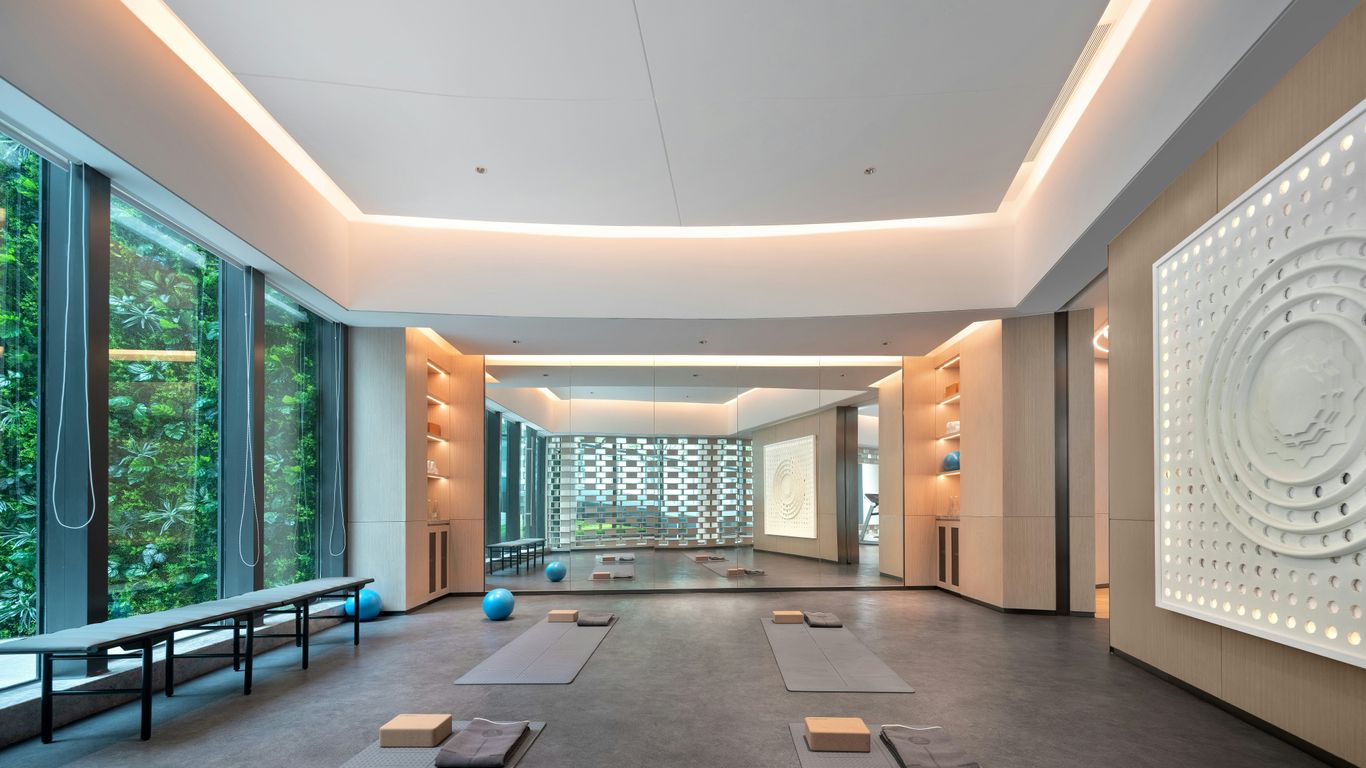
Restorative sessions emphasize long holds and passive stretching, meaning you are spending most of your time on the floor. For these moments, choosing a mat on the thicker side ensures that knees and hips stay comfortable against potentially hard studio floors. Extra padding here is a welcome luxury that allows for deeper relaxation without physical distraction.
Optimal padding for power flow and vinyasa
Power-oriented styles feature quick transitions and active weight-shifting, requiring a surface that neither drags on your momentum nor sinks underfoot. Testers often rely on 9 best thick yoga mats for 2026 to compare models that provide just enough give for jump-throughs without feeling like walking on sand. These dynamic practices benefit from a standard density that snaps back quickly, maintaining consistent performance throughout the flow.
Minimum requirements for hot yoga
Hot yoga environments introduce sweat, which turns standard surfaces into slick, dangerous slips if the top layer isn't optimized for moisture. In these conditions, many practitioners look for Yune Yoga towels to layer over their mats to ensure better grip during intense sessions. The thickness is less critical here than the material's ability to resist saturation while remaining stable under constant pressure.
The relationship between density and joint protection
Density is the hidden metric that dictates how long a mat will resist wear and how much internal force it can absorb. A thin mat of extremely high density might provide more genuine support than a thick mat made of porous, airy material.
How high-density foam prevents bottoming out
Low-density foams crush quickly, meaning you feel the floor beneath you almost immediately during kneeling or inversions. High-density materials maintain their structure under distributed weight, effectively creating a persistent cushion that prevents that familiar "bottoming out" sensation. Understanding material quality is key when you want a long-lasting Yoga mat guide to inform your purchase, ensuring you invest wisely in performance equipment.
Protecting wrists, knees, and ankles
When we look at body mechanics, certain joints are prone to irritation if the surface creates undue pressure points. Adding an extra layer or selecting a high-density model significantly reduces the risk of long-term discomfort in sensitive areas like the wrists or knees. This focus on physical safety helps practitioners maintain consistency, avoiding unnecessary injuries that might result from training on inadequate floors.
Assessing mat firmness versus softness
Choosing between firmness and softness usually comes down to individual preference regarding proprioception—that sense of feeling the ground beneath you. Some practitioners prefer a harder landing to feel rooted, while others crave the cloud-like comfort of softer materials. Comparing different mat setups helps clarify this choice:
| Surface Type | Firmness Level | Best Use Case |
|---|---|---|
| High Density | Firm | Power Vinyasa |
| Medium Density | Balanced | General Practice |
| Low Density | Soft | Yin/Restorative |
Selecting based on this breakdown prevents buying a mat that feels disconnected from your actual, daily practice intensity.
Balancing portability with performance
Maintaining a functional space at home while ensuring the ability to practice on the go requires a strategic approach. It is often necessary to distinguish between your primary "studio" setup and lighter gear intended for travel.
Travel-friendly thin mats under 2mm
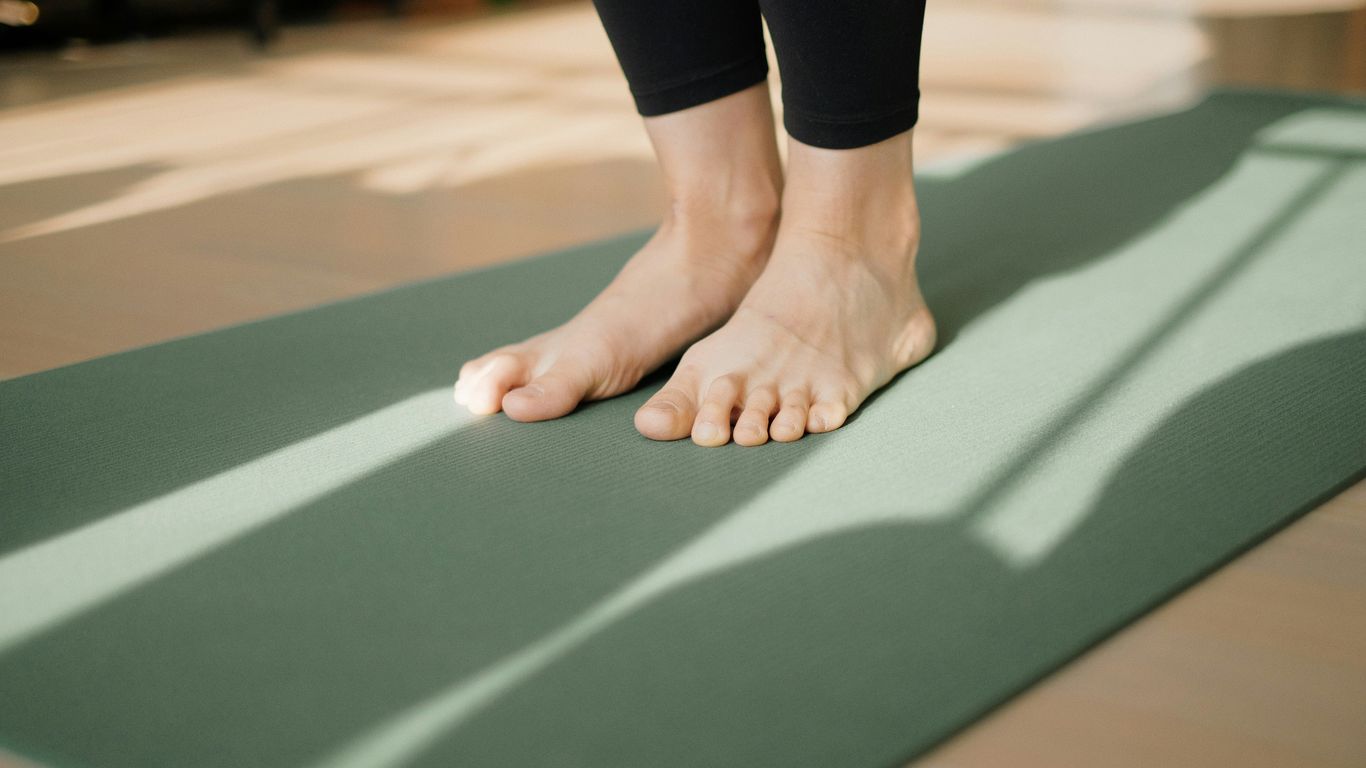
These minimalist options provide a clean barrier from the floor, perfect for those who prioritize weight above all else. They might not offer extensive plushness, but their ability to fold into small bags makes them the ideal choice for frequent flyers. For active travelers, Yune Yoga provides excellent solutions that emphasize this kind of extreme portability without neglecting the surface grippiness required for effective movement.
Mid-range mats for daily home use
Mid-range thicknesses provide the most versatile solution for everyday routines, bridging the gap between comfort and stability. These mats are light enough to store away in a closet but thick enough to accommodate a wide variety of floor types, from wood to carpet. They are essentially the workhorses of the industry, keeping your setup simple while offering consistent performance.
Heavy-duty mats for home studios
When you have the luxury of a permanent space, you can opt for thicker, heavier materials that never need to be moved. These setups often remain rolled out or lightly hung, meaning you can prioritize absolute maximum cushioning for extreme joint relief. Investing in the best yoga mats of 2026 for a home studio often means selecting models that favor density and weight over portability, as comfort becomes the priority.
Material influences on effective mat thickness
Material composition is just as important as the physical height of the mat. A thin rubber mat may feel more cushioned than a thick, cheap foam mat because of natural material resilience.
Comparison of PVC, rubber, and TPE density
Rubber is known for its incredible grip and longevity, though it is often heavier than synthetic alternatives. TPE typically offers a lighter, more forgiving cushion with a closed-cell structure that is easier to clean. PVC remains a classic standard, chosen by many for its reliability, though material preferences often shift based on personal sustainability values and surface stickiness.
How closed-cell structure affects perceived cushioning
Closed-cell structures prevent moisture and sweat from seeping into the core, keeping the mat cleaner and more hygienic over time. Interestingly, this structure also forces air pressure to work against your weight, creating a firmer, more responsive feel during movement. Open-cell mats might feel softer, but they can be more prone to absorbing odors and retaining moisture, which impacts long-term wear.
Durability of different materials over time
Understanding how materials age helps you predict if you will need a replacement in six months or six years. Rubber tends to hold its density indefinitely, whereas some cheaper synthetic blends may begin to "shed" or crack after years of frequent folding and unfolding.
- Check for surface wear after deep, heavy sessions.
- Clean the mat regularly to stop material breakdown from oils.
- Keep the mat away from direct sun to prevent brittleness.
- Rotate your start position to distribute wear evenly.
Implementing these simple care steps ensures your surface maintains its integrity, helping you avoid premature degradation regardless of the material's nominal thickness.
Testing the perfect mat for your body type
Your skeletal structure and individual joint sensitivity dictate what "perfect" means for you. What feels like enough padding for a lighter person might feel like no padding at all for someone with a larger frame.
Considerations for practitioners with sensitive joints
If you frequently deal with discomfort, avoid thin mats entirely; you need the extra buffer that a 5mm or 6mm option provides. Don't be afraid to test different materials, as the way a specific foam reacts to your knees is entirely unique to your body mass.
Matching mat weight to lifestyle needs
If you find yourself skipping class because your bag feels too heavy, your mat is likely the culprit. Opting for a lighter mat that still offers adequate mid-range thickness can be the difference between practicing at the studio or just sticking to your living room. Consider the total load if you carry your gear on a bike, a commute, or even walking to a local park.
Adjusting for floor surface variations
Practicing on hardwood is fundamentally different than training on concrete or thick office carpet. If you primarily work on hard, unforgiving surfaces, you may need that extra millimeter of foam to compensate for the lack of floor give. Conversely, if your home space is carpeted, you might prefer a thinner, firmer mat to maintain balance, as the carpet provides its own level of instability.
Conclusion
Selecting the right mat is a practical decision that directly affects your daily motivation, joint health, and overall consistency. By focusing on your specific style, the density of the material, and your personal travel needs, you can easily find a setup that improves your movement without needing overly technical guidance. Whether you prioritize deep, cushioned joints or a firm, travel-ready foundation, take the time to test your options in common environments until you find the perfect balance that makes every practice session feel like a welcome return to form.
Frequently Asked Questions
Is a thicker yoga mat always better for beginners?
Not necessarily, as thicker mats can sometimes make balancing poses more difficult due to the squishy surface. Beginners should aim for a mid-range thickness to enjoy a balance of comfort and stability.
How do I clean a mat to maintain its thickness?
Avoid using harsh chemicals or submersing the mat fully in water, as this can degrade the internal foam structure. A gentle wipe-down with mild soap and water, letting it air dry away from direct sunlight, is the best way to extend its lifespan.
Can I use a regular fitness mat for yoga?
While potential, fitness mats are often much thicker and spongier than yoga mats, which can hinder your ability to hold steady poses. They are better suited for floor exercises like Pilates or HIIT where balance is less of an issue.
Does mat texture relate to thickness?
Texture is usually independent of thickness; it relates more to grip and material type. You can find very thick mats with smooth textures or very thin travel mats with deeply etched patterns.
How often should I replace my yoga mat?
Replacement depends on how much you practice and the material quality. If you notice structural flattening, a loss of surface grip, or tears in the core material, it is likely time to invest in a new one.
Is it possible to use two mats for more cushion?
Yes, some practitioners enjoy layering a thinner, grippier mat on top of a thicker, high-support mat. This provides both the necessary cushioning for joint protection and the stable, tacky surface required for confident movement.
What is the standard measurement for travel mats?
Travel mats usually fall between 1mm and 2mm to ensure they can be folded or rolled tightly. They prioritize portability over long-term comfort for hour-long sessions, serving as a clean, reliable barrier for your floor sequences.