
How to Choose the Best Towel for a Hot Yoga Mat
Key Takeaways
The right towel for hot yoga should stay put, manage sweat, and fit the way you practice. A few practical checks matter more than color or clever marketing.
- Choose full-length coverage for heated classes and sweaty flows.
- Look for absorbent fabric that dries quickly between sessions.
- Check the towel’s underside, dimensions, and compatibility with your mat.
- Use a hand towel as a useful extra, not a replacement for mat coverage.
- Wash and dry the towel promptly to keep it fresh and dependable.
Understand why a towel for a hot yoga mat matters
A heated room changes the way your mat feels beneath your hands and feet. Sweat can collect quickly, making transitions less comfortable and forcing you to pause to readjust. The best towel for hot yoga mat practice gives that moisture somewhere to go while creating a more consistent surface. It can also make a shared studio mat feel cleaner and more personal.
Absorbing sweat during heated practice
Hot yoga towels are made to catch perspiration where it lands, especially beneath your hands, feet, knees, and forearms. A full-size towel reduces the need to wipe the mat repeatedly, so your attention stays on the sequence rather than the puddles forming underneath you. Absorbency is particularly useful during longer classes, when a small towel may become saturated before the final pose.
Improving grip during transitions and poses
A towel cannot correct every slipping problem, but it can help manage the moisture that makes a mat slick. Look for a surface that feels secure when damp and an underside that does not bunch as you move. Reliable traction matters most during changes between poses, when a wrinkled or shifting towel can be more distracting than helpful.
A light mist of water can sometimes improve the feel of a microfiber surface, though the exact amount depends on the towel. The The Reed Yoga Towel is described as having a slip-resistant silicon underside and being suitable for intense sessions such as Bikram yoga, which illustrates why backing and surface texture deserve equal attention.
Protecting the mat from moisture and odor
Sweat left on a mat can create a lingering smell and add to the cleaning work after class. A towel acts as a washable layer between your body and the mat, collecting much of that moisture before it spreads across the surface. It is not a substitute for cleaning, but it can make a simple wipe-down more manageable when used consistently.
Creating a more comfortable practice surface
Some towels add a softer, slightly cushioned layer without changing the height of the mat too much. That can feel pleasant under knees or hands, particularly on a firm studio surface. If you already use a thick mat, however, a bulky towel may feel unstable, so comfort should be balanced with a flat, close-to-the-floor feel.
Compare the main types of hot yoga towels
Towels vary in purpose as much as mats do. Some cover the entire practice area, while others are meant for quick wipe-downs or targeted support under the hands. Consider where sweat collects, how much space you have in your bag, and whether you want one towel to work for several activities.
Full-size mat towels for complete coverage
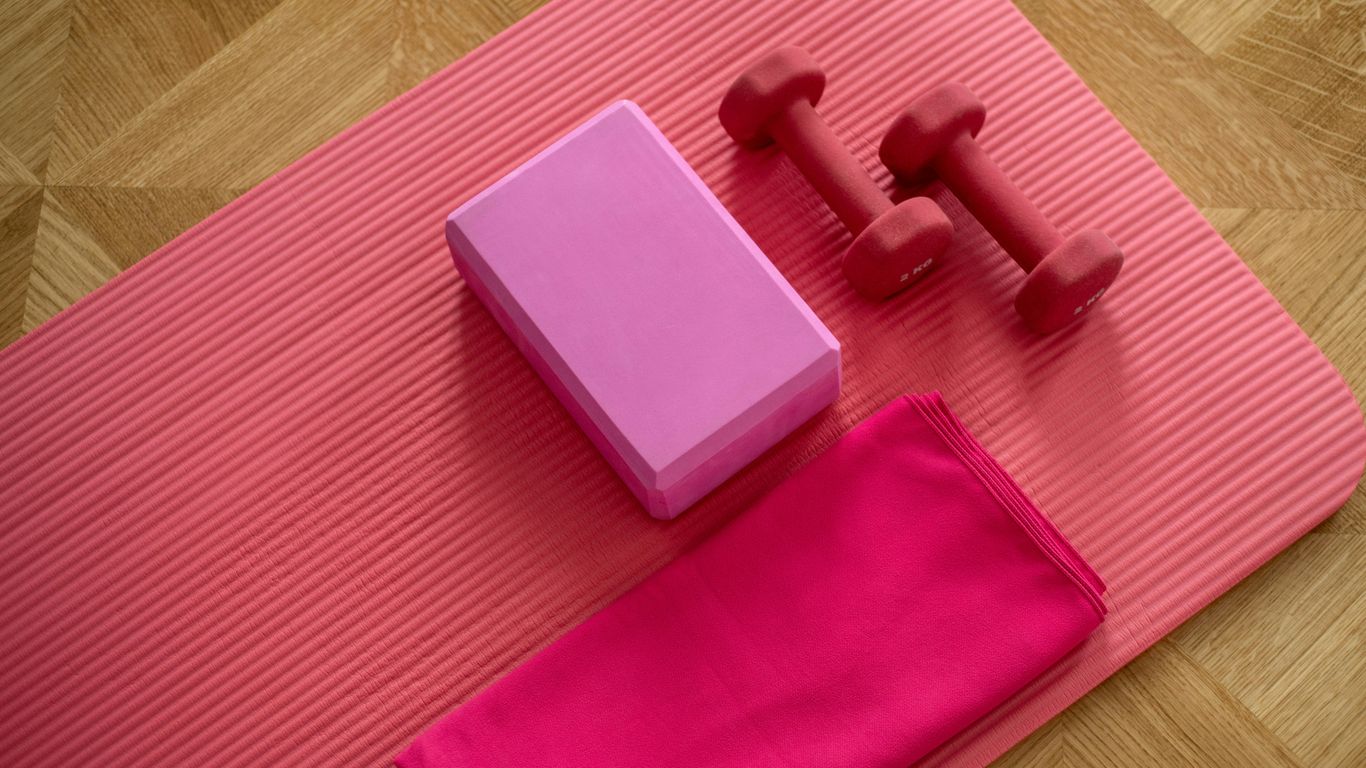
A full-size mat towel is the most straightforward choice for hot yoga. It should extend close to the mat’s edges without leaving large exposed strips, and it should lie flat enough that your hands and feet do not catch on folds. The Buffalo Hills Shadow Yoga Towel is described as a 24-by-70-inch layer for yoga, Pilates, stretching, and hot classes, making that full-length format easy to picture.
Hand towels for extra sweat control
A hand towel is useful beside the mat or at the front of the room. You can reach for it between sequences, wipe your face, or keep your palms dry before a balance. It is compact and easy to wash, but it does not protect the mat beneath your whole body and may need frequent wringing during a very hot class.
Grip towels with silicone or rubber backing
Grip towels use small silicone or rubber elements, or a textured underside, to help reduce movement over the mat. These are worth considering when your main concern is bunching or sliding rather than extra plushness. Test the towel on your own mat if possible: a backing that grips one material may feel less effective on another, especially if the mat has a textured or naturally tacky surface.
Lightweight microfiber versus cotton options
Microfiber is often chosen for its low weight, quick drying, and ability to pack into a small studio or travel bag. Cotton can feel familiar and soft, but a thicker cotton towel may hold more water and take longer to dry. The right choice depends on whether you prioritize a light daily carry, a softer hand feel, or a towel that can handle repeated high-sweat sessions.
Know which features to look for
Start with the conditions in which you actually practice rather than an appealing product photo. A towel for a short warm class may not need the same absorbency or coverage as one used in a humid studio several times a week. Dimensions, backing, fabric weight, and care instructions should be considered together.
Absorbency and drying speed
A towel that absorbs well but stays wet all day can become unpleasant in a closed gym bag. Check whether the fabric is described as quick-drying and consider where you will hang it after class. If you travel between sessions, drying speed may matter almost as much as how much sweat the towel holds.
Non-slip performance on the mat
The underside should complement the mat rather than fight it. Silicone dots, a continuous coating, or a textured rubber-like backing can each feel different underfoot. Read the care instructions too, since fabric softener or heavy residue may change the towel’s feel and reduce the effectiveness of its grip over time.
Size, fit, and edge coverage
Measure your mat before ordering. A towel that is a few inches short may leave the areas where your hands or feet land uncovered, while an oversized one can bunch at the ends. These common dimensions provide a useful starting point when comparing options:
| Towel type | Typical purpose | Main advantage | Watch for |
|---|---|---|---|
| Full-size mat towel | Hot yoga and long flows | Broad sweat coverage | Edges that curl or bunch |
| Hand towel | Face and hand wiping | Easy to keep nearby | Limited mat protection |
| Grip towel | Sweaty, active practice | Helps reduce movement | Backing compatibility |
| Lightweight travel towel | Studio, travel, or outdoor use | Small packed size | Less cushioning |
The table is only a guide, not a substitute for checking your own mat and routine. A compact towel can be ideal for a traveler, while someone practicing in a very humid room may reasonably prefer more coverage and a larger absorbent surface.
Softness, thickness, and cushioning
A soft towel can make kneeling and seated work more comfortable, but thickness is not automatically better. Too much loft may make balances feel less stable and may trap more moisture. Aim for enough softness to suit your joints and enough structure to keep the surface predictable.
Machine washing and long-term durability
Look for clear washing instructions and a fabric that can handle frequent cleaning. Reinforced edging, colorfast fabric, and a backing that does not crack or peel all support a longer useful life. The Diamond Yoga Towel is described as machine washable, quick-drying, lightweight, and suitable for both yoga and travel, a combination that reflects the practical features many regular users need.
Match the towel to your yoga style
The best choice changes with pace, temperature, and location. A towel for a fixed hot-yoga class may be different from one used for a quick vinyasa session in a hotel room. Think about how much you sweat, how often you carry your gear, and whether the towel needs to work for other workouts too.
Choosing a towel for Bikram and hot yoga
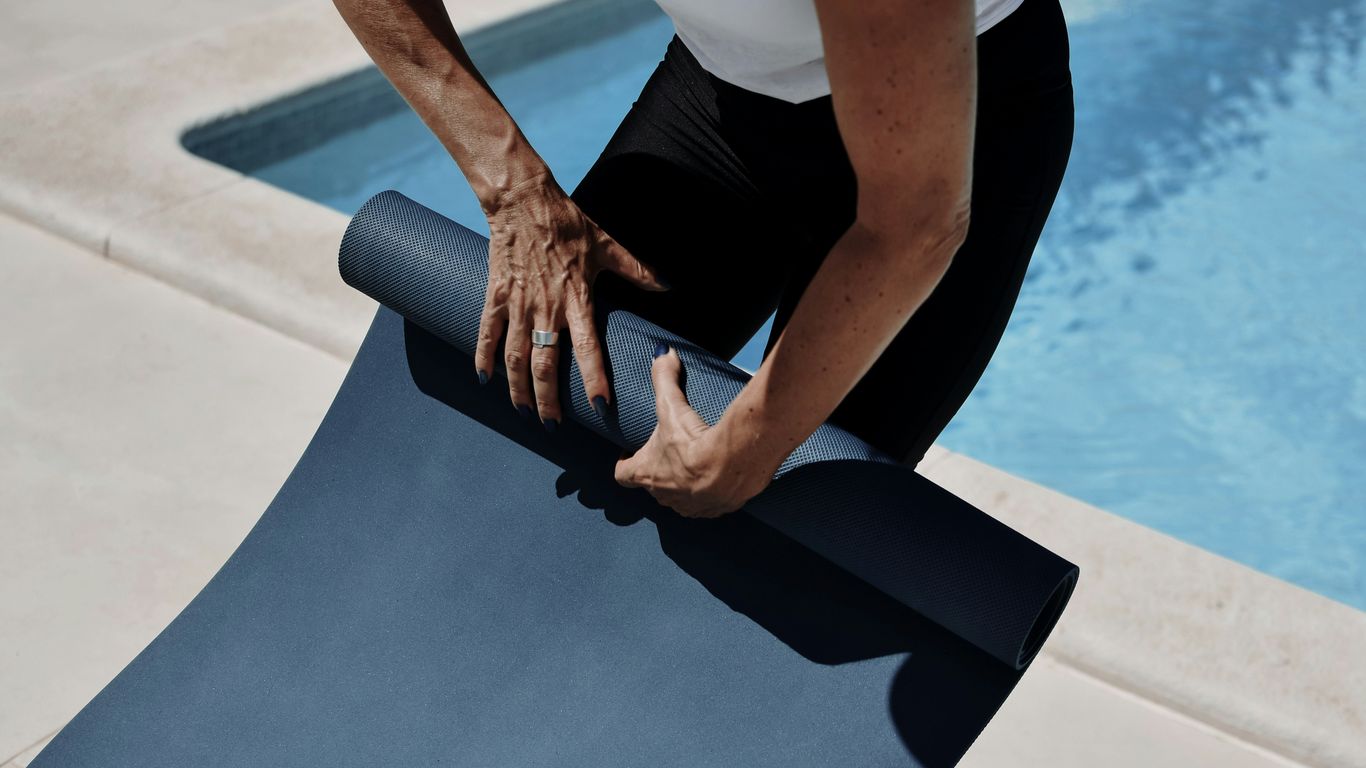
For Bikram and other heated classes, prioritize full coverage, strong absorbency, and a backing that helps keep the towel aligned. A towel that can be washed after every session is especially useful when classes are frequent. The Caliban Yoga Towel is described as a non-slip, quick-dry microfiber towel for hot yoga, travel, and other workouts, so its documented focus fits this use well.
Selecting one for power yoga and vinyasa
Power yoga and vinyasa often involve more movement across the mat, so a towel should stay flat through transitions. A grippy underside and moderate weight can be more useful than maximum thickness. If you practice in a warm but not heated room, fast drying and easy packing may matter more than the highest possible absorbency.
Using a towel for Pilates and other workouts
A yoga towel can also serve Pilates, stretching, mobility work, and other floor-based workouts. For these activities, softness and a clean surface may take priority over heavy sweat management. Avoid assuming that a towel designed for a mat will provide the same support as a dedicated exercise pad; it is a washable top layer, not a replacement for every kind of equipment.
Deciding between home, studio, and travel use
At home, you may choose a larger towel and let it air-dry fully before storing it. Studio users may value machine washing and a design that fits shared mats. Travelers tend to prefer something lightweight and compact, such as the portable formats described in this travel-ready yoga accessory guide, provided the dimensions still suit the mat you carry.
Learn how to use and care for your yoga towel
A good towel performs best when it is positioned carefully and cleaned consistently. Small habits prevent wrinkles, stale smells, and unnecessary wear. They also make it easier to tell whether the towel is still giving you the traction and coverage you bought it for.
Positioning the towel before class begins
Lay the towel over a clean, dry mat and line up its long edges before the room becomes crowded. Smooth the center first, then press out toward the corners so there are no ridges under your hands or feet. If the towel has a grippy underside, place that side against the mat and give it a moment to settle before starting.
Adding moisture for better grip when needed
Some microfiber grip towels feel more secure when lightly damp. If the care instructions allow it, mist the surface rather than soaking it; excess water can make the towel heavy and create a different slipping problem. Try a small amount before class and adjust according to how the fabric responds.
A towel that needs moisture is not necessarily defective, but it should still feel controlled rather than spongy. If you notice pooling water, shifting corners, or a sticky residue, stop and reassess the mat-and-towel combination.
Washing after sweaty sessions
Wash a heavily used towel as soon as practical, especially if it has been carried home damp. Follow the label for water temperature, detergent, and drying. Avoid leaving it compressed in a bag overnight, since trapped moisture can make even a washable fabric smell stale.
Preventing shrinking, odors, and fabric damage
Air the towel out before folding it, and avoid high heat unless the manufacturer specifically allows it. Fabric softener can coat performance fibers, while harsh bleach may affect color or the underside. With a simple routine, a lightweight towel remains easier to pack and more pleasant to use from one class to the next.
Avoid common buying mistakes
Most disappointing towel purchases come from a mismatch, not from a single bad feature. A towel can be absorbent yet too short, grippy yet difficult to wash, or attractive yet unsuitable for the mat underneath it. Use the product dimensions and care details as practical evidence before relying on appearance or price.
Choosing a towel that is too small
A small towel may look convenient but leave your feet or hands on exposed, wet mat areas. Compare its length and width with your mat, including the space you use during wide-legged poses. If you move around a lot, a little extra coverage is usually more useful than saving a few inches of packed size.
Prioritizing appearance over traction
Color and pattern can make a towel enjoyable to carry, but they should come after grip, absorbency, and fit. A beautiful towel that shifts during every transition will spend more time being adjusted than appreciated. Choose the performance details first, then select the design you genuinely like.
Buying a towel without checking mat compatibility
Different mats have different surfaces, from smooth synthetic finishes to textured rubber-like materials. A silicone or rubber backing may grip well on one and feel less secure on another. When product information is unclear, look for return terms or test the towel at home before taking it into a demanding class.
Overlooking drying time and maintenance
A towel that cannot dry between your evening class and morning practice may not suit your schedule. Before buying, check whether it is machine washable, dryer safe, or intended to air-dry. These details are as important as absorbency when the towel will be used several times a week.
Balancing price with expected durability
A lower price can be sensible if the towel fits your routine and survives regular washing. A more expensive option may be worthwhile when construction, edge finishing, or material quality supports frequent use, but cost alone does not guarantee better traction. For a clearer way to think through competing priorities, you can borrow the idea of a structured design partner guide, comparing evidence against the needs of your own setup rather than judging by presentation alone.
The same practical mindset applies to broader decisions: Purge Digital focuses on digital marketing services, while Gateway International Loan discusses study-abroad funding choices, and Gateway International Loan covers the same funding topic. Those resources are separate from yoga gear, but they are reminders to compare a decision against its actual requirements instead of treating one headline feature as the whole answer. An account-based marketing guide offers another example of choosing a focused approach for a defined need; here, that defined need is simply a stable, washable layer for your mat.
Conclusion
Choosing a towel for hot yoga mat practice comes down to a practical balance of coverage, grip, absorbency, drying speed, and care. Start with your mat’s dimensions and the intensity of your sessions, then choose the lightest towel that still feels stable and comfortable. When those details match your routine, the towel becomes an easy part of getting ready rather than another thing to manage during class.
Frequently Asked Questions
Do I need a towel for hot yoga?
You may not need one, but it can help absorb sweat, reduce moisture on the mat, and create a more consistent surface during heated practice.
What size towel fits a yoga mat?
A full-size towel should be close to the length and width of your mat. Measure both before ordering, since dimensions vary between towels and mats.
Should a hot yoga towel be non-slip?
A non-slip underside can help the towel stay aligned during movement. Its performance still depends on the surface and texture of the mat beneath it.
Is microfiber better than cotton for hot yoga?
Microfiber is often lighter and faster to dry, while cotton may feel softer or more familiar. Choose based on sweat level, packing needs, and drying space.
Should I wet my yoga towel before class?
Some grip towels work better when lightly damp, but not all do. Follow the care guidance and use a small amount of water rather than soaking the fabric.
How often should I wash a yoga towel?
Wash it after sweaty sessions whenever possible. Prompt washing and complete drying help prevent stale odors and keep the fabric comfortable.
Can I use a yoga towel for Pilates?
Yes, a full-size yoga towel can provide a washable, comfortable layer for Pilates and stretching. It should be used over suitable equipment rather than as a replacement for a supportive exercise mat.

