
How to choose and use yoga towels for mats
Key Takeaways
A yoga towel can add a washable, absorbent layer over your mat, but the right one depends on your practice and how you like the surface to feel.
- Choose a full-length towel for broad mat coverage or a smaller towel for targeted areas.
- Compare fabric, backing, and how each feels when dry or damp.
- Check the dimensions and attachment details against your mat before buying.
- Wash and dry the towel according to its care instructions to help preserve its feel and grip.
- Consider your class, travel needs, skin comfort, and washing routine together.
What yoga towels for mats do
Yoga towels for mats sit on top of a mat as an absorbent, removable layer. Depending on their construction, they can help manage sweat and add a different-feeling surface under your hands and feet. They are not a replacement for a mat’s cushioning, so the two pieces of gear serve different purposes. Whether a towel is useful comes down to how much you sweat, where you practice, and how you want your setup to feel.
How a towel adds grip during practice
A towel can make the surface feel steadier when its fabric and backing work well with your mat. Some designs use a textured or grippy underside to help limit shifting, while the top surface offers a place to plant your hands and feet. Grip is personal, though: a towel that feels secure to one person may feel too slick or too textured to another. If you can, try the towel on your own mat before relying on it for a class.
When a towel helps absorb sweat
During a warm or particularly active session, sweat can collect on the mat and make its surface feel less comfortable. An absorbent towel gives moisture a place to go and can be taken off for washing afterward. It may be useful even if you do not sweat heavily, especially when you want a removable layer between you and a shared studio mat. The Geometry yoga towels page, for example, describes lightweight towels made from recycled materials with a quick-drying fabric and slip-resistant grip; those are features to compare, not a promise that every towel will feel the same.
How towels differ from yoga mats
A yoga mat is the base of your practice setup; a towel is a layer placed over it. A mat typically provides the cushioning and the surface you practice on, while a towel can absorb moisture and be removed for cleaning. If you are comparing mat materials or cleaning routines, Tesla floor mats offer a separate example of how fit and maintenance can matter when choosing a floor covering. For yoga, check the towel’s dimensions and how it sits over your particular mat rather than assuming one size or construction suits every setup.
Which styles work for hot yoga and other workouts
For hot yoga or another sweaty class, look for a towel with enough coverage and absorbency for the way you move. A full-length towel can cover most of the mat, while a smaller towel may be enough for hands or another high-contact area. Yune Yoga describes the Hermes Yoga Towel as a lightweight 24 x 70-inch layer for extra grip and coverage during yoga, Pilates, hot yoga, and travel. Think about the session first, then choose a towel whose stated size and features match it.
How to choose the right size and fit
Fit influences whether a towel stays where you want it and whether it covers the area you use most. A towel that is too small may leave parts of the mat exposed, while extra fabric can fold or bunch underfoot. Check the listed dimensions against your mat instead of relying only on labels such as “full length.” The best choice is the one that covers your practice area without making setup fussy.
Full-length towels versus smaller hand towels
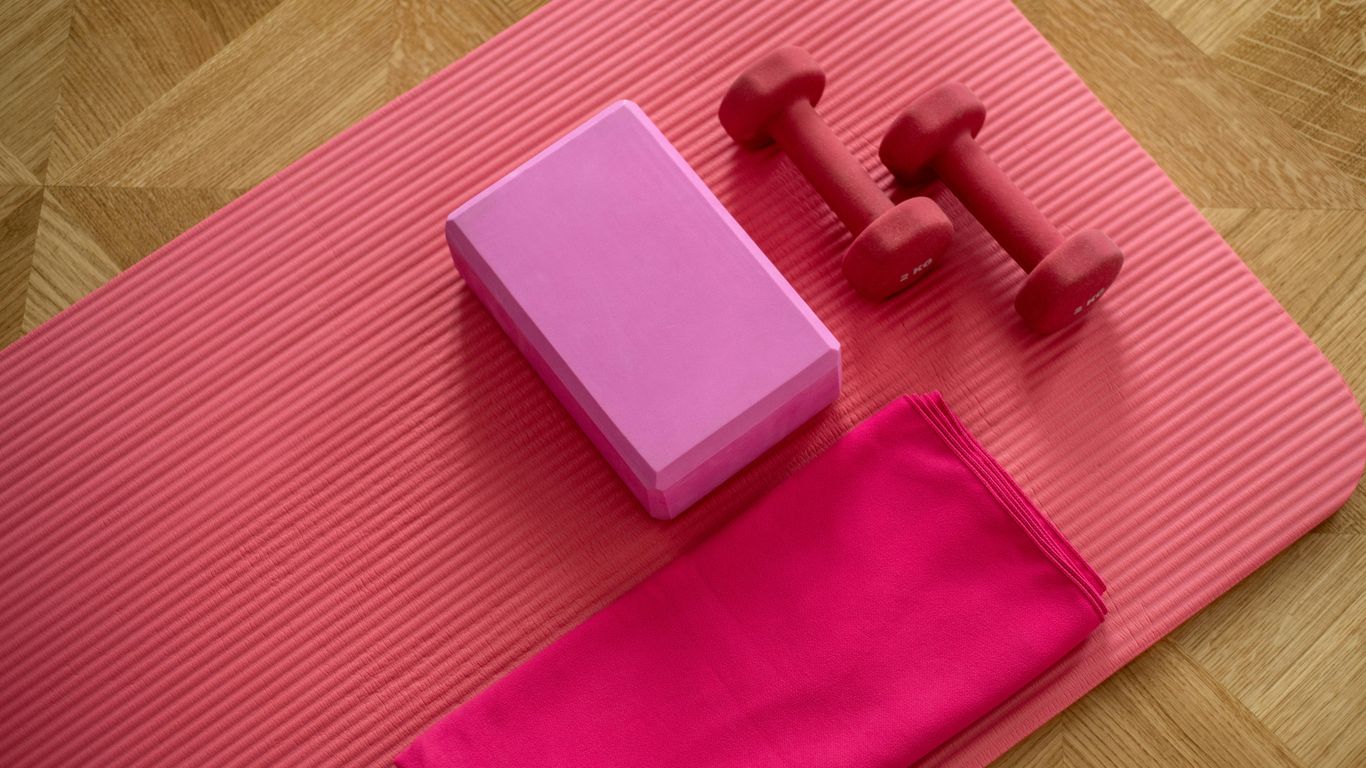
A full-length towel is designed to cover a broader area of the mat and can be useful when your hands and feet move around throughout a session. A smaller hand towel is easier to place where you need it, but it will not cover the whole surface. Yune Yoga describes the Reed Yoga Towel as a 24 x 72-inch microfiber towel with a slip-resistant silicone underside. That kind of product description makes it easier to compare coverage and features with the size of your own mat.
Matching towel dimensions to your mat
Measure your mat, or check its listed dimensions, before choosing a towel. Then compare both length and width; matching only one measurement can leave an uncovered strip or extra fabric at the edges. The following quick comparison helps clarify what different fit details mean when you are shopping.
| What to check | Why it matters | Practical question |
|---|---|---|
| Length | Determines coverage from end to end | Does it cover the area where you move? |
| Width | Affects side-to-side coverage | Will the edges sit close to the mat edges? |
| Mat thickness | Can affect how a towel lays across the surface | Will it lie flat on your mat? |
| Extra fabric | May fold or bunch during movement | Is there enough room to adjust it neatly? |
Use the measurements as a starting point, then consider whether you prefer full coverage or a little of the mat left visible. If you use different mats, check fit with each one rather than assuming a towel will sit identically on all of them.
Checking corner pockets and other attachment features
Some towels have corner pockets or other features intended to help hold them in place; others simply lie flat on the mat. Attachment details can be handy if you often adjust your towel mid-practice, but they are not essential for everyone. Look closely at how the corners are finished and whether the design seems compatible with your mat. A simple setup can work well, too, particularly if you are comfortable smoothing the towel before class.
Choosing a thickness that feels comfortable
Thickness affects the feel under your hands, feet, and knees. A thinner towel can be easier to fold and pack, while a thicker one may feel softer but take up more room. There is no universal ideal, so think about whether you want a close feel to the mat or more fabric underfoot. Try to judge comfort along with the towel’s fit; a plush surface is less useful if it bunches or shifts during your practice.
Which materials and grip features to compare
Fabric and backing shape how a towel feels, handles moisture, and behaves on a mat. Product descriptions can help you narrow the options, but texture and traction are easiest to judge by trying a towel in the conditions where you practice. Compare the construction as a whole rather than treating a single feature as a guarantee of grip. A soft towel, for instance, still needs to feel secure enough for your movements.
Microfiber, cotton, and blended fabrics
Microfiber is often described in towel listings as absorbent or quick-drying, while cotton is familiar for its soft, towel-like feel. Blended fabrics combine fibers, so check the label for the actual materials rather than guessing from how a towel looks. Yune Yoga describes the Caliban Yoga Towel as a lightweight, quick-dry microfiber towel with a non-slip texture, sized to fit most mats. That gives you specific features to compare with the fabric and construction of other options.
Silicone dots and other nonslip backing
A grippy underside may help a towel stay put on a mat, but the result depends on the backing, the mat surface, and how the towel is laid out. Some towels use silicone details; others rely on a different texture or have no special backing. Check the care label for instructions about washing and drying the underside, since heat or harsh treatment may affect some materials. For a useful point of comparison outside yoga, contractor selection guide focuses on checking scope and details before choosing a service; the same habit of reading specifics applies when comparing product features.
How moisture affects traction
A towel’s feel can change as it absorbs sweat. Some products are designed to be used dry; others may feel more secure when slightly damp. That is not a universal rule, so follow the maker’s guidance and test the surface before relying on it for a demanding sequence. If you are unsure, try a few steady poses first and notice whether your hands or feet slide.
Balancing softness, durability, and drying time
Softness matters when you spend a long time in contact with the towel, but it is only one part of the choice. Consider how the material handles frequent washing and how long it takes to dry in your home. Care instructions can also affect convenience: a machine-washable towel may fit your routine better than one that needs special handling. Choosing among those practical trade-offs is more useful than looking for a single feature that promises to do everything.
How to use a yoga towel on your mat
A few small setup steps can make a towel feel more settled before you begin. Start with a clean, dry mat and check the towel’s instructions, especially if it has a special backing or a recommended first wash. Once it is in position, take a moment to smooth out creases and test how it feels underfoot. This short setup is especially helpful when you are trying a new towel for the first time.
Preparing the towel before your first practice
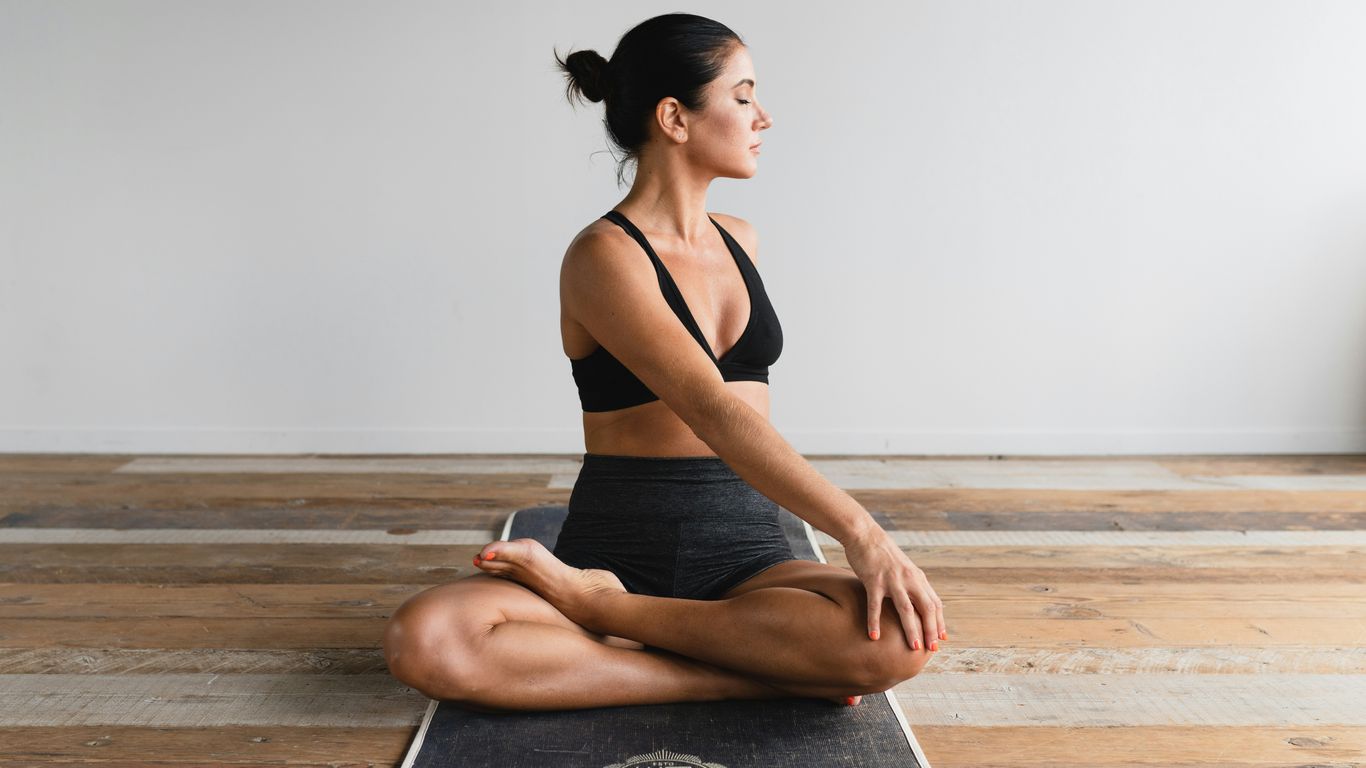
Read the care label before using a new towel, since instructions can vary by fabric and construction. If washing before first use is recommended, follow the directions and let it dry fully before placing it on the mat. Shake it out and check for folds or curled edges when you lay it down. Starting with an even surface makes it easier to tell how the towel itself feels.
Positioning it to cover high-contact areas
Place a full-length towel so it covers the parts of the mat where your hands and feet are most likely to land. If you use a smaller towel, position it for the area that tends to get damp or feel less secure. You can adjust the placement between sequences if your practice moves around the mat. For an example of a towel intended to fit a mat, the Mat Towel page describes a soft, non-slip workout towel designed for a particular mat format; compare any product’s stated fit with your own equipment.
Adjusting it when it shifts or bunches
If a towel slides, pause when it is safe to do so and smooth it from the center toward the edges. Check whether it is centered and whether a fold is caught beneath your hands or feet. A few simple checks can help identify what is causing the movement:
- Make sure the mat and towel are clean and dry before setup.
- Re-center the towel so its edges sit evenly over the mat.
- Smooth out folds before returning to a pose.
- Recheck the fit if you switch to a different mat.
After adjusting, test your footing with a steady pose before continuing. If the towel keeps shifting, it may not fit that mat well, or its backing may not suit the surface underneath.
Deciding whether to use it dry or slightly damp
Whether to dampen a towel depends on its fabric and the maker’s instructions. Some people prefer to start dry, while some towels are described as offering better traction when slightly damp. Avoid soaking it unless the instructions specifically support that use; too much water can leave the surface uncomfortable. If you are trying a damp setup, use only a little water and check the feel before moving into more demanding poses.
How to care for yoga towels
Regular care helps keep a towel ready for the next session and makes it easier to manage sweat and everyday dirt. Always start with the instructions provided for your specific towel, since materials and backing can have different needs. Wash it often enough for your routine, and make sure it dries fully before you pack it away. A little attention between classes can prevent a damp towel from lingering in a bag.
Washing towels without damaging their grip
Follow the care label for water temperature, detergent, and whether the towel can go in a washing machine. If the towel has a grippy underside, avoid assuming that every wash setting or laundry additive is suitable. A page about Hawaii wedding FAQ covers planning details for a very different kind of trip, but it shares a useful general reminder: checking the specific instructions before making plans can save avoidable trouble. For towel care, the label is the detail that matters most.
Drying and storing them between sessions
Let a washed towel dry completely before folding or rolling it into a gym bag. If you cannot wash it straight away, air it out instead of leaving it tightly packed while damp. Store it somewhere clean and dry, ready to bring along when you need it. When planning an outing that includes a class, practical details such as Rothschild branch opening hours are a reminder to check timing before setting off; for a towel, the equivalent is making sure it has time to dry before you leave.
Managing odors, stains, and detergent buildup
Sweat, body oils, and detergent residue can affect how a towel smells and feels over time. Use the washing instructions and avoid adding more detergent than recommended, since buildup may be hard to rinse away. Treat a stain promptly according to the fabric’s care guidance rather than reaching for a harsh cleaner without checking. If odor remains after washing, give the towel room to dry fully and review whether the wash routine suits its material.
Knowing when a towel needs replacing
Look for persistent odors, fraying, holes, or backing that no longer feels intact. A towel that repeatedly shifts or has become uncomfortable may also be past its best, particularly if cleaning and repositioning do not help. How long a towel lasts depends on its construction and how often it is used and washed. The practical test is whether it still feels clean, comfortable, and reliable for the way you practice.
How to choose a towel for your practice
The best towel is the one that fits the place and style of practice you actually have. Consider your class conditions, how much gear you want to carry, and whether you prefer a particular fabric against your skin. It can help to balance those needs with the time you have for laundry and the care the towel requires. Make the choice around your routine, not a feature list alone.
Selecting features for hot yoga
For hot yoga, consider absorbency, coverage, and how the towel feels when moisture builds up. A grippy underside may be useful if the towel otherwise shifts on your mat, but check the maker’s description and test it for yourself. Yune Yoga lists towels intended for hot yoga and sweaty flows among its options, with product details describing features such as absorbent, quick-drying microfiber. Match the stated details to your needs rather than assuming every towel performs in the same way.
Prioritizing portability for studio visits
If you travel to class or practice in different places, consider how easily the towel folds or rolls and how much room it takes in your bag. Lightweight materials can be convenient, but the size still needs to offer enough coverage for your mat. Think about where you will hang or air it out after class, too. When you are planning travel more broadly, London restaurant designers are an unrelated example of how practical needs and atmosphere can sit side by side; for a yoga towel, packability and comfort are the details worth weighing together.
Finding a comfortable option for sensitive skin
If your skin is easily irritated, pay attention to fabric composition, surface texture, and seams or edging that might rub. A soft-feeling material may be more comfortable, but descriptions alone cannot predict how it will feel for you. Check the listed fibers and, if possible, try the towel against your skin before committing to regular use. Washing it according to instructions before your first practice may also help remove packaging or handling residue.
Considering budget, washing frequency, and durability
Price is only one part of the decision. A towel you use often may need to go through frequent washing, so care requirements and construction matter alongside the initial cost. Choose a product that suits the amount of use you expect and that you can maintain without difficulty. If you are comparing options, keep the same basic questions in mind: what fits your mat, what feels right, and what is manageable to clean.
Conclusion
A yoga towel can make your setup more absorbent, easier to refresh, and better suited to a sweaty or portable practice. Compare its size with your mat, consider how the fabric and backing feel, and follow its care instructions. With those basics in mind, it is easier to choose a towel that works with your routine instead of adding another piece of gear you rarely use.
Frequently Asked Questions
Do I need a yoga towel for every practice?
No. A towel is most useful when you want an absorbent layer, more coverage, or a surface that is easy to remove and wash. Whether you need one depends on your practice and preferences.
Can I put a yoga towel on any mat?
Usually, you can place a towel over a mat, but the fit and grip may vary. Check the towel dimensions against your mat and test whether it stays in place before a more active session.
Is a full-length yoga towel better than a hand towel?
Neither is automatically better. A full-length towel offers broader coverage, while a smaller towel is easier to place over a specific area and may be more compact.
Should I wet my yoga towel before class?
Only if the care or use instructions support it, or if you have tried a small amount and prefer the feel. Towels vary, so do not assume dampening will improve traction for every material.
How often should I wash a yoga towel?
Wash it based on how often you use it and how much sweat or dirt it collects. Follow its care label, and let it dry fully before storing it.
Can a yoga towel replace a yoga mat?
A towel is generally a surface layer, not a substitute for a mat’s cushioning. It may be possible to practice on a towel in some settings, but comfort and support will differ.
How can I keep my yoga towel from bunching up?
Match its dimensions to your mat, lay it evenly, and smooth out folds before you begin. If it keeps shifting, check whether the backing and fit work with your mat’s surface.

