

How to choose and use the best yoga straps for stretching
Key Takeaways
Yoga straps are versatile tools that help practitioners of all levels find comfort and depth in their daily stretches. By selecting the right material and length, you can improve your overall alignment and make challenging poses more accessible.
- Straps allow for deeper, safer stretches by providing extension for your limbs.
- Durable cotton materials offer a stable grip during long, intensive holds.
- Proper maintenance keeps your fabric equipment clean and free from fraying strands.
- Using a buckle mechanism helps lock in your desired strap tension securely.
- Choosing the correct length ensures compatibility with different types of yoga poses.
Understanding the benefits of yoga straps for flexibility
Using a strap during your practice can transform the way you approach your daily routine, especially when you are working on mobility. These simple fabric tools serve as an extension of your natural reach, allowing you to access muscles that might otherwise feel restricted or inaccessible. Whether you are at home or traveling with your reliable Yune Yoga gear, incorporating these accessories can make your movement more fluid and supported.
Deepening your stretch safely
When you are struggling to reach past your toes or bind your arms behind your back, a prop provides the leverage needed to elongate without strain. Instead of rounding your back or tensing your shoulders, you can hold the fabric and find a sweet, controlled tension. This approach helps you maintain better body form while stretching to ensure you stay comfortable throughout your session.
Improving posture and alignment
Maintaining a neutral spine is often the biggest challenge in floor-based postures. A strap allows you to pull your shoulders back and widen your chest, which keeps your torso upright even when your legs are fully extended. This alignment-focused practice helps you build the muscle memory required for more complex postures over time.
Accommodating limited range of motion
For those who feel stiff in the morning or have tight muscles from sitting, there is no reason to force a deep pose immediately. A strap acts as a bridge between your hands and feet, letting you participate fully in the practice without needing extreme flexibility. It is a practical solution for anyone looking to make their routine more accessible and enjoyable without feeling left out.
Key features to look for in a yoga strap
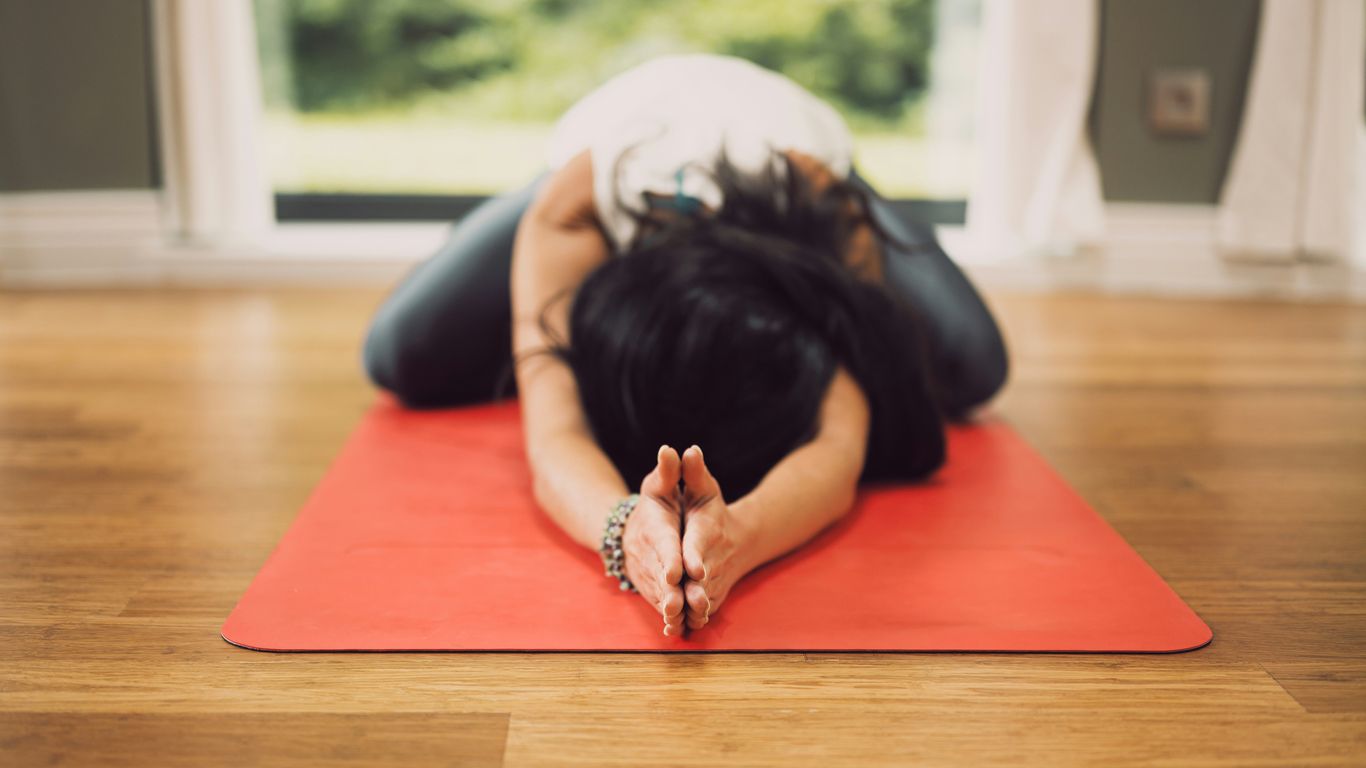
Finding the perfect strap involves looking at a few essential factors that ensure durability and ease of use in diverse settings. You want an accessory that withstands repetitive pulling while remaining soft against your skin during long, static holds. Because portability is key for many practitioners, looking for lightweight and durable designs helps confirm your gear fits easily into any Yune Yoga bag for your travels.
Material durability and comfort
Cotton is widely recognized for offering a natural, textured grip that doesn't slip when you are sweating. Polyester blends might feel finer, but organic cotton materials typically provide the sturdiness required for heavy, frequent use. Always examine the stitching to ensure it can handle your full body weight during supported inversions or binding variations.
Buckle mechanisms and security
The closure system is the heart of your equipment, as it prevents slipping during a pose. A metal D-ring is a classic choice for reliability, offering a quick-release feel that keeps the loop secure while you transition between different stretches. Avoid plastic buckles that might crack under consistent high-tension use.
Standard versus extra-long strap lengths
Length choice often depends on your height and the specific styles of yoga you prefer to practice. While a six-foot strap is standard for most, an eight or ten-foot strap offers more room for complex loops often found in restorative practices. Consider how often you need to wrap the fabric around your body to determine which length fits your reach best.
Essential stretching techniques using a yoga strap
Integrating the strap into your daily routine helps you explore different variations of your favorite poses with confidence. Once you learn how to secure the loop around your feet or hands, you will find that holding your position for longer periods becomes much easier. It is a fantastic way to move through your Yune Yoga sessions with added stability.
Seated forward fold variations
This classic pose is perfect for utilizing your strap, especially if your hamstrings feel tight. By looping the fabric around the balls of your feet, you can traction your torso forward while keeping your chest open and your gaze forward. This version of the move eliminates the need to reach for your feet, saving your back from unnecessary rounding.
Reclined hand-to-toe poses
Lying on your back allows the strap to act as a supportive device while you stretch your legs vertically or across your body. This setup is ideal for isolating your hamstrings and calves, providing a clear way to track your progress as you pull the leg slightly closer over time. You might refer to such techniques as a flexible living guide for your personal practice.
Shoulder opening and chest stretches
The following table illustrates how different strap lengths effectively support various shoulder and chest-opening range-of-motion requirements commonly used in studios:
| Strap Length | Best Use Case | Benefit Type |
|---|---|---|
| 6 feet | Daily portability | Standard reach |
| 8 feet | Deep binds | Extra leverage |
| 10 feet | Restorative loops | Maximum depth |
Using these variations adds significant value to your flexibility, helping you find space in joints that feel tight or restricted from desk work or intense travel schedules.
Cleaning and maintaining your equipment
Keeping your gear in top shape ensures it remains supportive for years of practice. Dirt and salts can cause fabric to degrade faster than usual, so staying consistent with your cleaning schedule is helpful. When you invest in high-quality materials, simple routine care protects your equipment's longevity and performance.
Washing instructions for cotton straps
Most cotton options can be washed on a gentle cycle in cold water to prevent shrinking or structural damage. Always place your item inside a mesh laundry bag first; this protects the buckles from banging against the sides of the drum. Hang it outside to air dry rather than using a high-heat machine cycle.
Handling synthetic and polyester materials
Synthetic materials are often more resistant to moisture, which is quite helpful if you practice hot yoga. A simple wipe-down with a damp, soapy cloth is usually sufficient for cleaning these durable, non-absorbent surfaces. Avoid harsh chemicals or bleach, which might weaken the synthetic fibers over time.
Proper storage to prevent fraying
When your practice ends, store your strap in a cool, dry place. Rolling it neatly or hanging it on a hook helps prevent the fraying that happens when fabric is bunched up or left in a humid environment. A clean, organized space ensures your gear remains ready for your next session without tangles.
Common mistakes when using yoga straps
Even with the best tools, you can run into issues if you rely on bad habits during your movement. It is always wise to focus on your internal sensations rather than how deep you believe you should go. Recognizing these pitfalls helps you steer clear of injury and maintain a sustainable approach to your daily yoga and mobility work.
Overexerting beyond personal limits
Some practitioners believe that a strap is an excuse to pull themselves into a deep stretch quickly, but this is a common misunderstanding. The goal is to facilitate a sustainable increase in range of motion, not to force tissues that are not ready. Take your time and listen to your body instead of just looking for the sensation of maximum tension.
Relying too heavily on strap tension
If you find yourself depending on the strap to hold your weight entirely, you might be missing an opportunity to engage your active muscles. The strap should be a soft guide or a light aid rather than a replacement for your core and limb strength. Use it to support your alignment while still working to stabilize yourself.
Ignoring alignment for the sake of depth
One of the most frequent errors is prioritizing where your body is in space over how you are actually feeling. Following the guidance of an instructional movement guide can help you remember that true form is built from the inside out, not by how close your head gets to your knees. If your breath becomes shallow, you have likely pushed past the point of stability.
Selecting the right strap for your skill level
Selecting your gear starts with an honest assessment of your current practice needs and how you prefer to move. Beginners often find that a shorter strap with a simple buckle is the most intuitive starting point, while long-term practitioners might want something more substantial. Consider your individual style when picking your next piece of gear.
Considerations for beginner practitioners
If you are just starting, look for a lightweight, six-foot option that is easy to fold away. Beginners benefit from a simple, no-fuss design that doesn't feel overly complex to adjust during a studio class. Keep your initial choices basic until you understand exactly which poses you perform most often.
Advanced modifications for seasoned yogis
For those who focus on specific technical binds or restorative sequences, an extra-long, durable strap might be necessary to expand your repertoire. These versions are often favored for their versatility in creating loops that stay securely in place during static holds. Advanced practitioners often appreciate the added length for working into deep full-grain leather or specialized stretching routines.
Portability needs for yoga travel
Travelers should look for items that pack compactly without losing their integrity. A foldable, slim design is an excellent addition to your suitcase alongside other beach wedding groom attire necessities. Prioritize gear that feels light and fits effortlessly into your existing carry-on setup to keep things simple while on the road.
Conclusion
Using a yoga strap is a humble way to improve your flexibility and alignment without making your practice feel forced or overly complicated. By choosing a high-quality, durable strap that fits your reach and style, you transform your sessions into more supportive and enjoyable experiences. Whether you are at home, in the studio, or traveling abroad, this simple prop remains a reliable partner for your movement journey, helping you listen to your body and find ease in every posture.
Frequently Asked Questions
Should beginners use yoga straps?
Yes, straps are an excellent resource for anyone starting their practice, as they help bridge the gap in flexibility and make challenging movements feel accessible and safe.
How often should I clean my strap?
Cleaning depends on how frequently you use it and how much you sweat, but a general rinse or wipe-down every few weeks is sufficient to keep the fabric fresh.
Can I use a strap for strength training?
While primarily designed for stretching and mobility, some people use them to add tension to specific isometric poses, though they are not a substitute for standard weight-training equipment.
What length should my first strap be?
A standard six-foot strap is generally the best starting point, offering enough utility for the vast majority of traditional poses without being cumbersome.
Is cotton or polyester better for a strap?
Cotton is usually preferred for its grip and soft feel, whereas polyester is often easier to clean and slightly more resilient against moisture and heavy, frequent use.
Do I need a metal or plastic buckle?
Metal buckles are generally considered more durable and reliable for daily use, while plastic buckles may be lighter but often have a shorter lifespan under high tension.
What if I cannot reach my strap during a pose?
If you find yourself straining to reach the strap, consider using a longer version or bringing your blocks, as your gear should always serve to support your body rather than create strain.

