
How to choose and use a yoga block for better alignment
Key Takeaways
A yoga block is a versatile prop that helps you improve your form, deepen your stretches, and maintain balance during complex movements. It is an essential item for anyone looking to make their practice more comfortable and accessible regardless of experience level.
- Blocks enhance your alignment in various poses.
- Foam, cork, and wood offer different stability levels.
- Choosing the right size helps avoid strain during practice.
- Consistent cleaning keeps your equipment hygienic and durable.
- Blocks enable deeper engagement in both strength and restoration.
Understanding the types of yoga blocks
Yoga equipment comes in several materials that cater to different needs, helping you customize your practice by selecting a surface that suits your body's support requirements. Understanding these differences ensures you pick the right tool for your routine at Yune Yoga.
Foam blocks for comfort and restoration
Foam blocks are a popular choice for practitioners who want a lightweight option with a softer touch. Because the material has a bit of "give" under pressure, it provides a gentle landing for hands or knees, making it perfect for restorative sessions where relaxation is the priority. Exploring options like those from Manduka's collection can reveal how foam provides that necessary cushioning without the weight of denser materials.
Cork blocks for stability and sustainability
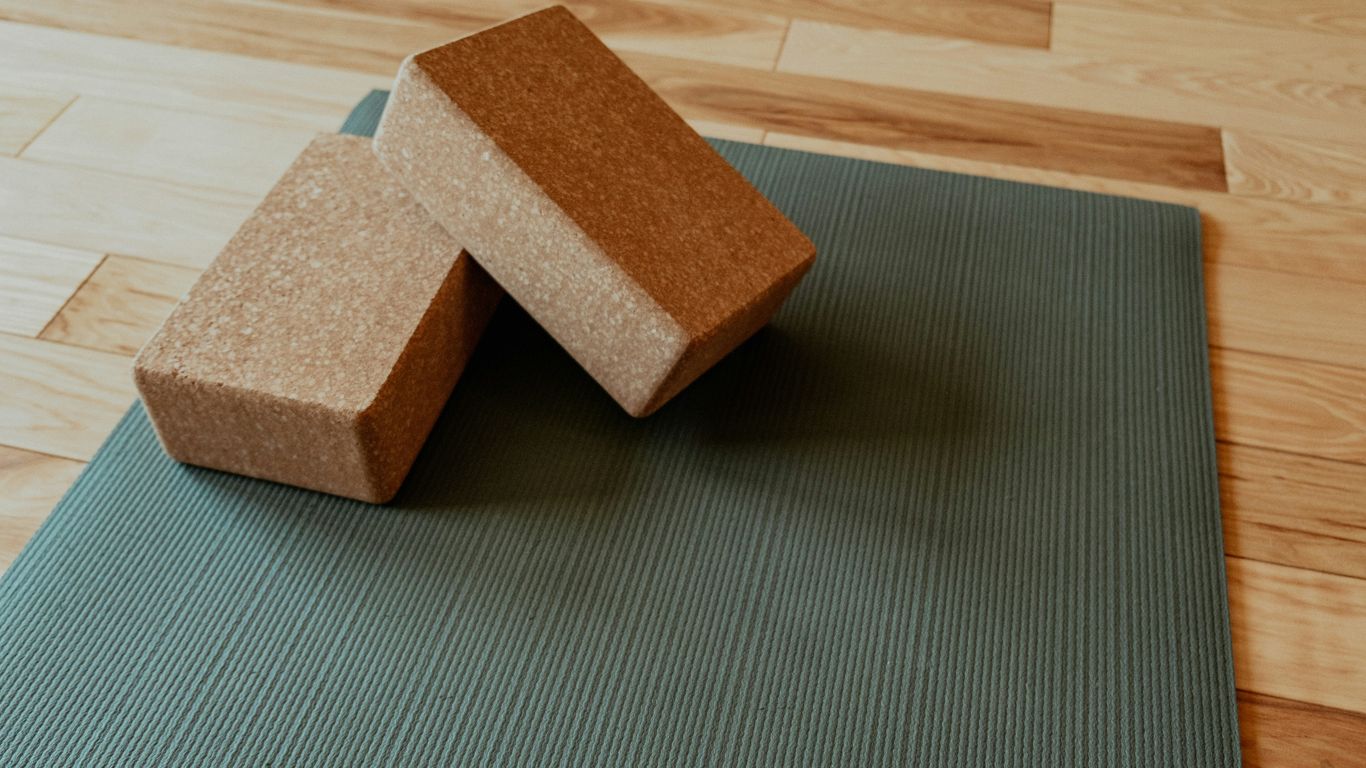
Cork is highly regarded for its natural grip and dense, sturdy construction. These blocks remain firm even during intense sessions, giving you the solid base needed for standing poses or balancing work where stability is a non-negotiable factor. Many yogis seeking eco-friendly stability benefit from the antimicrobial properties of natural cork, which is both durable and easy to handle.
Wood blocks for advanced practitioners
Traditional wood blocks are the most rigid and heavy option available, often chosen by experienced practitioners who need an uncompromising surface that will never shift under weight. While they lack the flexibility of foam or the natural grip of cork, they serve as excellent pillars for alignment, though beginners might find them less forgiving than other varieties. Selecting the right block involves considering how much portability you need versus the intensity of the support required for your specific flow styles.
Benefits of using a yoga block in your practice
Incorporating props into your flow doesn't mean you are struggling; it simply means you are being intentional about how your body interacts with gravity. By using these tools wisely, you can protect your joints while exploring the full expression of each movement.
Improving alignment in standing poses
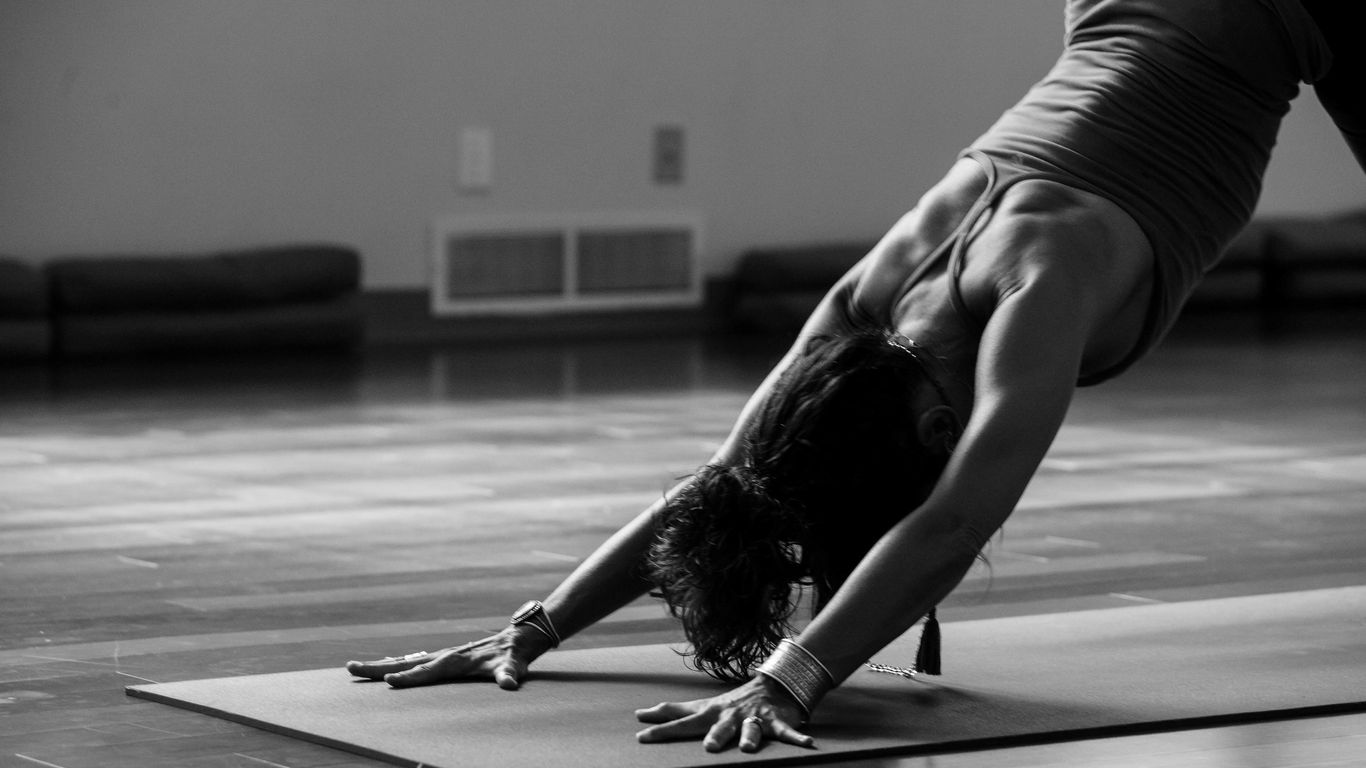
Standing poses like triangle or half-moon require reaching toward the floor, but often the floor feels just a bit too far away. A block brings the ground to you, allowing you to square your hips and stack your shoulders properly without rounding your back. This adjustment prevents unnecessary spinal twisting and helps you build strength in the correct muscle groups rather than compensating for a lack of reach.
Making challenging stretches more accessible
Sometimes the body needs a little extra help to get into deeper ranges of motion safely. You can use the block to support your head, legs, or torso, ensuring you can hold a stretch for a longer duration. By making these stretches more accessible, you avoid the urge to bounce or force your limbs, allowing the muscles to lengthen naturally over time.
Using blocks for balance and core engagement
Blocks are not just for reach; they are excellent training tools for core control. When you place a block between your thighs during chair pose or bridge pose, you are forced to engage your inner thighs and lower abdominals to keep the object from falling. This simple addition creates a dynamic feedback loop that highlights how blocks offer increased core engagement and stability during your daily sessions with your favorite Yune Yoga accessories.
| Feature | Foam Block | Cork Block | Wood Block |
|---|---|---|---|
| Weight | Very Light | Moderate | Heavy |
| Texture | Soft/Cushioned | Natural/Grippy | Hard/Smooth |
| Primary Use | Restoration | Stability | Alignment |
Using this table helps clarify that while foam is perfect for relaxation, denser materials provide the structure needed for holding challenging balance poses with confidence.
How to select the right size and weight
Finding the perfect block comes down to balancing your personal body proportions with the frequency of your practice. Selecting a size that fits comfortably in your hand is just as important as the density of the material itself.
Comparing standard versus oversized dimensions
Standard blocks usually measure around nine inches in length, which works for the vast majority of arm spans. However, if you have broader shoulders, an oversized block can provide a wider base of support, preventing the wrists from feeling cramped. Many practitioners often research yoga block reviews to see which physical dimensions suit their unique frames before committing to a purchase.
Determining the ideal density for your practice level
Your chosen density should match the type of yoga you enjoy most. For fast-paced vinyasa flows, a firm cork block prevents shifting, whereas a cushioned EVA foam block might be better for slow-paced, floor-based routines. Consider these factors:
- Your typical floor intensity (gentle vs. active)
- Amount of sweating during your sessions
- Frequency of travel or studio commuting
- Available storage space in your home
Assessing these details ensures you invest in a tool that will support your progress for years to come.
Assessing portability for studio classes
If you take classes at a studio, portability quickly becomes a priority. You want a block that slips easily into your bag alongside your Yune Yoga mats and towels, ensuring you aren't burdened by heavy gear. Foam is often the winner here, offering a lightweight feel that doesn't compromise on support during your commute.
Essential poses to practice with a yoga block
Once you have your block, the options for incorporating it are nearly endless. These specific poses demonstrate how a small adjustment can completely change the quality of your movement.
Using blocks to deepen triangle pose
Triangle pose requires a long spine and open chest. Placing a block under your bottom hand allows you to press away from the surface, creating more space to rotate your torso toward the ceiling.
Providing support for restorative pigeon pose
When practicing pigeon, your hips might not reach the floor comfortably, leading to tension. Sliding a block under your outer hip provides the necessary lift to allow your muscles to release fully without putting strain on the knee.
Elevating the hips in seated meditation
Sitting on a block during prolonged meditation helps tilt the pelvis forward naturally. This small lift aligns the spine and relieves pressure on the lower back, allowing you to sit comfortably for much longer.
Maintenance and care for your yoga block
Keeping your blocks in good shape ensures they remain safe and perform consistently. Proper maintenance depends heavily on the porous or non-porous nature of the chosen material.
Cleaning methods for different materials
Foam blocks should be wiped down with a mild detergent and water, while cork blocks often require only a light misting of a natural mat cleaner. Avoid harsh solvents that could break down the surface integrity of the material.
Preventing slippage during sweaty sessions
If your blocks become slippery during a hot class, consider wrapping them with a small, absorbent towel or using a non-slip cover. This keeps your surface reliable even when moisture is present.
Storage tips for material longevity
Finally, store your blocks out of direct sunlight. Prolonged exposure to heat can cause foam to degrade or cork to become brittle over time. A cool, dry environment is best to keep your equipment ready for your next practice.
Conclusion
Integrating a yoga block into your routine is a simple way to refine your alignment and deepen your comfort without the need for complex adjustments. By choosing the material and size that best suits your flow, you can turn every session into a more supporting and rewarding experience for your body.
Frequently Asked Questions
Can beginners use yoga blocks safely?
Yes, blocks are arguably most beneficial for beginners because they provide necessary height and reach that help you learn proper form before your flexibility improves.
How often should I clean my yoga block?
It is good practice to wipe your blocks down once a week or after particularly intense, sweaty sessions to prevent the buildup of bacteria or odors.
Do I need two blocks or just one?
While one block is enough for many poses, two blocks are highly recommended for standing postures where you might need equal support on both sides of the body.
Can I use a book if I do not have a block?
A book or a sturdy kitchen item can work in a pinch for balance, but they lack the non-slip surfaces and impact-absorbing qualities of a proper yoga tool.
Will cork blocks develop mold if they get wet?
If you allow your cork blocks to dry completely after cleaning or sweating, they are naturally antimicrobial and highly resistant to mold growth.
Are foam blocks durable enough for daily use?
High-density foam blocks are designed specifically for institutional and daily use, making them very resilient even when practiced with every single day.
Does the block size affect the stability of the pose?
Yes, oversized blocks provide more surface area for the hands or feet, which can increase your feeling of stability during challenging balancing movements.

