
Gentle Yoga Exercises for Beginners: A Simple Guide to Your First Poses
Starting a yoga journey can feel a bit daunting, right? There are so many poses and terms, it's easy to get lost. But guess what? Yoga isn't about being perfect or super flexible from day one. It's about showing up for yourself, breathing, and moving your body gently. This guide is here to make those first steps super simple, focusing on basic yoga exercises for beginners that build a solid foundation for your practice. We'll cover the must-know poses and give you the confidence to step onto your mat.
Key Takeaways
- Focus on foundational yoga exercises for beginners to build strength, flexibility, and body awareness safely.
- Create a dedicated, distraction-free space for your practice and prioritize breath awareness.
- Start with simple standing, seated, and reclining poses like Mountain Pose, Child's Pose, and Corpse Pose.
- Incorporate gentle inversions, backbends, and balancing poses as you get comfortable, always listening to your body.
- Use props like blocks and blankets to support your body and modify poses for comfort and accessibility.
Getting Started with Gentle Yoga Exercises for Beginners
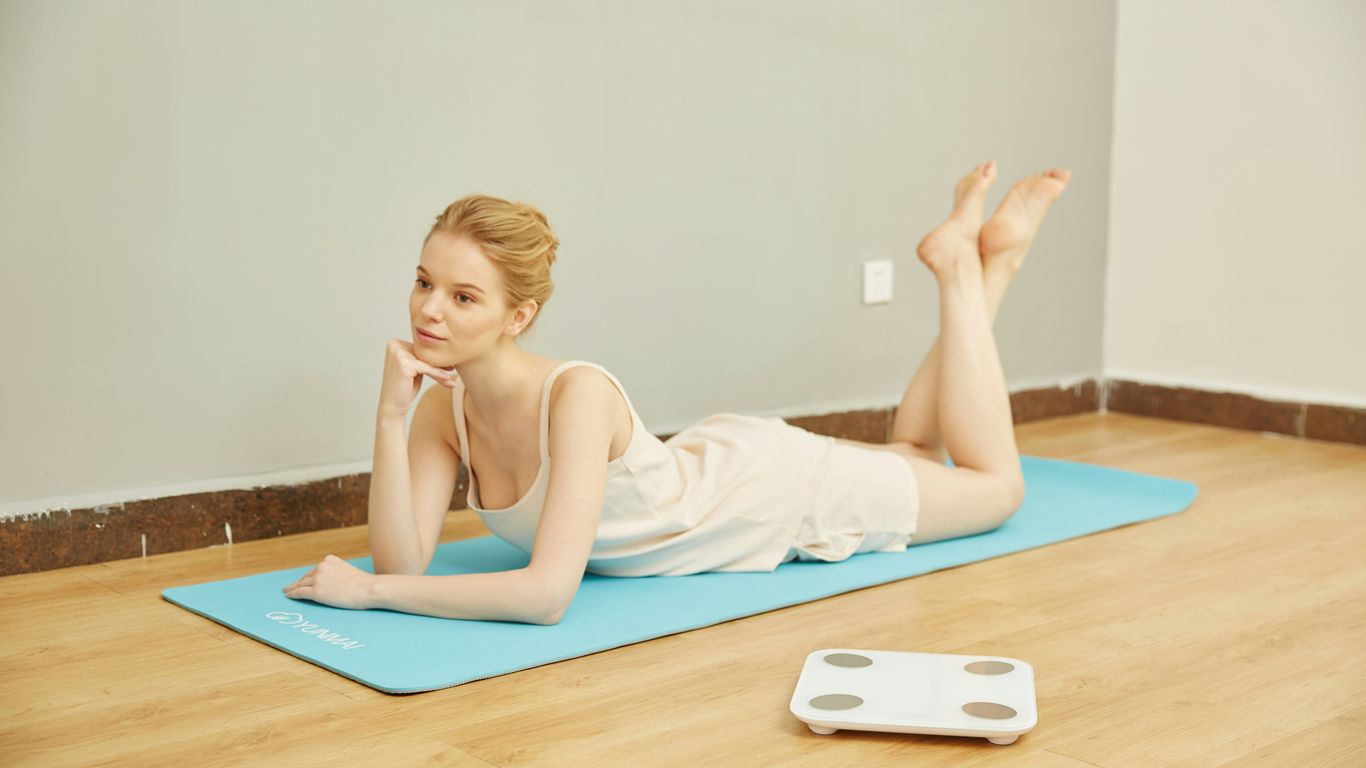
Starting your yoga journey can feel a bit like stepping into a new world, and that's perfectly okay. This guide is here to make that first step feel comfortable and clear. We'll look at why starting with the basics is so smart, how to set up a little corner for your practice, and the simple, yet powerful, role of your breath.
Understanding the Benefits of Foundational Poses
Think of foundational poses as the building blocks of your yoga practice. They might seem simple, but they do a lot. These poses help you learn how to line up your body correctly, which is super important for avoiding strain and getting the most out of every movement. They also start to build a bit of strength and flexibility in a way that's gentle on your body. Regularly practicing these basic shapes can lead to better balance, a more stable core, and a general feeling of being more at ease in your own skin. It’s not about doing the most complicated pose; it’s about doing the simple ones well.
Creating Your Dedicated Practice Space
You don't need a fancy studio to practice yoga. Honestly, a small, quiet spot in your home is all you need. Maybe it's a corner of your living room, your bedroom, or even a spot outdoors if the weather's nice. The key is to make it a place where you can focus without too many distractions. Try to keep it tidy and perhaps add a plant or a soft blanket to make it feel inviting. Having a designated space can really help signal to your brain that it's time to relax and focus on your practice.
Here’s a quick checklist for setting up your space:
- Clear the area: Make sure you have enough room to move your arms and legs freely.
- Minimize distractions: Turn off the TV, put your phone on silent, and let others know you need some quiet time.
- Gather your props: Have your mat, a blanket, and maybe a couple of yoga blocks nearby if you have them.
The Importance of Breath Awareness
Your breath is like your yoga teacher's quiet assistant, guiding you through every pose. In yoga, we call this breath awareness. It's about paying attention to how you inhale and exhale, and how your breath changes as you move. When a pose feels challenging, you might notice your breath gets shallow or you hold it altogether. Learning to keep your breath steady and smooth, even when things get a little tough, is a huge part of the practice. It helps calm your nervous system and allows you to stay present. If you find yourself holding your breath, it's usually a sign to ease back a bit in the pose.
The goal isn't to force yourself into a shape, but to find a comfortable way to move with your breath. If you can't breathe easily, you're probably pushing too hard. It's better to back off slightly and maintain a steady breath. This approach helps prevent injury and makes the practice more enjoyable.
Essential Standing Poses for New Yogis
Standing yoga poses are the building blocks for a beginner’s practice. These postures help you develop better posture, stronger legs, and clearer body awareness. When you show up for your first session, you’ll probably start with these for a reason—they set you up for everything that comes next.
Mountain Pose: Building a Strong Foundation
Mountain Pose, or Tadasana, looks incredibly simple—but it’s trickier than it appears when you actually do each step intentionally.
- Stand with your feet about hip-width apart, toes pointing forward.
- Spread your weight evenly between both feet. Try not to let your arches collapse or your knees lock out.
- Engage your thighs, lift through your core, and keep your shoulders relaxed—all while your spine remains long.
- Let your arms hang at your sides with your palms facing forward or together at your chest.
- Mountain Pose helps train the body to stay tall and balanced.
- Regular practice can improve your awareness of alignment.
- Use this moment to tune in to your breath.
Some days, even standing still takes effort. It’s odd how much focus we give to the fancy stuff, when the basics—just standing upright—ask for just as much attention.
Chair Pose: Engaging Your Legs Safely
Chair Pose (Utkatasana) can feel like sitting in an invisible chair, working both your thighs and your mind at the same time.
- Start standing, feet together or slightly apart.
- As you breathe in, bend your knees as if you’re about to sit, sending your hips back.
- Lift your arms overhead, keeping your chest open.
- Make sure your knees stay behind or over your toes—never way past them.
- Stretches the chest and shoulders.
- Builds noticeable strength in the legs and hips.
- Remind yourself to keep breathing—holding your breath makes it harder, not easier.
| Pose | Main Muscles Worked | Key Tip |
|---|---|---|
| Chair Pose | Quads, glutes, back | Keep knees behind toes |
Warrior Pose: Cultivating Inner Strength
There are a few versions of Warrior Pose; Warrior I and II are the most common for beginners. This pose feels active—it’s great for waking the body up and remembering that strength isn’t just about muscle.
- Step one foot back, keeping the front knee bent.
- Keep your back leg straight, and press firmly through the outer edge of your back foot.
- For Warrior I, square your hips forward and reach your arms up. For Warrior II, open your arms parallel to the floor and turn your hips out to the side.
- Look out over your front hand in Warrior II.
- Strengthens your legs, tones your core, and stretches the hips.
- Builds confidence, especially when you feel a little wobbly.
- Take your time—lunging deep isn’t the point. Try to feel steady instead.
Standing poses don’t need to look perfect. Some days, just finding balance and breath in Warrior Pose can feel like a huge win.
By getting familiar with these standing poses, you’re setting yourself up for a steadier, more joyful yoga practice. Progress comes from showing up and trying, not from nailing every shape right away.
Grounding Seated and Reclining Poses
After all that standing and moving, it’s time to bring things down to earth. These poses are all about finding stillness and comfort, letting your body settle and your mind quiet. They’re perfect for winding down, whether it’s in the middle of a practice or at the very end.
Child's Pose: A Resting Sanctuary
Think of Child's Pose as your personal little retreat on the mat. It’s a wonderfully calming pose that gives your body a chance to rest and reset. You can do this one anytime you feel overwhelmed or just need a moment of peace.
- Start on your hands and knees. Your knees should be about hip-width apart, or a little wider if that feels better for your hips.
- Bring your big toes to touch and then sink your hips back towards your heels.
- Let your torso rest down between your thighs. Your forehead can come to the mat, or you can rest it on stacked fists or a block if that’s more comfortable.
- Your arms can stretch out in front of you, or you can let them rest alongside your body with your palms facing up.
Just breathe here. Feel your back body expand with each inhale and soften with each exhale. There’s no rush to get out of this pose; stay as long as you need.
Seated Forward Bend: Gentle Hamstring Stretch
This pose is a lovely way to gently stretch the backs of your legs and your spine. It’s not about forcing yourself into a deep bend; it’s about finding a comfortable stretch that feels good for your body.
- Sit up tall with your legs extended straight out in front of you. You can sit on the edge of a folded blanket if your hips feel tight.
- Flex your feet, pointing your toes towards the ceiling.
- As you inhale, lengthen your spine. Imagine a string gently pulling the crown of your head upwards.
- As you exhale, hinge forward from your hips. Keep your back relatively straight, rather than rounding it. Your hands can rest on your shins, ankles, or feet – wherever they land comfortably.
The goal here isn't to touch your toes, but to feel a mild stretch along the back of your legs and perhaps a gentle lengthening in your spine. If your hamstrings feel very tight, a slight bend in your knees is perfectly fine.
Corpse Pose: Embracing Deep Relaxation
This is often the final pose in a yoga practice, and for good reason. It might look like you’re just lying there, but Corpse Pose (Savasana) is where your body and mind get to integrate all the benefits of your practice. It’s a time for deep rest and letting go.
- Lie down on your back. Let your legs extend out, a comfortable distance apart, and let your feet fall open naturally.
- Rest your arms alongside your body, a little away from your torso, with your palms facing up. This encourages your shoulders to relax away from your ears.
- Close your eyes gently.
Try to release any tension you might be holding in your body, from your jaw to your toes. Just allow yourself to be still and breathe naturally. Stay here for at least five to ten minutes. It’s a practice in stillness, and it’s okay if your mind wanders – just gently bring your attention back to your breath.
Gentle Inversions and Backbends
Now that you've got a feel for the basics, let's explore poses that gently lift and lengthen. This section focuses on inversions and backbends, which might sound a little intimidating, but we'll keep it super beginner-friendly. These movements are fantastic for opening up the front of your body and getting a nice stretch through your spine. They help counteract all that time we spend hunched over desks or phones.
Downward-Facing Dog: A Full-Body Stretch
Downward-Facing Dog, or Adho Mukha Svanasana, is a pose that shows up a lot in yoga classes. It's a great way to stretch your whole body, from your hands all the way down to your heels. It can feel like a mini-vacation for your spine.
Here's how to get into it:
- Start on your hands and knees, with your hands directly under your shoulders and your knees under your hips.
- Tuck your toes under and, as you exhale, lift your hips up and back, creating an inverted 'V' shape with your body.
- Let your head hang loosely between your arms. You can keep a slight bend in your knees if your hamstrings feel tight.
- Gently press your palms into the mat, spreading your fingers wide. Think about lengthening your spine.
It's common to feel a stretch in your hamstrings and calves. Don't worry if your heels don't touch the floor; that's totally normal. You can always modify this pose by bending your knees more or even resting in Child's Pose if you need a break. This pose is a wonderful way to build strength and flexibility, and it's a key part of many yoga sequences, including those focused on inversions and handstands.
Bridge Pose: Opening the Chest
Bridge Pose, or Setu Bandhasana, is a gentle backbend that feels really good for opening up your chest and shoulders. It's also great for strengthening your back muscles.
- Lie on your back with your knees bent and your feet flat on the floor, about hip-width apart. Your feet should be close enough to your hips that you can almost touch your heels with your fingertips.
- Place your arms by your sides, palms facing down.
- On an inhale, press into your feet and lift your hips off the floor. Keep your thighs and feet parallel.
- You can keep your hands on the floor or interlace your fingers underneath your back to help lift your chest even more.
Try to keep your neck long and relaxed. Avoid lifting your hips too high, which can put strain on your lower back. This pose is excellent for improving posture and can help relieve mild back discomfort.
Cat-Cow Pose: Spinal Mobility
Cat-Cow Pose, Marjaryasana-Bitilasana, is a simple, flowing movement that's perfect for warming up your spine. It's done by alternating between two poses:
- Cow Pose (Inhale): Start on your hands and knees. As you inhale, drop your belly towards the mat, lift your chest and tailbone, and look slightly upward. Keep your shoulders away from your ears.
- Cat Pose (Exhale): As you exhale, round your spine towards the ceiling, tuck your chin towards your chest, and draw your navel towards your spine. Imagine you're a cat stretching its back.
Move slowly and mindfully between these two poses, coordinating your breath with the movement. This dynamic stretch helps to increase flexibility in your spine and can be very soothing. It's a wonderful way to connect your breath with your body's movement.
These poses are designed to be accessible. If anything feels uncomfortable, it's always okay to back off or skip a pose. The goal is to feel good in your body, not to push yourself into pain. Remember to listen to what your body is telling you.
Balancing Poses to Enhance Stability
Alright, let's talk about finding your center. Balancing poses in yoga are like a workout for your focus and your legs, all at the same time. They might seem a little tricky at first, but stick with them, and you'll notice a difference not just on the mat, but in how steady you feel throughout your day. It's all about learning to stand tall and feel grounded, even when you're on one foot.
Tree Pose: Finding Your Center
Tree Pose, or Vrikshasana, is a fantastic way to build that steady feeling. It really helps wake up those smaller muscles in your legs and ankles that might not get much attention otherwise. Plus, it's a great pose for concentrating.
- Start standing tall in Mountain Pose, feet together, feeling the ground beneath you.
- Shift your weight onto your left foot. As you exhale, bring the sole of your right foot to your inner left shin or thigh. Avoid placing it directly on your knee joint.
- Press your foot into your leg, and your leg back into your foot. This creates a little bit of resistance that helps you feel more stable.
- Bring your hands to your heart center, or if you feel steady, reach them overhead like branches reaching for the sun.
- Find a spot in front of you to gaze at – this is called a 'drishti' and it really helps with balance.
- Hold for a few breaths, then gently release and switch sides.
Eagle Pose: Developing Focus
Eagle Pose, or Garudasana, is another pose that really challenges your balance and concentration. It's a bit more intricate than Tree Pose, but it offers a wonderful stretch for your shoulders and hips too.
- Begin in Mountain Pose.
- Bend your knees slightly and lift your right leg, crossing it over your left leg. Tuck your right foot behind your left calf if you can, or just keep it hovering.
- Now, bring your arms forward. Cross your left arm under your right arm, bending your elbows. Try to bring the backs of your hands together, or if possible, wrap your right fingertips around your left palm.
- Sink your hips down a little, as if sitting in a chair, and keep your gaze steady.
- Breathe here, feeling the stretch and the challenge to your balance.
- Gently unwind and repeat on the other side.
Balancing poses are not just about physical stability; they're also a practice in mental stillness. When you feel your body wobble, it's an invitation to bring your attention back to your breath and your point of focus, rather than getting frustrated. This mental resilience translates directly into everyday life, helping you stay calmer when things feel a bit shaky.
Remember, it's totally okay if you wobble or need to put your foot down. The goal isn't perfection, it's about showing up and trying. Using a wall for support when you start is a smart move, and there's no shame in that at all. Just keep breathing and be patient with yourself.
Adapting Poses for Every Body
Using Props for Support
Yoga is for everyone, and that's the beauty of it. You don't need to be super flexible or have a "yoga body" to start. Props are your best friends when you're beginning, or even if you've been practicing for a while. They help you get into poses safely and comfortably, making sure you get the benefits without straining.
Think of blocks, straps, and blankets not as crutches, but as tools. Blocks can bring the floor closer to you in poses like Seated Forward Bend, so you can rest your hands without having to reach too far. Straps are great for extending your reach, like in a standing forward bend or when trying to clasp your hands behind your back. Blankets can add cushioning under your knees or hips, making poses like Child's Pose or seated postures much more comfortable. Using props allows you to tailor the pose to your body, not the other way around.
Modifying Poses for Comfort
Sometimes, a pose just doesn't feel quite right, and that's perfectly okay. Modifications are key to a sustainable and enjoyable yoga practice. For example, if Warrior Pose feels too intense on your legs, you can shorten your stance or don't sink as deeply. In Downward-Facing Dog, if your hamstrings feel tight, keep a generous bend in your knees. You can also adjust the angle of your feet or hands. Even in simple poses like Mountain Pose, you can adjust your foot placement slightly wider for more stability.
Here are a few common modifications:
- Chair Pose: Instead of bringing your arms overhead, keep them extended forward or bring them to your heart. Only sink as low as you can comfortably hold.
- Downward-Facing Dog: Keep your knees bent and focus on lengthening your spine. You can also place blocks under your hands to bring the ground closer.
- Seated Forward Bend: Sit on a folded blanket to tilt your pelvis forward. Keep your knees bent if your hamstrings are tight.
Listening to Your Body's Signals
This is perhaps the most important part of adapting yoga for yourself. Your body sends signals all the time, and learning to tune into them is a practice in itself. If you feel a sharp pain, that's a clear sign to back off. Discomfort, like a mild stretch, is usually fine, but pain is your body's way of saying "stop." Don't push yourself to match what someone else is doing on the mat, or even what you did in a previous session.
Yoga is not about achieving a perfect shape; it's about how the pose feels in your body and the awareness you cultivate. Be patient with yourself. Some days your body will feel open and energetic, and other days it might feel stiff or tired. Honor where you are each day.
Keep Practicing!
So there you have it, a simple start to your yoga journey with some basic poses. Remember, yoga isn't about being perfect or super flexible right away. It's about showing up for yourself, breathing, and moving in a way that feels good. Don't worry if you can't do every pose perfectly the first time, or even the tenth time. Just keep practicing, be patient with your body, and enjoy the process. You've got this!
Frequently Asked Questions
What is the main goal of gentle yoga for beginners?
The main goal is to get you comfortable with basic yoga poses and help you learn how to connect your breath with your movements. It's all about building a strong foundation for your yoga journey, improving your flexibility and strength gently, and helping you feel more relaxed.
Do I need to be flexible to start yoga?
Absolutely not! Yoga is for everyone, no matter how flexible you are. The poses are designed to help you become more flexible over time. Think of it like this: your body is perfect for yoga just the way it is right now.
What are the most important things to focus on when I'm starting?
Focus on your breathing and how your body feels. Don't worry about making the poses look perfect. It's more important to listen to your body, move safely, and enjoy the process. Consistency is key, so try to practice regularly, even if it's just for a short time.
Can I really do yoga at home without a teacher?
Yes, you can! Many beginners start by practicing at home using online videos or guides. Just make sure you're using reliable sources that show you how to do the poses correctly and safely. It's also a good idea to start with the simpler poses.
What if a pose feels too hard or uncomfortable?
That's perfectly okay! Yoga is about working with your body, not against it. If a pose feels difficult, you can modify it to make it easier, or you can simply rest. Using props like blocks or blankets can also help make poses more comfortable and accessible.
How often should I practice yoga as a beginner?
Starting with yoga three times a week is a great goal. If you want to practice more often, that's fine too, but make sure to listen to your body. You can also mix in different types of yoga, like gentle or restorative sessions, to help your body recover.

