

Find Your Perfect Cushion Meditation: A 2026 Guide to Comfort and Focus
Let's be real, sitting still for meditation can be tough. Your back might ache, your legs could fall asleep, or maybe your hips just feel tight. It's a common problem, and it's exactly why a good meditation cushion can be such a game-changer. It's not just about being comfy, though that's a big part of it. A proper cushion helps your body find a natural, stable position, which in turn helps your mind settle down. Think of it as giving your body the support it needs so your mind can actually do the work of meditating. We'll look at why these cushions are so helpful and how to pick the right one for you.
Key Takeaways
- A meditation cushion helps you sit comfortably and stably, which means less physical distraction and more focus on your meditation practice.
- Proper posture, supported by a cushion, aligns your spine and reduces strain on your back and joints, allowing for longer, more peaceful sessions.
- When choosing a cushion, think about your preferred meditation style, any physical needs you have (like flexibility or hip tightness), and the right height for your body.
- Different cushion types, like the Zafu, Zabuton, and Crescent, offer various levels of support and are suited for different needs and sitting positions.
- Taking care of your cushion, including keeping it clean and using it correctly, will help it last longer and continue to support your practice effectively.
Understanding The Purpose Of Cushion Meditation
So, you're thinking about meditation cushions, huh? Maybe you've seen them around, or perhaps you're just tired of your knees going numb after five minutes. Let's get real: sitting still for any length of time can be tough on the body. That's where a good cushion comes in, and it's way more than just a comfy seat.
Why Use a Meditation Cushion?
Think of a meditation cushion as a tool, not just an accessory. Its main job is to help your body find a stable, comfortable position so your mind can actually do its thing – you know, meditate. Without the right support, your body is busy trying to hold itself up, sending signals of discomfort that pull your attention away. A cushion helps fix that.
Here’s what a good cushion does:
- Aligns your spine: It lifts your hips just enough so your spine can settle into its natural curve. This means less strain on your back and neck.
- Eases pressure: It takes the pressure off your knees and ankles, which is a big deal if you're sitting cross-legged or in a similar pose.
- Promotes stillness: When your body is comfortable and stable, you're less likely to fidget. This stillness helps you stay present.
The Deeper Purpose Beyond Comfort
Sure, comfort is a huge part of it. If you're constantly shifting because your hip is killing you or your leg has fallen asleep, you're not going to get much out of your meditation. But the purpose goes a bit deeper than just avoiding pain. By supporting your physical form, the cushion frees up your mental energy.
When your body isn't screaming for attention with aches and pains, your mind has the space to settle. It's like clearing away the clutter so you can actually see what's in front of you. This physical ease is the foundation for mental quietude.
Enhancing Focus Through Physical Support
It might seem simple, but the way you sit has a direct impact on your ability to concentrate. A cushion provides that stable base. When you're not wobbling or trying to find a less painful position, your focus naturally sharpens. You can direct your attention to your breath, a mantra, or whatever your meditation technique involves, without the constant interruption of physical distractions. It's about creating an environment where your mind can truly turn inward, rather than being pulled outward by bodily complaints.
Choosing Your Ideal Meditation Cushion
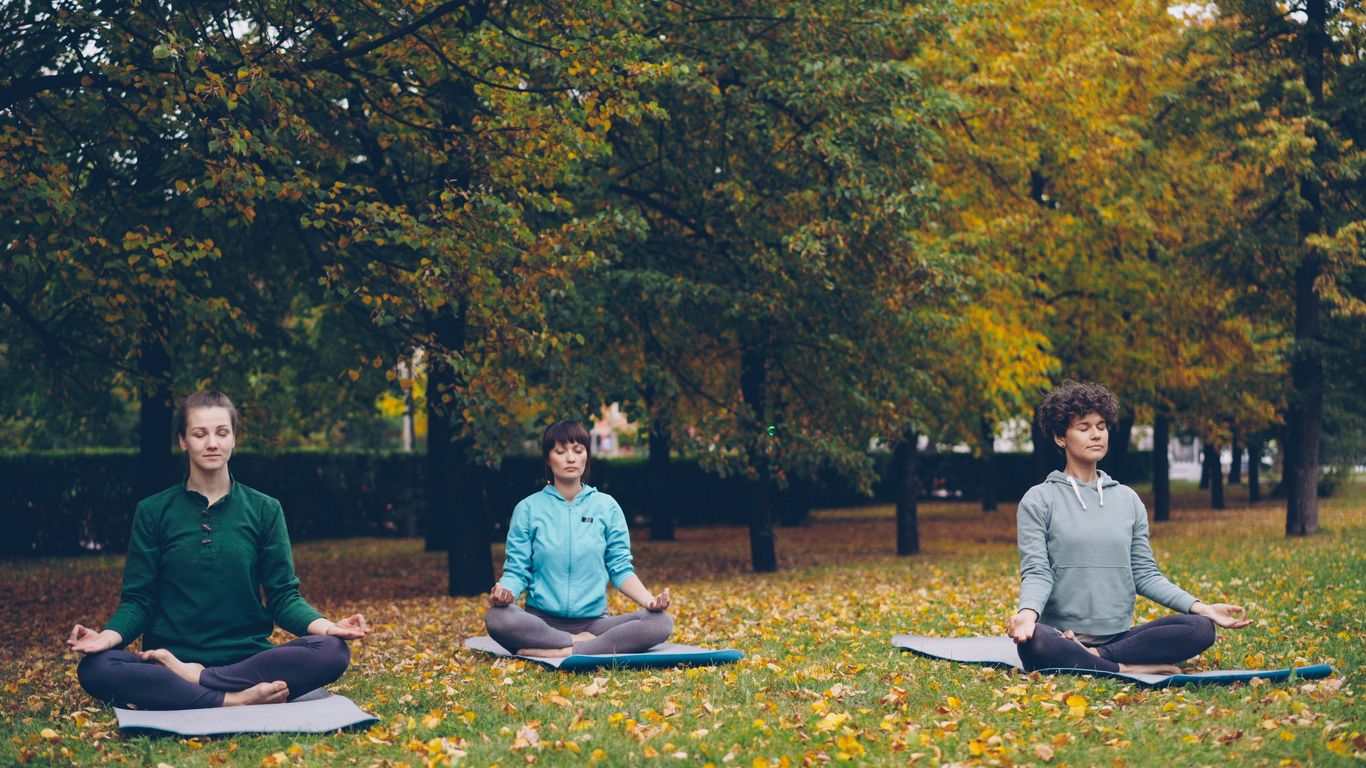
So, you've decided a cushion is the way to go for your meditation practice. Awesome! But now comes the fun part: picking the right one. It's not just about grabbing the first cushion you see; think of it like choosing a good pair of shoes – comfort and support are key. Your cushion is your meditation partner, and finding the right fit makes all the difference.
Considering Your Meditation Style
How do you like to sit? Are you all about the full lotus, or is a simple cross-legged position more your speed? Maybe you prefer kneeling. Your go-to posture really matters.
- Cross-legged (Sukhasana, Lotus, Half-Lotus): If you're aiming for these, a zafu is usually your best bet. Its round shape helps tilt your pelvis forward, making it easier to keep your spine straight.
- Kneeling: A meditation bench or a thicker, firmer cushion might be more comfortable here, taking pressure off your knees and ankles.
- Other Positions: If you find yourself shifting a lot or prefer a more relaxed posture, a larger, flatter mat like a zabuton might offer more freedom.
Addressing Physical Needs and Flexibility
Let's be real, our bodies aren't always as flexible as we'd like. If your hips feel tight or your knees complain after a few minutes, that's a sign you need a cushion that offers a bit more help. Don't push yourself into discomfort; your cushion should support you, not fight against you.
Think about your general flexibility. If you're naturally quite limber, you might not need a super high cushion. But if you're feeling a bit stiff, especially in the hips or lower back, a taller cushion can make a world of difference. It helps lift your hips just enough so your knees can relax below them, which is a big deal for keeping your spine happy.
The Importance of Cushion Height
Height is a big one. The goal is to get your hips higher than your knees. This simple shift helps your lower back maintain its natural curve without you having to think about it. It stops you from slumping and makes sitting for longer periods way more doable.
Here’s a rough guide:
| Flexibility Level | Recommended Height | Notes |
|---|---|---|
| Low Flexibility | 12-15 cm (5-6 inches) | Great for tight hips and lower back support. |
| Medium Flexibility | 10-12 cm (4-5 inches) | A good middle ground for most people. |
| High Flexibility | 8-10 cm (3-4 inches) | Suitable if you can comfortably sit with hips higher than knees. |
To figure out your ideal height, sit on the floor in your preferred meditation pose and see how much space is between your sit bones and the floor. That can give you a good starting point.
Material, Durability, and Washability
Cushions come stuffed with all sorts of things. Buckwheat hulls are popular because they're firm and mold to your shape, offering great support. Kapok is softer and fluffier, giving a more cushioned feel. Some newer cushions use foam, which can be quite supportive too.
When picking a cushion, think about what feels good to you. Some people like a firm base, while others prefer a softer landing. It's a personal thing, and what works for your friend might not work for you. Don't be afraid to try a few if you can.
Also, consider how long you want your cushion to last. A well-made cushion with durable fabric will hold its shape and support for years. And let's not forget about cleaning! Most cushions have a removable cover, which is a lifesaver. You'll want to be able to toss that cover in the wash now and then to keep things fresh and hygienic.
Exploring Different Types Of Meditation Cushions
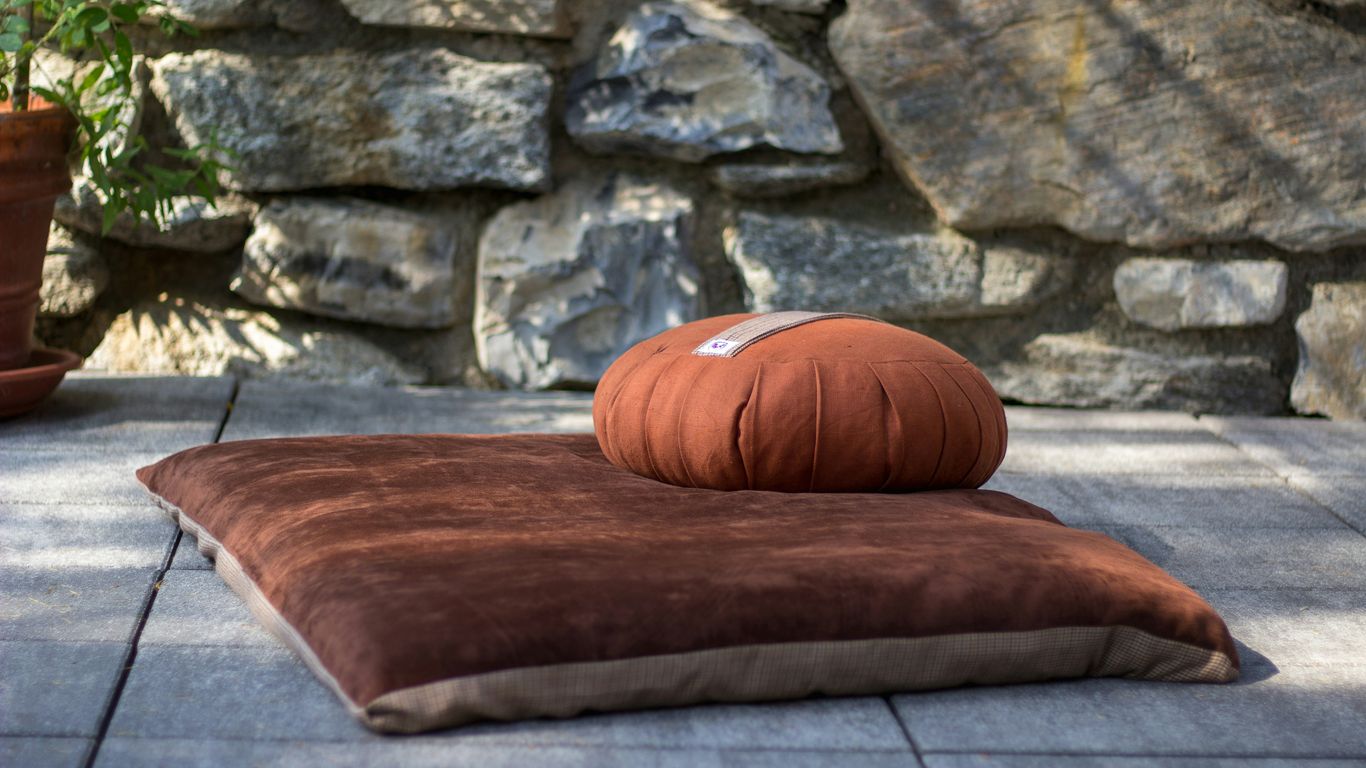
So, you've decided a cushion is the way to go for your meditation practice. Awesome! But now you're probably wondering, "Which one?" It's not just about picking a pretty color, though that's nice too. Different cushions are designed to help your body in specific ways, and knowing the main types can really help you find your perfect match.
The Classic Zafu Cushion
This is probably the image that pops into most people's heads when they think "meditation cushion." The zafu is that round, firm cushion, often filled with things like buckwheat hulls or kapok. Its main job is to give your hips a lift. Why is that important? Well, when your hips are slightly higher than your knees, it makes it way easier to keep your spine straight without feeling like you're straining. It helps you sit up tall and steady, so you can focus on your breath instead of your aching back. They come in different heights, which is super handy because not everyone's flexibility is the same. If you're pretty flexible, you might like a lower zafu. If your hips feel a bit tight, a taller one can be a lifesaver.
The Supportive Zabuton Mat
Think of the zabuton as the cozy blanket for your knees and ankles. It's a flat, rectangular mat that usually goes underneath your zafu. If you're sitting on a hard floor, this thing is a game-changer. It spreads out the pressure, so you're not digging your knees or ankles into the floor. You can also use a zabuton on its own if you prefer a kneeling posture or just want a bit of padding without the hip lift of a zafu. It makes sitting for longer periods much more bearable, especially when you're just starting out or have sensitive joints.
The Crescent Cushion Alternative
This one's a bit of a hybrid, kind of like a zafu but with a curved front. The idea behind the crescent cushion is to give you even more space for your thighs and hips. It often has a lower profile in the front and is higher in the back, which can feel really natural for some people. If you find that traditional zafus feel a bit restrictive, or if you have wider hips, the crescent shape might offer a more comfortable and open seating position. It still provides that crucial hip lift but in a slightly different way.
Choosing the right cushion isn't about following a trend; it's about listening to your body. What feels stable? What allows you to relax into your posture without tension? Experimenting with different types, even if it's just trying them out in a store or borrowing from a friend, can give you a much better sense of what works for you.
Mastering Your Posture With Cushion Meditation
So, you've got your cushion. That's a great start! But just having one isn't the whole story, right? The real trick is learning how to actually use it so you can sit without feeling like you're going to fall apart. The goal here is to find a way to sit that feels stable and that you can keep up for a while, letting your body relax. When your body isn't screaming at you with aches and pains, your mind has a much easier time focusing on, well, whatever it is you're trying to focus on.
The Key To Effortless Sitting
It sounds simple, but sitting on the front third of your cushion makes a huge difference. Seriously. This little adjustment helps tilt your pelvis forward just enough. It lets your spine naturally curve into that gentle 'S' shape it likes. Your hips end up a bit higher than your knees, which helps them open up and release some of that tightness we all carry around.
When your body is supported like this, you avoid a lot of the common problems that make people quit meditating. Think about it: no more numb legs, no more lower back twinges pulling you out of your zone. It's about creating a physical foundation so your mind can actually do its thing.
Finding Your Ideal Seated Position
There isn't one single 'right' way to sit. Honestly, the best position is whatever lets you stay still and feel okay. Don't be afraid to try a few things out to see what works for your body.
Here are some common ways people sit on their cushions:
- Cross-legged (Sukhasana): This is what most people picture. Sit with your legs crossed. If your knees are higher than your hips, try a thicker cushion or a zabuton mat underneath to lift your hips.
- Kneeling (Seiza): Sit on your shins with your bottom resting on your heels. A cushion placed between your thighs and calves can make this much more comfortable for longer periods.
- Burmese: Similar to cross-legged, but one foot is placed in front of the other, resting on the floor. This can be more stable for some.
- Half Lotus/Full Lotus: These involve tucking one or both feet up towards the opposite thigh. These require more flexibility and aren't suitable for everyone.
Experimentation is key. What feels good for five minutes might not feel good for twenty. Pay attention to your body's signals and adjust as needed. It's better to shift slightly than to endure discomfort that distracts you.
Tips For Proper Cushion Usage
- Check your alignment: Once you're settled, feel your spine. Is it long and upright, but not stiff? Are your shoulders relaxed down away from your ears?
- Don't force it: If a position feels painful, it's not the right one for you right now. Try a different leg arrangement or adjust your cushion.
- Use a mat: A zabuton mat placed under your cushion can add extra padding for your knees and ankles, especially if you're sitting on a hard floor.
- Listen to your body: This is the most important tip. If something hurts, change it. Your meditation practice should support you, not cause pain.
Integrating Your Cushion Into A Holistic Practice
So you've got your cushion, and it feels pretty good, right? But how do you make it more than just a comfy seat? It's about weaving it into your whole day, not just the few minutes you're sitting. Think of it as a little anchor for your well-being.
Creating Your Personal Meditation Sanctuary
Your meditation space doesn't need to be fancy. Honestly, a quiet corner can work wonders. The idea is to signal to your brain that this spot is for peace. Maybe add a plant, a nice candle, or a picture that makes you feel calm. It's about making a little haven that feels yours. When you intentionally create this space, you're setting yourself up for a more focused and peaceful session. It’s like preparing the soil before you plant a seed – it helps everything grow better.
Incorporating Cushion Meditation Into Your Routine
Making meditation a habit is key. Don't aim for an hour right away. Start small, maybe 5 or 10 minutes. Consistency is more important than duration when you're starting out. Try to sit at the same time each day if you can. Maybe it's first thing in the morning before the world wakes up, or perhaps in the evening to wind down. Your cushion is there to make this easier, to support you as you build this practice.
Here’s a simple way to think about fitting it in:
- Morning: A quick 5-minute sit to set your intention for the day.
- Midday: A brief reset if you're feeling overwhelmed or stressed.
- Evening: A longer session to process the day and prepare for sleep.
Complementary Wellness Practices
Your cushion is a great tool, but it works even better with other good habits. Think about what else helps you feel centered. Maybe it's a warm cup of herbal tea before you sit, or some gentle stretching. Some people like to journal after meditating, or listen to calming music. Even simple things like taking a few deep breaths before you get out of your car can be part of this broader approach to feeling good. It’s all about building a routine that supports your mind and body.
The goal isn't to add more tasks to your day, but to find simple, mindful moments that connect you back to yourself. Your cushion is just one piece of that puzzle, making the sitting part feel more natural and accessible.
Maintaining Your Meditation Cushion
So, you've found your perfect meditation cushion. That's awesome! Now, let's talk about keeping it in good shape so it can keep supporting your practice for a long time. It's not complicated, really. A little bit of care goes a long way.
Essential Care For Longevity
Think of your cushion like any other well-loved item. It needs a bit of attention to stay its best. Most cushions are made with durability in mind, but how you treat it matters. Regular, gentle care will make sure your cushion remains a comfortable and stable part of your meditation space for years.
Here are some basic things to keep in mind:
- Check the Cover: If your cushion has a removable cover, this is your best friend for cleaning. Most are machine washable, but always check the tag first. Use a mild detergent and a gentle cycle. Air drying is usually best to prevent shrinking or damage.
- Spot Clean as Needed: For minor spills or marks on the cover or cushion itself, a damp cloth with a bit of mild soap can often do the trick. Just be sure to let it dry completely before using it again.
- Fluff and Rotate: Over time, the filling inside can settle. Give your cushion a good fluff every now and then, especially if it's filled with buckwheat hulls or kapok. Rotating it can help keep the support even.
- Storage: When you're not using it, store your cushion in a dry place. Try to keep it out of direct sunlight, as this can fade the fabric over time.
Keeping Your Cushion Fresh and Supportive
Beyond just cleaning, there are a few other things that help keep your cushion feeling just right.
- Filling Check: If your cushion uses buckwheat hulls, they can compress a bit after a few years. You can often buy small bags of extra hulls to top it off and restore its firmness. Kapok-filled cushions might feel a bit softer over time, and some people prefer that.
- Air It Out: Occasionally, letting your cushion air out in a well-ventilated room can help keep it feeling fresh and prevent any mustiness.
- Mindful Use: Try to use your cushion only for meditation or quiet sitting. This helps keep it cleaner and preserves its supportive qualities.
Taking care of your meditation cushion isn't a chore; it's part of the practice itself. It's a way of showing respect for the tool that helps you find stillness. When you care for your cushion, you're also caring for your practice and, by extension, yourself. It's a simple act that reinforces the intention you bring to your meditation.
Your Journey to Comfort and Focus Continues
So, you've found your ideal meditation cushion. That's a big step! Remember, this cushion isn't just a piece of fabric and filling; it's a tool to help you settle in and truly connect with your practice. Don't be afraid to adjust how you sit on it, or even try different positions throughout your session. Your body will let you know what feels right. Keep listening to it, and take care of your cushion so it can keep supporting you. This journey of finding stillness is ongoing, and with the right support, you're well on your way to more peaceful and focused moments.
Frequently Asked Questions
Why should I use a meditation cushion?
A meditation cushion helps you sit more comfortably for longer periods. It supports your body, especially your hips and spine, which can make it easier to focus without getting distracted by aches or pains. Think of it as giving your body a comfy, stable base so your mind can relax.
What's the difference between a Zafu and a Zabuton?
A Zafu is the round cushion that you sit on, usually filled with things like buckwheat hulls. It lifts your hips up. A Zabuton is a flat mat that goes under the Zafu and your legs. It cushions your knees and ankles, especially if you're sitting on a hard floor.
How do I know what height cushion I need?
The right height helps your knees rest lower than your hips. If you have tighter hips or less flexibility, a taller cushion (maybe 12-15 cm) might be better. If you're more flexible, a lower one (8-12 cm) could work. The goal is to sit without straining your back or feeling pinched.
Can I use a regular pillow instead of a meditation cushion?
You can, but meditation cushions are designed specifically to provide the right kind of support. They tend to be firmer and hold their shape better than a regular pillow, which helps keep your spine aligned and prevents you from sinking too much.
How often should I clean my meditation cushion?
It's a good idea to clean your cushion regularly, especially if you use it often. Many cushions have removable covers that you can wash. Check the instructions that came with your cushion, but keeping it clean helps it last longer and stay fresh.
What if my legs still get numb even with a cushion?
Even with a cushion, numbness can happen if you sit in the same position for too long. Try adjusting your leg position slightly, or take short breaks to gently stretch. Listening to your body and making small changes can help prevent discomfort.

