
Exploring the Many Different Forms of Yoga: A Comprehensive Guide
So, you've heard about yoga, right? Maybe you've seen people doing poses on Instagram, or a friend keeps telling you how much they love their yoga class. But when you look at a schedule, it's like a whole different language! There are so many different forms of yoga out there, it can be a bit overwhelming trying to figure out where to start. Think of it like choosing a flavor of ice cream – there's a whole lot more than just vanilla! This guide is here to break down some of the most common types of yoga, so you can get a better idea of what each one is about and maybe even find one that sounds perfect for you.
Key Takeaways
- Hatha yoga is a good starting point, focusing on basic poses and breathing.
- Vinyasa and Ashtanga yoga offer more dynamic, flowing movements, with Ashtanga being more structured.
- Bikram yoga is practiced in a hot room, while Yin and Restorative yoga are slower and focus on deep release and relaxation.
- Kundalini yoga adds chanting and meditation to awaken energy, and specialized forms like Aerial and Acro yoga offer unique experiences.
- The best way to find the right style is to try different forms of yoga and see what feels right for your body and mind.
Foundational Styles of Yoga
When you first start thinking about yoga, it's easy to get a little overwhelmed by all the different names and styles out there. But before we get into the more specialized or energetic practices, it's good to know where many of them come from. These foundational styles are like the roots of the yoga tree, offering a solid base for your practice. They focus on the basics, making them super accessible whether you're a total newbie or just looking to refine your technique.
Understanding Hatha Yoga
Hatha yoga is often seen as the starting point for many other yoga forms. The word "Hatha" itself comes from Sanskrit, with "Ha" meaning sun and "Tha" meaning moon. So, it's all about finding balance – between effort and ease, movement and stillness, or even the masculine and feminine energies within us. Classes typically involve holding basic postures for a few breaths, focusing on proper alignment and connecting with your breath. It's not usually a fast-paced class; think more along the lines of a gentle, steady exploration of poses. This makes it a great place to begin your yoga journey, giving you a chance to really get a feel for the poses without feeling rushed. It's a practice that builds a strong connection between your body and mind, setting the stage for deeper exploration later on. If you're looking for a balanced practice that connects body and mind, [Hatha yoga] is a good place to start.
Exploring Iyengar Yoga
Iyengar yoga, named after its founder B.K.S. Iyengar, really hones in on the details. The main goal here is precise alignment in every single pose. You'll often see a lot of props used in Iyengar classes – things like blocks, straps, blankets, and bolsters. Don't let the props fool you; they aren't there to make things easier, but rather to help you achieve the correct alignment and hold the pose safely and effectively, even if you can't quite get into the full expression of it yet. This meticulous approach means poses are often held for longer durations, allowing you to really feel the pose and understand its mechanics. It's fantastic for building strength, stability, and body awareness. If you appreciate a methodical approach and want to understand the 'why' behind each posture, Iyengar might be your jam.
Discovering Sivananda Yoga
Sivananda yoga is a more holistic style, founded by Swami Sivananda and popularized by his disciple Swami Vishnudevananda. It's built around five principles: proper exercise (asanas), proper breathing (pranayama), proper relaxation (savasana), proper diet (vegetarian), and positive thinking and meditation (vedanta and dhyana). A typical Sivananda class follows a set structure: relaxation, breathing exercises, sun salutations, 12 basic poses, and a final relaxation. The emphasis is on the spiritual and philosophical aspects of yoga, alongside the physical practice. It's designed to be a complete system for well-being, aiming to bring about physical health, mental clarity, and spiritual growth. It’s a practice that encourages you to look inward and connect with a deeper sense of self. You can find [classes that focus on these principles] to get a feel for this style.
Dynamic and Flowing Yoga Practices
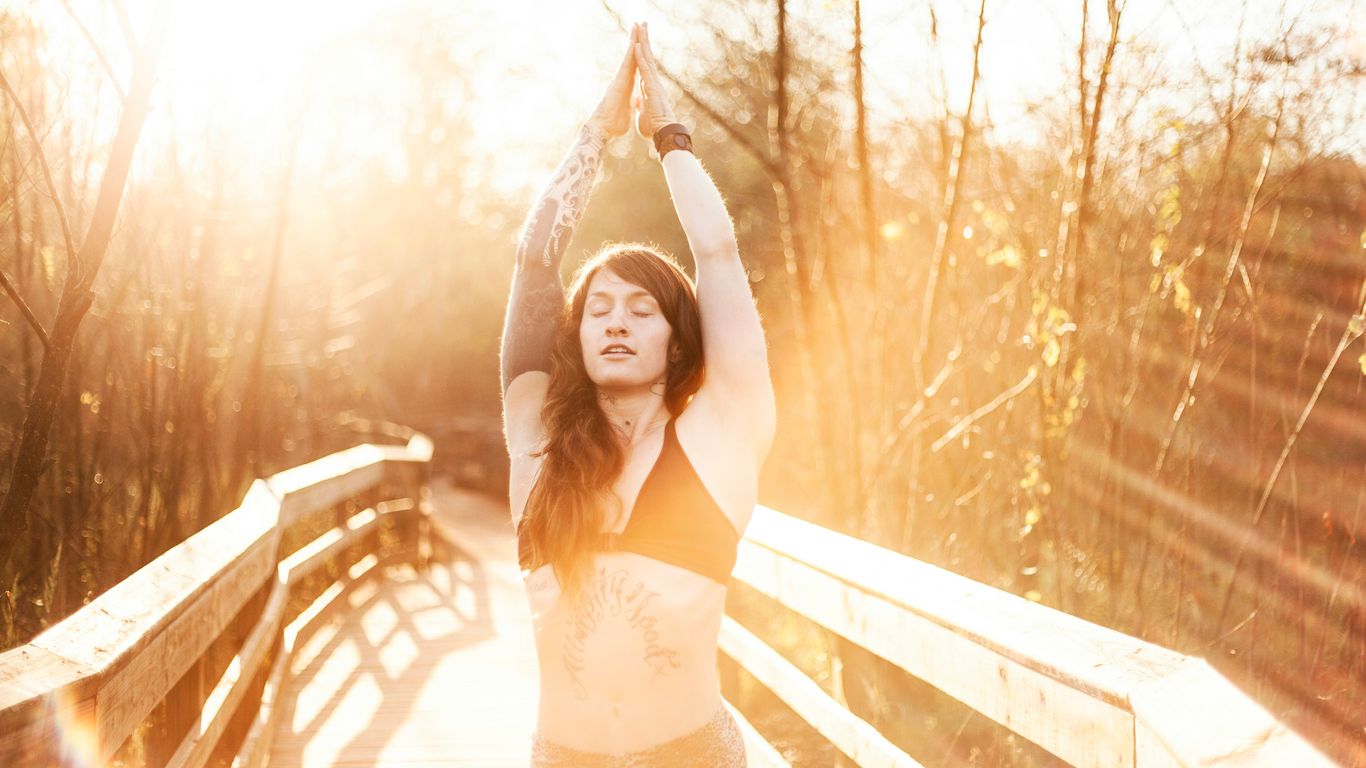
This section is all about yoga styles that get you moving. Forget holding poses for ages; here, it's about linking breath with movement in a continuous flow. It's a great way to build heat in the body and really connect your mind and muscles.
The Rhythmic Flow of Vinyasa Yoga
Vinyasa, often called "flow yoga," is super popular. It's all about synchronizing your breath with each pose, moving smoothly from one to the next. This creates a dance-like sequence that can feel almost meditative, even though you're physically active. It's a style that really suits people who like variety in their practice and want a good mix of movement and mindfulness. You might find yourself doing sequences that work your whole body, often building up to a more challenging pose.
- What to expect: Classes usually start with some centering and breathing, followed by warm-up movements. Then comes the "flow" part, where poses are linked together. It usually finishes with some longer holds and a final relaxation.
- Good for: Anyone who enjoys a dynamic practice, wants to improve flexibility and strength, and likes a bit of variety in their sequences.
- Intensity: Can range from moderate to high, depending on the teacher. A "slow flow" variation offers a gentler pace.
Vinyasa yoga was actually developed from Ashtanga yoga, so you can see some similarities, but it's generally less rigid and allows for more creativity in sequencing.
The Rigorous Structure of Ashtanga Yoga
Ashtanga is a more structured style, following a specific series of poses that are always done in the same order. It's a physically demanding practice that builds internal heat, strength, and flexibility. You'll often hear about "led" classes where the teacher calls out the poses, guiding you through the sequence. It's a practice that really appeals to those who like routine and a predictable, yet challenging, physical and spiritual experience. There's usually no music, just the sound of breath and movement.
The Energetic Pace of Power Yoga
Power yoga is another style that grew out of Ashtanga, but it's much less strict. Teachers have a lot more freedom to create their own sequences, making each class feel a bit different. It's known for being quite active and fast-paced, focusing on building muscle strength and increasing flexibility. Some power yoga classes might even be heated, adding another layer of intensity. If you're looking for a workout that also engages your mind and works all your muscle groups, power yoga could be a good fit. It's a great option if you like the intensity of Ashtanga but prefer more variety in class structure.
Specialized and Therapeutic Yoga Forms
Sometimes, yoga isn't just about a good stretch or a quiet moment. There are styles specifically designed to help with particular needs, whether that's healing from an injury, managing stress, or just finding a deeper sense of calm. These practices often use props and a slower pace to support the body and mind.
The Heat and Discipline of Bikram Yoga
This style is pretty intense, and you'll definitely break a sweat. Bikram yoga involves a set sequence of 26 postures and two breathing exercises, all performed in a room heated to about 105°F with 40% humidity. The heat is meant to help you get deeper into the poses and supposedly aids in detoxification. It's a very structured practice, so if you like routine and a challenge, this might be for you. It's not for the faint of heart, but many find the discipline rewarding.
The Deep Release of Yin Yoga
If you're looking for a way to unwind and release tension, Yin yoga is worth checking out. Unlike more active styles, Yin yoga involves holding poses for extended periods, usually five minutes or longer. The focus here is on targeting the deeper connective tissues, like fascia, and promoting flexibility. It's a very passive practice, allowing your body to relax and let go. You might find yourself holding just a few poses throughout an entire class, and that's totally okay.
The Gentle Support of Restorative Yoga
Restorative yoga is all about deep relaxation and healing. It uses a lot of props – think bolsters, blankets, and blocks – to completely support your body in gentle poses. The goal is to allow your nervous system to calm down and your body to find a state of rest. Poses are held for a long time, often five minutes or more, and it's common to feel incredibly relaxed, maybe even a little sleepy. This style is fantastic for anyone dealing with stress or recovering from physical ailments.
Here's a quick look at what makes these styles unique:
- Bikram Yoga: Hot room, set sequence of 26 poses, focus on sweat and discipline.
- Yin Yoga: Long holds, targets connective tissues, promotes deep release and flexibility.
- Restorative Yoga: Heavy use of props, focus on relaxation and nervous system calming, gentle and healing.
These specialized forms of yoga show how adaptable the practice can be. They highlight that yoga isn't a one-size-fits-all activity but can be tailored to meet specific physical and mental needs, offering a path to improved well-being for a wide range of people.
Spiritual and Energetic Yoga Disciplines
This section looks at yoga styles that really focus on the inner experience, going beyond just the physical poses. It's about connecting with yourself on a deeper level.
Awakening Kundalini Energy
Kundalini yoga is all about waking up that dormant energy said to be coiled at the base of your spine. Think of it as a way to tap into your inner life force. Classes often involve a mix of things: chanting mantras to focus the mind, specific sets of movements called kriyas that are designed to stir up energy, and deep meditation. It's not uncommon to see students wearing white, as it's believed to help ward off negativity and boost your personal energy field. A typical Kundalini session might start with a specific chant, followed by breathing exercises, some warm-up movements, then the main kriyas, and finally, a period of rest and meditation. It's a practice that aims to elevate your consciousness and leave you feeling revitalized.
- Mantra Chanting: Using specific sounds or phrases to focus the mind and create vibrations.
- Kriyas: Coordinated sequences of poses, breathwork, and sound.
- Pranayama: Advanced breathing techniques to control energy flow.
- Meditation: Focused mental exercises for clarity and awareness.
This approach to yoga is less about achieving perfect poses and more about the energetic and mental shifts that occur during the practice. It's a journey inward, using the body as a vehicle for spiritual exploration.
The Union of Body and Spirit
While many yoga styles touch on the spiritual, some are explicitly designed to bridge the gap between your physical self and your inner essence. These practices often incorporate elements that quiet the mind and open the heart, allowing for a more profound sense of connection. Techniques like focused meditation, mindful breathing exercises, and periods of quiet contemplation are common. The goal is to cultivate a state of inner peace and a feeling of oneness, not just with yourself but with everything around you. It's about finding stillness within the movement and recognizing the sacred in the everyday. Exploring these paths can lead to a greater sense of purpose and well-being, offering a way to find balance in a busy world. You can find resources that explore various yoga disciplines suitable for different lifestyles.
- Mindfulness: Paying attention to the present moment without judgment.
- Self-Reflection: Taking time to examine your thoughts, feelings, and experiences.
- Breath Awareness: Using the breath as an anchor to stay present and calm.
These practices are great for anyone looking to reduce stress and cultivate a deeper sense of inner calm. They provide tools for staying calm amidst challenges and fostering a more spiritual outlook on life.
Modern and Unique Yoga Variations
Yoga has really branched out, hasn't it? Beyond the well-known styles, there are some pretty creative and fun twists on the practice popping up everywhere. These newer forms often blend yoga with other activities, making it accessible and exciting for people who might not have considered yoga before. It's all about finding a way to connect with your body and mind that feels right for you, even if it involves a hammock or some furry friends.
The Playfulness of Aerial Yoga
Imagine doing your downward dog while suspended in the air. That's Aerial Yoga for you! It uses a soft fabric hammock, usually attached to the ceiling, to support your body. This can help you get deeper into stretches and take pressure off your joints. It's a fantastic way to build core strength and improve flexibility, and honestly, it just feels really cool to float around a bit. You get a great workout, and it adds a whole new dimension to familiar poses. It's a good idea to check out different yoga styles to see what might appeal to you.
The Partnered Challenge of Acro Yoga
Acro Yoga is where yoga meets acrobatics and a bit of Thai massage. It's usually practiced with a partner, and it's all about balance, trust, and communication. One person acts as the 'base,' supporting the other, who is the 'flyer.' Together, you create dynamic and often gravity-defying poses. It's a really engaging way to build strength, improve your coordination, and connect with someone else on a deeper level. It might seem intimidating, but the teamwork aspect is incredibly rewarding.
The Whimsicality of Goat Yoga
Yep, you read that right – Goat Yoga. This is exactly what it sounds like: practicing yoga with goats wandering around, and sometimes even climbing on you. It's definitely one of the more unusual variations, but it's become super popular for its sheer fun factor. The goats add an element of surprise and lightheartedness that can make even the most serious yogi crack a smile. It's a great stress reliever and a unique way to get people interested in yoga. While the goats might add a bit of chaos, the core yoga principles are still there, just with a lot more bleating.
These modern variations show how adaptable yoga is. They take the core ideas of movement, breath, and mindfulness and apply them in playful, unexpected ways. It's a reminder that yoga isn't just one thing; it's a vast practice that can be shaped to fit all sorts of interests and lifestyles. Whether you're looking for a serious challenge or just a good laugh, there's likely a yoga style out there for you, perhaps even one with uncommon pose alternatives.
Here's a quick look at what makes these unique:
- Aerial Yoga: Uses a hammock for support and inversions. Great for decompressing the spine and building upper body strength.
- Acro Yoga: Partner-based, blending yoga with acrobatics. Requires significant trust and communication.
- Goat Yoga: Incorporates animals into the practice for a fun, stress-reducing experience. Focuses on lightheartedness and connection.
Finding Your Flow
So, there you have it. Yoga isn't just one thing; it's a whole bunch of things, really. We've looked at a bunch of different styles, from the super chill ones to the ones that will really get you moving. It can feel a little overwhelming at first, trying to figure out what's what. But the cool part is, there's probably a type of yoga out there that fits exactly what you're looking for right now. Don't be afraid to try a few different classes or teachers. What works for your friend might not be your jam, and that's totally okay. The most important thing is to find a practice that feels good for your body and your mind, and just enjoy the journey.
Frequently Asked Questions
What exactly is yoga?
Yoga is basically a way to connect your body, your mind, and your spirit. It's an old practice that helps you find balance, learn how to stretch your body right, breathe deeply, and calm your thoughts. Think of it as a journey to understand yourself better.
Are all yoga styles the same?
Not at all! While yoga started as one thing, it has grown into many different styles. Some are slow and focus on holding poses, while others are fast-paced and flowing. There are even fun ones like goat yoga where animals join in!
Is yoga good for beginners?
Yes, many yoga styles are great for beginners. Styles like Hatha yoga are often recommended because they move at a slower pace and focus on the basic poses and breathing. It’s a gentle way to start.
What's the difference between Vinyasa and Ashtanga yoga?
Both Vinyasa and Ashtanga are known for their flowing movements. However, Ashtanga follows a very specific set of poses in a set order, making it quite challenging. Vinyasa is more flexible, with teachers creating different sequences, usually linked to your breath.
What is 'hot yoga' like Bikram?
Hot yoga, like Bikram, is practiced in a very warm room, usually around 105 degrees Fahrenheit. It involves a set series of poses and breathing exercises. The heat helps you sweat a lot and can make your muscles more flexible, but it's a pretty intense workout.
How do I pick the right yoga style for me?
Think about what you want to get out of yoga. If you want a calm and relaxing experience, try Restorative or Yin yoga. If you're looking for a good workout, Power Yoga or Ashtanga might be better. If you're interested in the spiritual side, Kundalini could be a good fit. It's best to try a few different types to see what feels right for your body and mind.

