
Explore Yoga Asanas: Names and Pictures to Enhance Your Practice
Getting started with yoga can feel like learning a new language, and in a way, it is. The poses, or 'asanas', are the words, and the breath is the grammar that ties it all together. These aren't just random stretches; they're carefully put together movements designed to connect your physical self with your inner world. Think of them as the basic building blocks for everything else you'll do on the mat. Building a solid base here means you can explore more complex things later without feeling completely lost. This guide will walk you through different yoga poses for every level, from beginner to advanced, and touch on how breathing and staying present tie it all together. So, let's get your mat ready and begin.
Key Takeaways
- Yoga poses, also known as asanas, help bring balance to your body and mind.
- Many yoga pose names come from Sanskrit and describe what the pose looks like or its purpose.
- Beginner yoga poses are designed for stability and relaxation.
- More challenging yoga poses help build strength and flexibility.
- Practicing various yoga poses regularly can improve your strength, flexibility, and focus.
Understanding Foundational Yoga Asanas
The Significance Of Asanas In Yoga
Yoga poses, or asanas, are more than just physical exercises; they're a way to connect with yourself on multiple levels. Think of them as the starting point for really getting to know your body and mind. While you'll definitely build strength and flexibility, that's only part of the picture. Each pose is designed to prepare you for deeper states of calm and focus, like meditation. Regular practice helps you feel more grounded, stand taller, and become more aware of how your body moves. It's a practical way to bring a sense of peace and clarity into your daily life, even after you leave your mat. These initial postures are designed to help you settle in, find your balance, and start to connect with your breath.
Decoding Sanskrit Names And Their Meanings
Many yoga poses have names from Sanskrit, an ancient language. These names often give you a little clue about what the pose looks like or its purpose. For example, 'Tadasana' translates to Mountain Pose, and it's all about standing tall and feeling stable. 'Vrksasana' is Tree Pose, which makes sense when you see how you balance on one leg. Learning these names can add a layer of meaning to your practice, like getting a little hint about the pose's intention. You can find a great resource for yoga asana names to help you understand these terms better.
Connecting Mind, Body, And Spirit Through Poses
Yoga is really about bringing all the different parts of you together. Different types of poses can affect you in different ways:
- Standing Poses: These help you feel steady and can really sharpen your concentration. They build a strong base, much like the foundational standing and sitting poses that are often recommended for beginners.
- Seated Poses: Good for winding down, these encourage you to relax and look inward.
- Inversions: Flipping upside down can give you a boost of energy and help you feel more confident.
The journey into yoga begins with understanding the foundational poses. It's less about achieving a perfect shape and more about gentle exploration and movement.
Exploring Categories Of Yoga Asanas
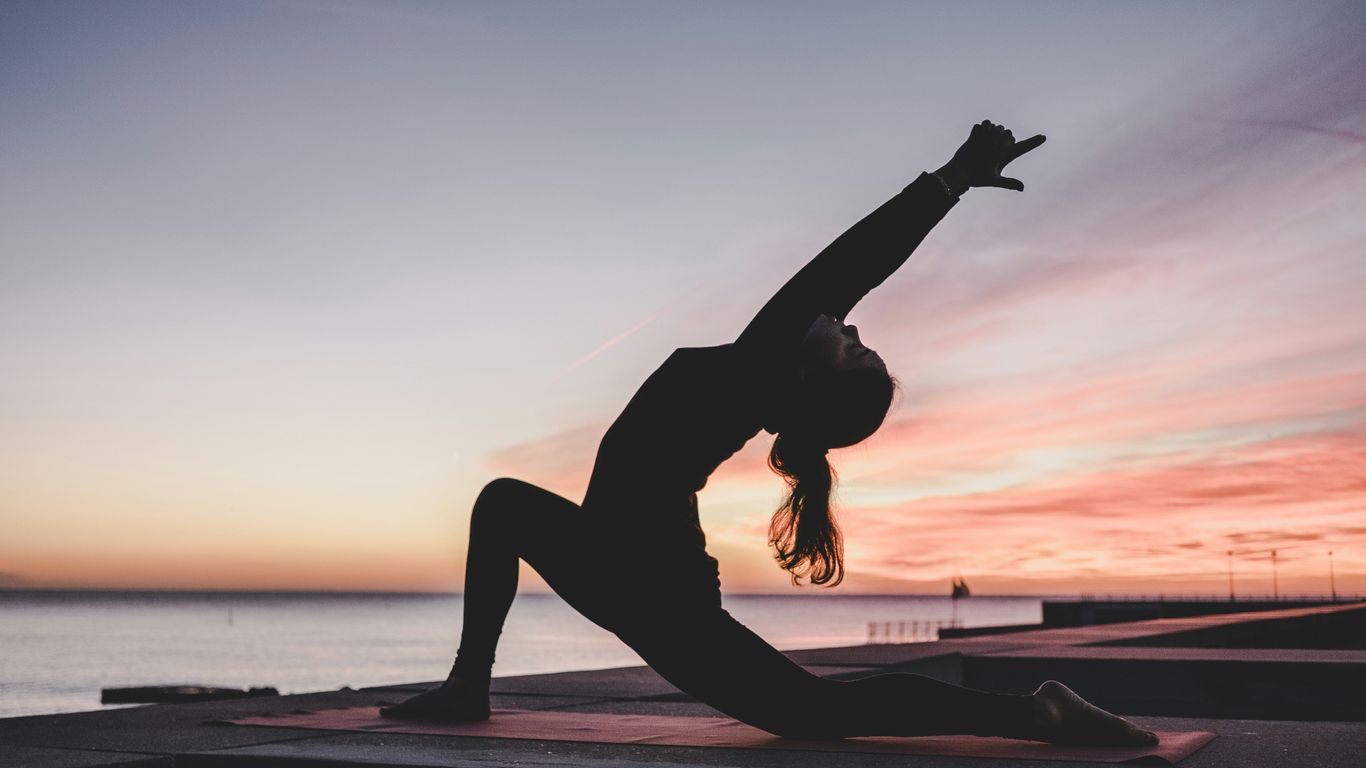
Yoga poses, or asanas, aren't just random stretches; they're organized into different groups based on how they affect your body and mind. Understanding these categories can really help you build a practice that makes sense for what you need on any given day. It's like having a toolkit where you pick the right tool for the job. Whether you're looking to feel more grounded, energized, or just need a moment of calm, there's a category of poses that can help.
Standing Poses For Stability And Strength
These are the poses where your feet are firmly on the ground. Think Mountain Pose (Tadasana) or Tree Pose (Vrksasana). They are fantastic for building a solid foundation, improving your balance, and strengthening your legs and core. When you feel a bit scattered or just need to feel more steady, turning to standing poses is a great idea. They help you connect with the earth and bring a sense of calm focus.
Seated Poses For Relaxation And Focus
As the name suggests, these poses are done while sitting. Easy Pose (Sukhasana) or Bound Angle Pose (Baddha Konasana) are common examples. Seated poses are generally more calming. They encourage you to slow down, breathe, and turn your attention inward. They're perfect for winding down after a more active practice or when you need to find a moment of quiet reflection. Many people find these poses help prepare the mind for meditation.
Inversions For Energy And Confidence
Inversions are poses where your head is below your heart. This might sound a bit intimidating, but they can be incredibly invigorating. Poses like Downward-Facing Dog (Adho Mukha Svanasana) or even more advanced ones like Headstand (Sirsasana) fall into this category. They can help boost circulation, bring a fresh perspective, and build a sense of confidence. It's amazing how flipping your perspective can change how you feel.
It's important to remember that not all poses are for everyone, and listening to your body is key. If a pose doesn't feel right, it's okay to modify it or skip it altogether. The goal is to feel good and make progress, not to push yourself into discomfort.
Here's a quick look at how different categories might serve you:
- Standing Poses: Great for grounding, posture, and leg strength.
- Seated Poses: Ideal for relaxation, introspection, and preparing for meditation.
- Inversions: Can energize, improve circulation, and build confidence.
Exploring these different types of yoga postures can help you create a well-rounded practice that addresses various needs throughout your week.
Beginner Yoga Asanas With Names And Pictures
Foundational Poses For A Solid Base
Starting yoga can feel a bit like learning a new language, but with poses, it’s more about feeling your way into it. For those just beginning, the focus is on getting comfortable on your mat and learning how your body moves. These initial postures are designed to help you settle in, find your balance, and start to connect with your breath. It's less about achieving a perfect shape and more about gentle exploration and movement. Think of these as the building blocks for everything else you'll do on the mat.
Here are a few key poses to get you started:
- Tadasana (Mountain Pose): This is the starting point for many standing sequences. Stand tall with your feet together or hip-width apart, arms by your sides. Feel your feet grounded and your spine long. It’s all about finding stillness and presence.
- Balasana (Child's Pose): A wonderful resting pose. Kneel on the floor, bring your big toes to touch, and sit on your heels. Separate your knees about hip-width apart and fold forward, resting your forehead on the mat. Your arms can be stretched out in front or rest alongside your body. It’s a pose for surrender and rest.
- Marjaryasana-Bitilasana (Cat-Cow Pose): This gentle flow links breath with movement. Start on your hands and knees. As you inhale, drop your belly, lift your chest and tailbone (Cow). As you exhale, round your spine, tuck your chin and tailbone (Cat). This warms up the spine and brings awareness to your breath.
The goal with these initial poses isn't perfection, but rather a gentle introduction to how your body feels and moves. Pay attention to your breath and try to keep it steady and smooth throughout your practice.
Poses For Stability And Balance
Once you're getting a feel for the basics, it's time to work on finding your footing and a bit of steadiness. These poses help you connect with the ground and build a sense of stability, which is super important for everything from daily life to more complex yoga movements. They also start to build that core strength that makes holding other poses much easier.
Let's look at a couple of poses that really help with stability:
- Vrksasana (Tree Pose): This is a classic balancing pose. Stand tall in Tadasana, then shift your weight to one foot. Place the sole of your other foot on your inner ankle, calf, or thigh (avoiding the knee joint). Bring your hands to your heart center or extend them overhead. Finding your balance here is a practice in focus and presence.
- Virabhadrasana II (Warrior II): Step your feet wide apart, turn one foot out 90 degrees and the other slightly in. Bend the front knee over the ankle, keeping the back leg straight. Extend your arms out to the sides, parallel to the floor, gazing over your front fingertips. This pose builds strength in the legs and opens the hips, while also demanding a steady gaze and grounded stance.
| Pose Name | Primary Benefit | Key Focus |
|---|---|---|
| Vrksasana (Tree) | Balance, Focus | Grounding one foot |
| Virabhadrasana II | Leg Strength, Stability | Steady gaze |
Intermediate Yoga Asanas To Enhance Practice
So, you've been doing yoga for a bit and feel ready to step things up. That's great! Intermediate poses are where you really start to build on your foundation, asking a bit more from your body and your focus. It's not about showing off, but about finding new levels of strength, flexibility, and that quiet place inside yourself.
Balancing Poses For Core Strength
Balancing poses are where things start to get really interesting. They're not just about standing on one leg without wobbling; they're about finding your center, both physically and mentally. These poses really test your concentration and your core muscles. Think of it as a workout for your mind as much as your body. A great example is Warrior III (Virabhadrasana III). It's a tough one, requiring leg strength, core engagement, and serious focus. Regular practice can improve your posture and coordination. It's all about finding that sweet spot where you're challenged but not overwhelmed. Practicing these can really help you find your center, both on and off the mat. You can explore different yoga poses tailored to your skill level to advance your practice safely.
Twisting Poses For Detoxification
Twisting poses are fantastic because they do more than just stretch you out. They can help counteract the effects of sitting all day, which most of us do way too much of. They're like a gentle massage for your internal organs. When you twist, you're essentially squeezing and releasing, which can aid in digestion and elimination. Plus, they're really good for your spine, improving flexibility and mobility. Here are a few to consider:
- Seated Spinal Twist (Ardha Matsyendrasana): A classic twist that's accessible to most levels.
- Revolved Triangle Pose (Parivrtta Trikonasana): A deeper twist that also challenges your balance.
- Revolved Side Angle Pose (Parivrtta Parsvakonasana): This one really opens up your chest and shoulders.
Twisting poses are not just about flexibility; they also help detoxify your body. They're a great way to release tension and improve circulation. It's like hitting the reset button for your body.
These poses, along with many others, can be found in a comprehensive list of yoga poses, offering a valuable reference for practitioners.
Popular Yoga Asanas And Their Benefits
There are tons of yoga poses out there, and it can feel a bit much trying to figure out which ones are the most helpful. But don't sweat it! We've picked out some well-loved asanas that really make a difference in your practice. These aren't just random stretches; they're poses that offer specific advantages, whether you're looking to feel more grounded, build some strength, or just unwind after a long week.
Asanas For Grounding And Posture
When you need to feel more stable and centered, standing poses are your go-to. Think of Tadasana, or Mountain Pose. It might seem simple, but standing tall with your feet firmly planted helps you connect with the earth. It's great for improving how you stand and strengthening your legs and ankles. Another one is Trikonasana, or Triangle Pose. This pose stretches your legs and torso, and it really helps you find that upright alignment. Regular practice of these poses can make a noticeable difference in your everyday posture.
Asanas For Full Body Stretch And Strength
Some poses just hit the spot for a good all-over stretch and a strength boost. Adho Mukha Svanasana, or Downward-Facing Dog, is a classic for a reason. It stretches your whole back body, from your heels to your hands, and it builds strength in your arms and legs. Bhujangasana, or Cobra Pose, is fantastic for opening up your chest and shoulders while strengthening your spine. These poses work multiple muscle groups at once, giving you that satisfying feeling of a body that's both worked and stretched.
Asanas For Relaxation And Stress Relief
After a busy day, or even just a busy hour, finding a pose that helps you unwind is key. Savasana, or Corpse Pose, is the ultimate relaxation pose. Lying flat on your back, letting go of all effort, allows your body and mind to truly rest. It's where a lot of the magic of yoga happens, helping to calm the nervous system and reduce feelings of stress. Other poses like Balasana (Child's Pose) offer a gentle way to curl inward and find a sense of peace. These poses are like a reset button for your mind and body.
It's easy to get caught up in trying to do the 'hard' poses, but sometimes the most profound benefits come from the simplest movements. Focusing on how a pose makes you feel, rather than how it looks, is where the real practice begins. Listen to your body; it knows what it needs.
Here's a quick look at some popular poses and their main perks:
- Tadasana (Mountain Pose): Improves posture, grounds you, strengthens legs.
- Adho Mukha Svanasana (Downward Facing Dog): Full body stretch, strengthens arms and back.
- Bhujangasana (Cobra Pose): Opens chest, strengthens spine, improves flexibility.
- Vrikshasana (Tree Pose): Builds balance and concentration, strengthens feet and ankles.
- Savasana (Corpse Pose): Promotes deep relaxation and stress relief. physical benefits of yoga poses.
Remember, the goal isn't perfection, but presence. Each pose, whether it's for strength or relaxation, contributes to a more balanced you. Exploring these poses can help you target specific areas for well-being.
Tailoring Your Practice With Yoga Asanas
So, you've got the names and pictures down, and you're ready to get on the mat. That's awesome! But how do you actually make these poses work for you without feeling like you're going to fall over or pull something? It's all about being smart with your practice. Think of it like learning to cook – you need the right tools and a good sense of what you're doing.
Restorative Asanas for Relaxation
These poses are like a gentle hug for your body and mind. They're perfect for when you need to slow down, de-stress, and just reset. Think of poses like Balasana (Child’s Pose) or Supta Baddha Konasana (Reclining Bound Angle Pose). They help calm your nervous system and give you a break from the daily grind. It's not about pushing yourself; it's about finding stillness and peace. These poses can really help with anxiety and stress relief.
Strength-Building Asanas
If you're looking to build some muscle and core power, these are your go-to poses. We're talking about poses like Virabhadrasana (Warrior Pose), Chaturanga Dandasana (Four-Limbed Staff Pose), and Adho Mukha Svanasana (Downward Facing Dog). They work your muscles, build endurance, and give you that satisfying feeling of being strong and capable. It’s about finding that inner warrior.
Flexibility-Enhancing Asanas
Want to touch your toes or feel a bit more open in your hips? These poses are designed to help. Paschimottanasana (Seated Forward Bend) and Ardha Matsyendrasana (Half-Spinal Twist Pose) are great examples. They help lengthen your spine, stretch out tight hamstrings, and improve your overall range of motion. It’s a gradual process, but you’ll notice a difference over time.
Using props like blocks and straps isn't cheating; it's smart practice. They help you get the alignment right and understand the pose better, no matter your experience level.
Here's a quick look at how different types of asanas can serve your goals:
- For Relaxation: Focus on poses that encourage stillness and breath, like Child's Pose or Reclining Bound Angle Pose.
- For Strength: Incorporate poses that challenge your muscles, such as Warrior Poses or Downward Facing Dog.
- For Flexibility: Explore poses that lengthen and open the body, like Seated Forward Bend or various twists.
Remember, yoga is your own journey. Listen to your body, celebrate small wins, and enjoy the process of learning what your body can do. It’s about consistency over perfection, and finding what feels good for you on any given day. You can start with foundational poses to build a solid base.
Your Yoga Journey Continues
So, that's a look at some of the common yoga poses and what they're all about. Remember, yoga isn't about being perfect or doing the most complicated poses right away. It's really about showing up for yourself, listening to your body, and finding what feels good. Whether you're just starting out or have been practicing for a while, keep exploring these asanas. Each one offers a little something different, helping you build strength, find calm, and just feel more connected to yourself. Don't be afraid to try new things and see how your practice evolves. Happy posing!
Frequently Asked Questions
What exactly are yoga poses, or 'asanas'?
Yoga poses, called 'asanas' in Sanskrit, are like the building blocks of yoga. They're special movements and stretches that help you connect your body and mind. Think of them as ways to get stronger, more flexible, and feel more peaceful, both on and off your yoga mat.
Why do yoga poses have names from an old language like Sanskrit?
Many yoga poses have names from Sanskrit, an ancient language. These names often give you a clue about what the pose looks like or what it's supposed to do. For example, 'Tadasana' means Mountain Pose, and it's all about standing tall and feeling steady.
Are yoga poses just about stretching?
Not at all! While stretching is part of it, yoga poses do so much more. They help you build strength, improve your balance, calm your mind, and even help your body work better. It's a whole-body and mind experience.
What's the difference between beginner and intermediate yoga poses?
Beginner poses are usually simpler and focus on building a good foundation, helping you feel stable and relaxed. Intermediate poses build on that, asking for more strength, balance, and focus, like twisting poses or more challenging balancing acts.
How can yoga poses help me relax?
Certain poses, called restorative poses, are specifically designed to help you relax and de-stress. They often involve gentle stretches and holding poses for a bit longer, helping to calm your nervous system and quiet your mind.
Do I need to be flexible to do yoga?
Nope! Yoga is for everyone, no matter how flexible you are. In fact, practicing yoga can help you become more flexible over time. The key is to start with poses that feel right for your body and to be patient with yourself as you grow.


