

Explore the Diverse World of Types of Yoga Class: Find Your Perfect Fit
Yoga can feel like a big, confusing world when you're just starting out. You see all these different class names and wonder what makes them unique. Is one better for getting a workout while another is for chilling out? The truth is, yoga is super versatile, and there are tons of different types of yoga class out there. Each one has its own vibe, intensity, and way of moving. Figuring out which style fits you best is all about understanding what you're looking for and being willing to try a few things. Let's break down some of the most common types of yoga class so you can find your perfect match.
Key Takeaways
- There are many different types of yoga class, each offering a unique experience and benefits.
- Hatha yoga is a good starting point for beginners, focusing on basic poses and breathwork.
- Vinyasa and Ashtanga yoga are more active, involving flowing movements and building strength.
- Specialized styles like Bikram (hot yoga) and Iyengar (precise alignment) cater to specific preferences.
- Finding the right yoga class involves knowing your goals, fitness level, and trying different styles.
Understanding the Spectrum of Yoga Styles
Yoga isn't just one thing; it's a whole universe of practices, each with its own flavor and focus. You might think of yoga as just stretching, but it can be so much more. Some classes will have you moving non-stop, building heat and sweat, while others are super slow, focusing on holding poses for a long time. It really depends on the style you choose. Each type has its own vibe, intensity, and what it aims to achieve. Some focus on building serious strength, others on flexibility, and some are all about calming the mind. It's pretty amazing how many ways there are to practice.
The Versatility of Yoga Practices
Think of yoga like a big family with lots of different members, each with its own personality. Some yoga types are super chill, while others will have you working up a serious sweat. You might go to a class expecting a gentle stretch and end up feeling like you ran a marathon, or maybe you wanted a workout and found yourself holding poses for what felt like forever. That's the cool thing about yoga – it's really adaptable. Depending on the style, the teacher, and what you're looking for, yoga can feel totally different. We're going to look at some of the most common yoga types out there, what makes them unique, and how you can pick the one that's just right for you. There are many different types of yoga, each offering a unique experience and set of benefits. Exploring these distinct styles is key for finding the perfect practice to improve your physical and mental well-being. You can explore 15 distinct yoga styles, each with a unique pace and objective.
Connecting Body, Mind, and Awareness
No matter the style, most yoga practices share a common thread: linking your physical body with your mental state and your overall awareness. It's about paying attention to how your body feels in each pose, how your breath moves, and what's going on in your head. This connection is what makes yoga a holistic practice. It's not just about the physical workout; it's about becoming more present and aware of yourself.
Yoga is not about how flexible you are. It’s about meeting your body where it’s at and gradually improving over time. Props and modifications make poses accessible for all levels. Focus on the journey, not just the destination.
Finding Your Unique Yoga Path
With so many different kinds of yoga out there, picking one can feel a bit overwhelming at first. But don't worry, it's actually a good thing! It means there's likely a perfect fit for whatever you're looking for right now. Are you hoping to de-stress after a long week? Need to build some muscle? Or maybe you just want to feel more centered? Thinking about what you want to get out of your practice is the first step to finding the right style. It's all about finding what works for you. Here’s a helpful way to think about it:
- Your Goals:
- Relaxation and Stress Reduction? Try Restorative, Yin, or gentle Hatha.
- Strength Building? Consider Vinyasa, Power Yoga, or Ashtanga.
- Improve Flexibility? Explore Yin, Hatha, or Vinyasa.
- Your Personality:
- Prefer structure and detail? Iyengar or Ashtanga may appeal to you.
- Enjoy a flowing, creative practice? Vinyasa might be your style.
- Crave deep relaxation? Seek out Restorative or Yin classes.
- Your Experience Level:
- Beginner? Hatha, Iyengar, or beginner Vinyasa are great starting points.
- Intermediate/Advanced? Ashtanga, Power Yoga, or more challenging Vinyasa flows might be suitable.
Remember, the eight limbs of yoga provide a framework for a complete practice, with Asana being just one part.
Foundational Types of Yoga Class for Beginners
When you're just stepping onto the yoga mat for the first time, the sheer variety of classes can feel a little overwhelming. But don't sweat it! There are some core styles that serve as excellent starting points, offering a gentle introduction to the practice. These foundational classes are designed to help you get comfortable with basic poses, learn how to connect your breath with movement, and build a solid base for whatever kind of yoga you might explore later on. Think of them as the welcoming committee of the yoga world.
Hatha Yoga: A Gentle Introduction
Hatha yoga is often recommended as the best type of yoga for beginners. The term 'hatha' broadly covers physical yoga practices, which includes most contemporary yoga styles. In a Hatha class, you can expect a slower pace. The focus is on holding individual poses, or asanas, for a few breaths. This gives you time to really feel the pose, work on your alignment, and sync up with your breath. It’s less about intense exertion and more about building body awareness and a steady foundation. You'll learn the names and shapes of common poses and get a feel for how your body responds. It’s a great way to start building a consistent practice.
- Focus on basic postures
- Emphasis on breath control
- Slower pace, ideal for newcomers
Iyengar Yoga: Precision and Alignment
If you appreciate detail and like to know you're doing things just right, Iyengar yoga might be your perfect match. This style is famous for its meticulous attention to alignment. Teachers guide you precisely into each pose, often using props like blocks, straps, and blankets to help you achieve the correct form. The goal is to build stability, flexibility, and strength through precise body positioning. Because props are used extensively, it's very accessible, regardless of your current flexibility or strength level. You'll learn a lot about how your body works and how to support it properly.
Beginner-Friendly Vinyasa Flow
While Vinyasa can sometimes be quite fast-paced, many studios offer beginner-friendly versions. In these classes, the instructor will guide you through a series of poses that flow together, but at a more manageable speed. The emphasis is still on linking breath with movement, but with more pauses and clearer instructions on how to get into and out of each pose. It’s a good way to get a taste of the dynamic nature of Vinyasa without feeling rushed. You'll start to build some heat and get your heart pumping a bit, all while learning the flow.
Starting with these foundational styles can make your yoga journey much more enjoyable and less intimidating. They provide the building blocks you need to confidently explore other, more dynamic or specialized classes later on.
Dynamic and Energizing Yoga Styles
Vinyasa Flow: The Art of Movement
Vinyasa, often called "Flow Yoga," is all about smooth transitions between poses, usually timed with your breath. Think of it like a dance; you move from one posture to the next in a continuous flow. This style is great for building strength, improving your flexibility, and really getting your heart rate up. It's a fantastic way to get a good workout while staying connected to your breath and body. Teachers often get creative with sequences, so no two classes are exactly alike. This makes it a really engaging practice if you like variety. You can find classes that offer a creative blend of styles, giving you the ultimate yoga experience [c5ec].
Ashtanga Yoga: Building Strength and Stamina
If you're looking for a more structured and physically demanding practice, Ashtanga might be for you. It follows a specific, set sequence of poses that you move through with your breath. This disciplined approach builds serious strength, flexibility, and stamina. Because the sequence is always the same, it's a great way to track your progress and really feel yourself getting stronger over time. It's a challenging but rewarding practice.
Power Yoga: A Vigorous Workout
Power Yoga is essentially a more fitness-focused version of Vinyasa. It's designed to be a vigorous workout, often faster-paced and more intense than a typical Vinyasa class. While it still emphasizes breath and flow, the primary goal is often to build heat, strength, and endurance. You can expect challenging poses and sequences that will definitely get you sweating. It's a great option if you're looking for a yoga class that feels more like a traditional workout but still offers the benefits of mindful movement.
These dynamic styles are perfect for those who want to feel the burn and build physical resilience. They challenge your body and mind, pushing you to move with intention and power. It's about finding strength not just in your muscles, but in your focus and breath.
Here's a quick look at what makes them stand out:
- Vinyasa Flow: Emphasizes fluid movement and breath synchronization, creating a dance-like experience.
- Ashtanga Yoga: Follows a set sequence of poses, building discipline, strength, and stamina.
- Power Yoga: A more intense, workout-oriented style focusing on building heat and endurance.
When you're exploring different yoga styles, remember that there are over 45 types to discover, each with its own unique benefits and approach [4e44].
Restorative and Meditative Yoga Practices
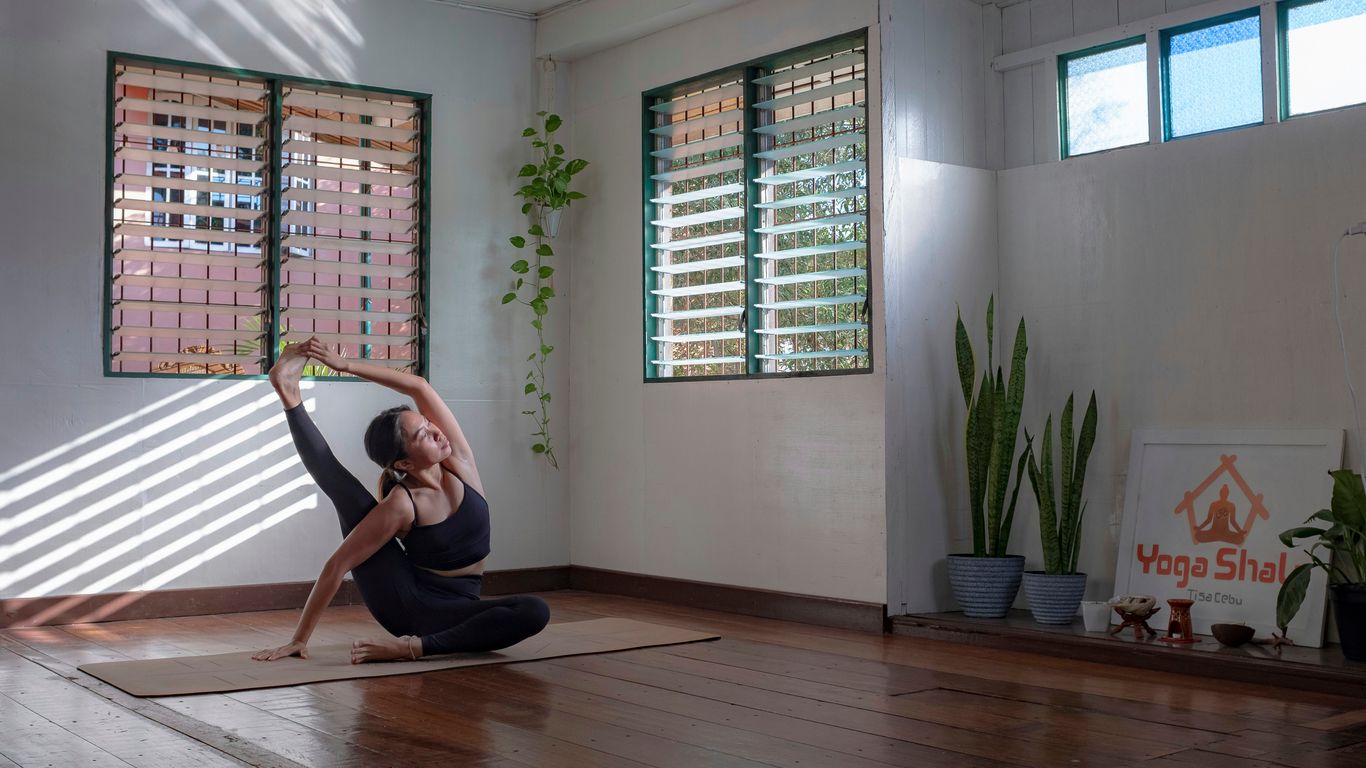
Sometimes, the best way to move forward is to slow down. This section is all about yoga styles that focus on calming the nervous system and finding a deep sense of peace. If you're feeling burnt out or just need a break from the hustle, these practices are for you.
Yin Yoga: Cultivating Stillness
Yin yoga is a slower, more passive style where poses are held for extended periods, often three to five minutes or even longer. The goal here isn't to build muscle or sweat it out, but to work on the deeper connective tissues like fascia and ligaments. It's about increasing flexibility and giving your joints some gentle attention. Because you're holding poses for so long, it really forces you to be present with your body and breath. It's a fantastic way to cultivate patience and quiet the mind.
Restorative Yoga: Deep Relaxation and Healing
If you're looking for a way to truly unwind and recover, restorative yoga is the answer. This style uses a lot of props – think blankets, bolsters, and blocks – to fully support your body in gentle poses. The intention isn't to stretch or strain, but to allow your body to completely relax and find a state of deep rest. It's like a gentle reset for your entire system, helping to ease stress and promote healing. Many people find it incredibly helpful for managing anxiety.
Kundalini Yoga: Breathwork and Consciousness
Kundalini yoga is a bit different; it's often described as a more spiritual practice. It focuses on awakening the energy at the base of your spine through a combination of specific postures, dynamic breathwork (pranayama), chanting, and meditation. The aim is to increase self-awareness and connect with your inner self. It can feel quite intense at times, but many practitioners report a profound sense of clarity and inner peace after a class.
Here's a quick look at what you might experience:
- Yin Yoga: Long holds, deep stretches, focus on connective tissues.
- Restorative Yoga: Extensive prop use, passive poses, deep relaxation.
- Kundalini Yoga: Breathwork, chanting, meditation, energy awakening.
These practices are excellent for anyone needing to de-stress, recover from physical exertion, or simply find a moment of quiet in a busy life. They offer a different kind of strength – the strength of stillness and self-awareness.
Specialized Yoga for Specific Needs
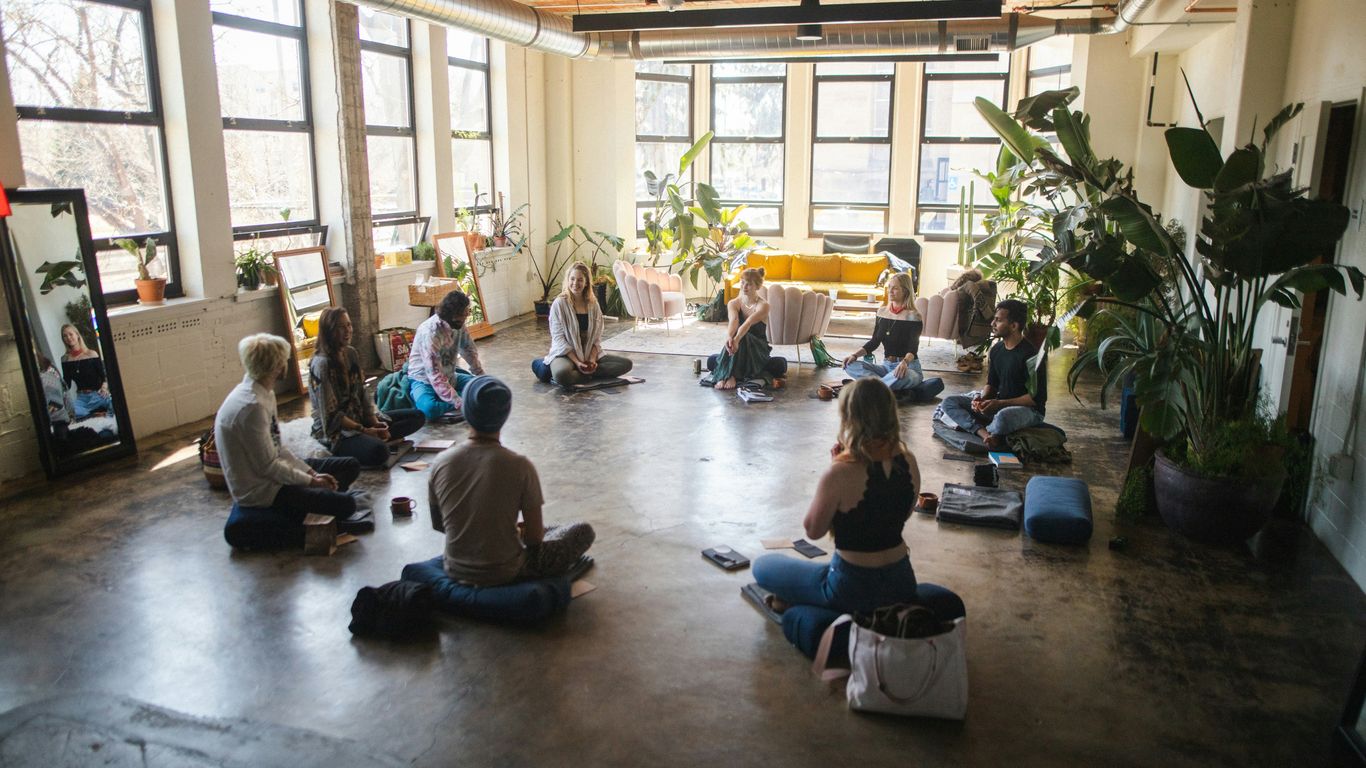
Sometimes, you're not just looking for a general stretch or a way to unwind. You might have a specific aim in mind, like really digging into proper form, pushing your physical limits, or even finding a practice that feels more like a workout. That's where these specialized styles come in. They take the core principles of yoga and tailor them to help you achieve particular outcomes.
Bikram Yoga: The Heat of Transformation
If you like a challenge and don't mind breaking a serious sweat, Bikram might be your jam. This style is practiced in a room heated to about 105°F (40°C) with 40% humidity. It follows a set sequence of 26 poses and two breathing exercises, always in the same order. The idea is that the heat helps your muscles loosen up, allowing for deeper stretches and promoting a good detox through sweat. It’s pretty intense, so make sure you're well-hydrated before you start. It’s a routine-based practice that really tests your endurance. Expect a challenging and detoxifying practice. Seek out dedicated Bikram studios that offer classes in a heated room. Hydrate well before, during, and after class. Bring extra water, a sweat towel, and wear light clothing that allows for movement.
Prenatal Yoga: Nurturing Expectant Mothers
This style is specifically designed for pregnant women. It focuses on gentle poses and breathing techniques that can help ease common pregnancy discomforts, build strength for labor, and promote relaxation. Prenatal yoga can be a wonderful way to connect with your changing body and prepare for childbirth. Concentrate on gentle poses and breathing exercises that are safe for pregnancy. Modify poses as needed for comfort and support. It can help reduce pregnancy-related stress and anxiety, and prepare the body for childbirth.
Anusara Yoga: Heart-Centered Philosophy
Anusara yoga is a more modern style that emphasizes a specific philosophy of drawing good from within and celebrating the "goodness" of life. It focuses on universal principles of alignment and a heart-oriented approach to practice. While it includes physical postures, there's a strong spiritual and emotional component. This style can help boost self-esteem and inner positivity. Engage in poses with a focus on opening the heart and aligning the body. It's a spiritually oriented system that can help you feel more connected and positive.
These specialized styles often cater to very particular needs or preferences. Whether it's the intense heat of Bikram, the supportive environment of prenatal, or the philosophical depth of Anusara, they offer a focused path for practitioners. It's about finding the yoga that speaks directly to where you are and what you're looking for right now. For those with specific health considerations, exploring options like chair yoga can also be incredibly beneficial.
Here's a quick look at what makes them distinct:
- Bikram: Set sequence, high heat, intense sweat, focus on detoxification and endurance.
- Prenatal: Modified poses for pregnancy, focus on comfort, strength for labor, and relaxation.
- Anusara: Emphasis on alignment, heart-centered philosophy, celebrating inner goodness, and positive outlook.
If you're interested in yoga for specific populations or therapeutic applications, you might also look into yoga therapy training to deepen your understanding.
Choosing Your Perfect Yoga Class
So, you've checked out a bunch of yoga styles, and now you're wondering, "Which one is actually for me?" It's a totally normal question. Think of it like picking out a new hobby or even a new pair of shoes – you want something that fits well and feels good. The best yoga type is the one you'll actually stick with and enjoy.
Identifying Your Personal Goals
First off, what are you hoping to get out of your yoga practice? Are you looking to just unwind after a stressful week at work? Maybe you want to build some serious muscle or get more flexible. Or perhaps you're on a journey to feel more connected to yourself, spiritually speaking. Understanding your 'why' is the first step to finding your 'what'.
Here’s a quick rundown to help you match your goals with a style:
- Stress Relief & Relaxation: If your main goal is to chill out and de-stress, styles like Restorative Yoga or Yin Yoga, which focus on deep relaxation and holding poses for longer periods, might be perfect. Even a gentle Hatha Yoga class can do wonders.
- Physical Fitness: Want to build strength and endurance? Ashtanga or Vinyasa Flow could be your jam. They're more dynamic and get your heart rate up.
- Mind-Body Connection & Spirituality: For those seeking a deeper connection, Kundalini Yoga, with its focus on breathwork, chanting, and meditation, or even Anusara Yoga, which has a strong philosophical heart, might be what you're looking for.
Considering Your Fitness Level
Let's be real, not all yoga classes are created equal when it comes to physical demand. Some are super chill, while others will have you working up a serious sweat. It's totally okay if you're not super flexible or strong right now; yoga is about progress, not perfection. Props and modifications make poses accessible for all levels.
| Yoga Style | General Fitness Level | Notes |
|---|---|---|
| Hatha Yoga | Beginner-friendly | Great for learning the basics |
| Vinyasa Flow | Moderate | Good for building stamina and strength |
| Ashtanga Yoga | High | Physically demanding, set sequences |
| Iyengar Yoga | Accessible | Focuses on alignment, uses props |
| Restorative Yoga | Very Gentle | Focuses on relaxation and healing |
| Bikram Yoga | High | Practiced in intense heat, set sequence |
Experimenting with Different Teachers and Studios
Honestly, the best way to find your perfect fit is to just try things out. Don't feel like you have to commit to one style forever after just one class. Go to a few different studios, try out different teachers, and see what feels right for your body and your mind on any given day. Sometimes, the vibe of the studio or the personality of the teacher can make a huge difference in your experience. It's okay to try a few classes and decide that a particular teacher's approach just clicks with you, even if it's a style you hadn't considered before. Listen to your body – it usually knows what it needs. Exploring the definition of yoga can also give you a broader perspective.
Remember, there’s no single “right” answer. The best way to find your perfect yoga style is to experiment! Try different classes and instructors until you find a practice that nourishes your body, mind, and spirit.
Finding Your Yoga Path
So, after checking out all these different yoga styles, it really comes down to just trying them out. Don't feel like you have to pick the 'perfect' one right away. Maybe you start with Hatha to get the basics, then try a Vinyasa class when you want more movement. Or perhaps you discover that Yin yoga is exactly what you need to unwind. The most important thing is to listen to your body and see what feels good for you on any given day. There are so many ways to practice yoga, and the best one is simply the one you'll actually do. Go ahead, explore, and see where your mat takes you.
Frequently Asked Questions
I'm not flexible at all. Can I still do yoga?
Absolutely! Yoga isn't about being super bendy. It's about getting to know your body and slowly getting better. Yoga uses special tools like blocks and blankets to help everyone do the poses, no matter how flexible they are. Just focus on your own progress, not on how far you can stretch.
Is yoga good for people with injuries?
Yoga can be helpful for injuries, but it's super important to talk to your doctor first. Also, tell your yoga teacher about any pain or problems you have. Some yoga styles, like Iyengar or Restorative, are really good at changing poses to fit what your body needs.
Are some yoga classes harder than others?
Yes, for sure! Some yoga styles are like a tough workout, like Vinyasa or Ashtanga, where you move a lot. Others are much calmer and gentler, like Hatha or Yin yoga. It's smart to look at class descriptions or ask the studio if a class is good for beginners.
What if I just want to relax?
If chilling out is your main goal, try Restorative Yoga or Yin Yoga. These styles focus on deep relaxation and holding poses for a long time with lots of support from pillows and blankets. Even a gentle Hatha class can help you feel calm.
How do I know which yoga style is best for me?
The best way to find out is to try different kinds! Think about what you want to get from yoga – maybe it's to de-stress, get stronger, or feel more peaceful. Try a few classes and see what feels good for your body and mind. It's okay to try many different styles and teachers.
Do I need special clothes or equipment for yoga?
You don't need much to start! Comfortable clothes that let you move easily are key. Most studios have mats you can use, and they'll tell you if you need anything else. For some styles, like Iyengar, props like blocks and straps are used, but the studio usually provides them.

