

Essential Yoga Accessories for Your Practice: Mats, Blocks, and More
So, you're getting into yoga, huh? That's awesome. It's a great way to move your body and clear your head. While you can totally do yoga with just yourself and some floor space, having the right yoga accessories can really make a difference. Think of them as your trusty sidekicks, helping you get more out of every stretch, pose, and moment of calm. We're going to look at some of the most common and helpful yoga accessories out there and why they're worth checking out.
Key Takeaways
- Yoga mats provide a stable, non-slip surface and protect your joints, making your practice safer and more comfortable.
- Blocks are super helpful for getting into poses, improving your body's position to avoid injury, and offering support for all levels.
- Straps help you stretch more deeply and safely, assist with keeping your body aligned correctly, and give you a hand in tougher poses.
- Bolsters offer comfort and support, especially for gentle styles like Restorative and Yin yoga, helping you breathe better and relax more fully.
- Zafus are great for meditation, helping you sit up straighter for longer periods, which supports both your body and your focus.
The Foundation Of Your Practice: Yoga Mats
Stability And Safety On The Mat
Alright, let's talk about the yoga mat. It's pretty much the first thing you think of when you hear 'yoga,' right? And for good reason. This isn't just some fancy rug; it's your personal space for practice, and more importantly, it's what keeps you from sliding around like a greased watermelon during downward dog. A good mat provides a stable surface, which is super important. You don't want to be worrying about your hands slipping when you're trying to hold a pose. This stability is key for safety, especially when you're moving between poses or holding something tricky.
Joint Protection And Comfort
Beyond just not slipping, your mat is also doing some heavy lifting for your joints. Think about all those times you're on your hands and knees, or doing planks. That mat is acting like a cushion. It absorbs some of the impact, making it way more comfortable for your wrists, knees, and elbows. Different mats have different thicknesses and materials, and this really affects how much padding you get. If you've got sensitive joints, or you just want a bit more cushioning, looking at thicker mats or ones made from softer materials can make a big difference in how long you can practice without feeling achy.
Enhancing Grip For All Yoga Styles
So, we've touched on slipping, but let's get a bit more specific about grip. The texture of your mat plays a huge role here. Some mats are naturally grippier than others. This is especially noticeable when you start to sweat. A mat with good grip means you can focus on your breath and the pose, not on trying to keep your feet from sliding out from under you. Whether you're into a super sweaty Vinyasa flow or a slower Hatha practice, having a mat that holds its ground is pretty much non-negotiable. It lets you really commit to the poses without that nagging worry of losing your footing. It's like having a reliable partner for every single movement you make on it.
Essential Support With Yoga Blocks
Yoga blocks, sometimes called bricks, are like little helpers for your yoga journey. They're usually made from foam, cork, or wood and come in handy for a bunch of reasons. These props are fantastic for making poses more accessible and helping you find better alignment.
Increasing Accessibility To Poses
If you're new to yoga or just finding certain poses a bit tricky, blocks can be a game-changer. They help bridge the gap between your body and the floor, letting you get into poses without straining. For example, in a forward fold, placing a block under your hands means you can still get a good stretch without having to touch your toes. This makes poses like Triangle Pose or Half Moon Pose much more doable, even if you're not super flexible yet. It's all about meeting yourself where you are.
Improving Alignment And Reducing Injury Risk
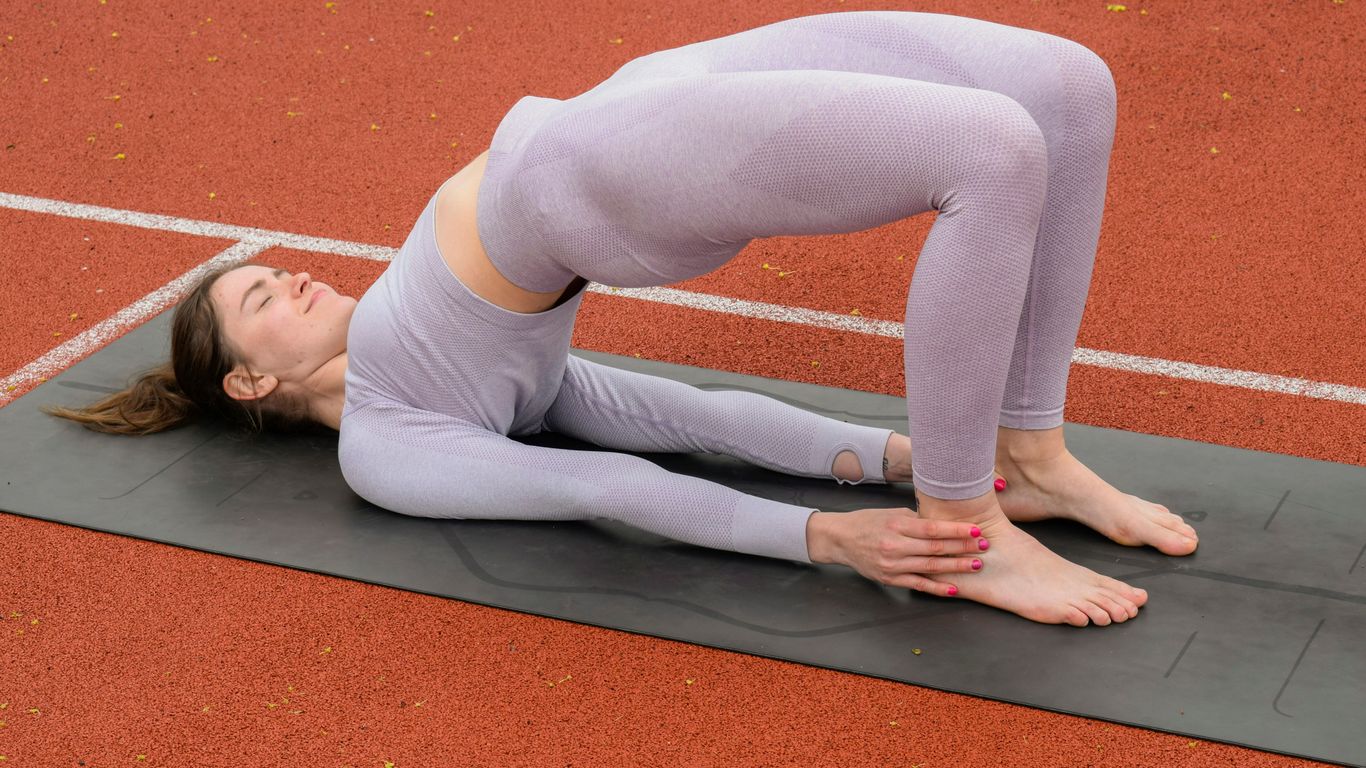
Beyond just making poses easier, blocks are super useful for getting your body in the right position. When you're trying to keep your spine straight or your hips level, a block can provide that extra bit of support. This helps you hold the pose correctly, which not only makes it more effective but also cuts down on the chances of pulling something. Think about using a block under your hips in Bridge Pose; it gives you a stable base and lets you focus on opening your chest rather than worrying about your lower back. It’s a smart way to practice safely.
Versatile Uses For All Levels
Blocks aren't just for beginners, though. Experienced yogis use them too! They can add a challenge to poses, help you hold them longer, or provide support in restorative sequences. You can use them to deepen a stretch, support your balance, or even just to sit on comfortably during meditation. Their simple design means they can be used in so many different ways, no matter your experience level. They're a really practical addition to any yoga kit, helping you get more out of your yoga practice.
Here are a few ways blocks can help:
- Reducing the distance to the ground: Place a block under your hand in poses like Triangle Pose when you can't reach the floor.
- Supporting your hips or back: Use a block under your hips in seated poses or Bridge Pose for added comfort and stability.
- Aiding balance: In standing poses like Half Moon Pose, a block provides a steady surface to help you find your equilibrium.
- Facilitating stretches: Use blocks to support your body in forward folds or chest openers, allowing for a deeper stretch without strain.
Deepening Stretches With Yoga Straps
Achieving Better Flexibility Safely
Yoga straps are fantastic tools for anyone looking to gently increase their range of motion. They act like an extension of your arms, letting you reach further in poses without forcing your body. This is super helpful when you're working on poses like a seated forward bend. Instead of rounding your back to try and touch your toes, you can loop a strap around your feet. This lets you keep your spine long and work on lengthening your hamstrings and lower back in a way that feels supported. It's all about making progress without putting undue stress on your muscles or joints. The key is to use the strap to find a comfortable edge, not to yank yourself into a position.
Assisting With Body Alignment
Beyond just flexibility, straps are brilliant for checking and improving your alignment. Take a pose like Triangle Pose (Trikonasana). If your hand doesn't quite reach the floor, you might be tempted to collapse your torso. But with a strap, you can place it on the floor in front of you and rest your hand on it. This helps you maintain the proper angles in your body, keeping your chest open and your spine straight. It's like having a little teacher reminding you where you should be. You can also use straps to keep your limbs in the right place, like keeping your thighs from rolling inward in certain seated poses.
Support For Challenging Poses
Even if you've been practicing for a while, some poses can still be tricky. Straps offer a way to work on these more advanced postures safely. For example, in a pose where you bind your hands behind your back, a strap can bridge the gap if you can't quite clasp your hands. This allows you to experience the benefits of the pose, like the chest and shoulder opening, without the frustration of not being able to complete the bind. It's a great way to build confidence and gradually work towards the full expression of a pose.
Comfort And Relaxation With Bolsters
When you're looking to really sink into a pose and let go, a bolster can be your best friend. Think of it as a firm, supportive pillow that makes holding poses for longer periods way more comfortable. It's especially helpful if you practice styles like Restorative or Yin yoga, where the focus is on deep relaxation and passive stretching. These props aren't just for advanced yogis; they can make gentler practices much more accessible and enjoyable for everyone.
Support For Restorative And Yin Yoga
In styles like Restorative and Yin yoga, poses are held for several minutes. This is where a bolster truly shines. It provides the necessary support to keep your body in a relaxed, stable position without you having to exert much effort. For example, placing a bolster under your back in Savasana (corpse pose) can open up your chest and make the final relaxation feel even deeper. Similarly, using it under your knees in seated poses or under your hips in reclined poses helps release tension and allows your muscles to truly let go. It's like giving your body a gentle, consistent hug that allows it to relax.
Enhancing Breathing And Reducing Tension
Beyond just comfort, bolsters can actively help you breathe better and release tension. When you place a bolster under your spine, it gently lifts your chest, creating more space for your lungs to expand. This can lead to deeper, more calming breaths, which is a big part of any yoga practice. The support it offers also helps to take the strain off your muscles and joints, allowing for a more profound release of physical tension that you might not even realize you're holding onto. It's amazing how a simple prop can make such a difference in how your body feels.
Versatile Placement For Maximum Comfort
The beauty of a bolster is its versatility. You can place it in so many ways to suit your needs and the specific pose. Some common placements include:
- Under the back: To open the chest and support the spine, especially in reclined poses.
- Under the knees: To relieve pressure in the hips and lower back during seated or supine positions.
- Under the head: For neck support and added comfort in poses like reclining bound angle.
- Under the hips: To provide lift and support in seated meditation or reclined poses.
The right placement can transform a pose from something that feels like a struggle into a moment of pure ease. It's all about finding that sweet spot where your body feels supported and can truly relax.
Using a bolster can really change your practice, making it more comfortable and allowing you to get more out of your yoga sessions. It's a simple addition that brings a lot of benefit.
Finding Stillness With Zafus
When you're ready to move beyond the physical postures and settle into meditation, a zafu can make a world of difference. This traditional cushion, often round and filled with buckwheat hulls or kapok, is designed specifically to support your hips and pelvis during longer sitting periods. It's not just about comfort, though that's a big part of it. The zafu helps you find a stable, upright posture that makes sustained meditation much more accessible.
Improving Posture During Meditation
The primary role of a zafu is to help you sit comfortably with a straight spine. When you sit on a zafu, your hips are slightly elevated above your knees. This tilt encourages your spine to lengthen naturally, preventing the slouching that can lead to discomfort and distraction. A well-supported spine allows your breath to flow more freely and your mind to settle more easily.
Comfort For Extended Sitting
Let's be honest, sitting still for a long time can be tough on the body. Legs fall asleep, hips ache, and lower backs protest. A zafu distributes your weight more evenly and cushions your sit bones, significantly reducing the pressure points that cause discomfort. This means you can stay present in your meditation for longer without being pulled out of your practice by physical unease.
Physical And Mental Support For Focus
By providing a stable physical base, the zafu indirectly supports your mental state. When your body feels secure and comfortable, your mind has less reason to wander. This physical grounding helps to quiet the mental chatter, allowing for a deeper sense of concentration and inner peace. It's a simple tool, but its impact on your ability to find stillness is quite profound.
Curating Your Collection Of Yoga Accessories
High-Quality Supplies For Holistic Living
So, you've got your mat, maybe a block or two, and perhaps a strap. That's a great start! But building a yoga practice that feels truly yours often means gathering a few more bits and pieces. Think of it like setting up your favorite reading nook – you want the right chair, a good lamp, and maybe a cozy blanket. For yoga, it's about finding those tools that just work for you, making your time on the mat more comfortable, supportive, and maybe even a little more stylish. It's not about having the most expensive gear, but the gear that helps you connect with your practice.
Essential Gear For Every Yogi
When you're starting out, it's easy to feel overwhelmed by all the options. Do you really need a bolster? What about a meditation cushion? The truth is, different styles of yoga and different personal needs call for different accessories. For instance, if you're into Yin or Restorative yoga, a bolster is pretty much a game-changer for getting into those deep, supported stretches. If you spend a lot of time meditating, a zafu can make a world of difference in your posture and comfort.
Here's a quick rundown of what many yogis find helpful:
- Yoga Mat: The absolute must-have. Look for one with good grip and cushioning that suits your style.
- Yoga Blocks: Great for modifying poses and improving alignment.
- Yoga Strap: Helps with flexibility and reaching poses you might not otherwise be able to.
- Yoga Bolster: Perfect for restorative poses and deep relaxation.
- Meditation Cushion (Zafu): Provides a stable, comfortable seat for meditation.
- Yoga Towel: Useful for sweaty practices to keep your mat from getting too slippery.
Choosing Accessories For Your Practice Needs
When you're picking out your yoga gear, think about what you actually do on the mat. Are you sweating it out in a hot yoga class? You'll want a mat with serious grip and maybe a towel. Are you more into slow, mindful movement? Then comfort and support, like from a bolster or a good mat, might be your top priorities. It's also worth considering the materials. Many yogis prefer eco-friendly options made from natural rubber, cork, or organic cotton. These not only feel good but are kinder to the planet.
Don't feel pressured to buy everything at once. Start with the basics and gradually add pieces as you discover what truly supports and inspires your yoga journey. Your practice is personal, and your accessories should be too.
Think about how you'll transport your gear, too. A sturdy mat bag or sling can make a big difference if you're heading to a studio or park. And don't forget the little things, like cleaning spray for your mat or comfortable socks if you prefer not to go barefoot. It all adds up to a more enjoyable and effective practice.
Wrapping Up Your Practice Essentials
So, there you have it. Mats, blocks, straps, and bolsters aren't just extra stuff to buy; they're like helpful friends for your yoga journey. They make things easier, safer, and let you get more out of every pose, whether you're just starting out or have been doing this for years. Think of them as tools that help you connect better with your body and find a bit more peace. Picking out the right gear for what you do, like gentle stretching or more active flows, can really make a difference. It’s a good way to support your practice and yourself. Ready to try some new poses? Check out these relaxing ones, or maybe find a free online class to get you going. Remember, yoga can be a great addition to whatever other activities you enjoy.
Frequently Asked Questions
What's the most important yoga accessory to start with?
The most important yoga accessory is definitely the yoga mat. It gives you a safe, non-slippery place to do your poses and protects your joints from hard floors. Think of it as your personal yoga space!
How do yoga blocks help me in my practice?
Yoga blocks are like helpful friends! They can make tricky poses easier to reach, support your body so you're in the right position, and help you stay balanced. They're great for beginners and even experienced yogis who want to go deeper.
When should I use a yoga strap?
A yoga strap is super useful when you want to stretch further or need a little help getting into a pose correctly. It helps you improve your flexibility safely and makes sure your body is aligned properly, which can prevent injuries.
What's a bolster for, and who uses it?
A bolster is a soft cushion that gives extra support, especially in relaxing yoga styles like Yin or Restorative yoga. It can help you relax more deeply, breathe better, and ease tension in your body. It's perfect for making poses more comfortable.
Why would I need a zafu cushion?
A zafu is a special cushion used for meditation or sitting poses. It helps you sit up straight with good posture, making it more comfortable to stay still for longer periods. This support helps you focus better and feel more peaceful.
Do I really need all these accessories?
You don't need everything at once! Start with what feels right for you. A mat is essential. Blocks and straps are great for making poses more accessible and safer. Bolsters and zafus are wonderful for relaxation and meditation. These tools help you get more out of your yoga practice, no matter your level.


