

Essential Starting Yoga Tips for Your First Practice
Thinking about starting yoga but not sure where to begin? It's totally normal to feel a little unsure when trying something new. This guide is here to help you out with some simple starting yoga tips, making your first experience on the mat a good one. Forget all the complicated stuff you see online; we're focusing on what really matters to get you going.
Key Takeaways
- Start with acceptance and let go of any pressure to be perfect.
- Release expectations about what you 'should' be able to do.
- Focus on the core of yoga: breath and mindful movement, not just fancy poses.
- Listen to your body and don't push yourself too hard, especially when starting.
- Don't be afraid to ask questions and be kind to yourself throughout the process.
Embrace The Journey: Starting Yoga Tips
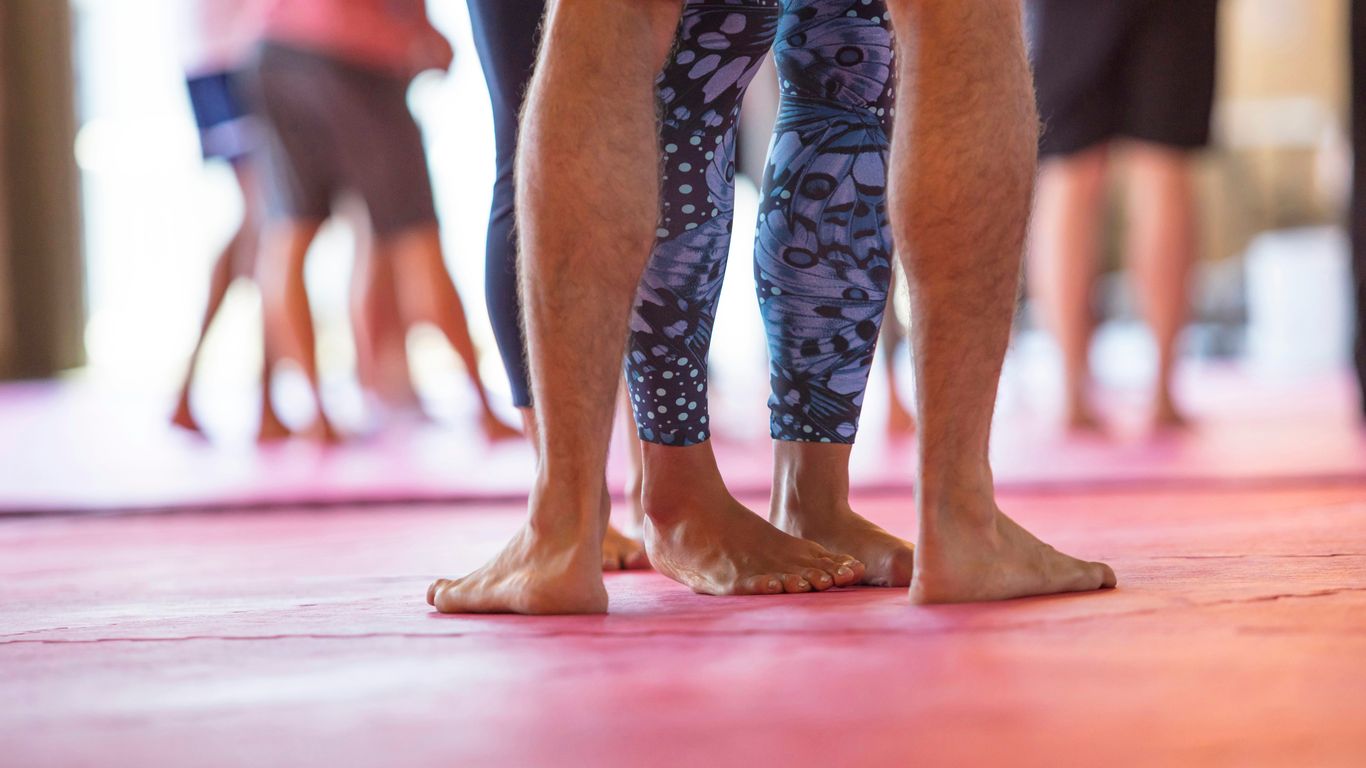
Begin With Acceptance
Starting yoga can feel a bit daunting, especially if you're new to the whole scene. It's easy to get caught up in what you think yoga should be – maybe you picture people effortlessly touching their toes or holding pretzel-like poses. But here's a little secret: yoga isn't about perfection. It's about showing up for yourself, exactly as you are today. Your body has its own story, its own strengths, and its own limitations. The first step on your mat is simply acknowledging and accepting that. No judgment, no comparisons, just a quiet nod to yourself and your current state. This acceptance is the real foundation, long before you even attempt a single pose.
Release All Expectations
It's so common to walk into your first yoga class with a mental checklist of what you should be able to do or how you should feel. You might think, "I need to be super flexible" or "I should be able to keep up with everyone." Let that go. Seriously. Yoga is a practice, not a performance. The goal isn't to achieve some idealized version of a yogi overnight. It's about the process, the breath, and the small moments of connection with yourself. Trying to force a certain outcome or comparing yourself to others will only get in the way of actually experiencing what yoga has to offer. Just be present with what unfolds.
Understand The Core Of Yoga
At its heart, yoga is much more than just stretching or getting a workout. The word itself, "yoga," comes from an ancient Sanskrit word meaning "union." It's about bringing together your mind, body, and spirit. While the physical postures, or asanas, are a big part of what people see, they are just one piece of a much larger puzzle. The real magic happens when you start to connect with your breath, find a sense of inner calm, and learn to be present in your body. It’s a journey of self-discovery, not a competition to see who can bend the furthest. Focus on how you feel, not just how you look.
Here's a simple breakdown of what to focus on:
- Breath Awareness: Paying attention to your inhale and exhale.
- Body Awareness: Noticing sensations in your body without judgment.
- Present Moment: Trying to stay focused on what's happening right now, not the past or future.
- Gentle Movement: Moving your body in ways that feel good and safe for you.
Preparing For Your First Yoga Practice
So, you're ready to roll out the mat for the first time? Awesome! Before you even get to class, there are a few things that can make your initial experience way smoother. It's not about having the fanciest gear or knowing all the poses already. It's more about setting yourself up for comfort and a good learning experience.
Familiarize Yourself With Beginner-Friendly Poses
It's totally normal to feel a bit lost when the instructor starts calling out names you've never heard. Before you go, take a few minutes to look up some basic yoga poses. Think simple ones like Downward-Facing Dog, Child's Pose, or Mountain Pose. You don't need to practice them perfectly, just seeing what they look like can help you recognize them when they're called out in class. It's like getting a sneak peek at the menu before you order.
Avoid Heavy Meals Prior To Class
This one's pretty straightforward. Trying to do yoga on a super full stomach is just asking for discomfort. You don't want to feel sloshy or heavy when you're trying to move and breathe. Aim to finish any substantial meal at least two to three hours before your practice. If you're feeling a bit peckish closer to class time, a small, light snack like a banana or a handful of nuts about an hour beforehand is usually fine.
Touch Base With The Instructor
Don't be shy! If it's your very first time, or if you have any injuries or physical limitations, let the instructor know before class starts. They can keep an eye on you, offer modifications, and make sure you're practicing safely. It's their job to help you, and they'll appreciate you giving them a heads-up. You can usually find them before class begins or right after it ends. Just a quick, "Hi, this is my first class," is all it takes.
Navigating Your Initial Yoga Session
So, you've decided to give yoga a shot. Awesome! Your first time stepping onto the mat, whether at a studio or at home, can feel a little daunting. But don't sweat it. There are a few simple things you can do to make sure your first session is a good one.
Arrive Early To Settle In
If you're heading to a studio, try to get there about 10-15 minutes before class starts. This gives you time to find a spot, maybe use the restroom, and just get a feel for the space. It's also a great chance to introduce yourself to the instructor. Let them know it's your first time; they can keep an eye on you and offer pointers. If you're practicing at home, this is your cue to set up your space, roll out your mat, and maybe do a few gentle stretches. Being a little early helps you start without feeling rushed.
Listen To Your Body
This is probably the most important tip. Yoga isn't a competition. You'll see people doing amazing things, but that's not where you need to be right now. Focus on what your body can do today. If a pose feels like too much, ease out of it or take a break. It's perfectly okay to modify poses or skip them altogether. Your instructor can show you easier ways to do things, and there are plenty of beginner-friendly poses you can start with, like Mountain Pose or Child's Pose.
Ask Questions When Unsure
Seriously, don't be shy. If you're confused about an instruction, unsure about how to get into a pose, or feeling any discomfort, ask! Your instructor is there to help guide you. They've seen beginners before, and they want you to have a positive experience. It's better to ask and get it right than to push yourself into a position that doesn't feel good or could lead to an injury. Remember, everyone starts somewhere, and asking questions is a sign of wanting to learn.
Yoga is a practice, not a performance. Your first session is about getting acquainted with the movements and the environment. Don't worry about perfection; just focus on showing up for yourself and being present.
Focusing On The Fundamentals Of Yoga
Okay, so you've got your mat, you're in the right headspace, and you're ready to actually do some yoga. But where do you start? It's easy to get caught up in what everyone else is doing or what you think yoga should look like. Let's dial it back and focus on what really matters when you're just beginning.
Notice Your Breathing
Seriously, this is huge. You're breathing all the time, right? But are you really paying attention to it? In yoga, your breath is your anchor. It's what connects your mind to your body and helps you move through the poses. Don't worry about fancy breathing techniques just yet. Just start noticing. Feel the air coming in through your nose, filling your lungs, and then feel it leaving. Try to make your inhales and exhales roughly the same length. It sounds simple, but this awareness can really calm your nervous system and make a big difference in how you feel, both on and off the mat.
- Feel the sensation of air entering your nostrils.
- Notice your chest and belly expanding with each inhale.
- Observe your body softening as you exhale.
Get Comfortable In Stillness
Most of us are used to being busy. Our brains are always buzzing with to-do lists, worries, or just random thoughts. Sitting still can feel really awkward at first. You might feel fidgety, or your mind might race a mile a minute. That's totally normal! Yoga isn't just about the movement; it's also about learning to be present with whatever is happening, even if that's just sitting quietly. Try to resist the urge to immediately grab your phone or get distracted. Just observe the urge. See if you can just be with yourself for a few moments. It's a skill, and like any skill, it takes practice.
The goal isn't to empty your mind, but to notice when it wanders and gently bring your attention back, without judgment.
Learn Basic Yoga Poses
Forget those crazy pretzel shapes you see online for now. Your first goal is to learn some foundational poses that will build a solid base for your practice. These are the building blocks. Think of poses like Mountain Pose (Tadasana) for standing tall, Downward-Facing Dog (Adho Mukha Svanasana) for a gentle stretch, and Child's Pose (Balasana) for rest and grounding. It's not about how deep you can go or how perfectly you look; it's about learning the basic shape and feeling what it does in your body. Focus on getting the general form right and listening to your body's feedback.
Here are a few to start with:
- Mountain Pose (Tadasana): Stand tall, feet hip-width apart, arms by your sides. Feel grounded.
- Downward-Facing Dog (Adho Mukha Svanasana): Start on hands and knees, then lift your hips up and back, forming an inverted V shape. Bend your knees if your hamstrings feel tight.
- Child's Pose (Balasana): Kneel on the floor, big toes touching, knees hip-width apart. Fold forward, resting your torso between your thighs and your forehead on the mat. This is a great resting pose.
Finding The Right Yoga Environment
Video Versus Studio Instruction
Deciding whether to practice at home with videos or head to a studio is a big first step. Videos are super convenient, right? You can roll out your mat anytime, anywhere. Plus, there are tons of free options online, which is great for your wallet. But, and this is a big but, you miss out on that in-person guidance. It's easy to get poses wrong when no one's there to gently correct you. Studios, on the other hand, offer that direct feedback from a teacher. They can see your alignment and help you adjust. It feels more like a community, too. You're surrounded by other people doing the same thing, which can be motivating. The best choice really depends on what you need most right now: convenience or personalized attention.
What To Wear For Comfort
When it comes to yoga clothes, comfort is king. Forget anything too tight or restrictive. You want to be able to move freely through all those stretches and bends. Think soft, breathable fabrics that wick away sweat. Leggings or comfortable shorts that stay put are usually a good bet. For your top, a fitted tank or t-shirt works well. You don't want anything that's going to ride up or get in your face when you're upside down. Layers are also smart, especially if you tend to get cold before class starts or warm up quickly once you're moving.
Utilize Props For Support
Props are your best friends when you're starting out, seriously. Don't think of them as a sign you're not
Cultivating A Mindful Yoga Practice

So, you've got the basics down and you're starting to feel a bit more comfortable on the mat. That's awesome! Now, let's talk about how to really make this practice your own, turning it into something that nourishes you day in and day out. It's not just about the poses, you know? It's about what happens inside.
Focus On Alignment
When you're in a pose, try to pay attention to how your body is stacked. It’s not about being perfect, but about finding what feels right and safe for you. Think about your foundation – are your feet grounded? Is your spine long? This awareness helps prevent injuries and makes the poses feel more effective. It’s like building a sturdy house; a good base makes everything else stronger.
Stay Positive And Light-Hearted
Yoga isn't a competition, and honestly, nobody's judging your downward dog. There will be days when you feel strong and flexible, and days when you feel like a wobbly beginner. Both are totally fine. Try to approach your practice with a sense of curiosity and kindness towards yourself. If a pose feels tough, just breathe and do what you can. Laughing at yourself when you lose your balance is way more fun than getting frustrated.
Trust Your Own Judgement
While teachers offer guidance, you're the expert on your own body. Listen to what it's telling you. If something hurts, back off. If you need to rest, take a child's pose. Your intuition is a powerful tool in your yoga journey. Over time, you'll get better at knowing what your body needs on any given day.
Your home practice doesn't need a fancy setup. A quiet corner, even a small one, can become your sanctuary. The simple act of showing up in that space can be a powerful trigger to begin your practice, helping to create mental room for it to grow.
Here's a little something to keep in mind:
- Consistency over Intensity: A short, regular practice is more beneficial than occasional long, strenuous sessions.
- Mindfulness Off the Mat: The awareness you cultivate on your mat can extend to your daily life – notice your breath while waiting in line or observe your reactions during a busy workday.
- Self-Compassion: Be patient with yourself. Progress in yoga is rarely linear, and every practice is a new opportunity to learn and grow.
Your Yoga Journey Begins Now
So there you have it. Starting yoga doesn't have to be complicated or intimidating. Remember to be kind to yourself, focus on your breath, and just show up. It's okay if you can't touch your toes or hold a pose for long – that's what practice is for. Every little bit counts, and soon you'll find yourself feeling more centered and maybe even a little bit stronger. Enjoy the process, and welcome to the mat!
Frequently Asked Questions
What is yoga really about?
Yoga is more than just stretching or exercise. It's about connecting your mind, body, and spirit. The word 'yoga' means 'union,' and it's about bringing all parts of yourself together. It's a way to live more peacefully and be more present in your life, not just on the mat.
Do I need to be flexible to start yoga?
Absolutely not! Flexibility is something you gain with yoga, not something you need to have before you start. Yoga is for everyone, no matter your current flexibility. The practice will help you become more flexible over time.
What should I wear to my first yoga class?
You don't need fancy yoga clothes. Just wear comfortable clothing that allows you to move freely. Think stretchy pants or shorts and a t-shirt or tank top. Anything you'd wear to the gym will likely work perfectly.
Should I eat before a yoga class?
It's best to avoid eating a big meal right before yoga. If you need a snack, have something light like a piece of fruit or a small handful of nuts about an hour or two before class. This way, your stomach won't feel too full when you start moving.
What if I can't do all the poses correctly?
It's totally okay! Everyone is learning, and yoga is a personal journey. Focus on how your body feels and listen to it. Don't compare yourself to others. If a pose doesn't feel right, modify it or skip it. The most important thing is to be present and breathe.
What's the most important thing to focus on in my first yoga session?
Pay close attention to your breathing. Noticing your inhale and exhale is a key part of yoga. Also, try to be present and aware of your body's sensations without judging them. Listening to your body and breathing are more important than mastering difficult poses right away.


