

Essential Advice for Yoga Beginners: Your First Steps to a Fulfilling Practice
Thinking about starting yoga but not sure where to begin? You're not alone. A lot of people feel a bit lost or even nervous before their first class. Maybe you’ve seen pictures of complicated poses online and wondered if you’ll ever get there. The good news is, you don’t need to be flexible or have fancy gear to get started. This article will give you simple, real-world advice for yoga beginners, so your first steps feel a little less overwhelming and a lot more doable.
Key Takeaways
- Start slow and listen to your body—don’t push yourself into poses that feel wrong.
- Pick comfortable clothes and arrive early so you can settle in and chat with your instructor if needed.
- Try out different beginner-friendly yoga styles, either in a studio or online, to see what fits you best.
- Focus on basic poses and breathing exercises; props can help with alignment and comfort.
- Remember, progress takes time—be patient with yourself and enjoy the process instead of worrying about perfection.
Understanding the Foundations of Yoga Practice
Embracing the Mind-Body Connection
Yoga is more than just stretching or moving your body through poses. It's really about paying attention to what's happening in your body and your mind at the same time. This connection brings a deeper awareness to both how you feel physically and what’s happening emotionally. For beginners, it can feel weird to slow down and notice things like your breath or muscle tension. But that’s exactly where yoga starts to work. It’s not about forcing something; it’s about being present in the moment and tuning into yourself.
Try these steps to build your mind-body link:
- Notice how your breath changes as you move.
- Bring attention to the parts of your body that feel tense or relaxed.
- Check in with how you feel before and after your practice—physically and mentally.
It might feel awkward at first, but the more you pay attention, the easier it gets to notice the small shifts in your body and mind during yoga.
Setting Realistic Expectations for Progress
When you start yoga, it’s easy to compare yourself to others or to what you see online. You might want to touch your toes on day one or think you should “get” every pose without a hitch. The truth? It doesn’t work like that. Progress in yoga can be slow, and that’s okay. What matters most is the journey, not how quickly you advance.
Practical tips for managing expectations:
- Track your own improvements, no matter how minor (maybe you’re less stiff or more relaxed after class).
- Remind yourself everyone’s body has a different pace—what’s tough for you might be simple for someone else, and vice versa.
- Celebrate small wins, like holding a pose for a few breaths longer or staying focused a bit more.
Cultivating a Positive Mindset as a Beginner
Being a beginner at anything has its ups and downs. You’ll likely feel awkward, maybe even frustrated, but that’s a normal part of learning. The key is to bring patience, kindness, and even a sense of humor to your practice. Mistakes and wobbles are part of the deal.
Ways to keep your attitude positive:
- Focus on what feels good rather than what looks impressive.
- Don’t take it all too seriously—laugh when you fall or lose your balance.
- Remind yourself that yoga is about progress, not perfection.
The mind can be your biggest obstacle or your best support in yoga. Start with a positive and accepting attitude—you'll enjoy the process more and likely stick with it longer.
Preparing for Your First Yoga Class
Walking into your first yoga class, especially if you’ve never tried it before, can be a bit nerve-wracking. But really, a little prep goes a long way—so you both feel comfortable and actually get something out of the session. Laying the groundwork before stepping onto your mat sets the tone for the entire experience. Here’s how to get started:
Choosing Comfortable Clothing and Gear
- Pick soft, stretchy pants or shorts and a fitted shirt. You want clothes that move with you, not against you.
- Skip items that are too baggy—they can bunch up in all the wrong places, making certain poses awkward.
- If you sweat easily or your class is heated, a towel can be handy for wiping down or even supporting you in certain positions.
- Bring your own mat for peace of mind about cleanliness, or find out if the studio rents or lends them out.
- Don’t forget a water bottle—hydration really matters.
| Item | Why It's Helpful |
|---|---|
| Yoga Mat | Clean space for practice |
| Comfortable Attire | Freedom of movement |
| Water Bottle | Keeps you hydrated |
| Towel | Sweat management & added support |
Arriving Early and Setting Up Your Space
Getting to the studio about 10–15 minutes before class lets you:
- Find a good spot in the room.
- Unroll your mat and relax into the setting.
- Meet your instructor and ask questions if anything is unclear.
- Get any props you might want for extra support—blocks, straps, blankets, you name it.
A calm, welcoming vibe awaits most folks, as described by beginner yoga class overviews. Taking these few minutes at the start can really help ease jitters and begin your practice with focus.
Communicating Injuries or Concerns to Your Instructor
Before things kick off, it helps a lot to quietly mention any injuries or worries to your teacher. You can do this when you check in, before class gets busy. Don’t stress about it—they hear this stuff all the time and can give you simple tweaks to keep you comfortable and safe.
- List any recent injuries or chronic pain issues.
- Mention surgeries or mobility limitations.
- Share any concerns if you’re pregnant or managing a condition.
More than anything, those first classes are about showing up and listening to your body—nobody expects perfection, just genuine effort and a little self-kindness. Enjoy the new experience and see how your body responds, both during and after your first few sessions.
Navigating Different Yoga Styles and Classes
Overview of Popular Beginner-Friendly Styles
Starting yoga can feel overwhelming because there are so many different names and styles thrown around. Here’s a quick look at the most common beginner-friendly ones, so you can see what might suit you best:
| Style | Main Focus | Ideal For |
|---|---|---|
| Hatha | Basic poses & breathing | Total beginners |
| Vinyasa | Flow & coordination with breath | People who like movement |
| Iyengar | Precise alignment & props | Anyone valuing detail |
| Restorative | Gentle, restful poses | Stress relief seekers |
| Yin | Slow, long-held stretches | Deep relaxation |
Start with Hatha or a class specifically labeled for beginners—these move at a slower pace and focus on the basics.
Finding the Right Instructor or Studio
Picking the right instructor or studio can really shape your first experiences with yoga. Here are a few things to keep in mind:
- Look for studios with small class sizes. More personal attention means better guidance, especially at the start.
- Choose an instructor who encourages questions and listens to your concerns. A welcoming attitude goes a long way.
- Cleanliness and comfort matter. You’re going to be on the floor a lot, so make sure the space feels tidy and calm.
- Try a few different classes before settling. Sometimes it takes a while to find a teaching style that feels right.
It’s normal to feel nervous in your first class, but the right instructor or studio can make all the difference. Don’t be afraid to shop around until you find somewhere you feel comfortable.
Benefits of Online Yoga Resources
Maybe public classes aren’t really your style or your schedule is hectic. Luckily, online yoga is easier than ever:
- You can practice any time—no more rushing to make it to class.
- There’s a huge range of free or paid videos for beginners, and you can repeat them as often as needed.
- Some apps and videos let you pause, rewind, or slow things down, which is super helpful when learning new poses.
Self-paced online classes are great for learning at your own speed and building confidence before joining a group.
Try a mix of in-person and online classes. That way you get expert guidance and the freedom to go at your own pace at home.
Mastering Essential Yoga Poses and Postures
Alright, let's talk about the actual doing part of yoga – the poses, or as they're called in Sanskrit, 'asanas'. It can feel a bit intimidating at first, seeing all these super flexible people on Instagram, but honestly, that's not what it's about, especially when you're just starting out. The goal isn't to contort yourself into a pretzel on day one. It's about learning how your body moves and finding a connection with it.
Key Beginner Poses to Learn First
When you're new, focusing on a few foundational poses will build a solid base. Think of these as your yoga ABCs. They might seem simple, but they teach you a lot about alignment and how to engage your muscles correctly.
- Child's Pose (Balasana): This is your go-to resting pose. It's great for calming the mind and gently stretching your back and hips. Just kneel, sit back on your heels, and fold your torso forward, resting your forehead on the mat. Your arms can be stretched out in front or rest alongside your body.
- Downward-Facing Dog (Adho Mukha Svanasana): This is a classic. Start on your hands and knees, then lift your hips up and back, forming an inverted V shape. Press firmly through your hands, spread your fingers wide, and let your head hang loosely. Don't worry if your heels don't touch the floor; focus on lengthening your spine.
- Mountain Pose (Tadasana): This looks like just standing there, but it's all about grounding and posture. Stand with your feet together or hip-width apart, distribute your weight evenly, and lengthen your spine. It teaches you how to stand tall and present.
- Cobra Pose (Bhujangasana): Lie on your stomach, place your hands under your shoulders, and gently press up, lifting your chest off the floor. Keep your hips on the ground and engage your back muscles. It's a gentle backbend that helps open up the chest.
Using Props for Support and Alignment
Props aren't a sign of weakness; they're smart tools! They help you get into poses safely and correctly, especially when your body isn't quite ready for the full expression of a pose. Think of them as your yoga assistants.
- Blocks: These are super handy for bringing the floor closer to you. If you can't reach the floor in a forward fold, place blocks under your hands. They can also be used under your hands in Downward-Facing Dog for wrist comfort or under your hips in seated poses.
- Straps: A strap can help you reach limbs you can't quite grasp. For example, in a seated forward fold or a reclining hand-to-big-toe pose, a strap around your foot can help you deepen the stretch without straining.
- Blankets/Bolsters: These are great for cushioning knees, supporting the head in inversions (if you ever get there!), or providing support in restorative poses. A rolled-up blanket under your knees in Savasana can be a game-changer for lower back comfort.
Understanding Proper Body Alignment
Alignment is key to getting the benefits of a pose and, more importantly, avoiding injury. It's about how your body parts stack up and relate to each other in a given posture. Your instructor will guide you, but here are some general ideas:
- Spine: Most poses aim for a long, neutral spine, whether you're standing, sitting, or in a pose like Downward-Facing Dog. Avoid hunching or over-arching.
- Joints: Try to stack your joints correctly. For instance, in Downward-Facing Dog, your wrists should be under your shoulders. In poses where you're on your knees, make sure your knees are directly under your hips.
- Weight Distribution: Pay attention to where your weight is. In poses like Warrior II, you want to feel grounded through both feet, not just leaning forward or backward.
It's easy to get caught up comparing yourself to others or feeling frustrated if you can't do a pose perfectly. Remember that yoga is a personal journey. Focus on how the pose feels in your body, not how it looks. Progress happens over time, and every little bit of effort counts. Be patient with yourself and celebrate the small victories.
Breathing Techniques for Yoga Beginners
The Importance of Mindful Breathing
Mindful breathing isn't just a side note—it's the heart of starting yoga. When you're first getting the hang of yoga, it's tempting to zero in on flexibility or tricky poses. But honestly, noticing your breath is what really anchors you to the experience and helps you relax. Mindful breathing soothes nerves, helps your brain sort through distractions, and sets the rhythm for every movement on your mat. You’ll probably catch yourself holding your breath when a pose feels tough, but paying attention and letting each inhale and exhale flow naturally shifts your focus and lets your mind settle in.
Don’t stress too much about getting the breath perfectly right from day one—simply noticing your breath and caring about it is a solid foundation.
Simple Breathing Exercises to Start
Getting started with yogic breathing can feel a bit weird at first, but here are a few easy steps you can try at home, no fancy skills required:
- Belly Breathing (Diaphragmatic Breath)
- Sit or lie comfortably. Place a hand on your stomach and slowly breathe in through your nose, filling up your belly. Watch your hand rise. Exhale softly through your nose, feeling your hand drop. Try this for a minute or two.
- Box Breathing
- Inhale slowly for 4 counts. Hold that breath for 4 counts. Exhale for 4 counts, and rest for another 4. Repeat as needed.
- Ocean Breath (Ujjayi Breath)
- Slightly constrict the back of your throat and breathe in and out through your nose. You’ll hear a quiet "ocean wave" sound in your breath—nothing dramatic. This technique helps keep your mind steady and calm during poses.
Integrating Breath with Movement
Linking breathing and movement is one of the core joys of yoga—it's really what makes the practice flow. Here’s how beginners can start bringing it all together:
- Move on an inhale, settle on an exhale. For example, when lifting your arms up, take a big breath in. As you fold forward, let your breath out. This pattern is the backbone of many yoga flows.
- Pace matters: Don’t rush. Let your movement match your breath speed, even if that means moving slower than others in class.
- Use your breath as a signal: If your breath gets choppy or you can’t catch it, that’s the cue to slow down, pause, or rest in a comfortable pose (like Child’s Pose).
| Breath Technique | When to Use | How It Helps |
|---|---|---|
| Belly Breathing | Before practice, relax | Eases stress, centers mind |
| Box Breathing | Mid-practice, grounding | Maintains focus |
| Ocean Breath (Ujjayi) | Flows, challenging poses | Steady rhythm, calm mind |
Taking your time with breathing exercises at the start of your yoga journey makes everything else a bit easier—poses included.
Overcoming Common Challenges in Yoga
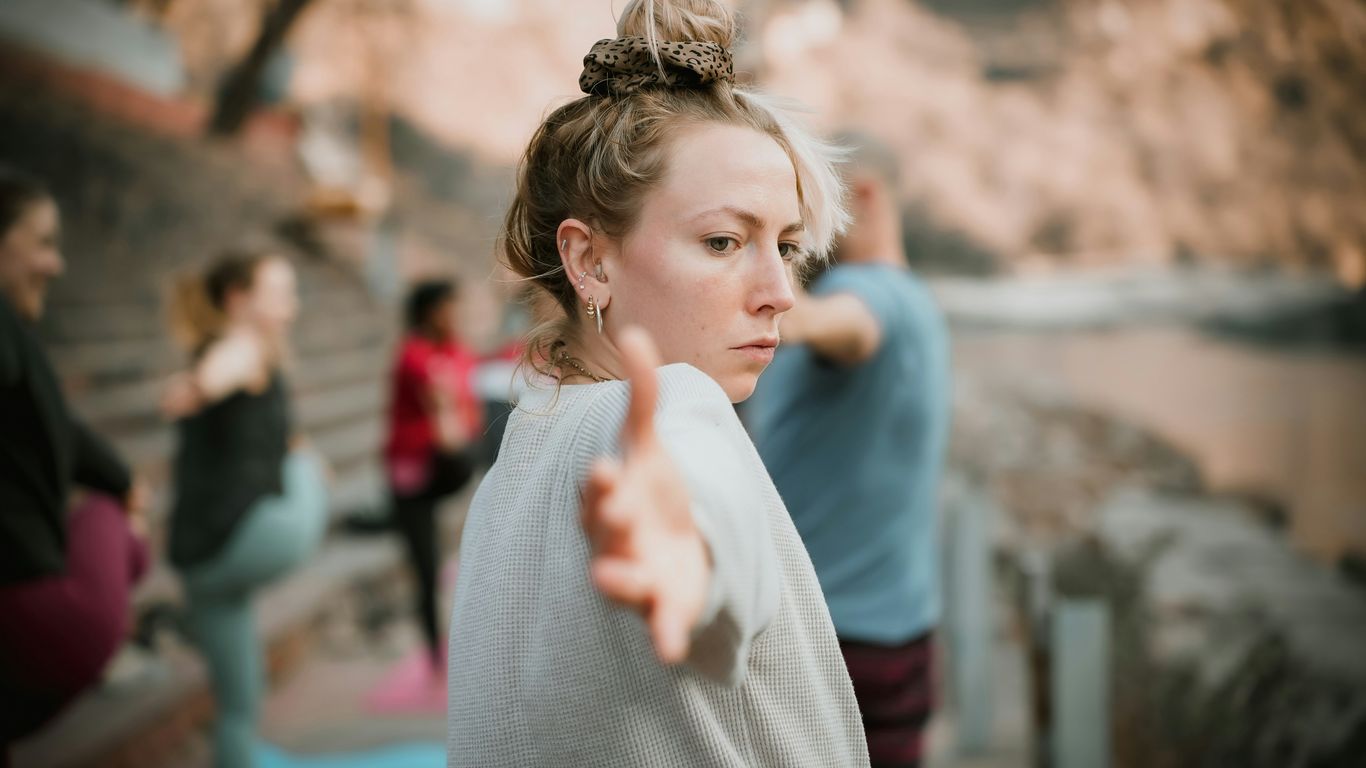
So, you've started yoga, and maybe it's not quite like those serene videos you see online. That's totally normal! Lots of beginners hit a few bumps in the road, and honestly, that's part of the process. The good news is, these challenges are usually pretty manageable with a little awareness and patience.
Flexibility and Balance Concerns
Let's talk about flexibility first. It's super common to feel like you're not bendy enough, especially when you see others folding themselves into pretzel shapes. But here's the thing: yoga isn't about being a contortionist. It's about working with the body you have right now. If you can't touch your toes, that's okay! Using props like blocks or straps can make a huge difference. They help you get into a pose safely and comfortably, allowing you to build flexibility over time. Think of them as your yoga buddies.
Balance can be another tricky one. Standing on one leg might feel wobbly at first, and that's perfectly fine. The key is to find a steady point to focus your gaze on, a little spot in front of you that isn't moving. Also, gently engaging your core muscles can really help stabilize you. Don't get discouraged if you wobble or even fall out of a pose – it happens to everyone, even experienced yogis! Just gently come back into it and keep practicing. Consistency is way more important than perfection here.
Managing Frustration and Self-Doubt
It's easy to get frustrated when you feel like you're not progressing as fast as you'd like, or when a pose just feels impossible. You might start comparing yourself to others in the class or to images you've seen. This is where self-doubt can creep in. Remember that everyone's yoga journey is unique. What works for one person might not work for another, and that's the beauty of it. Instead of focusing on what you can't do, try to appreciate what your body can do. Celebrate the small wins, like holding a pose for a few extra breaths or feeling a bit more steady than last week.
Yoga is a practice, not a performance. The goal isn't to achieve a perfect pose every time, but to show up on your mat, connect with your breath, and be present with your body. Let go of the need for external validation and focus on your internal experience.
Staying Motivated on Your Yoga Journey
Keeping up with a yoga practice, especially when you're just starting, can sometimes feel like a chore. Life gets busy, and it's easy to let it slide. To stay motivated, try setting small, achievable goals. Maybe it's committing to just 15 minutes of practice three times a week, or focusing on learning a few basic yoga poses really well. Finding a style or a teacher that you connect with can also make a big difference. Don't be afraid to try different classes or studios until you find a fit. Sometimes, just knowing you're not alone and connecting with a supportive community, whether online or in person, can provide the encouragement you need to keep showing up on your mat.
Establishing a Home Yoga Practice
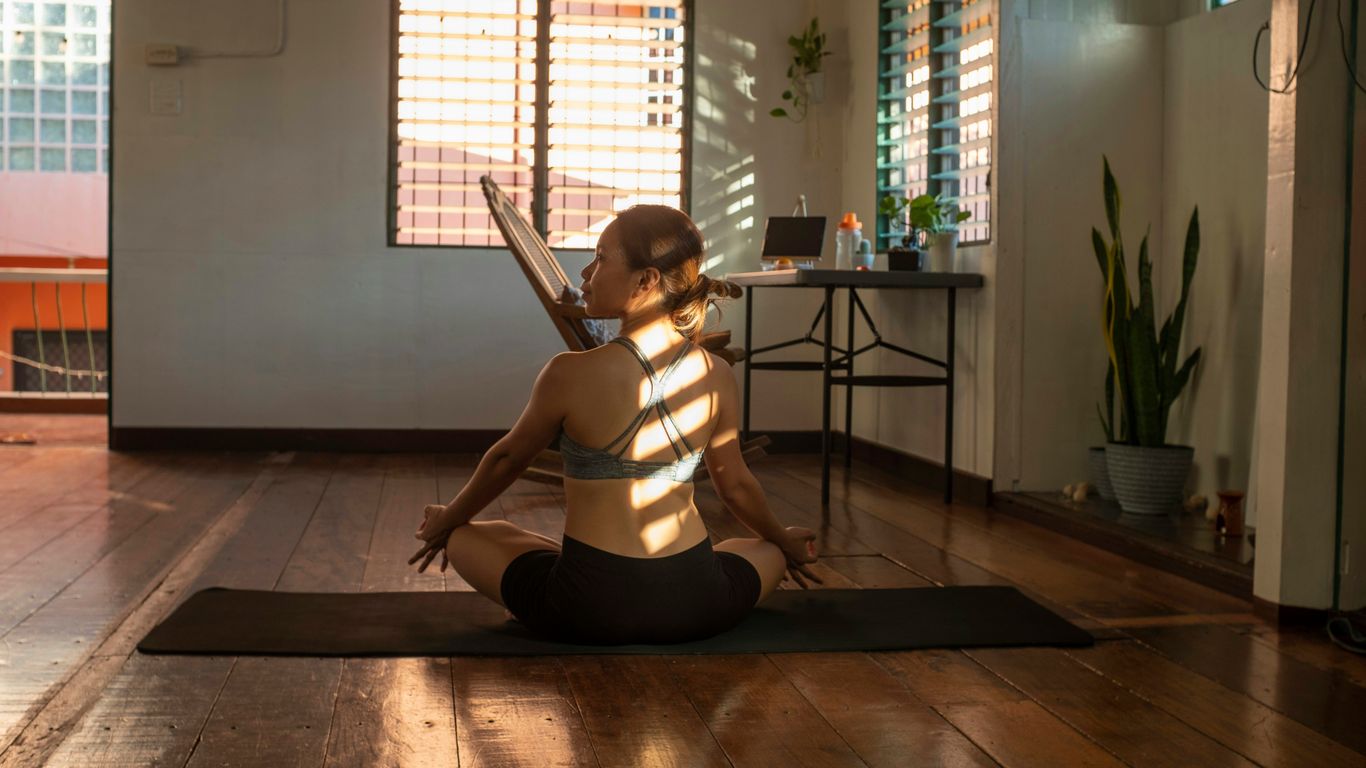
Building a regular yoga habit at home can really change how it fits into your life. You start to practice because you enjoy it, not just because you signed up for a class. Doing yoga in your living room isn’t just a backup when you can’t make it to the studio—it’s a whole practice on its own.
Creating a Distraction-Free Practice Space
- Pick a corner or small area in your home that feels calm and comfortable. It doesn’t need to be huge, just big enough for a mat and your limbs.
- Keep this space tidy. A cluttered yoga spot makes it tough to focus.
- Use soft lighting, maybe a lamp instead of harsh overhead lights, and consider background music if it helps you concentrate.
- Have your mat and any props you need (even if it’s just a book for a block or a belt for a strap) within easy reach.
The best space isn’t about how it looks—consistency matters more than appearance. Make it a spot that gently calls you back every day.
Setting Realistic Goals and Schedules
Getting started is easier if you have a simple plan. Don’t go for an hour-long session every day right away, unless that genuinely sounds good. In fact, starting with short sessions is smart. Try:
- Setting aside 10-20 minutes, a few times a week—short yoga sessions are ideal for beginners.
- Linking yoga to another daily habit, like right after you wake up or just before bed.
- Tracking your progress in a notebook or a calendar for a little extra motivation.
Example Weekly Home Practice Plan:
| Day | Duration | Focus |
|---|---|---|
| Monday | 15 min | Gentle stretches |
| Wednesday | 20 min | Standing poses |
| Friday | 10 min | Breathing/relaxing |
| Sunday | 15 min | Seated stretches |
Seeking Support from Online Communities
Practicing at home doesn’t mean you have to go it alone. Here's how to stay inspired:
- Join online yoga groups on social media to share wins and ask for advice.
- Try free video classes and connect in live chats or comment sections. There are plenty of welcoming online yoga channels.
- Post your progress or questions in online forums—lots of newer yogis are looking for support, just like you.
You’ll find that sharing your ups and downs makes home practice more rewarding. Even a simple “me too!” reply can help you stay on track.
Mistakes to Avoid When Starting Yoga
Starting yoga is exciting, and it's easy to get swept up in the enthusiasm. But, like with anything new, there are a few common pitfalls that can trip up beginners. Being aware of these can help you have a smoother, safer, and more rewarding experience on the mat.
Ignoring Body’s Limits and Pushing Too Hard
This is probably the biggest one. You see others in class effortlessly folding themselves into pretzel shapes, and you think, "I should be able to do that!" Your body is unique, and its journey is not the same as anyone else's. It's tempting to push past discomfort, thinking it's just part of the process. But real pain is your body's signal to back off. Forcing yourself into poses before you're ready can lead to strains, sprains, or worse. Remember, flexibility and strength build over time. It’s okay to use props like blocks and straps to help you get into poses safely. Think of it as smart practice, not weakness. You can find great resources on using props effectively to support your practice here.
Neglecting Proper Alignment and Breath
It's easy to focus on just getting into a pose, but how you get there and how you hold it matters a lot. Proper alignment is key to getting the benefits of a pose and, more importantly, avoiding injury. Your instructor will guide you, but it's up to you to pay attention. Are your knees stacked over your ankles in lunges? Is your spine long in forward folds? Similarly, breath is often an afterthought for beginners. Yoga is as much about the breath as it is about the movement. Consciously connecting your breath to your movements helps calm your mind and deepen your practice. Don't hold your breath; let it flow naturally.
Focusing on Appearance Over Progress
Social media can be a double-edged sword. While it can be inspiring, it can also set unrealistic expectations. Seeing perfectly curated images of people in advanced poses can make you feel like you're not doing yoga "right" if you're not looking a certain way or achieving specific poses immediately. Yoga isn't a competition or a beauty contest. It's a personal practice. The goal isn't to look good; it's to feel good, to connect with yourself, and to grow. Celebrate the small victories: holding a balance pose for an extra second, feeling a stretch in a new way, or simply showing up on your mat. The physical changes and deeper poses will come with consistent, mindful practice.
The true essence of yoga lies not in the external form of a pose, but in the internal experience it cultivates. Focus on how the pose feels in your body and the connection you build with your breath, rather than striving for a perfect visual representation.
Conclusion
Starting yoga can feel a bit awkward at first, but honestly, that’s part of the process. You might wobble, lose your balance, or forget to breathe deeply—everyone does at the beginning. The important thing is to show up, keep an open mind, and not worry about looking perfect. Yoga isn’t about touching your toes or twisting yourself into a pretzel; it’s about learning to listen to your body and finding a little peace in your day. Stick with it, try different classes or videos until you find what feels right, and don’t be afraid to ask questions. Over time, you’ll notice small changes—maybe you feel a bit calmer, or your back doesn’t ache as much. That’s progress. So roll out your mat, take a breath, and remember: every yogi started somewhere. Your journey is just beginning.
Frequently Asked Questions
What exactly is yoga?
Yoga is more than just stretching or exercise. It's a way to connect your mind and body. The word 'yoga' means 'union,' and it's about bringing all parts of yourself together. It helps you feel more at peace and balanced.
Do I need to be flexible to start yoga?
Not at all! Many beginners worry about this, but yoga is about getting *more* flexible, not starting out that way. Everyone's body is different. You'll improve over time, and using tools like yoga blocks can help you in poses.
What should I wear to my first yoga class?
Wear comfortable clothes that let you move freely. Think stretchy pants or shorts and a t-shirt or tank top. You don't need fancy gear to start. Just make sure you can bend and stretch without feeling restricted.
What if I'm not good at balancing?
Balance is something many people work on in yoga. It gets better with practice! Try to focus your eyes on one spot in front of you, and engage your core muscles. Your instructor can also offer tips to help you stay steady.
How important is breathing in yoga?
Breathing is super important! It's called 'mindful breathing' and it helps you relax, focus, and get more out of each pose. Learning to breathe deeply through your nose is a key part of yoga.
What's the difference between different yoga styles?
There are many types of yoga! Hatha is great for beginners because it's slower and focuses on basic poses. Vinyasa is more flowing, linking poses with your breath. Iyengar uses props for precise alignment. Restorative yoga is very gentle and relaxing. It's good to try a few to see what you like best.


